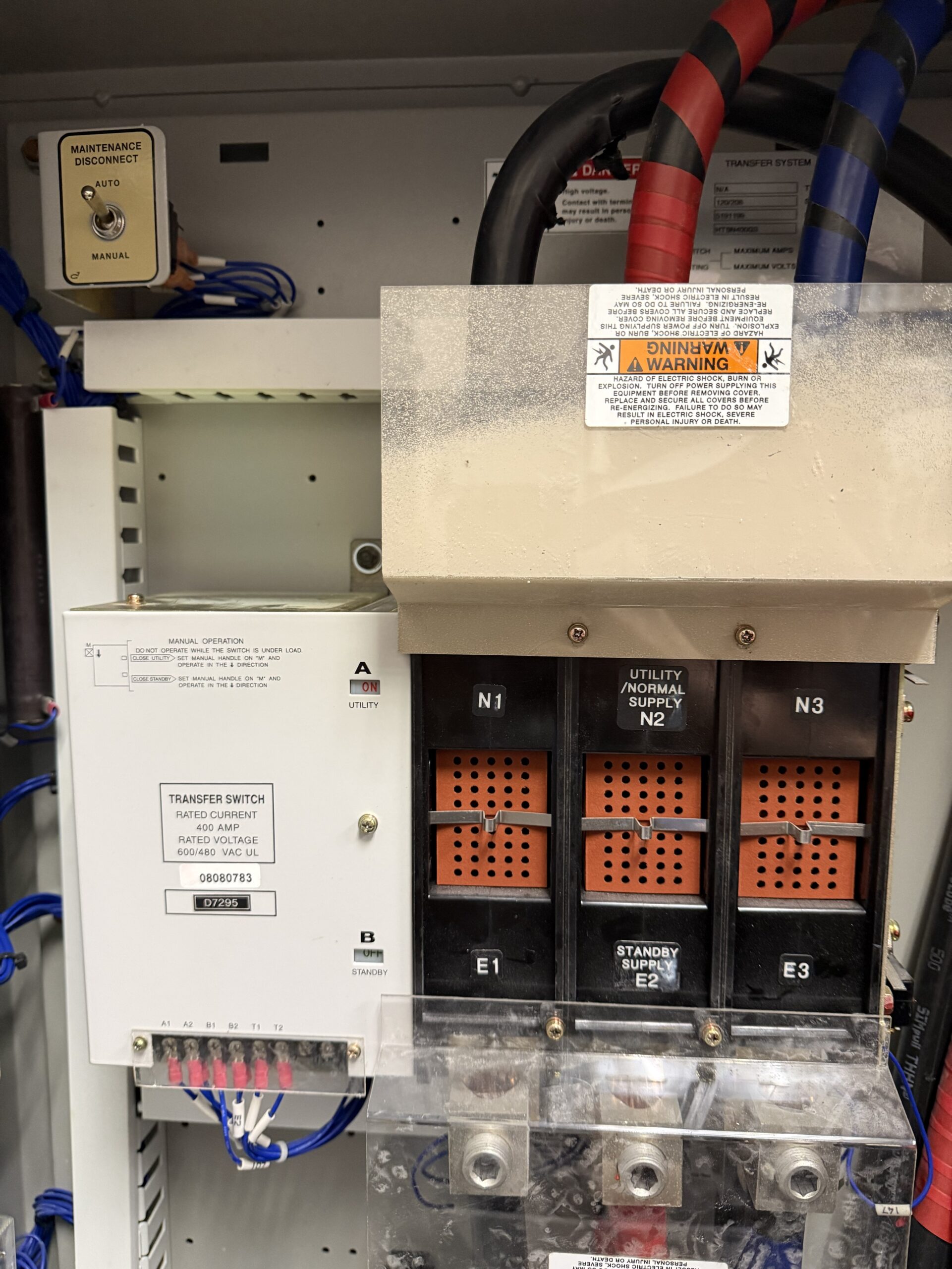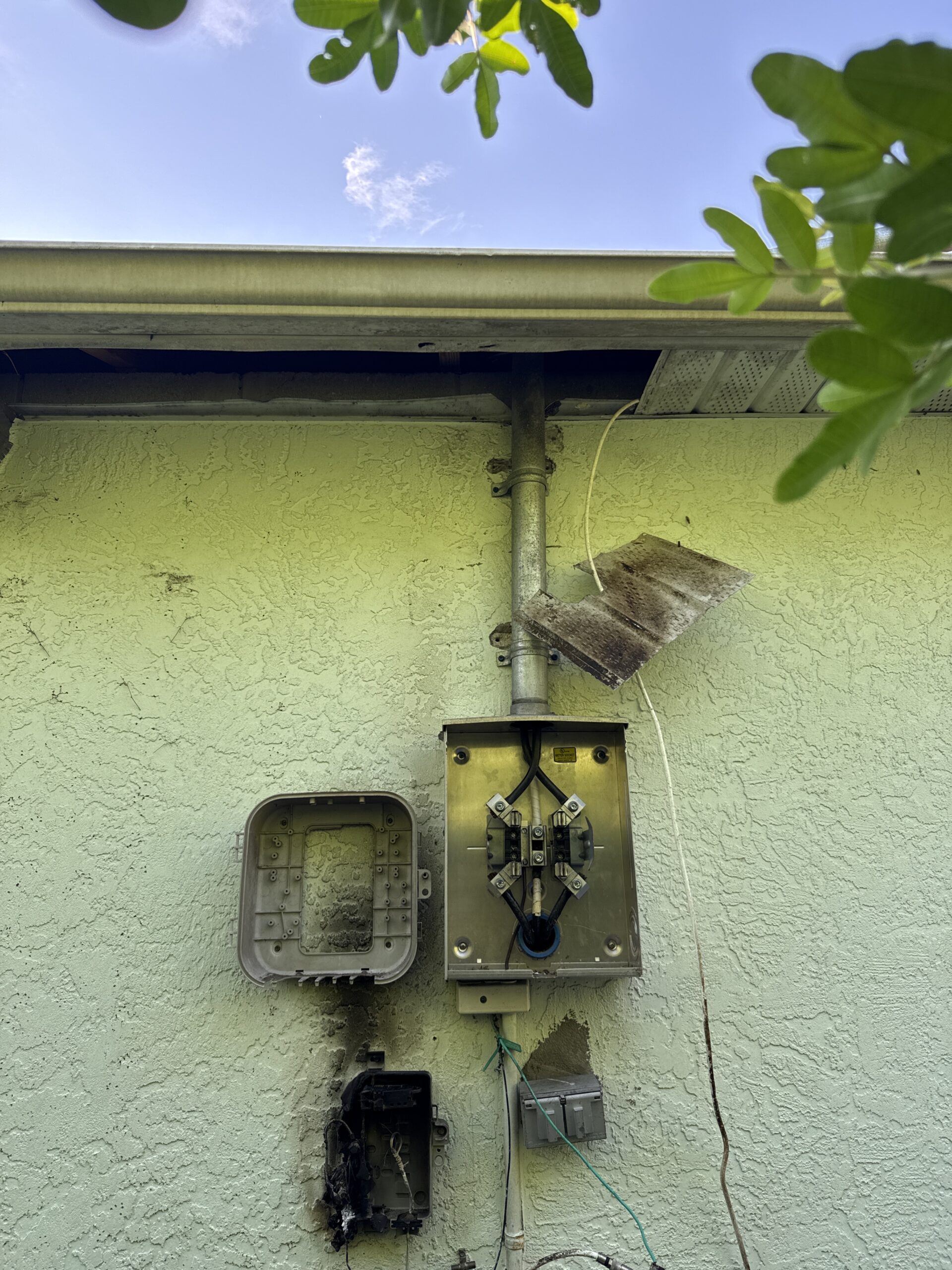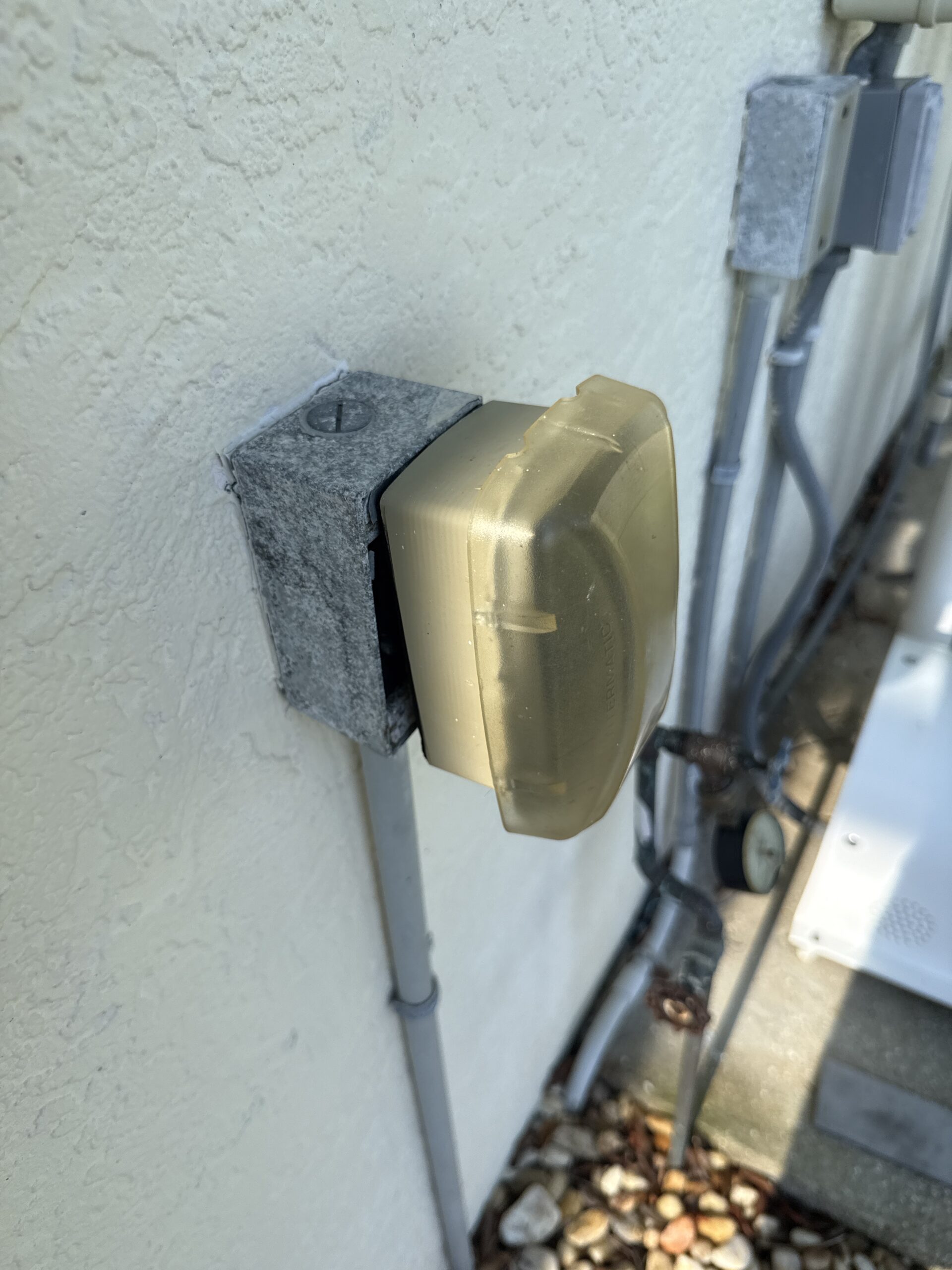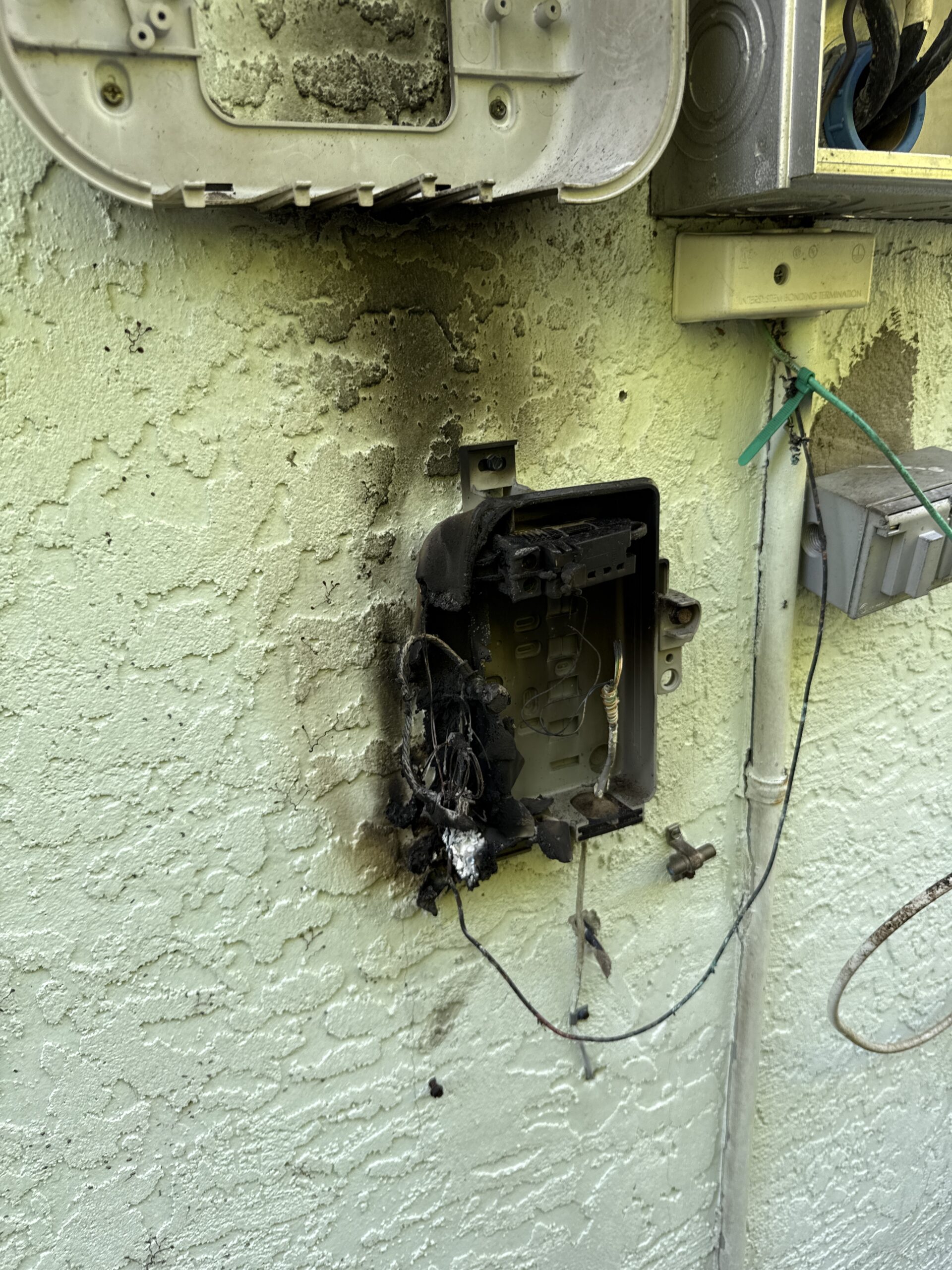



Can bad wiring cause serious problems in your home? Absolutely. In fact, faulty electrical wiring is responsible for approximately 51,000 fires annually in the United States, according to the National Fire Protection Association. As a family-owned electrical contractor with over 20 years of experience serving Port Charlotte, North Port, Punta Gorda, Venice, Englewood, and Sarasota, we’ve witnessed firsthand the devastating consequences of neglected electrical systems. From subtle warning signs like flickering lights to catastrophic events like electrical fires, outdated or damaged wiring poses risks that every homeowner should understand.
Quick Answer: Bad wiring can cause numerous serious problems including house fires, electrical shocks, appliance damage, power surges, increased utility bills, and even structural damage. Warning signs include frequently tripped breakers, flickering lights, burning smells, discolored outlets, and buzzing sounds. Most wiring issues require immediate professional inspection to prevent property damage or injury.
What Can Bad Wiring Cause in Your Home?
Bad wiring creates a cascade of potential hazards that extend far beyond simple inconvenience. Understanding these risks helps homeowners recognize when professional intervention becomes necessary.
First and foremost, faulty wiring poses a severe fire risk. When electrical current flows through damaged, undersized, or deteriorated wires, excessive heat builds up. This heat can ignite surrounding materials like insulation, wood framing, or even drywall. Moreover, older homes in communities like Punta Gorda and Venice often contain outdated wiring systems that weren’t designed to handle modern electrical demands.
Secondly, defective wiring can damage expensive appliances and electronics throughout your home. Power surges caused by loose connections or deteriorated wiring send voltage spikes through your electrical system. Consequently, refrigerators, HVAC systems, computers, and entertainment centers suffer premature failure. Many homeowners don’t realize that their frequent appliance replacements stem from underlying electrical problems rather than normal wear and tear.
Additionally, bad wiring creates serious shock and electrocution hazards. Exposed wires, improper grounding, and damaged insulation allow electrical current to take unintended paths. Therefore, family members risk injury simply by using everyday outlets, switches, or appliances. Children and pets face particularly high risk since they may not recognize electrical dangers.
Furthermore, faulty wiring significantly increases your monthly utility costs. Inefficient electrical pathways force your system to work harder, consuming more energy to deliver the same power. In fact, many Port Charlotte homeowners discover substantial savings after addressing wiring issues they didn’t know existed.
7 Warning Signs That Can Bad Wiring Cause Problems in Your Home
Recognizing the symptoms of failing electrical systems allows you to address issues before they escalate into emergencies. Here are the critical warning signs that indicate your home may have dangerous wiring problems.
1. Circuit Breakers Trip Frequently
When breakers trip repeatedly, your electrical system is telling you something important. Modern circuit breakers are designed to protect your home by shutting off power when circuits become overloaded. However, if you’re constantly resetting breakers, the problem likely stems from faulty wiring rather than temporary overload situations. Loose connections, short circuits, or undersized wiring for the electrical load can all trigger this protective response. Homeowners in North Port often discover that older wiring can’t handle modern demands from multiple devices and appliances running simultaneously.
2. Lights Flicker or Dim Unexpectedly
Flickering or dimming lights indicate unstable electrical connections somewhere in your system. While occasional dimming when large appliances start is normal, persistent flickering signals serious problems. Loose wire connections create resistance that causes voltage fluctuations throughout your home. Additionally, aluminum wiring, common in homes built during the 1960s and 1970s throughout Englewood and Sarasota, expands and contracts more than copper, leading to loose connections over time. This seemingly minor annoyance actually represents a significant fire hazard that requires immediate professional attention.
3. Outlets or Switches Feel Warm to Touch
Electrical outlets and switches should never feel warm or hot. In fact, heat emanating from these fixtures indicates dangerous resistance in the wiring behind your walls. Furthermore, discolored or charred outlets provide visual evidence of overheating that may have already caused internal damage. This situation demands immediate evaluation by a licensed electrician, as thermal damage progressively worsens until it potentially ignites surrounding materials. Many Venice homeowners have avoided disasters by addressing warm outlets before they became actual fire hazards.
4. Burning Smell or Visible Sparks
Any burning smell near outlets, switches, or your electrical panel represents an emergency situation. Similarly, visible sparks when plugging in devices signal dangerous arcing within your electrical system. These symptoms mean that electrical current is traveling where it shouldn’t, generating heat that can ignite fires within your walls. Never ignore these warning signs or attempt DIY repairs. Instead, contact a professional emergency electrician immediately to prevent potential catastrophe.
5. Buzzing or Sizzling Sounds
Electrical systems should operate silently. Therefore, any buzzing, humming, or sizzling sounds from outlets, switches, or panels indicate loose connections or arcing electricity. Arcing occurs when current jumps across gaps in damaged or separated wiring, creating both sound and dangerous heat. These noises often precede electrical fires, making professional inspection crucial. Homeowners throughout Port Charlotte and Punta Gorda should treat unusual electrical sounds as urgent warning signs requiring immediate attention.
6. Frequent Light Bulb Burnout
If light bulbs burn out far more quickly than their rated lifespan, your wiring may be delivering excessive or fluctuating voltage. While a single bulb failing early is normal, patterns of rapid burnout across multiple fixtures suggest systemic electrical problems. Loose connections in circuits, poor wiring in fixtures, or voltage irregularities all contribute to premature bulb failure. This issue wastes money on replacement bulbs while signaling potentially dangerous wiring conditions throughout your home.
7. Outdated Two-Prong Outlets Throughout
Homes with predominantly two-prong outlets lack proper grounding, a critical safety feature in modern electrical systems. Grounding provides a safe path for excess electricity, protecting you from shocks and your appliances from damage. Moreover, two-prong outlets indicate that your entire electrical system likely dates back several decades and doesn’t meet current safety codes. Many Sarasota-area homes built before 1970 require comprehensive electrical updates to ensure family safety and accommodate contemporary electrical demands.
For more detailed information about specific types of damage, check out our comprehensive guide on can bad wiring cause home damage.
How Does Bad Wiring Damage Your Home’s Structure and Systems?
Beyond immediate fire risks, defective wiring creates progressive damage that compromises your home’s integrity and value over time. Understanding these mechanisms helps homeowners appreciate why prompt electrical repairs represent essential investments rather than optional expenses.
Electrical arcing inside walls generates intense localized heat that chars wood framing, melts plastic insulation, and damages drywall. This thermal damage weakens structural components even when it doesn’t immediately ignite visible fires. Over months or years, repeated heating cycles degrade materials that support your home’s structure. Consequently, what begins as a minor wiring problem can eventually require extensive repairs to framing, insulation, and wall surfaces.
Additionally, moisture and electrical problems often create a dangerous combination. When wiring insulation deteriorates, exposed conductors can energize plumbing pipes, metal ductwork, or structural steel. This condition, known as inadvertent energization, poses electrocution risks while also accelerating corrosion of metal building components. Furthermore, electrical problems can trigger ground fault conditions that send current through unexpected paths, potentially damaging foundation reinforcement or underground utilities.
Inadequate electrical systems also damage HVAC equipment, water heaters, and other major mechanical systems. Voltage irregularities caused by poor wiring reduce the operational lifespan of motors, compressors, and control boards. Therefore, homeowners often face premature replacement of expensive equipment when the root cause actually lies in their electrical infrastructure. Addressing wiring problems not only enhances safety but also protects your investment in major home systems.
What Can Bad Wiring Cause Beyond Fire Hazards?
While fire risk dominates safety discussions, faulty wiring creates numerous other problems that impact daily life, property value, and financial wellbeing. These secondary effects deserve equal attention when evaluating your home’s electrical health.
Insurance complications represent a significant concern for homeowners with known electrical defects. Many insurance companies increase premiums or deny coverage entirely for homes with outdated wiring systems like knob-and-tube or ungrounded aluminum wiring. Therefore, addressing electrical issues becomes essential for maintaining affordable homeowner’s insurance. Additionally, disclosure requirements in real estate transactions mean that known electrical problems can derail home sales or reduce property values.
Data loss and electronic damage also result from electrical instabilities. Power surges travel through household wiring, damaging sensitive electronics like computers, smart home devices, and entertainment systems. Meanwhile, voltage sags can cause data corruption or equipment malfunctions. Businesses operating from home offices in communities like North Port face particular risk, as electrical problems can destroy valuable work and compromise client data.
Furthermore, bad wiring creates electromagnetic interference that affects wireless networks, cordless phones, and other communication systems. This interference degrades performance and reliability of devices that modern families depend upon daily. Similarly, improperly wired circuits can interfere with medical equipment like CPAP machines or monitoring devices, potentially compromising health outcomes for vulnerable family members.
How Much Does It Cost to Fix Wiring Problems?
Understanding the financial investment required to address electrical issues helps homeowners budget appropriately and make informed decisions about their properties. Costs vary significantly based on problem scope, home size, and accessibility factors.
Simple repairs like replacing a faulty outlet or switch typically range from $150 to $300, including labor and materials. However, more extensive projects require substantially greater investment. Rewiring a single room generally costs between $1,500 and $3,000, depending on room size and complexity. Meanwhile, whole-house rewiring projects in Port Charlotte and surrounding communities typically range from $8,000 to $20,000 for average-sized homes.
Several factors influence total project costs. First, accessibility significantly impacts labor requirements. Finished basements and multiple stories make wire routing more complex and time-consuming. Second, local code compliance often requires additional upgrades beyond simply replacing old wiring. For example, modern codes mandate AFCI and GFCI protection in specific locations, adding to material costs. Third, related repairs like drywall patching and repainting increase overall expenses when walls must be opened to access wiring.
Despite these costs, addressing electrical problems delivers substantial value. First, you eliminate life-threatening hazards that endanger your family. Second, you reduce fire insurance premiums while maintaining coverage eligibility. Third, you prevent progressive damage that becomes increasingly expensive to repair. Fourth, you enhance property value and marketability for future sale. Finally, you gain peace of mind knowing your electrical system safely supports modern living.
Many homeowners discover that proactive electrical panel upgrades prevent future wiring problems while accommodating growing electrical demands. Panel replacement costs typically range from $1,500 to $4,000, depending on service capacity and complexity.
Frequently Asked Questions About Can Bad Wiring Cause Home Damage
Can bad wiring cause high electric bills?
Yes, faulty wiring significantly increases electricity consumption and utility costs. Loose connections create resistance that generates waste heat, forcing your electrical system to draw more power to deliver the same amount of useful energy. Additionally, damaged insulation can create small current leaks that run continuously, adding phantom loads to your monthly usage.
How long does electrical wiring typically last?
Modern copper wiring with proper installation can last 50 to 70 years or more. However, aluminum wiring common in 1960s-1970s construction requires special attention and typically needs replacement or remediation after 40-50 years. Furthermore, environmental factors like moisture exposure, pest damage, and heat accelerate wiring deterioration regardless of material type.
Can bad wiring cause appliances to stop working?
Absolutely. Voltage fluctuations and power surges caused by defective wiring damage appliance control boards, motors, and compressors. Many homeowners replace multiple appliances before discovering that underlying electrical problems caused the failures. Therefore, patterns of appliance malfunction warrant immediate electrical system evaluation.
What type of wiring is considered dangerous?
Knob-and-tube wiring, found in homes built before 1950, poses significant hazards due to deteriorated insulation and lack of grounding. Similarly, aluminum wiring installed between 1965-1975 requires special handling and connections to prevent fire risks. Additionally, any wiring with cracked or missing insulation, regardless of age or type, presents immediate dangers requiring professional attention.
How quickly should I address wiring problems?
Electrical issues demand immediate attention due to their potential for rapid escalation. What seems like a minor problem today can become a catastrophic fire tomorrow. Therefore, contact a licensed electrician within 24 hours of discovering warning signs like burning smells, warm outlets, or frequent breaker trips. Never delay addressing electrical safety concerns.
Do I need to rewire my entire house?
Not necessarily. A thorough electrical inspection by qualified professionals determines the scope of necessary repairs. Some homes require only targeted repairs in specific circuits or rooms. However, homes with widespread outdated wiring, multiple recurring problems, or systems that don’t meet current code may benefit from complete rewiring for long-term safety and reliability.
Can bad wiring affect smart home devices?
Yes, electrical instabilities interfere with smart home technology in multiple ways. Voltage fluctuations can damage sensitive electronics, while electromagnetic interference disrupts wireless communication between devices. Moreover, insufficient electrical capacity in older wiring systems prevents safe operation of multiple smart devices simultaneously, limiting your home automation potential.
Trust Caliber Electric for Safe, Reliable Electrical Solutions
For over 20 years, our family-owned business has protected Southwest Florida homes from electrical hazards. Whether you live in Port Charlotte, North Port, Punta Gorda, Venice, Englewood, or Sarasota, our fully licensed electricians deliver the expertise and reliability you deserve. We understand what can bad wiring cause because we’ve helped hundreds of families address these exact problems. From comprehensive electrical inspections and panel upgrades to complete rewiring projects and emergency repairs, we provide solutions that ensure your home’s safety and functionality. Don’t wait until warning signs become emergencies. Contact Caliber Electric today at (941) 613-0495 for a thorough electrical evaluation. We offer transparent pricing, quality workmanship, and the peace of mind that comes from knowing your electrical system meets the highest safety standards. Your family’s safety is our priority, and we’re available 24/7 for emergency electrical services when you need us most.