When you search for “electrical companies near me,” you’re not just looking for someone to flip a breaker. You’re inviting a professional into your home or business, trusting them with your family’s safety, and investing in work that must meet strict codes and stand the test of time. For homeowners and business owners in Port Charlotte, North Port, Punta Gorda, Venice, Englewood, and Sarasota, finding the right electrical contractor means understanding what separates a qualified, trustworthy company from those who cut corners or lack proper credentials.
Quick Answer: Electrical companies near you should hold valid Florida state licenses (ER or EC), carry comprehensive liability and workers’ compensation insurance, maintain consistent service areas, and demonstrate verifiable local experience. Most reputable contractors offer free estimates, transparent pricing, and warranties on both labor and materials. Always verify licensing through the Florida Department of Business and Professional Regulation before hiring.
What Should You Look for in Local Electrical Companies?
Choosing an electrical contractor is fundamentally different from hiring other home service professionals. Electrical work directly impacts life safety, property protection, and code compliance. Moreover, substandard electrical work can void homeowner’s insurance, create fire hazards, and require costly re-work down the line.
When evaluating electrical companies near you, focus on credentials first. A Florida Electrical Contractor license (EC) or Registered Electrical Contractor license (ER) indicates the company has met state requirements for training, experience, and examination. These licenses are not automatic. They require documented field experience, passing comprehensive exams, and maintaining continuing education. You can verify any contractor’s license status through the Florida Department of Business and Professional Regulation’s online portal.
Insurance matters just as much as licensing. Therefore, confirm that any electrical company carries both general liability insurance and workers’ compensation coverage. General liability insurance protects your property if something goes wrong during the job. Workers’ compensation protects you from liability if a technician is injured on your property. In fact, many homeowners don’t realize they can be held financially responsible for injuries to uninsured workers, making this verification essential.
Local presence and reputation provide another critical filter. Companies that have served your community for years have a vested interest in maintaining their reputation. They’re accountable to neighbors, not just online reviews. Furthermore, local electrical companies understand regional code requirements, common wiring issues in older Southwest Florida homes, and utility company procedures for permits and inspections.
Response time and service area consistency matter more than many homeowners initially realize. A company that truly serves your area will provide realistic emergency response times and won’t charge excessive travel fees. Additionally, established local companies typically maintain relationships with local supply houses, which speeds up parts availability and project completion.
Transparency in pricing and communication separates professional contractors from those who operate on ambiguity. Reputable electrical companies provide detailed written estimates, explain what the work entails, and outline warranties clearly. They answer questions patiently and help you understand options rather than pushing the most expensive solution.
6 Essential Questions to Ask Electrical Companies Near Me
Before you hire any electrical contractor, asking the right questions helps you avoid costly mistakes and ensures you’re working with qualified professionals. These questions reveal not just competence, but also integrity and customer service philosophy.
1. What Is Your Florida License Number and Can I Verify It?
Every legitimate electrical contractor in Florida must provide their license number willingly. An Electrical Contractor (EC) license or Registered Electrical Contractor (ER) license demonstrates the company meets state standards for experience, examination, and ongoing education. You can verify the license instantly through the Florida Department of Business and Professional Regulation website, which also shows any disciplinary actions, complaints, or license suspensions. Companies that hesitate to provide this information or claim they “work under someone else’s license” without clear documentation should raise immediate red flags.
2. Do You Carry Liability Insurance and Workers’ Compensation?
Insurance protects you from financial disaster if something goes wrong. General liability insurance covers property damage that might occur during electrical work, such as accidental damage to walls, fixtures, or appliances. Workers’ compensation insurance protects you from liability if a technician is injured while working on your property. Request certificates of insurance and verify they’re current. In addition, confirm the insurance company name so you can independently verify coverage if needed.
3. How Long Have You Served This Area and Can You Provide Local References?
Longevity in a community indicates reliability and quality work. Companies that have served Port Charlotte, Venice, or Sarasota for many years have proven they can satisfy customers consistently enough to stay in business. Ask for references from customers in your specific city or neighborhood. Moreover, check online reviews across multiple platforms, but remember that extremely new companies or those with only a handful of reviews may lack the track record you need for major electrical work.
4. Will You Pull Permits and Schedule Inspections?
Electrical permits aren’t bureaucratic obstacles, they’re safety checkpoints. Reputable electrical companies pull permits for work that requires them, such as panel upgrades, service increases, new circuits, and generator installations. Permits ensure an independent inspector verifies the work meets the National Electrical Code and local amendments. Companies that suggest skipping permits to save money are asking you to accept liability for code violations and potentially voiding your homeowner’s insurance. Furthermore, unpermitted work must be disclosed during home sales and can derail closings.
5. What Warranties Do You Provide on Labor and Materials?
Warranties demonstrate a company stands behind its work. Quality electrical contractors typically offer at least a one-year warranty on labor and honor manufacturer warranties on materials and equipment. Ask specifically what the warranty covers, how long it lasts, and what steps you need to take if problems arise. Additionally, confirm the warranty is in writing and included in your contract or invoice.
6. What Is Your Process for Estimates, Scheduling, and Communication?
Professional electrical companies follow systematic processes. They provide detailed written estimates that break down labor, materials, and any potential variables. They schedule work within reasonable timeframes and communicate proactively if delays occur. Ask how they handle unexpected issues that arise during work, how change orders are processed, and who your primary contact will be throughout the project. Clear processes indicate a well-run company that values customer experience.
Top 5 Red Flags When Searching for Electrical Companies Near Me
Recognizing warning signs helps you avoid contractors who may deliver substandard work, disappear mid-project, or leave you with safety hazards. These red flags have emerged from decades of industry experience and consumer protection agencies.
1. No Verifiable License or “Working Under” Someone Else’s License
Unlicensed electrical work is illegal in Florida and voids most homeowner’s insurance policies. Some contractors claim they “work under” a master electrician’s license, which is legitimate only if that licensed contractor directly supervises the work and takes legal responsibility. However, if the actual company owner or primary contact cannot provide proof of their own license or clear documentation of the supervisory relationship, you’re likely dealing with an unlicensed operator. The consequences fall on you: failed inspections, dangerous installations, and no recourse if something goes wrong.
2. Cash-Only Payments or Large Upfront Deposits
While small deposits for material orders are standard, contractors who demand large cash payments upfront or pressure you to pay in full before work begins often lack the financial stability to complete jobs properly. Professional electrical companies accept multiple payment methods, invoice clearly, and typically collect the bulk of payment upon satisfactory completion. In fact, Florida law limits deposits contractors can require for certain projects, and requesting payment structures outside these norms suggests potential problems.
3. No Physical Address or Local Phone Number
Legitimate electrical companies maintain physical business locations and local phone numbers. Contractors who operate only through cell phones, P.O. boxes, or out-of-area phone numbers make it difficult to follow up on warranty issues or file complaints if needed. Additionally, companies without physical locations may lack the infrastructure to support ongoing service relationships, leaving you stranded if you need follow-up work or emergency service.
4. Pressure to Skip Permits or “Speed Up” the Process
Any contractor who suggests skipping required permits, implies inspectors are unnecessary, or pressures you to avoid the official permitting process is asking you to break the law. Permits exist to ensure your electrical work is safe and code-compliant. Work done without required permits can result in fines, forced removal of completed work, difficulty selling your home, and denied insurance claims if an electrical fire occurs. Moreover, professional electricians understand permit requirements and build permit time into project schedules rather than treating permits as obstacles.
5. Estimates That Are Dramatically Lower Than Others
If one estimate is 40% or 50% below all others, something is wrong. The company may plan to use substandard materials, employ unlicensed workers, skip required steps, or add surprise charges later. Electrical materials and labor have market rates. While prices vary somewhat between contractors, dramatic outliers usually indicate corners will be cut. Remember that electrical work directly impacts safety. The cheapest option often becomes the most expensive when you factor in repairs, re-work, or damage from substandard installations.
How Much Do Electrical Companies Near Me Typically Charge?
Understanding typical pricing helps you budget appropriately and recognize when estimates seem unreasonably high or suspiciously low. Electrical service costs vary based on project complexity, materials quality, permit requirements, and company overhead, but general ranges provide useful benchmarks for Southwest Florida.
Service calls and diagnostic visits typically range from $89 to $150 for most electrical companies serving Port Charlotte through Sarasota. This fee usually covers the trip charge, initial diagnosis, and often applies toward repair costs if you proceed with the work. Emergency service calls outside normal business hours command premium rates, often 1.5 to 2 times standard rates, reflecting the value of 24/7 availability.
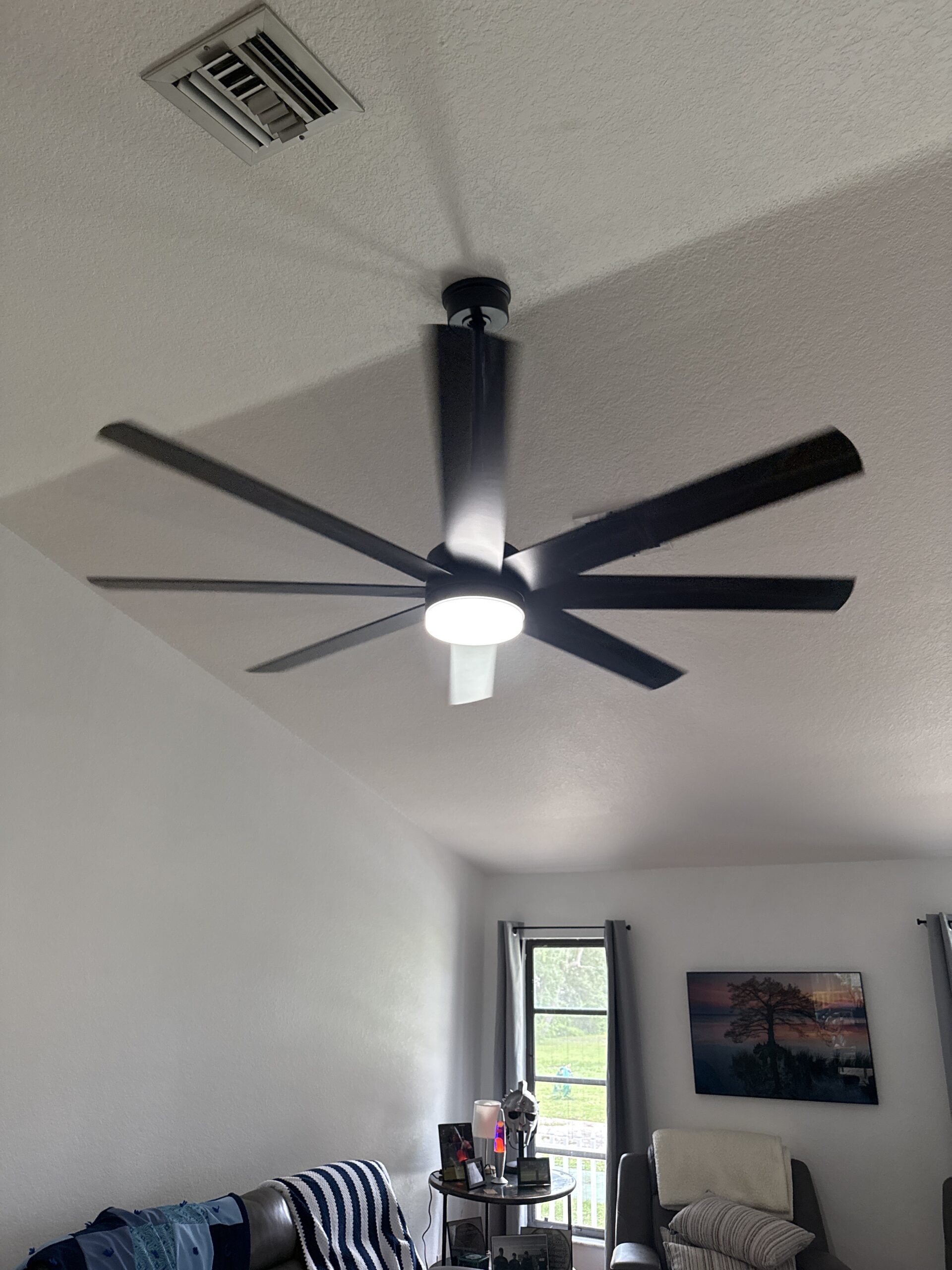
Simple repairs and installations follow fairly predictable pricing. Outlet or switch replacement typically costs $125 to $225 per device when materials and labor are included. GFCI outlet installation runs $150 to $275 per outlet due to the more complex wiring and testing requirements. Ceiling fan installation averages $200 to $400 depending on whether wiring already exists at the location. New circuit installation ranges from $300 to $800 depending on the circuit distance from the panel and whether it requires cutting into walls.
Panel upgrades and major electrical work represent significant investments but provide essential safety improvements and increased capacity. Electrical panel upgrades from 100-amp to 200-amp service typically cost $2,500 to $5,500, including the panel, permit, labor, and inspection. This wide range reflects variables like panel location accessibility, whether the utility company must upgrade the meter base, and whether main service cables need replacement. For more detailed information about panel upgrade considerations, see our Complete Guide to Change Out Electrical Panel in 2026.
Generator installation costs vary dramatically based on generator size and fuel source. Standby whole-home generators range from $7,000 to $18,000 installed, including the generator unit, automatic transfer switch, concrete pad, gas or propane connection, and electrical integration. Smaller portable generator interlock systems cost $800 to $1,500 installed, offering a more affordable backup power option for essential circuits only.
EV charger installation represents a growing service category in Southwest Florida. Level 2 EV charger installation typically costs $800 to $2,500, depending on whether your panel has adequate capacity, the charger’s distance from the panel, and whether the installation requires trenching for outdoor placement. If your panel lacks capacity for the charger’s 40-50 amp requirement, panel upgrade costs must be factored into the total project budget.
Labor rates for licensed electricians in the Port Charlotte to Sarasota corridor generally run $85 to $135 per hour, with most companies charging by the project rather than hourly to provide pricing certainty. Companies that have invested in ongoing training, maintain proper insurance, and employ licensed technicians typically charge toward the higher end of this range, and that investment pays dividends in quality and safety.
What Types of Electrical Work Require Licensed Contractors?
Florida law strictly regulates who can perform electrical work, and understanding these requirements protects you from liability and ensures safe installations. Virtually all electrical work beyond simple bulb changes and plug-in device replacement requires a licensed electrician.
Any work involving your electrical panel demands licensed expertise. Panel upgrades, breaker replacement, adding circuits, and troubleshooting panel issues all require someone with proper licensing and training. Panels operate at dangerous voltages, and mistakes can cause electrocution, fires, or equipment damage. A circuit breaker is a safety device that automatically interrupts electrical flow when it detects overload or fault conditions. When breakers fail, they may not protect your circuits during dangerous conditions, making professional replacement essential.
New circuit installation, whether for kitchen remodels, room additions, or new appliances, must be performed by licensed contractors. These installations require proper wire sizing, correct breaker ratings, appropriate cable routing, and compliance with National Electrical Code requirements for spacing, protection, and grounding. Additionally, new circuits require permits and inspections in most jurisdictions, which only licensed contractors can obtain.
Whole-house generators, EV chargers, and other high-power equipment installations require licensed electrical work. These installations involve complex transfer switches, dedicated high-amperage circuits, proper grounding, and integration with existing electrical systems. Moreover, manufacturers often require licensed installation to maintain equipment warranties, and insurance companies may deny claims related to fires or damage from unlicensed installations.
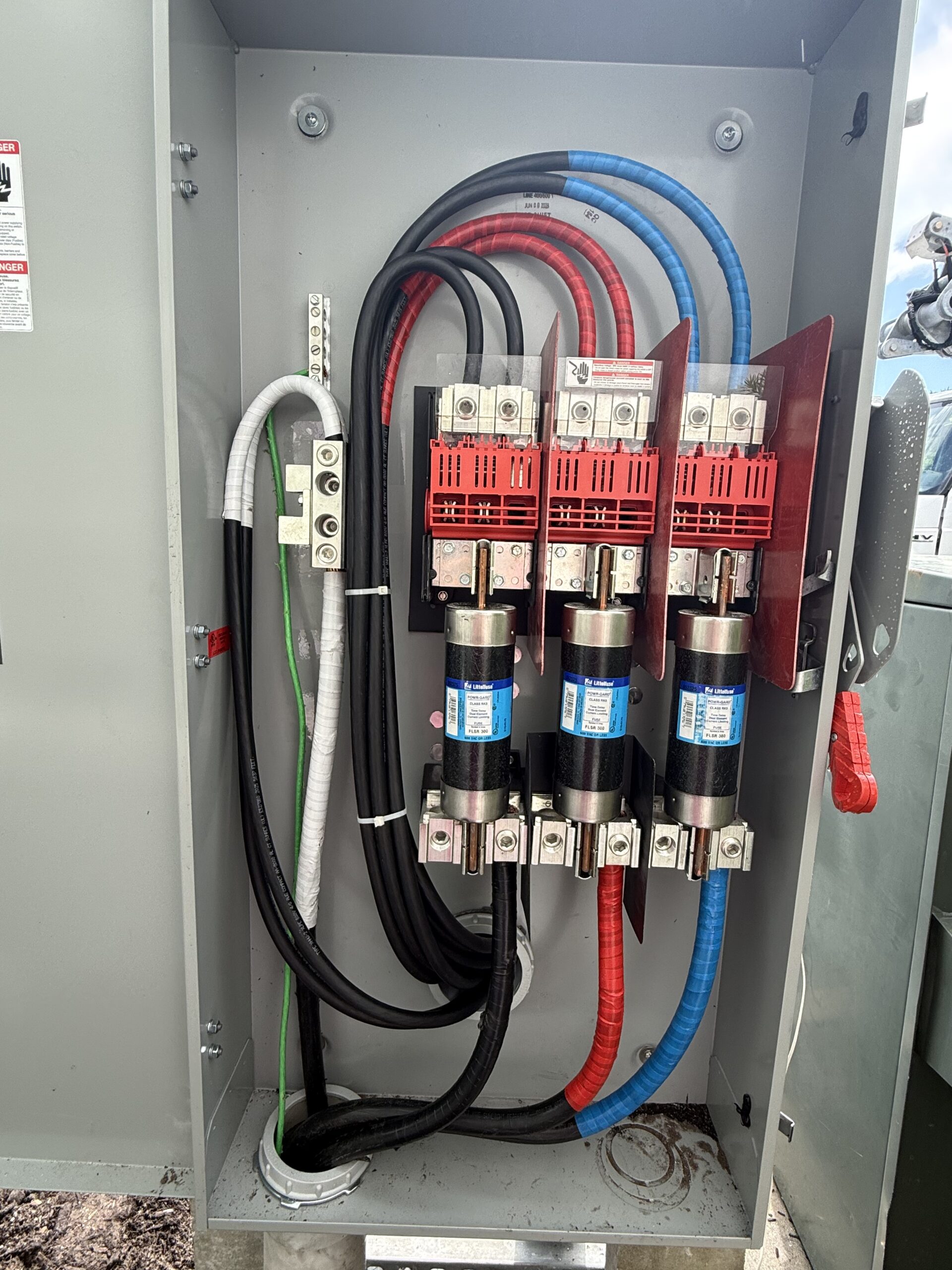
Service upgrades that increase your home’s electrical capacity from 100 to 200 amps or higher require coordination with utility companies, engineering calculations, permit applications, and final inspections. Only licensed electrical contractors have the credentials to perform this work legally. The service entrance is the point where utility power enters your home’s electrical system, including the meter base, main disconnect, and service panel. Modifications to service entrance equipment require both electrical licensing and utility company coordination.
Troubleshooting persistent electrical problems often reveals code violations or safety hazards that require licensed correction. Issues like frequent breaker trips, flickering lights, burning smells, or warm outlets may indicate serious wiring problems, overloaded circuits, or failing equipment. Professional diagnosis identifies root causes rather than temporarily masking symptoms, and corrections must meet current code standards even if the original installation predates those codes.
Why Local Experience Matters for Electrical Companies Near Me
Local experience provides advantages that extend far beyond geographical proximity. Electrical companies that have served Southwest Florida communities for years understand regional challenges, building practices, and customer needs in ways that newer or distant companies cannot match.
Southwest Florida’s climate creates unique electrical challenges. Salt air accelerates corrosion of outdoor electrical equipment, connections, and panel components. High humidity can cause condensation in panels and junction boxes. Frequent lightning strikes stress surge protection systems and GFCI circuits. Additionally, hurricane preparedness requires knowledge of generator sizing, transfer switch selection, and essential circuit prioritization. Electrical companies with long-term local presence have solved these issues hundreds of times and anticipate problems before they occur.
Older homes in Port Charlotte, Venice, and Punta Gorda often contain aluminum wiring, Federal Pacific panels, undersized services, and outdated grounding systems. Local electrical contractors recognize these issues instantly and understand cost-effective remediation approaches. Furthermore, they understand local permit office procedures, inspector preferences, and utility company requirements that can otherwise delay projects significantly.
Building relationships with local supply houses gives established electrical companies access to materials quickly. When a specialized breaker, panel component, or fixture is needed, local companies can often obtain it same-day rather than waiting for shipping. This access translates to faster project completion and reduced downtime during repairs.
Community reputation provides accountability that transcends online reviews. Electrical companies that have served your neighbors for decades depend on word-of-mouth referrals and local reputation. They’re invested in customer satisfaction in ways that franchise operators or distant companies are not. Moreover, local companies are available for follow-up service, warranty work, and emergency calls long after the initial project is completed.
Understanding local codes and inspection requirements streamlines the permitting process. Each municipality in Southwest Florida has specific procedures, amendment to state code, and inspector expectations. Experienced local electrical contractors navigate these requirements efficiently, avoiding delays and failed inspections that less experienced companies often encounter.
Frequently Asked Questions About Electrical Companies Near Me
What should I look for when searching for electrical companies near me?
Electrical companies near you should hold current Florida EC or ER licenses, carry comprehensive liability and workers’ compensation insurance, maintain a physical business location, and demonstrate verifiable local experience through references and online reviews. Additionally, professional companies provide written estimates, explain their warranty policies clearly, and pull required permits for all work that needs inspection.
How much do electrical companies in Port Charlotte typically charge for a service call?
Most electrical companies serving Port Charlotte, North Port, and Punta Gorda charge between $89 and $150 for standard service calls during normal business hours. This fee typically includes the diagnostic visit and often applies toward repair costs if you proceed with recommended work. Emergency service outside normal hours usually costs 1.5 to 2 times the standard rate.
How can I verify an electrical company is properly licensed in Florida?
You can verify any electrical contractor’s license through the Florida Department of Business and Professional Regulation website at myfloridalicense.com. Simply search by company name or license number to see current status, license type, expiration date, and any disciplinary actions or complaints. Legitimate contractors provide their license numbers willingly and encourage verification.
What is the difference between EC and ER electrical licenses?
An EC (Electrical Contractor) license is an unlimited license allowing the holder to contract for and perform any electrical work statewide. An ER (Registered Electrical Contractor) license is also a contracting license with the same scope but different qualification pathways. Both licenses authorize the holder to pull permits, supervise electrical work, and operate an electrical contracting business legally in Florida.
Do electrical companies near me need to pull permits for panel upgrades?
Yes, electrical panel upgrades virtually always require permits in Port Charlotte, Venice, Sarasota, and surrounding communities. Permits ensure independent inspectors verify the work meets safety codes and is properly installed. Companies that suggest skipping permits to save money are asking you to assume liability for code violations, potentially voiding your insurance and creating problems during future home sales.
How long does it take electrical companies to complete a typical panel upgrade?
Most electrical panel upgrades require one to two days of work, depending on complexity, utility coordination requirements, and inspection scheduling. The physical installation typically takes four to eight hours, but permitting, utility company meter disconnection and reconnection, and final inspection add time to the overall project timeline. Experienced electrical companies in North Port and Venice schedule these components efficiently to minimize delays.
Are lower estimates from electrical companies always a red flag?
Estimates that are 40-50% below comparable quotes usually indicate problems such as unlicensed workers, substandard materials, skipped permits, or plans to add surprise charges later. However, modest price differences of 10-20% between contractors are normal and may reflect differences in overhead, scheduling availability, or material supplier relationships. Always evaluate the complete picture including licensing, insurance, references, and warranty rather than price alone.
What questions should I ask electrical companies before hiring them?
Ask for their Florida license number and verify it online, request proof of liability and workers’ compensation insurance, inquire about their warranty policies on labor and materials, ask whether they pull permits and schedule inspections, and request local references from recent similar projects. Additionally, ask about their emergency service availability and typical response times for your area.
How quickly can electrical companies near me respond to emergencies?
Established electrical companies serving Port Charlotte through Sarasota typically respond to emergency calls within two to four hours during evenings and weekends, and often within one hour during business hours. Response times depend on technician availability, your location within their service area, and current call volume. Companies that maintain multiple crews can usually provide faster emergency response than single-truck operations.
Is it worth paying more for an experienced local electrical company?
Experienced local electrical companies typically deliver higher-quality work, better communicate throughout projects, respond faster to follow-up needs, and provide more reliable warranty service than discount contractors or unlicensed workers. The modest additional cost often proves worthwhile when you consider the risks of electrical fires, code violations, failed inspections, voided insurance, and expensive re-work that result from substandard electrical installations.
Why Caliber Electric Is the Electrical Company Port Charlotte Families Trust
For more than 20 years, Caliber Electric has served as the trusted electrical contractor for homeowners and businesses throughout Port Charlotte, North Port, Punta Gorda, Venice, Englewood, and Sarasota. As a family-owned company, we understand that inviting any contractor into your home requires trust, and we’ve built our reputation on delivering that trust through every service call, installation, and emergency response.
Our team holds all required Florida licenses and maintains comprehensive insurance coverage to protect every customer. We pull permits for all work that requires inspection, communicate transparently about pricing and timelines, and stand behind our work with solid warranties. From panel upgrades and EV charger installations to generator systems and emergency repairs, we bring two decades of local experience to every project.
When you search for electrical companies near you, you deserve more than just technical competence. You deserve a partner who answers calls promptly, arrives on time, explains options clearly, and treats your home with respect. That’s the Caliber Electric difference, and it’s why families throughout Southwest Florida continue to trust us with their most important electrical needs.
Contact Caliber Electric today for a free estimate on your electrical project. We’re local, licensed, and ready to serve you with the professionalism and expertise your home deserves.