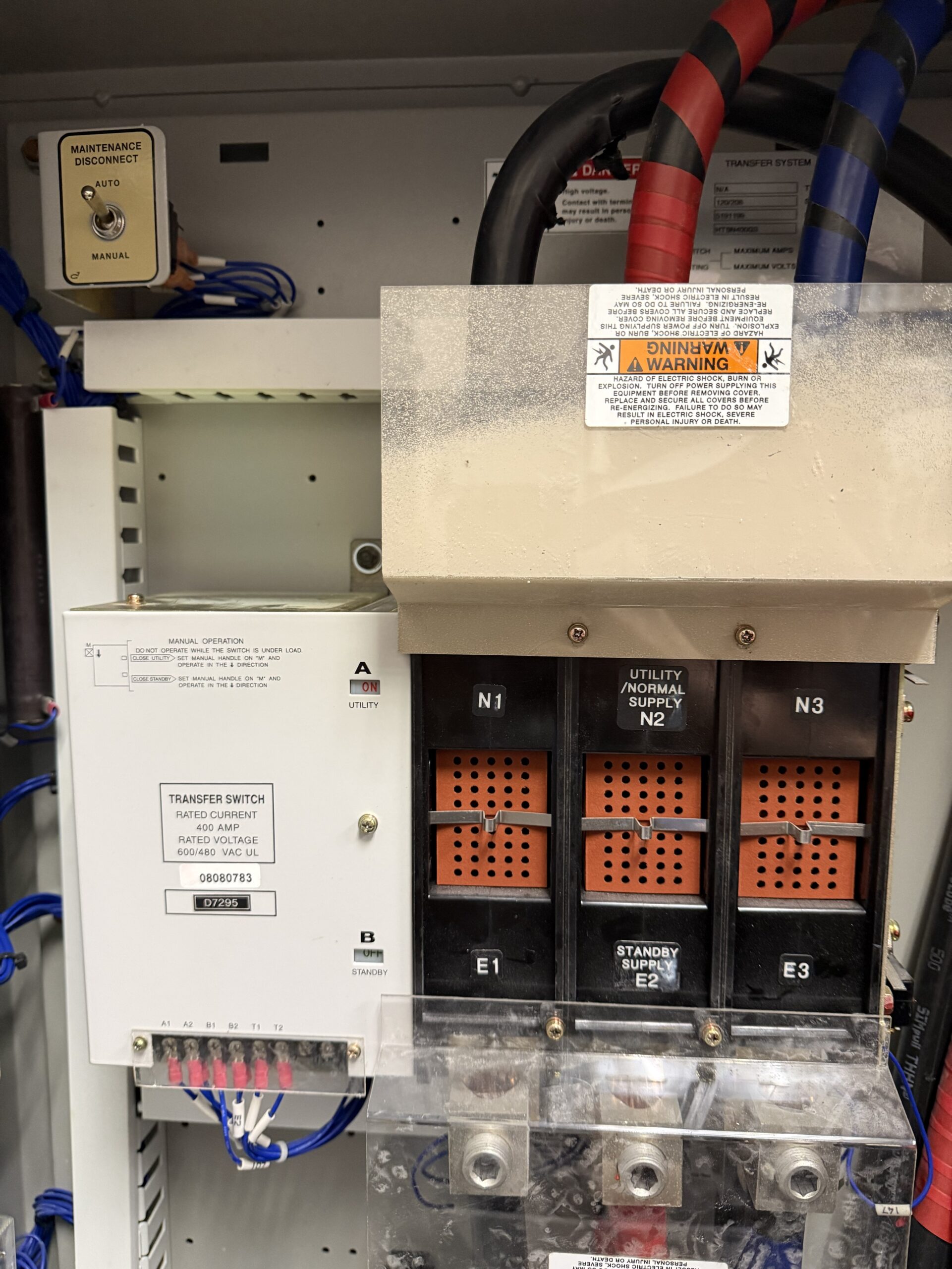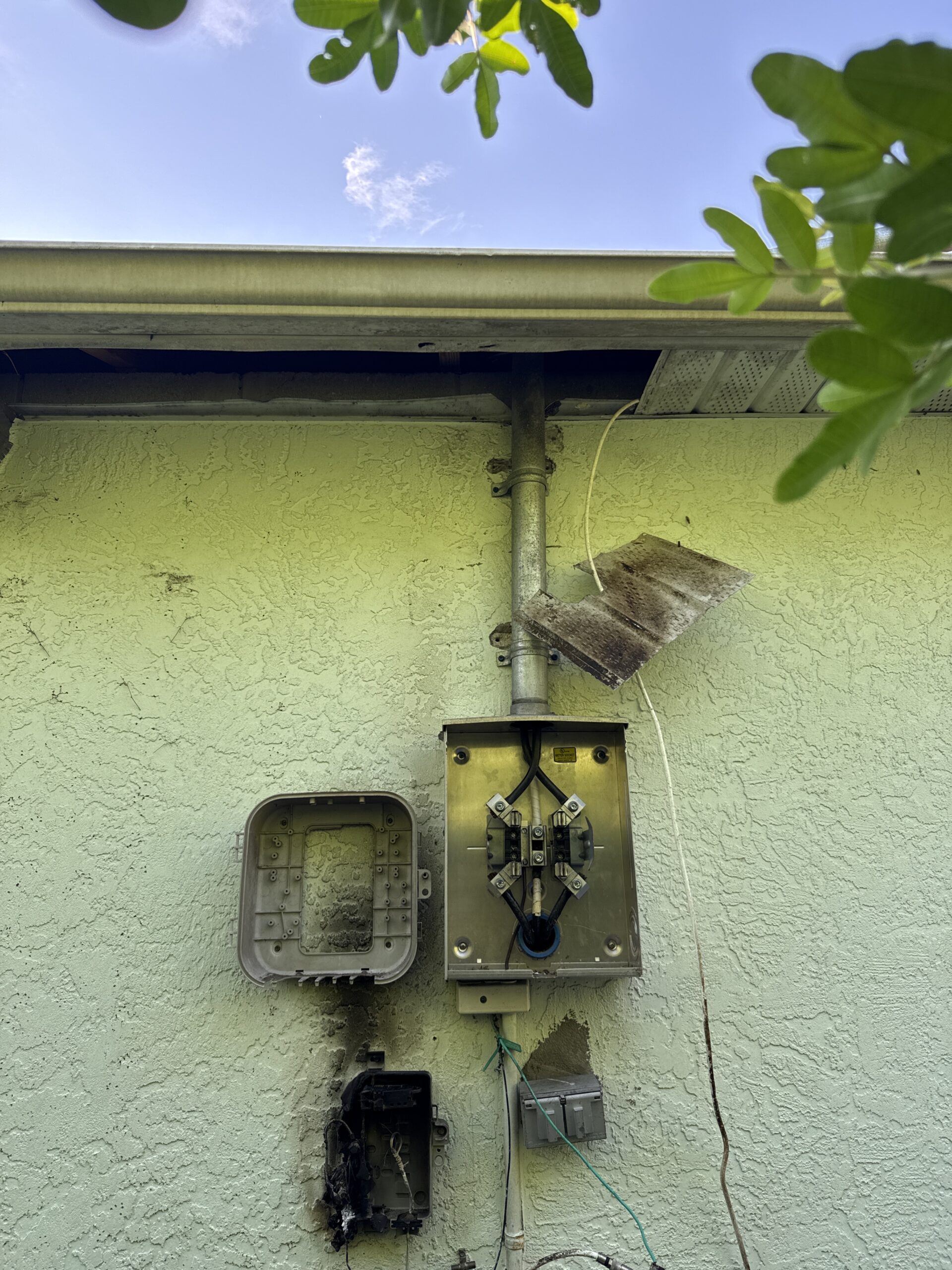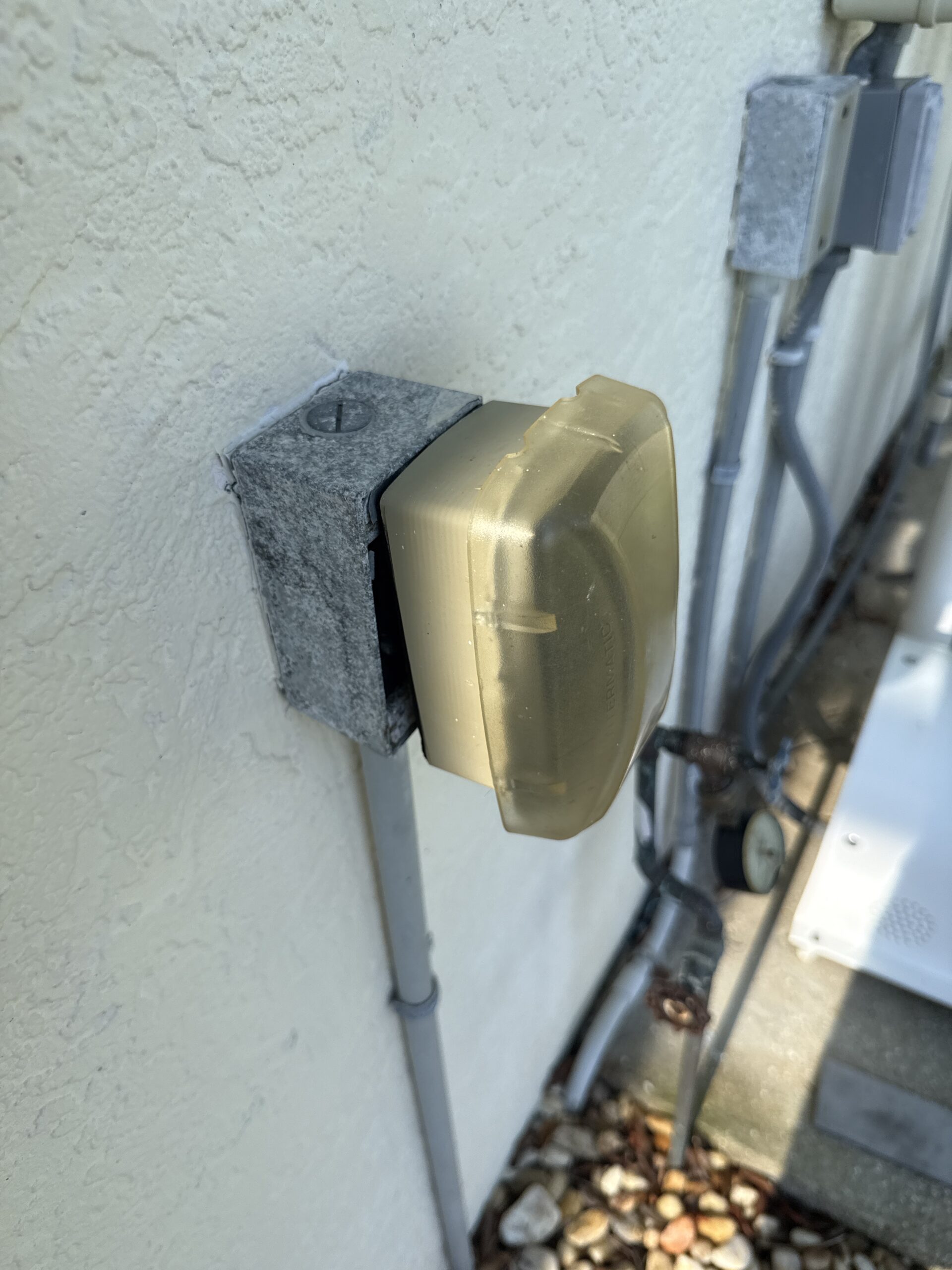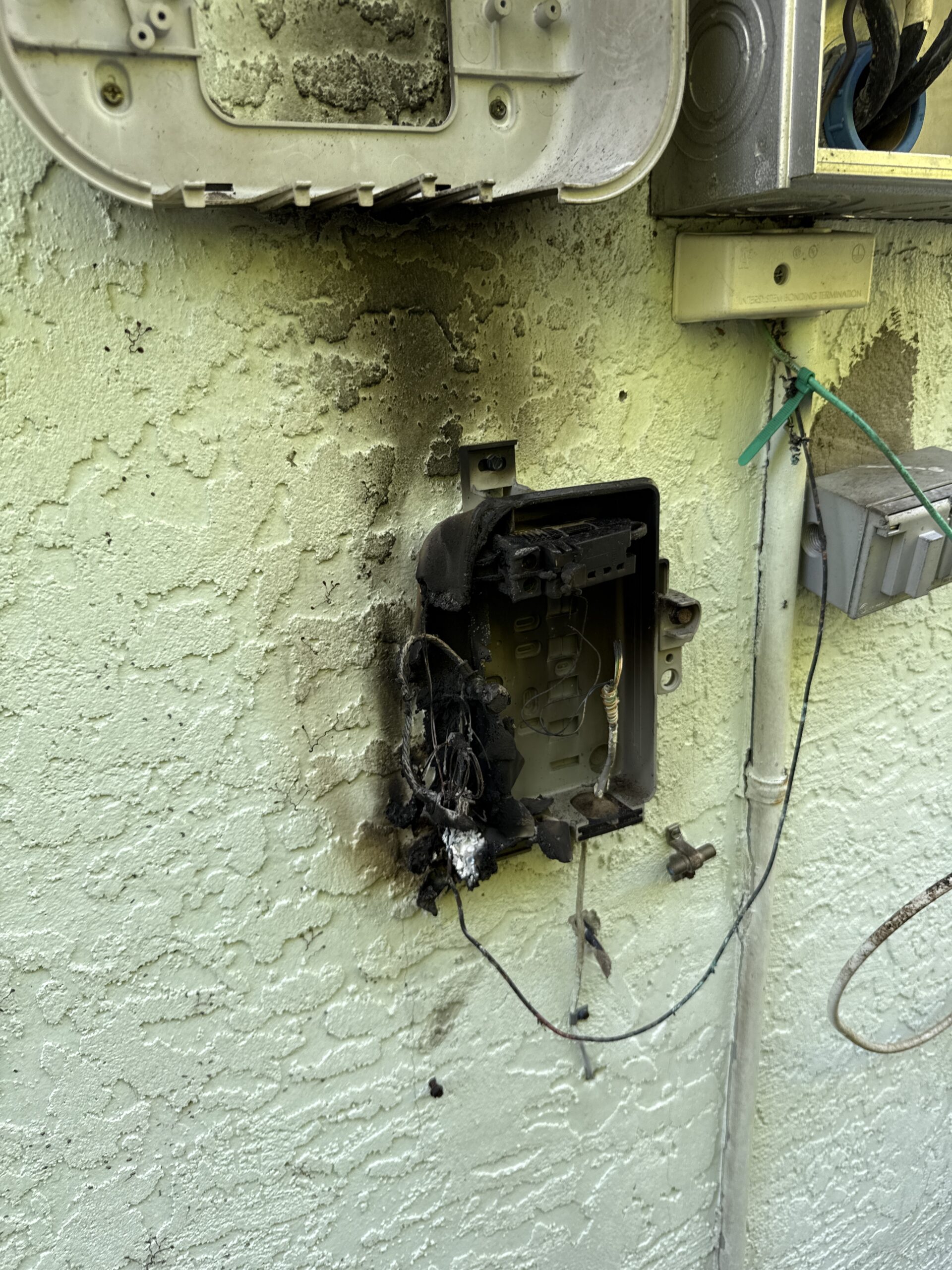


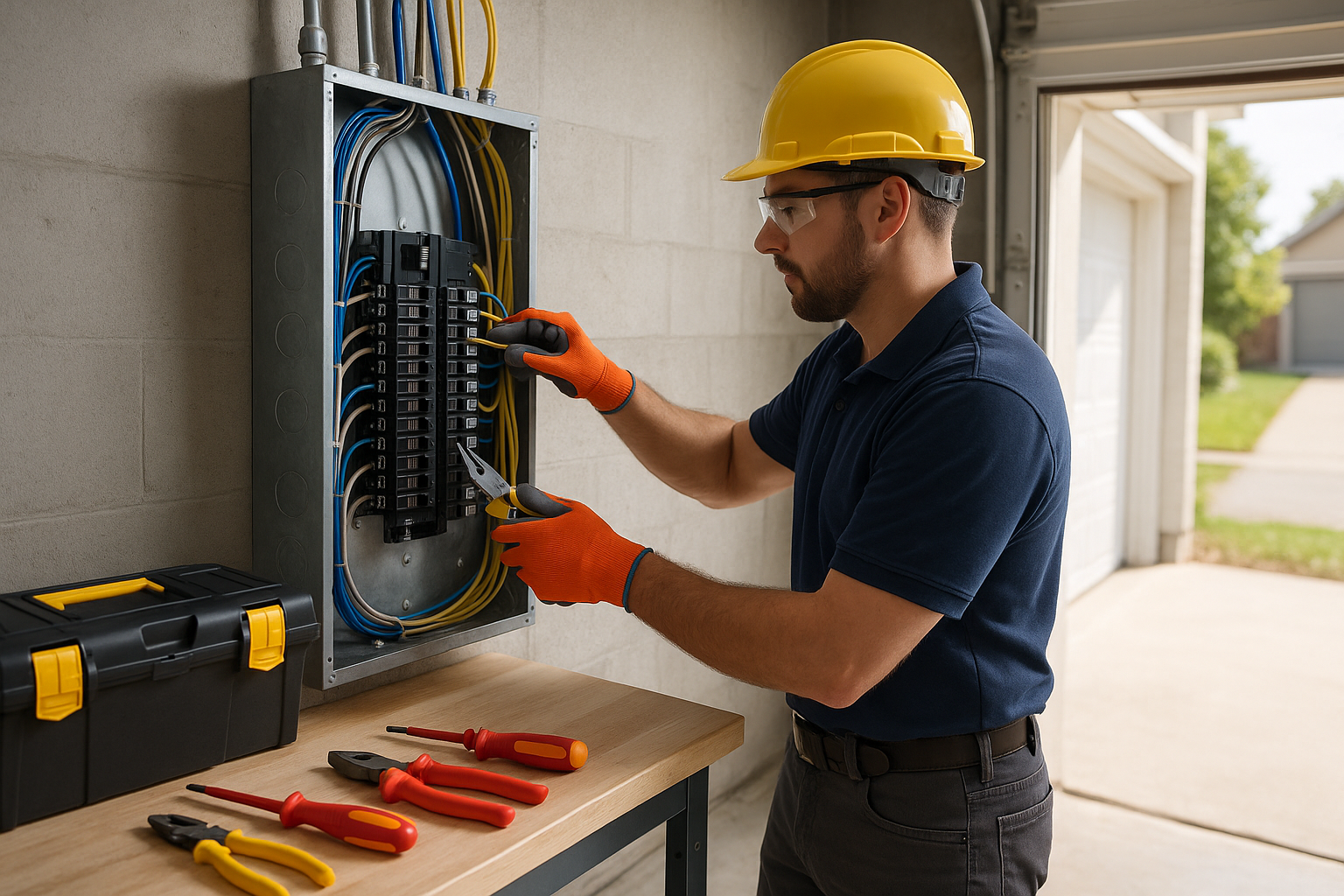
Breaker box replacement is one of the most important electrical upgrades a homeowner can make to protect their family and property. If your home was built more than 30 years ago, still has a fuse box, or frequently trips breakers when you run multiple appliances, your electrical panel may no longer meet your household’s power demands. At Caliber Electric, we’ve helped hundreds of families across Port Charlotte, North Port, Punta Gorda, Venice, Englewood, and Sarasota upgrade outdated electrical panels to safer, more reliable systems that support modern living.
Quick Answer: Breaker box replacement involves removing an outdated or undersized electrical panel and installing a new one that meets current safety codes and power requirements. Most residential replacements take 4 to 8 hours and cost between $1,500 and $4,000 depending on amperage, panel location, and whether additional circuit upgrades are needed. Homes built before 1990 or with Federal Pacific or Zinsco panels should be evaluated immediately for replacement.
What Is Breaker Box Replacement and Why Does It Matter?
Breaker box replacement is the process of removing your home’s main electrical service panel and installing a new panel with updated safety features and adequate amperage capacity. The electrical service panel, also called a breaker box or load center, is the central distribution point where electricity enters your home and divides into individual circuits that power lights, outlets, and appliances. A breaker is a safety switch that automatically shuts off power to a circuit when it detects dangerous electrical overload or short circuits.
Older homes in Southwest Florida were typically built with 60-amp or 100-amp service panels designed for far fewer electrical demands than modern households require. Today’s homes routinely operate air conditioning systems, heat pumps, electric vehicle chargers, pool equipment, smart home devices, multiple computers, and large kitchen appliances simultaneously. Moreover, outdated panels lack modern safety features like arc-fault circuit interrupters (AFCI) and ground-fault circuit interrupters (GFCI) that prevent electrical fires and electrocution.
Furthermore, certain panel brands manufactured between the 1950s and 1990s have documented safety defects. Federal Pacific Electric (FPE) panels and Zinsco panels are known to fail at preventing electrical fires because their breakers may not trip during dangerous overload conditions. In fact, the Consumer Product Safety Commission has investigated these panels for fire hazards, and insurance companies in Florida increasingly refuse to cover homes with these brands installed.
Upgrading your breaker box ensures your home’s electrical system can safely handle modern power demands while protecting your family from fire hazards. Additionally, a modern electrical panel is often required when adding new circuits for renovations, EV chargers, or backup generators.
How Do You Know When You Need Breaker Box Replacement?
Recognizing the warning signs that your electrical panel needs replacement can prevent dangerous situations and costly emergency repairs. Here are the most common indicators that homeowners in Port Charlotte, Sarasota, and surrounding areas should watch for.
1. Your Home Has a Fuse Box Instead of Circuit Breakers
Fuse boxes were standard in homes built before the 1960s and use screw-in fuses that must be manually replaced after they blow. A fuse is a one-time safety device containing a metal strip that melts when excessive current flows through it, cutting power to prevent fires. While functional, fuse boxes cannot meet the electrical demands of modern appliances and lack the safety features required by current electrical codes. If you’re still replacing blown fuses regularly, it’s time to upgrade to a modern circuit breaker panel.
2. Breakers Trip Frequently When Running Normal Appliances
Frequent breaker trips indicate your electrical panel is undersized for your household’s power consumption. Circuit overload occurs when the total amperage drawn by devices on a single circuit exceeds the breaker’s rated capacity, forcing it to shut off power as a safety measure. Occasional trips are normal, but if you can’t run your microwave and coffee maker simultaneously, or your air conditioner trips the breaker on hot days, your panel is telling you it needs an upgrade.
3. You Notice Burn Marks, Scorching, or Melted Components
Any visible signs of heat damage on your electrical panel require immediate professional attention. Scorching, discolored breakers, melted plastic components, or a burning smell near the panel indicate dangerous arcing or overheating that can cause electrical fires. These symptoms often appear in defective Federal Pacific or Zinsco panels but can occur in any aging system with loose connections or corroded components. Never ignore these warning signs; they represent an emergency situation requiring breaker box replacement as soon as possible.
4. Your Panel Is Over 25 Years Old
Electrical panels have a typical lifespan of 25 to 40 years, depending on quality, usage, and environmental conditions. However, even if your panel appears to function correctly, age brings inevitable deterioration of connections, bus bars, and breaker mechanisms. Corrosion from Florida’s humid climate accelerates this aging process, particularly in coastal communities like Englewood and Venice. Proactive replacement before failure occurs prevents inconvenient outages and reduces fire risk.
5. Your Home Still Uses 60-Amp or 100-Amp Service
Modern homes require at least 200-amp service to safely power today’s electrical loads. A 60-amp panel might have been adequate when homes had minimal electrical demands, but today’s households with central air conditioning, electric water heaters, and multiple electronic devices need substantially more capacity. If you’re planning any major renovations, adding a pool, installing an EV charger, or upgrading to a heat pump system, you’ll need to upgrade your electrical service and panel first.
6. Breakers Won’t Reset or Feel Loose
Breakers that won’t stay in the “on” position or feel loose and wobbly indicate worn internal mechanisms or poor bus bar connections. A properly functioning breaker should click firmly into place and hold securely. Loose breakers create dangerous arcing conditions and unreliable power delivery. This mechanical failure is common in older panels and cannot be fixed by simply replacing individual breakers; the entire panel needs replacement.
7. You See Rust or Corrosion Inside the Panel
Moisture intrusion causes corrosion that compromises electrical connections and safety. Rust on the panel enclosure, breakers, or bus bars indicates water has entered the system, possibly from roof leaks, condensation, or exterior wall penetration. Corroded electrical connections create high-resistance points that generate excessive heat and can lead to fires. Once corrosion has occurred, the panel’s integrity is permanently compromised, and replacement is the only safe solution.
What Does the Breaker Box Replacement Process Involve?
Understanding what happens during breaker box replacement helps homeowners prepare and sets realistic expectations. As a family-owned electrical contractor serving Southwest Florida for over 20 years, Caliber Electric follows a thorough process to ensure safe, code-compliant installations.
Initial Safety Inspection and Assessment
The process begins with a comprehensive evaluation of your existing electrical system. A licensed electrician examines your current panel, measures your home’s total electrical load, checks for code violations, and identifies any wiring issues that need correction. This assessment determines the appropriate panel size, typically 200 amps for most residential applications, and identifies whether your main service entrance equipment also requires upgrading. The inspection also checks for aluminum wiring, outdated grounding systems, and other safety concerns common in older Florida homes.
Obtaining Necessary Permits and Utility Coordination
All breaker box replacement projects require electrical permits from your local building department. Permit requirements ensure work meets the National Electrical Code (NEC) and local amendments specific to Florida’s climate and construction standards. Your electrician handles permit applications, submits plans for review, and schedules required inspections. Additionally, the utility company must be contacted to temporarily disconnect power at the meter before work begins and reconnect it after inspection approval.
Disconnecting Power and Removing the Old Panel
On installation day, the utility company disconnects power at the meter, making the home temporarily without electricity. The electrician then removes the old panel, carefully documenting existing circuit configurations for proper reconnection. Old panels are disposed of according to local regulations, and special care is taken with panels containing hazardous materials. This phase typically takes 1 to 2 hours depending on the complexity of the existing installation.
Installing the New Panel and Upgrading Circuits
The new electrical panel is mounted securely to the wall in a code-compliant location with proper clearances. Modern panels include a main breaker, individual circuit breakers, organized bus bars for neutral and ground connections, and spaces for future circuit additions. Each circuit is reconnected to the appropriate breaker, with proper wire sizing verified for safety. AFCI and GFCI breakers are installed on circuits requiring these protections under current code, including bedrooms, bathrooms, kitchens, and outdoor outlets. The electrician also ensures proper grounding and bonding throughout the system.
Testing, Inspection, and Final Approval
Before power restoration, the electrician performs thorough testing of all circuits, verifies proper voltage, checks for ground faults, and ensures all breakers function correctly. The local building inspector then examines the installation to confirm code compliance. Once approved, the utility company reconnects power, and the electrician performs final operational checks. The entire process typically takes 4 to 8 hours for straightforward replacements, though complex upgrades requiring service entrance modifications may take longer. Therefore, planning for a full day without power is advisable.
How Much Does Breaker Box Replacement Cost in Southwest Florida?
Understanding the investment required for breaker box replacement helps homeowners budget appropriately and recognize the value of professional installation. Costs vary based on several factors specific to your home and electrical needs.
Typical Cost Ranges for Panel Replacement
Most residential breaker box replacement projects in Port Charlotte, North Port, Punta Gorda, Venice, Englewood, and Sarasota range from $1,500 to $4,000. A basic 200-amp panel replacement with straightforward circuit reconnection typically costs $1,500 to $2,200. Mid-range projects involving additional circuit upgrades, AFCI/GFCI breaker additions, or minor wiring corrections run $2,200 to $3,200. Complex projects requiring service entrance upgrades, meter base replacement, or extensive circuit rewiring can reach $3,200 to $4,000 or more.
Factors That Affect Replacement Costs
Several variables influence the final cost of your project. Panel amperage is a primary factor; upgrading from 100-amp to 200-amp service costs more than a simple panel swap at the same amperage. Panel location also matters; easily accessible garage installations cost less than panels in tight crawl spaces or finished interior walls. The number of circuits affects labor time, with larger homes requiring more circuit connections. Material costs include the panel itself, new breakers (standard breakers cost $10 to $30 each, while AFCI breakers run $40 to $60), grounding upgrades, and any required service entrance components.
Additional Costs and Considerations
Beyond the panel itself, consider related expenses that may apply to your situation. Permit fees typically range from $75 to $200 depending on your municipality. Service entrance upgrades, including new meter bases and weatherheads, add $500 to $1,500. Trenching for underground service or mast replacement for overhead service increases costs. If your electrical inspection reveals code violations elsewhere in your home, such as improper grounding or outdated wiring methods, addressing these issues adds to the total investment but significantly improves safety.
Why Professional Installation Provides Long-Term Value
While breaker box replacement represents a significant investment, professional installation by a licensed, experienced electrician provides immense value. Moreover, proper installation prevents electrical fires that could destroy your home and endanger your family. Insurance companies recognize this value; many offer discounts for homes with updated electrical systems and may refuse coverage for homes with known defective panels. Furthermore, a modern electrical panel increases your home’s resale value and eliminates concerns during home inspections. DIY panel replacement is illegal without proper licensing and creates serious liability issues, so the professional installation cost represents essential protection for your largest investment.
How to Choose the Right Electrician for Breaker Box Replacement
Selecting a qualified electrical contractor ensures your breaker box replacement is completed safely, correctly, and in compliance with all applicable codes. As a family-owned company with over 20 years of experience in Southwest Florida, we understand what homeowners should look for when making this important decision. For additional guidance, read our complete guide to choosing electrical services.
Verify Proper Licensing and Insurance
Always confirm your electrician holds a valid Florida electrical contractor license issued by the Department of Business and Professional Regulation. Licensed electricians have completed required training, passed comprehensive examinations, and maintain continuing education to stay current with code changes. Additionally, verify the company carries both liability insurance and workers’ compensation coverage to protect you from financial liability if accidents occur on your property.
Look for Experience with Panel Replacements
Breaker box replacement requires specialized knowledge beyond basic electrical work. Consequently, choose an electrician with extensive experience specifically in panel replacements, not just general electrical repairs. Ask how many panel replacements they complete annually and whether they’re familiar with common issues in Florida homes, such as aluminum wiring connections, outdoor panel weatherproofing, and coastal corrosion challenges.
Check References and Read Reviews
Request references from recent customers who had similar work completed, then actually contact them to ask about their experience. Online reviews on Google, Facebook, and the Better Business Bureau provide additional insight into a company’s reliability, professionalism, and customer service. Look for consistent positive feedback about communication, cleanliness, punctuality, and quality of work.
Get Detailed Written Estimates
Obtain written estimates from at least three licensed contractors before making your decision. A comprehensive estimate should itemize labor, materials, permit fees, and any additional work required. Be wary of unusually low bids, which often indicate inexperienced contractors, substandard materials, or hidden costs that appear later. The lowest price rarely delivers the best value when safety and code compliance are at stake.
Ask About Warranty and Follow-Up Service
Reputable electrical contractors stand behind their work with warranties covering both labor and materials. Ask what warranty is provided and what it specifically covers. Additionally, inquire about the company’s availability for follow-up service if you have questions or concerns after installation. Local, established companies like Caliber Electric remain available for ongoing support, while fly-by-night contractors may disappear after collecting payment.
Common Breaker Box Replacement Mistakes to Avoid
Understanding common pitfalls helps homeowners make informed decisions and avoid problems that compromise safety or create unnecessary expenses.
Choosing an Unlicensed “Handyman” to Save Money
Electrical panel replacement is not a job for unlicensed handymen or general contractors without proper electrical credentials. Unlicensed work violates Florida law, voids your homeowner’s insurance, and creates serious liability if fires or injuries occur. Furthermore, unpermitted work discovered during future home sales must be corrected at your expense before closing can proceed. The money saved by hiring an unlicensed worker evaporates quickly when problems arise.
Installing an Undersized Panel to Reduce Costs
Some homeowners attempt to minimize expenses by installing a smaller panel than their home actually needs. However, an undersized panel simply delays the inevitable need for another upgrade, essentially paying twice for the same improvement. Modern 200-amp panels provide adequate capacity for current needs plus room for future additions like EV chargers, solar systems, or home additions. The incremental cost difference between a 100-amp and 200-amp panel is minimal compared to the long-term flexibility gained.
Ignoring Related Electrical Issues
Breaker box replacement provides an ideal opportunity to address other electrical safety concerns in your home. Ignoring aluminum wiring connections, missing GFCI protection, improper grounding, or outdated wiring methods wastes the chance to comprehensively improve your system’s safety. A thorough electrician identifies these issues during the initial assessment and recommends addressing them during panel replacement when access is already available.
Failing to Plan for Power Outage Duration
Many homeowners underestimate how long they’ll be without power during breaker box replacement. Inadequate planning creates frustration and discomfort, particularly during Florida’s hot summer months. Plan ahead by arranging alternative accommodations if needed, preserving food in coolers, and scheduling the work during mild weather when possible. Additionally, inform family members about the timeline so everyone can prepare accordingly.
Frequently Asked Questions About Breaker Box Replacement
What is a breaker box and what does it do?
A breaker box, also called an electrical panel or service panel, is the metal enclosure that houses circuit breakers and distributes electricity throughout your home. Circuit breakers are safety switches that automatically shut off power to individual circuits when they detect dangerous overloads or short circuits, preventing electrical fires and equipment damage. The panel receives electricity from the utility company and divides it into separate circuits that power different areas and appliances in your home.
How long does breaker box replacement take?
Most residential breaker box replacements take 4 to 8 hours to complete from start to finish, including utility disconnection and reconnection. Simple panel swaps at the same amperage typically finish in 4 to 6 hours, while projects requiring service entrance upgrades or extensive circuit modifications may take a full 8-hour day. Homeowners in Port Charlotte, Punta Gorda, and surrounding areas should plan for their home to be without power for the entire day to allow adequate time for the electrician to work safely and thoroughly.
How much does breaker box replacement cost in Florida?
Breaker box replacement costs in Port Charlotte, North Port, Punta Gorda, Venice, Englewood, and Sarasota typically range from $1,500 to $4,000 depending on panel size, circuit complexity, and whether service entrance upgrades are needed. A standard 200-amp panel replacement with straightforward circuit reconnections costs $1,500 to $2,200, while complex projects involving service upgrades or extensive rewiring can reach $3,200 to $4,000 or more.
Can I replace my own breaker box to save money?
Breaker box replacement must be performed by a licensed electrical contractor in Florida; DIY panel replacement is illegal and extremely dangerous. Working inside electrical panels exposes you to potentially lethal voltage even when the main breaker is off, as the line-side connections from the utility remain energized. Additionally, improper installation creates serious fire hazards, voids your homeowner’s insurance, and violates building codes that will be discovered during future home sales or inspections.
Why do old Federal Pacific and Zinsco panels need replacement?
Federal Pacific Electric (FPE) and Zinsco electrical panels manufactured between the 1950s and 1990s have documented safety defects where breakers fail to trip during dangerous overload conditions. These defective breakers allow circuits to overheat and potentially cause electrical fires instead of shutting off power as designed. Many insurance companies in Florida now refuse to provide coverage for homes with these panels installed, and replacement is strongly recommended regardless of the panel’s apparent functionality.
How do I know if my electrical panel is big enough?
Your electrical panel is undersized if breakers trip frequently when running normal appliances, you cannot add new circuits because the panel is full, or your home has 60-amp or 100-amp service when modern standards call for 200 amps. Additionally, if you’re planning to add an electric vehicle charger, backup generator, pool equipment, or major appliances, your existing panel may lack adequate capacity and require upgrading to safely handle the increased electrical load.
What permits are required for breaker box replacement?
All breaker box replacement projects require electrical permits issued by your local building department in Port Charlotte, North Port, Punta Gorda, Venice, Englewood, or Sarasota. Licensed electrical contractors handle permit applications, submit installation plans for review, and schedule required inspections to verify code compliance. Working without proper permits is illegal, creates liability issues with your homeowner’s insurance, and must be corrected before you can sell your home.
Will my homeowner’s insurance cover breaker box replacement?
Standard homeowner’s insurance policies typically do not cover breaker box replacement as preventive maintenance or upgrades, though coverage may apply if the panel was damaged by a covered peril like lightning strike or hurricane. However, insurance companies increasingly require panel upgrades for homes with Federal Pacific or Zinsco panels as a condition of maintaining coverage. Some insurers offer premium discounts for homes with recently upgraded electrical systems, potentially offsetting replacement costs over time.
How long do electrical panels last before replacement?
Electrical panels typically last 25 to 40 years depending on quality, environmental conditions, and usage patterns. Florida’s humid coastal climate can accelerate deterioration through corrosion, particularly in communities like Venice and Englewood near the Gulf Coast. Even if your panel appears functional, age brings inevitable wear that increases fire risk and decreases reliability, making proactive replacement advisable after 25 years regardless of apparent condition.
Should I upgrade to 200-amp service when replacing my panel?
Upgrading to 200-amp service during breaker box replacement is highly recommended for most homes, even if your current electrical load doesn’t require it yet. Modern households continuously add electrical demands through EV chargers, solar systems, smart home technology, and larger appliances, making 200-amp service the minimum for adequate capacity and future flexibility. The incremental cost difference between 100-amp and 200-amp service is relatively small during initial installation but becomes much larger if you need to upgrade again later.
Trust Caliber Electric for Professional Breaker Box Replacement
When your home needs breaker box replacement, choosing the right electrical contractor makes all the difference in safety, reliability, and long-term value. For over 20 years, Caliber Electric has served families throughout Port Charlotte, North Port, Punta Gorda, Venice, Englewood, and Sarasota with honest, professional electrical services backed by full licensing and insurance. As a family-owned company, we understand that your home’s electrical system protects your most valuable investment and the people you love most.
Our experienced electricians specialize in residential and commercial panel replacements, ensuring your installation meets all current safety codes while providing adequate capacity for modern living. We handle every aspect of your project, from permit applications and utility coordination to final inspection approval, making the process seamless and stress-free. Whether you’re dealing with an outdated fuse box, a defective Federal Pacific panel, or simply need more capacity for today’s electrical demands, we provide honest assessments and fair pricing without hidden charges or unnecessary upsells.
Don’t wait until an electrical emergency forces a rushed decision. Contact Caliber Electric today for a comprehensive electrical panel evaluation and detailed written estimate. Our friendly team is ready to answer your questions, explain your options, and schedule your breaker box replacement at your convenience. Call us now or visit our website to schedule your free consultation and experience the peace of mind that comes from working with Southwest Florida’s trusted electrical experts.