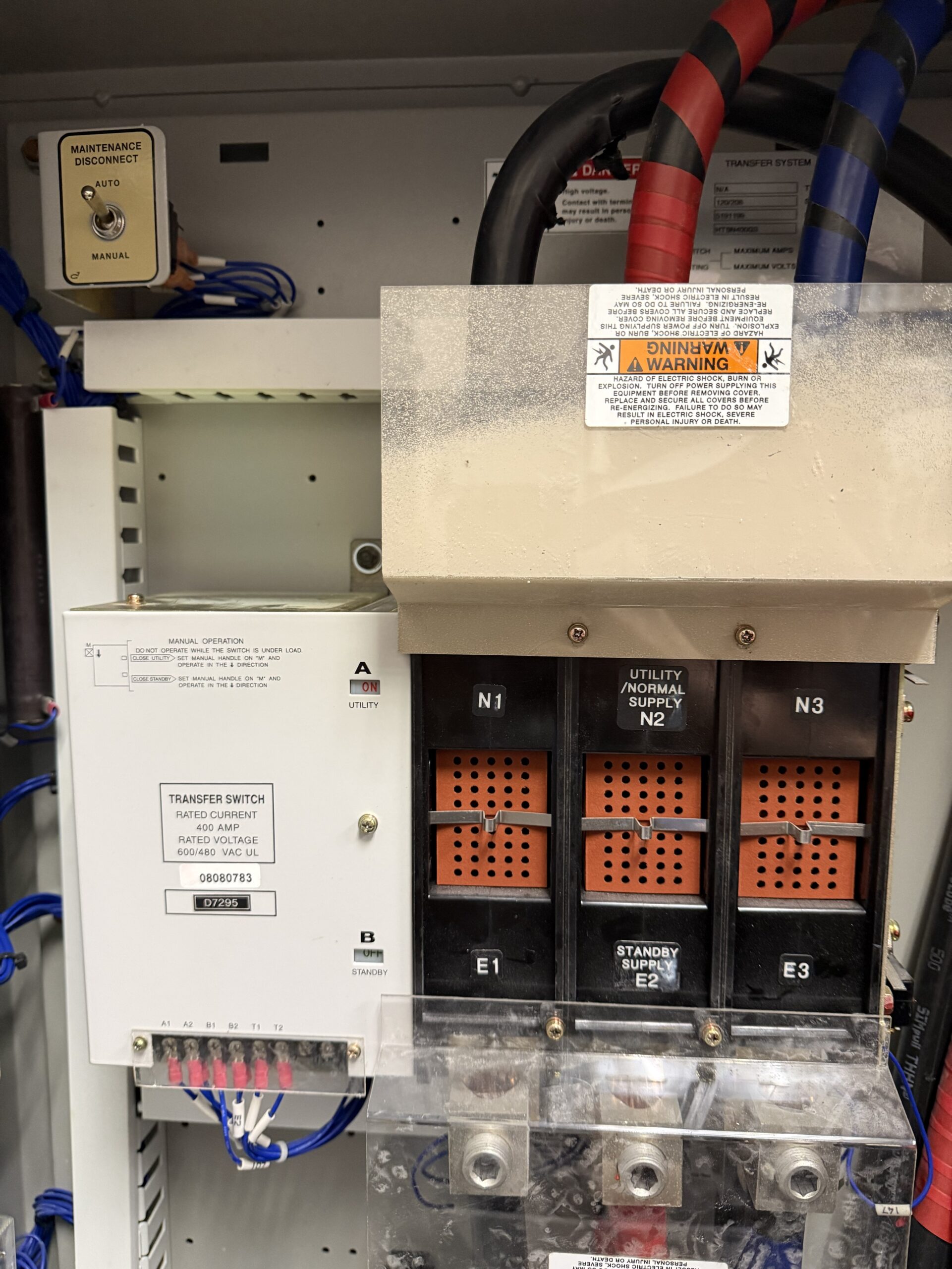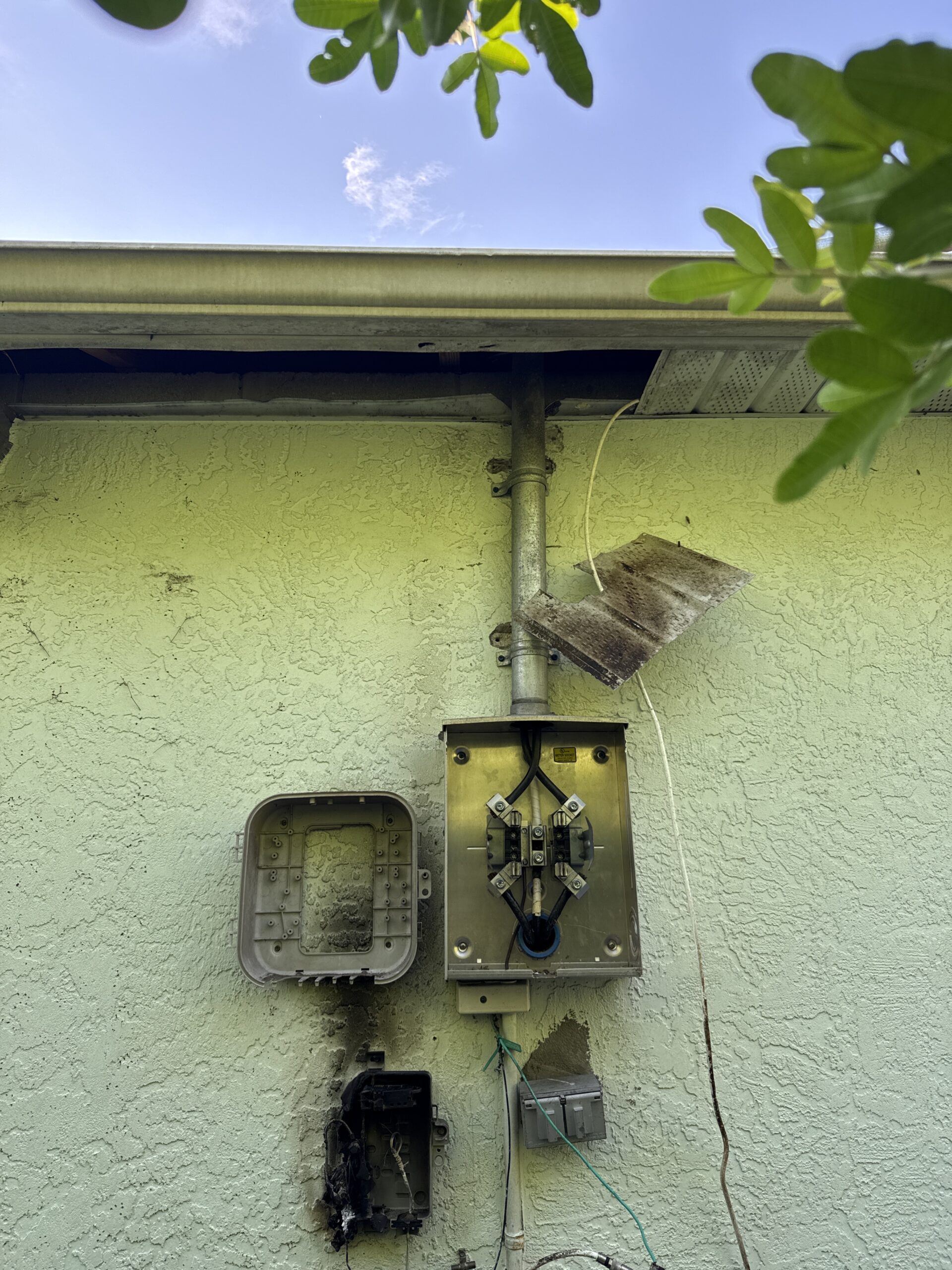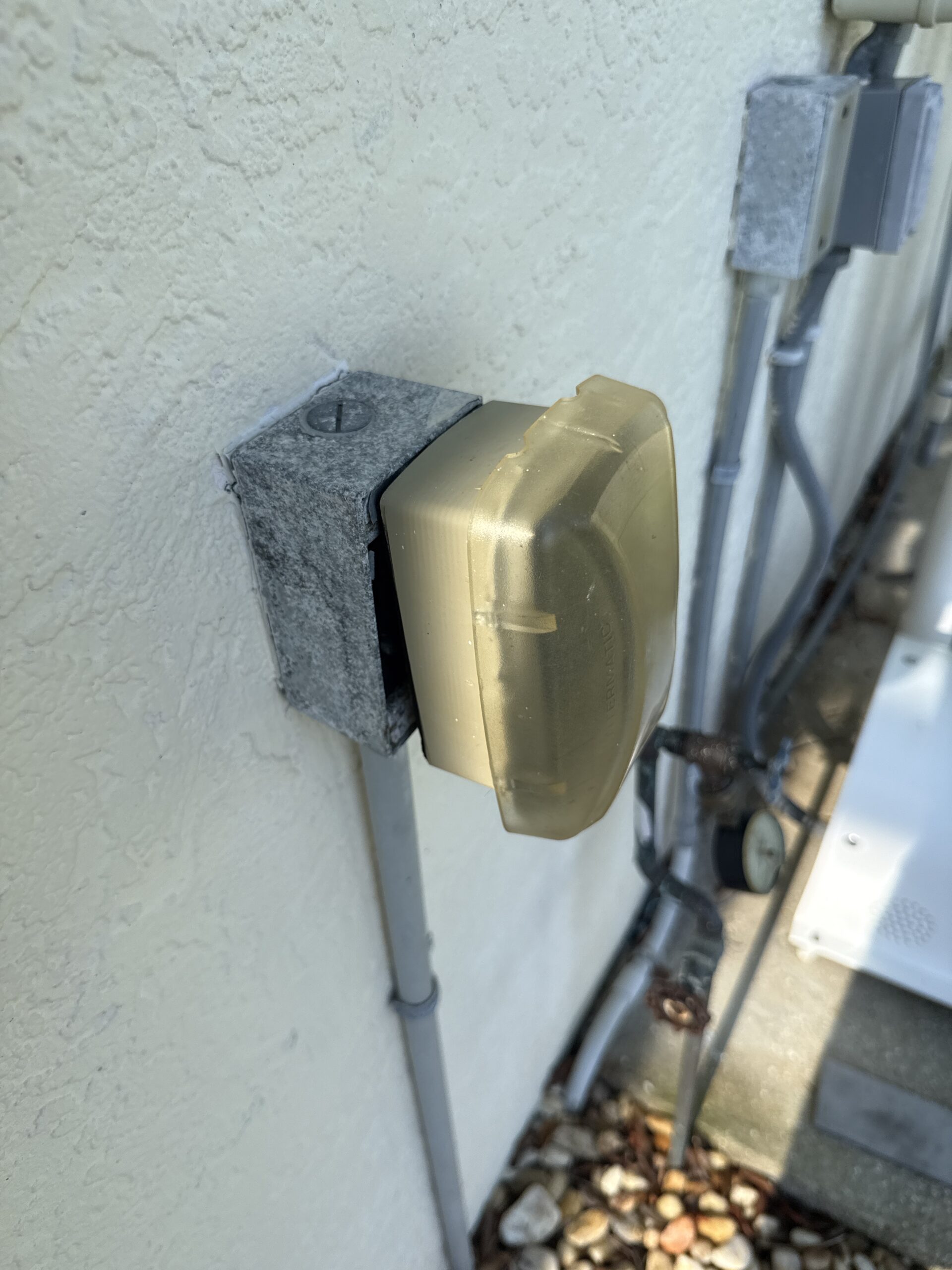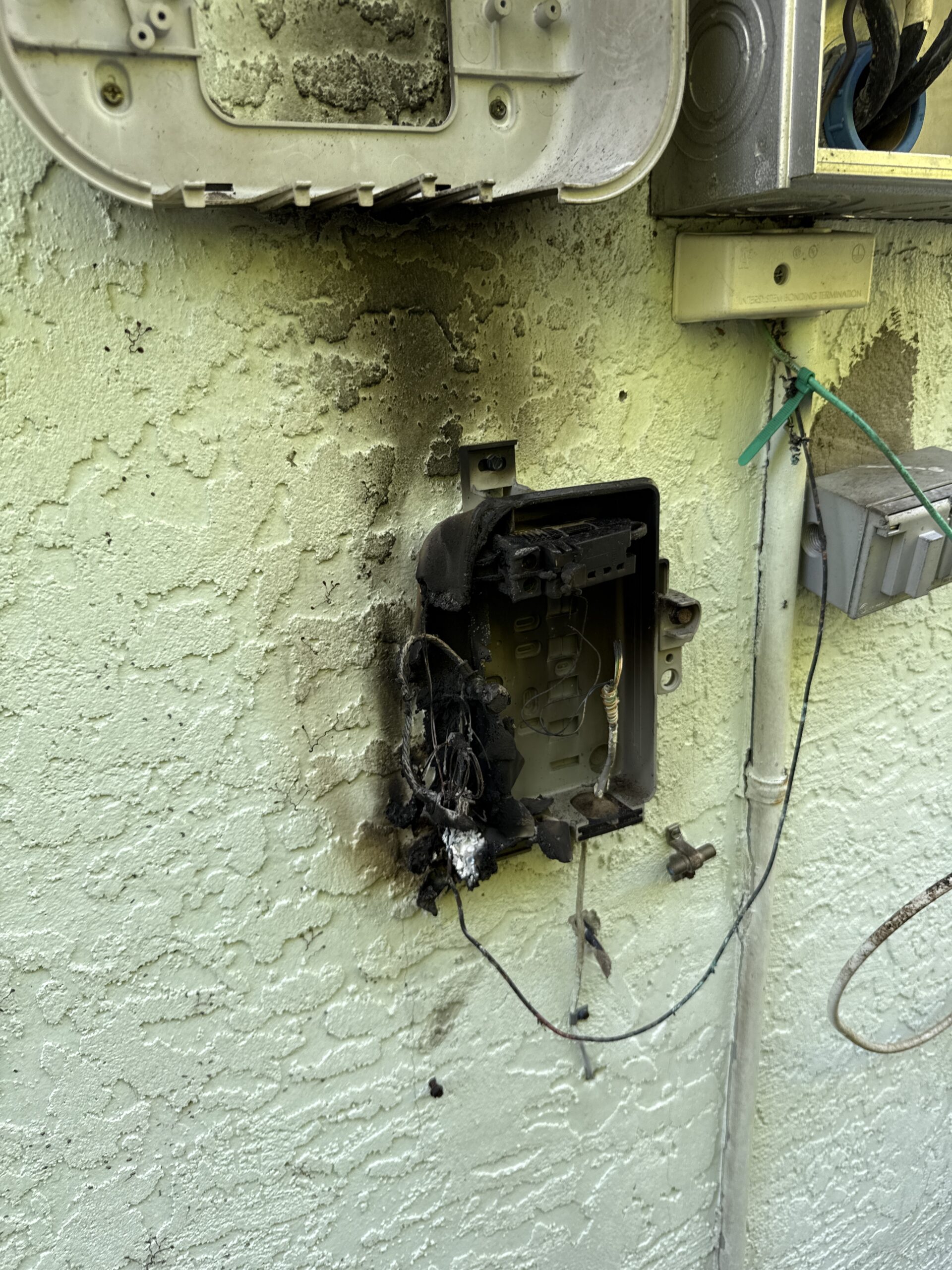


A breaker panel upgrade Florida homeowners invest in can transform an outdated electrical system into a safe, modern power distribution center capable of handling today’s energy demands. Whether you’re adding an EV charger, installing a backup generator, or simply experiencing frequent circuit breaker trips, upgrading your electrical panel is often the most effective solution. For more than two decades, our family-owned team at Caliber Electric has helped thousands of homeowners across Port Charlotte, North Port, Punta Gorda, Venice, Englewood, and Sarasota navigate this essential home improvement project.
Quick Answer: A breaker panel upgrade Florida installation involves replacing your home’s main electrical distribution panel with a higher-capacity system that meets current National Electrical Code standards. Most Florida homes built before 2000 benefit from upgrading from 100-amp to 200-amp service to accommodate modern appliances, HVAC systems, EV chargers, and smart home technology. The process typically requires permits, utility coordination, and takes one to two days to complete.
What Is a Breaker Panel Upgrade and Why Florida Homes Need It?
A breaker panel upgrade involves replacing your home’s existing electrical service panel with a modern, higher-capacity system. The breaker panel, also known as the electrical panel or load center, serves as the central distribution point for electricity throughout your home. It houses the main disconnect switch and individual circuit breakers that protect your home’s electrical circuits from overloads and short circuits.
Florida homes face unique electrical challenges that make panel upgrades particularly important. First, our year-round air conditioning demands place continuous strain on electrical systems. Second, frequent lightning strikes and storm activity require robust surge protection capabilities that older panels simply cannot provide. Third, many coastal homes in our service areas were built during the 1960s through 1990s when electrical demands were significantly lower than today’s requirements.
Modern homes require substantially more electrical capacity than previous generations. According to the National Fire Protection Association, homes built before 1990 typically had 60 to 100-amp service, which was adequate when households had fewer appliances and no computers, electric vehicles, or smart home systems. Today’s typical home needs 200-amp service to safely power multiple air conditioning units, kitchen appliances, home offices, EV chargers, pool equipment, and entertainment systems.
Furthermore, insurance companies increasingly require electrical panel upgrades for older homes. Many insurers in Florida now mandate panel replacements for homes with Federal Pacific, Zinsco, or other panels known for safety issues. Therefore, upgrading your breaker panel not only improves safety and functionality but also protects your insurability and home value.
Top 7 Signs Your Florida Home Needs a Breaker Panel Upgrade
1. Your Home Has a 60 or 100-Amp Service Panel
If your electrical panel is rated for only 60 or 100 amps, it’s almost certainly inadequate for modern living. This is especially true in Florida, where air conditioning alone can consume 30-40 amps during peak operation. When you add pool pumps, electric water heaters, kitchen appliances, and charging devices, you quickly exceed the panel’s capacity.
Older panels cannot safely support the electrical load of contemporary homes. Consequently, homeowners experience frequent circuit breaker trips, dimming lights, and potential fire hazards. Upgrading to a 200-amp panel provides the headroom necessary for current needs and future additions.
2. You’re Adding an EV Charger or Major Appliance
Installing a Level 2 EV charger typically requires a dedicated 40 to 50-amp circuit. Similarly, backup generators, hot tubs, and high-efficiency HVAC systems demand dedicated high-amperage circuits. If your current panel lacks available space or capacity, a breaker panel upgrade Florida electricians recommend becomes essential before these installations can proceed.
Moreover, attempting to add these loads to an already-taxed electrical system creates serious safety risks. Overloaded circuits generate excessive heat, which degrades wire insulation and increases fire risk. Professional electricians always assess panel capacity before major electrical additions.
3. Circuit Breakers Trip Frequently
Occasional breaker trips are normal when a circuit experiences a temporary overload. However, if you’re resetting breakers weekly or even monthly, your electrical system is telling you it’s overwhelmed. Frequent trips indicate that circuits are operating at or beyond their design limits.
In addition, repeated tripping can damage circuit breakers, reducing their ability to protect your home. Breakers that trip frequently may eventually fail to trip when needed, creating a dangerous situation. If you notice this pattern, it’s time to consult with a licensed electrician about upgrading your panel.
4. Your Home Has a Federal Pacific or Zinsco Panel
Federal Pacific Electric (FPE) and Zinsco panels are known for serious safety defects. Research has shown that FPE breakers frequently fail to trip during overload conditions, while Zinsco panels suffer from bus bar deterioration and connection failures. Both brands are no longer manufactured, yet thousands remain in Florida homes.
Insurance companies often refuse to cover homes with these panels, or they charge significantly higher premiums. Furthermore, many Florida home inspectors flag these panels as immediate safety hazards. Replacing them with modern, code-compliant panels should be a top priority for homeowner safety.
5. You Notice Burning Smells or Discolored Outlets
Any burning odor near your electrical panel, outlets, or switches indicates dangerous overheating. Similarly, discolored or warm outlet covers signal excessive heat buildup within the electrical system. These warning signs should never be ignored, as they often precede electrical fires.
Older panels with aluminum wiring connections are particularly prone to these issues. Aluminum expands and contracts more than copper with temperature changes, creating loose connections that generate heat. Upgrading to a modern panel with proper copper connections eliminates this hazard.
6. Your Panel Uses Fuses Instead of Circuit Breakers
Fuse boxes are outdated technology that no longer meets modern electrical codes. While fuses do provide overcurrent protection, they’re inconvenient and often lead to dangerous workarounds. Homeowners sometimes install oversized fuses to prevent frequent replacements, which defeats the safety protection fuses are designed to provide.
Additionally, fuse panels typically provide only 60-amp service, which is inadequate for contemporary homes. Replacing a fuse panel with a modern breaker panel upgrade Florida building codes require improves both safety and convenience while supporting current electrical demands.
7. You’re Planning a Major Renovation
Kitchen remodels, room additions, and whole-home renovations typically require additional electrical circuits and capacity. Building codes require that new construction and substantial renovations meet current electrical standards, which often necessitates panel upgrades. Planning the panel upgrade at the beginning of your renovation ensures all new circuits are properly sized and safely integrated.
Furthermore, completing the panel upgrade first prevents costly rework later in the project. Contractors can design the electrical layout knowing the full capacity available, and inspections proceed smoothly when the service panel meets current code requirements.
How Does a Breaker Panel Upgrade Florida Process Work?
The panel upgrade process in Florida involves several distinct phases, each requiring professional expertise and coordination with local authorities and utilities. Understanding these steps helps homeowners prepare appropriately and set realistic expectations for project timelines.
First, a licensed electrician conducts a comprehensive electrical assessment of your home. This evaluation examines your current panel capacity, service entrance wiring, grounding system, and overall electrical load requirements. The electrician calculates your home’s current and anticipated electrical demands, considering existing appliances, planned additions like EV chargers or generators, and future expansion possibilities. This assessment determines whether you need a 150-amp, 200-amp, or larger service panel.
Second, the electrician prepares permit applications for your local building department. Florida electrical work requires permits to ensure compliance with the National Electrical Code and Florida-specific amendments. The permit process typically takes one to two weeks, though timelines vary by municipality. Cities like Punta Gorda, Venice, and Sarasota each have specific submittal requirements and review procedures.
Third, your electrician coordinates with your utility company to schedule a temporary power disconnect. This crucial step ensures worker safety during the panel replacement. Most utility companies in Southwest Florida require at least one week’s notice for scheduled disconnections, though emergency situations may be accommodated faster. The power interruption typically lasts four to eight hours during the installation phase.
Fourth, the actual installation begins. The electrician removes the old panel and service entrance equipment, installs the new panel and components, reorganizes and labels all circuits, and ensures proper grounding and bonding. Professional installations include whole-house surge protection, which is especially important in Florida’s lightning-prone climate. The work generally takes one to two days depending on complexity and any necessary service entrance upgrades.
Finally, the installation undergoes inspection by the local building department. The inspector verifies that all work meets code requirements, connections are secure, proper wire sizes are used, and labeling is complete and accurate. After passing inspection, the utility company reconnects permanent power, and your upgraded system is complete and operational.
What Are the Benefits of a Breaker Panel Upgrade Florida Homeowners Experience?
Upgrading your electrical panel delivers multiple advantages that extend far beyond simply having more circuit spaces. These benefits impact safety, property value, insurance costs, and daily convenience.
Enhanced safety stands as the primary benefit. Modern panels incorporate arc-fault circuit interrupter (AFCI) and ground-fault circuit interrupter (GFCI) protection, which older panels lack. These technologies detect dangerous electrical conditions and disconnect power before fires or electrocution can occur. Additionally, new panels eliminate the fire risks associated with outdated Federal Pacific, Zinsco, or overloaded panels.
Increased electrical capacity enables modern living. With adequate amperage and circuit spaces, you can confidently add EV chargers, backup generators, solar panels, pool equipment, or home additions without worrying about overloading your system. This flexibility is particularly valuable in growing Southwest Florida communities where homes frequently undergo improvements and expansions.
Moreover, panel upgrades significantly improve home value and marketability. Prospective buyers and home inspectors view updated electrical systems favorably, while outdated or problematic panels raise red flags that can derail sales or reduce offers. Real estate agents throughout Port Charlotte, North Port, and surrounding areas consistently report that homes with modern electrical systems sell faster and command higher prices.
Insurance benefits also prove substantial. Many insurance companies reduce premiums for homes with updated electrical systems, while some refuse coverage altogether for homes with known problematic panels. Additionally, upgraded panels with proper surge protection help protect expensive electronics, appliances, and smart home equipment from Florida’s frequent lightning strikes.
Finally, upgraded panels provide peace of mind. You no longer worry about tripped breakers during dinner preparation, inadequate power for air conditioning during summer heat, or electrical fires during the night. This psychological benefit, though difficult to quantify, matters enormously to homeowners and their families.
How Much Does a Breaker Panel Upgrade Florida Installation Cost?
Understanding the investment required for a panel upgrade helps homeowners budget appropriately and recognize value when selecting electrical contractors. Several factors influence the total project cost, and transparency about these variables helps you make informed decisions.
Basic panel replacements, where the service entrance and meter remain unchanged, typically range from $1,800 to $3,500 for residential installations. This scenario involves replacing a 100-amp panel with a 200-amp panel of similar configuration, with minimal changes to the service entrance wiring. The work includes the new panel, labor, permits, and inspection fees.
However, complete service upgrades that include new meter bases, service entrance conductors, and utility coordination typically cost $3,500 to $6,500 or more. These projects involve more extensive work, longer power interruptions, and additional utility company fees. Homes requiring underground service conversions or extensive grounding system improvements fall toward the higher end of this range.
Several specific factors affect pricing. First, panel amperage matters. While 200-amp panels are standard for modern homes, larger properties or homes with extensive electrical demands may require 300 or 400-amp service, which increases costs. Second, the number of circuits impacts price, as panels with more circuit positions cost more and require additional labor for circuit organization.
Third, permit and inspection fees vary by municipality. Punta Gorda, Venice, Sarasota, Port Charlotte, North Port, and Englewood each set their own fee structures, typically ranging from $150 to $400. Fourth, accessibility influences labor costs, as panels in cramped spaces, high locations, or cluttered areas require more time to replace safely.
Furthermore, additional upgrades often accompany panel replacements. Whole-house surge protection adds $300 to $600 but provides valuable equipment protection in Florida’s storm-prone climate. Grounding system improvements may add $200 to $800 depending on existing conditions. Circuit rewiring for damaged or inadequate circuits can add $150 to $300 per circuit.
Importantly, licensed and insured electrical contractors charge more than unlicensed handymen, but this difference reflects proper training, insurance coverage, warranty protection, and code compliance. Choosing the lowest bid often results in substandard work, failed inspections, and costly corrections. Instead, focus on contractors with strong reputations, proper licensing, and transparent pricing.
When evaluating quotes, ensure they include all necessary components: the panel itself, labor, permits, inspection fees, utility coordination, and any required grounding or service entrance improvements. Reputable contractors provide detailed written estimates that itemize these costs, preventing surprise charges later. If you’re dealing with related electrical issues, understanding common electrical repair scenarios can help you identify additional work that may be needed.
What Permits and Codes Apply to Breaker Panel Upgrades in Florida?
Florida electrical work operates under strict permitting and code requirements designed to ensure safety and proper installation. Understanding these regulations helps homeowners recognize professional, compliant work and avoid contractors who cut corners.
The Florida Building Code incorporates the National Electrical Code (NEC) with Florida-specific amendments that address our unique climate and construction conditions. All electrical panel upgrades must comply with the current code edition adopted by your local jurisdiction. Southwest Florida municipalities typically adopt new code editions within 18 months of their publication.
Permits are mandatory for all panel replacements and upgrades. The permit process serves multiple purposes. First, it ensures a qualified electrician designs and installs the system. Second, it triggers inspections that verify code compliance. Third, it creates a permanent record of the work for future owners and insurance companies. Unpermitted electrical work can void insurance coverage, create liability issues, and complicate future home sales.
Local building departments in Punta Gorda, North Port, Port Charlotte, Venice, Englewood, and Sarasota each administer their own permit processes, though requirements are generally similar. Contractors must submit plans showing the panel location, service size, circuit layout, and grounding details. Most jurisdictions require licensed electrical contractors to pull permits, preventing unlicensed individuals from performing this work.
Inspections typically occur after the installation is complete but before the panel cover is installed. Inspectors verify proper wire sizing, secure connections, adequate grounding and bonding, appropriate circuit breaker ratings, proper labeling, and compliance with current code requirements. Failed inspections require corrections before the utility company will restore permanent power.
Additionally, utility company coordination is essential. Florida Power & Light, Duke Energy, and municipal utilities each have specific requirements for service disconnection and reconnection. Contractors must schedule these services in advance and ensure the installation meets utility standards. The utility company performs a final meter inspection before restoring power.
Homeowner responsibilities include ensuring contractors are properly licensed and insured, verifying that permits are obtained before work begins, and confirming that final inspections are completed and approved. Licensed contractors handle these requirements as standard practice, but homeowners should verify compliance rather than assuming it.
Why Choose a Family-Owned Electrician for Your Panel Upgrade?
Selecting the right electrical contractor for your panel upgrade significantly impacts the project outcome, safety, and long-term satisfaction. While numerous contractors operate in Southwest Florida, family-owned businesses offer distinct advantages that matter for major electrical projects.
Experience and reputation matter enormously in electrical work. Family-owned companies build their reputations over decades, earning trust through consistent quality and customer service. They cannot afford the complaints, poor reviews, or code violations that larger, less accountable companies might absorb. Consequently, family businesses maintain higher standards and take pride in every installation.
Moreover, family-owned electricians typically employ the same technicians year after year, developing deep expertise and consistency. You’re more likely to receive service from experienced professionals rather than recently hired, minimally trained workers. This continuity ensures quality workmanship and reduces the likelihood of mistakes or shortcuts.
Local knowledge provides another significant advantage. Electricians who have worked throughout Port Charlotte, North Port, Punta Gorda, Venice, Englewood, and Sarasota for decades understand local code requirements, building department procedures, utility company protocols, and regional construction characteristics. This familiarity streamlines permitting, prevents delays, and ensures installations meet all local standards.
Furthermore, family-owned businesses depend on referrals and repeat customers. They cannot rely on corporate marketing budgets or national brand recognition. Instead, they earn business through quality work, fair pricing, and exceptional service. This accountability creates powerful incentives to exceed customer expectations on every project.
Responsiveness and communication also tend to be superior with family-owned companies. You’re more likely to speak with owners or senior technicians who can answer questions, address concerns, and make decisions quickly. Large companies often route customer communications through call centers or administrative staff with limited technical knowledge.
Finally, family-owned electricians invest in their communities. They sponsor local sports teams, support charitable causes, and employ local residents. Choosing these businesses strengthens the local economy and supports neighbors rather than distant corporate shareholders.
Frequently Asked Questions About Breaker Panel Upgrades in Florida
How long does a breaker panel upgrade take in Florida?
Most residential panel upgrades take one to two days of actual work, though the complete process including permitting and inspections spans two to four weeks. Simple panel replacements without service entrance changes typically complete in one day, while full service upgrades requiring utility coordination may need two days.
Do I need a permit for a breaker panel upgrade in Florida?
Yes, permits are legally required for all electrical panel replacements and upgrades throughout Florida. Local building departments issue permits to ensure work meets code standards and to trigger inspections that verify safe installation. Unpermitted work violates building codes and can create insurance and liability issues.
Can I upgrade my electrical panel myself?
Florida law requires licensed electrical contractors to perform panel upgrades. This work involves live electrical service, precise code compliance, and utility coordination that only trained professionals should handle. DIY panel work is illegal, dangerous, and will not pass required inspections.
Will upgrading my panel lower my insurance costs?
Many insurance companies reduce premiums for homes with updated electrical systems, particularly when replacing Federal Pacific, Zinsco, or other problematic panels. Contact your insurance agent after completing the upgrade to inquire about potential discounts or improved coverage options.
What’s the difference between 100-amp and 200-amp service?
The amperage rating indicates the maximum electrical current the panel can safely deliver. A 100-amp panel provides 100 amps of total capacity for your entire home, while a 200-amp panel doubles that capacity. Modern homes typically need 200-amp service to safely power air conditioning, appliances, EV chargers, and other electrical loads.
How often should electrical panels be replaced?
Electrical panels don’t have fixed replacement schedules, but most need upgrading after 25 to 40 years due to increased electrical demands, wear, or code changes. However, panels should be replaced immediately if they’re Federal Pacific or Zinsco brands, show signs of overheating, or cannot safely support current electrical loads.
Does a panel upgrade increase home value?
Yes, updated electrical systems increase home value and marketability. Prospective buyers view modern panels favorably, while outdated or problematic panels raise concerns that can reduce offers or prevent sales. Real estate professionals consistently report that electrical upgrades deliver strong returns on investment.
Trust Caliber Electric for Your Breaker Panel Upgrade Florida Homes Depend On
For more than 20 years, Caliber Electric has served as the trusted family-owned electrical contractor throughout Port Charlotte, North Port, Punta Gorda, Venice, Englewood, and Sarasota. Our experienced, fully licensed electricians have completed thousands of breaker panel upgrades, helping homeowners modernize their electrical systems safely and efficiently. We handle every aspect of your project, from initial assessment and permit applications to professional installation and final inspections, ensuring your upgrade meets all code requirements and exceeds your expectations. Whether you’re adding an EV charger, installing a backup generator, or simply need more electrical capacity for modern living, our team provides the expertise, transparency, and quality workmanship your home deserves. Contact Caliber Electric today for a comprehensive electrical assessment and detailed upgrade proposal. Let our family help your family enjoy the safety, capacity, and peace of mind that a professional panel upgrade delivers.