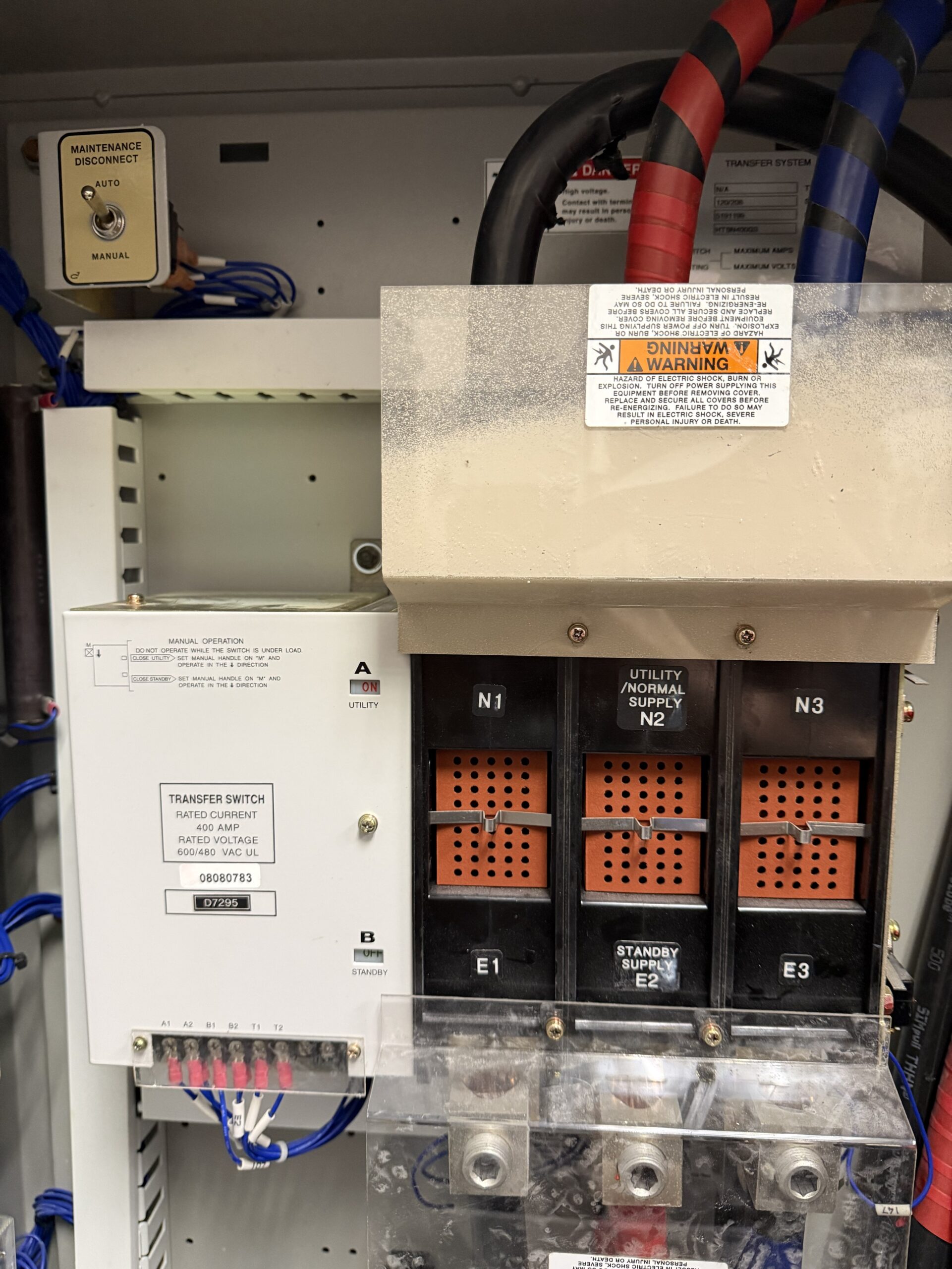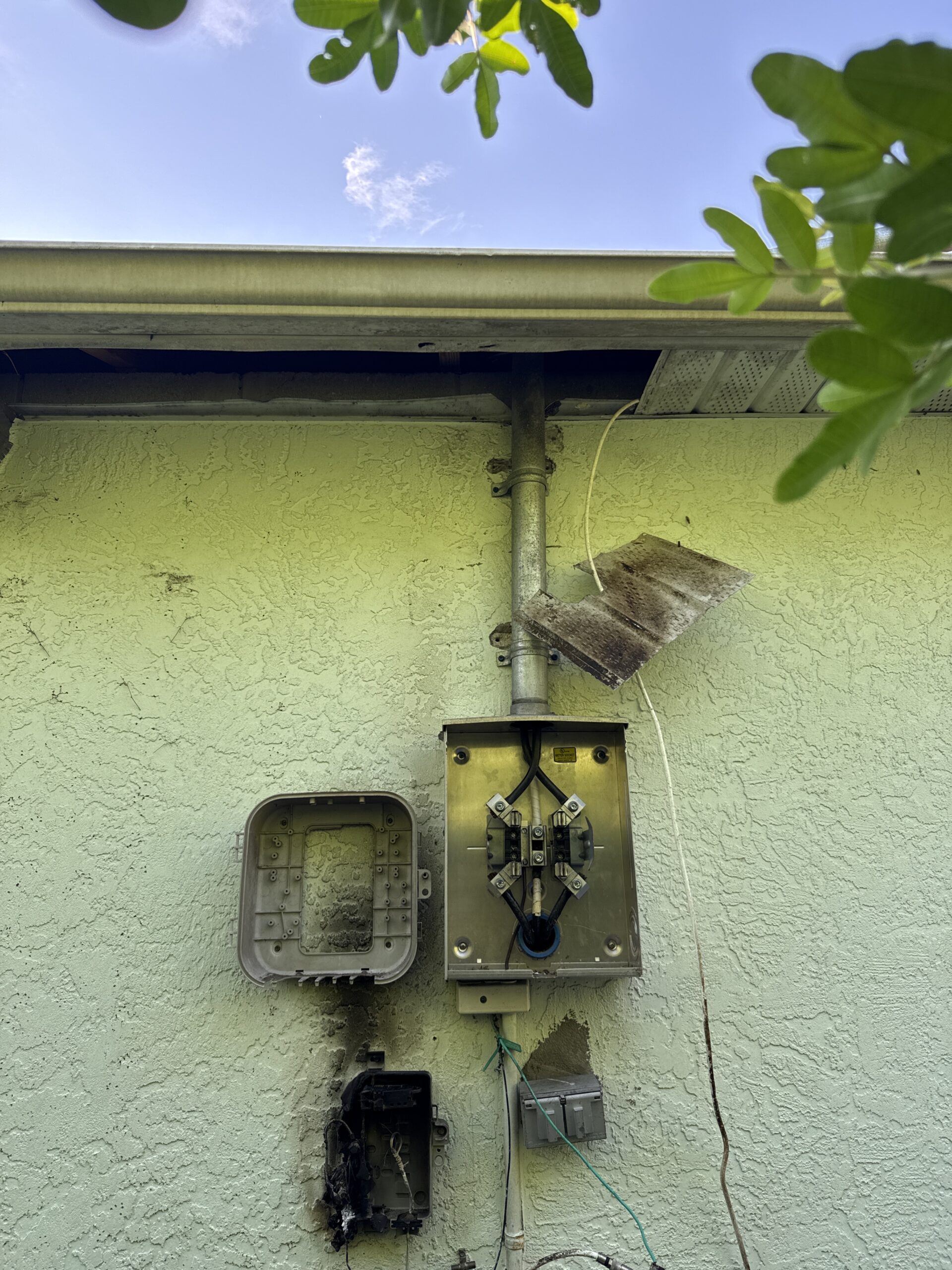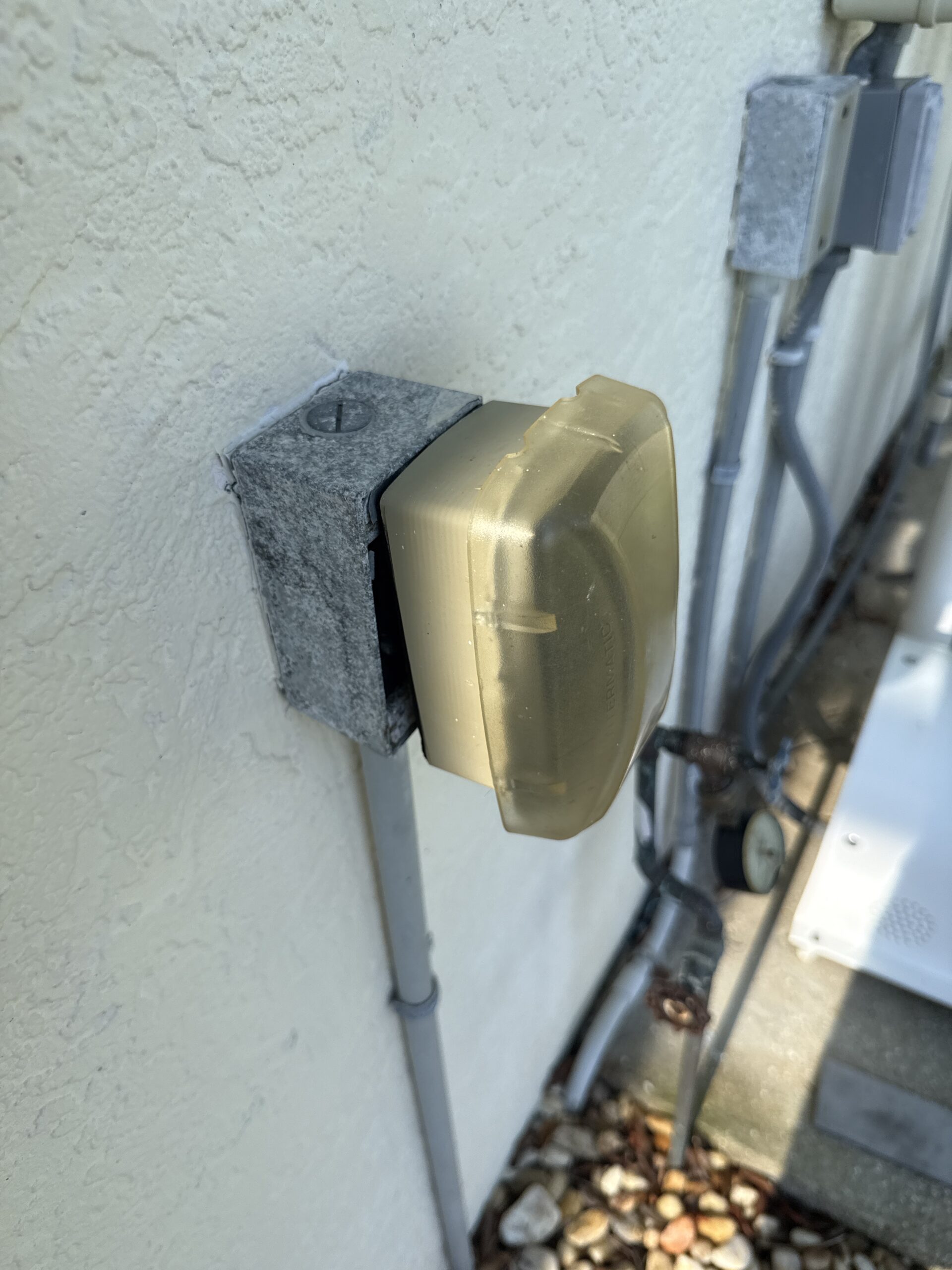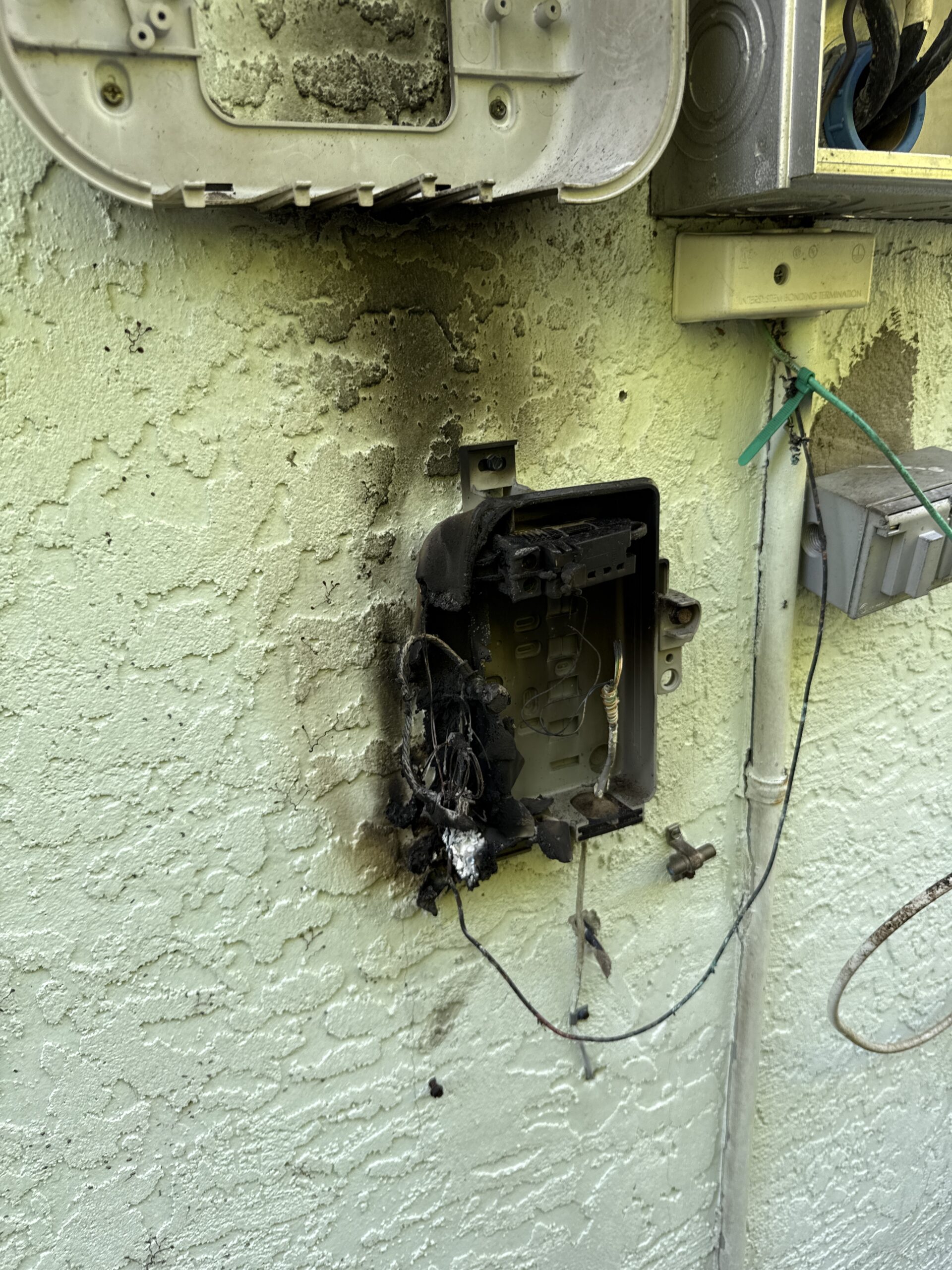


Can faulty wiring increase your electric bill and cost you hundreds of dollars every year? Absolutely. After more than 20 years serving homeowners throughout Port Charlotte, North Port, Punta Gorda, Venice, Englewood, and Sarasota, we’ve seen countless families struggle with mysteriously high energy bills only to discover that deteriorating or damaged wiring was silently draining their wallets. Understanding how electrical problems affect your monthly costs is essential for every homeowner.
Quick Answer: Faulty wiring can increase your electric bill by 20-40% through energy waste caused by poor connections, damaged insulation, arcing, and electrical resistance. Loose connections generate heat instead of powering appliances efficiently, while damaged wiring forces your electrical system to work harder, consuming more electricity. Professional electrical inspections typically identify these issues before they become serious safety hazards or financial burdens.
What Is Faulty Wiring and How Does It Waste Energy?
Faulty wiring refers to any electrical wiring that has deteriorated, been improperly installed, or sustained damage over time. This includes frayed insulation, loose connections, corroded terminals, undersized conductors, and outdated wiring materials that no longer meet modern safety standards.
When electrical current flows through damaged or poorly connected wiring, it encounters resistance. This resistance converts electrical energy into heat rather than useful work. Consequently, your appliances and systems require more electricity to function properly. Moreover, loose connections create intermittent arcing, which wastes significant energy while posing serious fire risks.
In Southwest Florida’s humid coastal climate, wiring deterioration accelerates due to moisture infiltration and corrosion. Homes built before 1990 often contain aluminum wiring or outdated insulation materials that become brittle over time. Furthermore, many older homes in Punta Gorda and Venice weren’t designed for modern electrical loads, leading to overloaded circuits that degrade faster.
The National Fire Protection Association reports that faulty wiring and related electrical distribution issues contribute to approximately 13% of home fires annually. However, the financial impact extends far beyond fire risk. Homeowners with undetected electrical problems typically see energy bills 20-40% higher than comparable homes with properly maintained electrical systems.
How Can Faulty Wiring Increase Your Monthly Energy Costs?
Understanding the specific mechanisms through which electrical problems drain your budget helps you recognize warning signs early. The financial impact occurs through several distinct pathways.
1. Electrical Resistance Creates Heat Waste
When wiring connections loosen or corrode, they create resistance points where electricity converts to heat rather than powering your devices. This process is remarkably inefficient. For example, a single loose connection in a 240-volt circuit can waste 500-800 watts continuously, adding $40-65 to your monthly bill in Florida’s climate where air conditioning runs frequently.
Indeed, we’ve measured temperature differences exceeding 140 degrees Fahrenheit at faulty connection points during routine inspections. That heat represents pure energy waste that you’re paying for every month.
2. Damaged Insulation Causes Current Leakage
Deteriorated wire insulation allows electrical current to leak into surrounding materials, including metal framing, conduit, and even damp wood. This leakage pathway wastes electricity while creating potential shock hazards. In fact, moisture-damaged insulation in crawl spaces and attics is particularly problematic in Englewood and Sarasota’s humid environment.
Current leakage through damaged insulation typically wastes 3-8% of total household electricity consumption. For a family using 1,500 kWh monthly, that represents 45-120 kWh of waste, costing $6-16 monthly at current Florida electricity rates.
3. Arcing and Sparking Consume Power
Loose connections and damaged wiring create intermittent arcing, essentially tiny lightning bolts inside your electrical system. Each arc consumes electricity while producing no useful work. Additionally, arcing generates extreme localized heat that further degrades connections and insulation, creating a progressive problem that worsens over time.
Arc faults are particularly common in older homes where wire insulation has become brittle. We frequently discover arcing problems in North Port homes built during the 1980s construction boom using wiring materials that have reached the end of their service life.
4. Overloaded Circuits Work Inefficiently
When circuits carry loads beyond their design capacity due to insufficient wiring, electrical resistance increases throughout the entire circuit. This forces every device on that circuit to work harder and consume more electricity. Furthermore, circuit breakers operating near their capacity generate significant heat, wasting additional energy.
Homeowners who’ve added modern appliances, home offices, and electric vehicle chargers to electrical systems designed decades ago often experience this problem without realizing it. The solution requires professional assessment and typically involves panel upgrades or dedicated circuits for high-demand equipment.
5. Voltage Drops Reduce Appliance Efficiency
Faulty wiring creates voltage drops between your electrical panel and outlets. When appliances receive insufficient voltage, they draw more current to compensate, actually increasing total energy consumption. Motors are particularly affected by this phenomenon. Your air conditioner, refrigerator, and pool pump all become less efficient when voltage drops below their rated specifications.
We’ve measured voltage drops exceeding 10 volts in homes with deteriorated wiring between the panel and major appliances. These drops can reduce appliance efficiency by 15-25%, directly increasing your electricity costs.
6. Phantom Loads Increase in Damaged Systems
Damaged wiring can create unintended pathways where electricity flows even when devices are turned off. These phantom loads are difficult to detect without proper testing equipment. However, they contribute to baseline electricity consumption that continues 24 hours daily, adding up to substantial waste over time.
8 Warning Signs That Faulty Wiring Is Increasing Your Electric Bill
Recognizing the symptoms of electrical problems helps you address issues before they significantly impact your finances or safety. Here are the most reliable indicators we’ve identified through thousands of service calls across Southwest Florida.
1. Unexplained Electric Bill Increases
If your electricity bill has risen 15% or more without corresponding changes in usage patterns, faulty wiring may be responsible. Compare current bills to the same months in previous years, accounting for rate changes. Sudden increases without explanation warrant professional electrical inspection.
Homeowners in Port Charlotte frequently discover that gradual wiring deterioration has been costing them $30-80 monthly for years without their knowledge. Moreover, the problem typically worsens over time, making early detection financially beneficial.
2. Warm or Discolored Outlets and Switches
Outlets or switches that feel warm to the touch indicate excessive resistance and energy waste at that connection point. Additionally, discoloration, scorching, or melted plastic around outlets signals serious problems requiring immediate attention.
Check outlets regularly by briefly touching the cover plate after appliances have been running. Normal outlets should never feel more than slightly warm. In fact, any noticeable warmth indicates inefficiency and potential safety hazards.
3. Flickering or Dimming Lights
Lights that flicker when appliances cycle on, or dim noticeably during normal operation, indicate voltage instability often caused by poor connections or inadequate wiring. This problem becomes particularly apparent when air conditioning systems start in Venice and Sarasota homes during summer months.
Occasional brief dimming when large motors start is normal. However, frequent or sustained dimming indicates your electrical system is struggling and wasting energy through resistance and voltage drops.
4. Frequently Tripping Circuit Breakers
Circuit breakers that trip regularly signal that circuits are overloaded or that faulty wiring is creating abnormal current flow. While breakers protect your home by shutting off power during overloads, frequent tripping indicates underlying problems that reduce electrical efficiency.
Don’t simply reset breakers repeatedly. Instead, professional diagnosis identifies whether the issue stems from overloaded circuits, deteriorated wiring, or faulty breakers themselves. Each scenario wastes electricity and requires different solutions.
5. Buzzing Sounds from Outlets, Switches, or Panels
Any buzzing, sizzling, or crackling sounds from electrical components indicate arcing or loose connections. These sounds represent electricity being wasted as heat and noise rather than powering your home efficiently. Furthermore, these conditions pose serious fire risks requiring immediate professional attention.
In our experience serving Punta Gorda and Englewood, homeowners often dismiss these sounds as normal. However, properly functioning electrical systems operate silently. Any audible buzzing warrants inspection by licensed electricians.
6. Burning Smell Without Obvious Source
A burning plastic or electrical smell, even if brief and intermittent, indicates overheating wiring or connections. This overheating wastes electricity while creating extreme fire danger. Never ignore electrical odors, even if they seem to disappear quickly.
Turn off power at the main panel and contact emergency electrical services immediately if you detect burning smells. The problem will continue wasting energy and worsening until professionally repaired.
7. Outlets That Don’t Hold Plugs Securely
Loose outlets with worn contact points create poor electrical connections that generate resistance and waste energy. Additionally, loose connections create arcing that further damages the outlet and surrounding wiring. Replacing worn outlets improves both safety and electrical efficiency.
This problem is particularly common in frequently used kitchen and bathroom outlets in older North Port homes. The solution is straightforward and inexpensive, yet the energy savings and safety improvements are significant.
8. Lights That Stay Dimmer Than Expected
If lights throughout your home seem dimmer than they should be, even with new bulbs, voltage drops from faulty wiring may be responsible. This condition forces light fixtures to draw more current while producing less illumination, wasting electricity and reducing lighting quality.
Test this by checking bulb wattages and comparing brightness to similar fixtures at neighbors’ homes or new construction. Consistently dim lighting throughout your home indicates systemic electrical issues requiring professional evaluation.
How Much Money Can Faulty Wiring Cost You Annually?
The financial impact of electrical problems varies based on your home’s size, the severity of wiring issues, and your typical electricity consumption. However, we can provide realistic cost estimates based on common scenarios we encounter throughout Southwest Florida.
For a typical 1,800-square-foot home in Port Charlotte consuming 1,500 kWh monthly, moderate wiring problems typically increase electricity costs by 20-30%. At Florida’s average residential electricity rate of approximately $0.13 per kWh, this represents $390-585 in additional annual costs. Over five years, that’s $1,950-2,925 in wasted money.
Severe wiring problems can increase consumption by 35-50% or more. For the same home, this represents $682-975 annually, totaling $3,410-4,875 over five years. These costs dramatically exceed the investment required for professional electrical repairs or panel upgrades.
Larger homes with more extensive electrical systems face proportionally higher costs. A 2,800-square-foot home in Sarasota with significant electrical problems might waste $1,200-1,800 annually, money that could instead fund valuable home improvements or family priorities.
Beyond direct energy waste, faulty wiring reduces appliance lifespan by forcing motors and electronics to operate under suboptimal voltage conditions. Premature replacement of air conditioning systems, refrigerators, and other major appliances adds thousands in indirect costs. Therefore, addressing electrical problems protects both your monthly budget and long-term investments.
Professional electrical inspection costs $150-300 for most homes, a fraction of annual waste from undetected problems. Moreover, many electrical issues can be repaired for $300-1,200, typically paying for themselves within one to three years through reduced electricity bills. For homeowners concerned about choosing qualified professionals, reviewing guidance on how to choose electricians can help ensure you work with licensed, experienced contractors.
What Should You Do If You Suspect Faulty Wiring?
Taking prompt action when you notice warning signs protects both your budget and your family’s safety. Follow this systematic approach to address potential electrical problems effectively.
First, document your concerns. Note specific symptoms, including when they occur, which circuits or areas are affected, and any patterns you’ve observed. Take photos of discolored outlets, record unusual sounds on your phone, and gather recent electricity bills showing consumption trends. This documentation helps electricians diagnose problems more efficiently.
Second, reduce load on suspicious circuits immediately. Unplug unnecessary devices, avoid using outlets that show warning signs, and distribute electrical loads across different circuits when possible. While this doesn’t fix underlying problems, it reduces immediate risks and may prevent problem escalation.
Third, schedule professional electrical inspection with licensed electricians experienced in residential diagnostics. Qualified professionals use thermal imaging cameras, voltage meters, and specialized testing equipment to identify problems invisible to homeowners. Furthermore, comprehensive inspections often reveal multiple issues simultaneously, allowing you to prioritize repairs effectively.
Fourth, obtain detailed written estimates for necessary repairs. Reputable electricians provide clear explanations of problems found, recommended solutions, associated costs, and expected outcomes. Compare options for addressing issues, understanding that comprehensive repairs typically provide better long-term value than minimal fixes.
Fifth, prioritize repairs based on safety and financial impact. Address immediate hazards first, including any situations involving arcing, overheating, or damaged insulation. Then, tackle problems causing significant energy waste. Finally, consider upgrades that improve system capacity and efficiency for future needs.
Many homeowners throughout Punta Gorda and Venice discover that electrical panel replacement provides the most cost-effective solution when multiple circuits show deterioration. Modern panels with proper capacity and updated safety features eliminate numerous smaller problems while supporting current and future electrical demands.
Frequently Asked Questions About Faulty Wiring and Energy Costs
Can faulty wiring increase my electric bill even if everything seems to work normally?
Yes, absolutely. Most energy waste from electrical problems occurs invisibly through resistance heating, voltage drops, and current leakage that don’t affect device operation noticeably. Your appliances continue functioning while consuming 20-40% more electricity than necessary, silently increasing your bills month after month.
How often should I have my home’s electrical system inspected?
Homeowners should schedule comprehensive electrical inspections every 3-5 years for homes under 25 years old, and every 1-3 years for older homes. Additionally, inspect your system before purchasing a home, after any electrical work, following severe weather, and whenever you notice warning signs like flickering lights or warm outlets.
Will homeowners insurance cover electrical repairs for faulty wiring?
Standard homeowners insurance typically doesn’t cover electrical repairs resulting from normal wear and deterioration. However, policies may cover wiring damage from covered perils like lightning strikes or fires. Review your specific policy and consider preventive maintenance rather than waiting for insurance-triggering events.
Can I fix faulty wiring myself to save money?
Electrical work requires specialized knowledge, proper tools, and licensing for safety and code compliance. DIY electrical repairs often create additional problems, void insurance coverage, and violate building codes. Furthermore, improperly performed electrical work poses serious fire and shock risks. Always hire licensed electricians for electrical repairs and modifications.
How long does it take for electrical repairs to pay for themselves through energy savings?
Most electrical repairs pay for themselves within 1-4 years through reduced electricity bills, depending on problem severity and repair costs. Comprehensive solutions like panel upgrades typically recoup costs within 3-5 years while providing decades of improved safety and efficiency. Moreover, properly functioning electrical systems reduce appliance wear and replacement costs.
Are older homes more likely to have wiring problems that increase electric bills?
Yes, homes built before 1990 face higher risks due to outdated wiring materials, deteriorated insulation, and electrical systems designed for lower loads than modern households require. Aluminum wiring, common in 1960s-1970s construction, is particularly prone to connection problems that waste energy. Homes throughout North Port and Englewood from this era benefit significantly from electrical system updates.
What’s the difference between a standard electrical inspection and an energy efficiency audit?
Standard electrical inspections focus on safety, code compliance, and system functionality, while energy efficiency audits specifically measure consumption patterns and identify waste sources. However, comprehensive electrical inspections by experienced contractors typically identify major efficiency problems alongside safety issues. For homes with suspected wiring problems, electrical inspection is the appropriate first step.
Trust Caliber Electric for Electrical Solutions Throughout Southwest Florida
Can faulty wiring increase your electric bill and threaten your home’s safety? The answer is clear, and the solution is straightforward. As a family-owned electrical contractor with more than 20 years serving Port Charlotte, North Port, Punta Gorda, Venice, Englewood, and Sarasota, Caliber Electric has helped thousands of homeowners eliminate energy waste while protecting their families from electrical hazards.
Our fully licensed electricians use advanced diagnostic equipment to identify exactly where your electrical system is wasting energy and creating risks. We provide transparent pricing, detailed explanations of problems found, and practical solutions that fit your budget and priorities. Whether you need comprehensive electrical panel replacement, targeted wiring repairs, or routine safety inspections, our experienced team delivers the quality workmanship and honest service your family deserves.
Don’t let faulty wiring continue draining your budget month after month. Contact Caliber Electric today for a professional electrical inspection that identifies problems, quantifies their impact on your energy costs, and provides clear solutions. We’re your neighbors, we’re local, and we’re here to help you enjoy the safe, efficient electrical system your home deserves.