

Electric vehicles are becoming more common across Southwest Florida. More drivers now want a faster and easier way to charge at home. If you recently bought an EV, or plan to buy one soon, home charging is one of the first things to consider.
At first, charging may seem simple. However, the type of charger you use can make a big difference. The right setup can save time, reduce stress, and make daily driving much easier.
This guide explains what Port Charlotte and North Port homeowners should know about EV charger installation. You will learn the difference between Level 1 and Level 2 charging, what the installation includes, what it may cost, and why a licensed electrician matters.
Level 1 vs. Level 2 Charging
Before you call an electrician, it helps to know your two main home charging options. Most EV owners choose between Level 1 charging and Level 2 charging.
Level 1 Charging
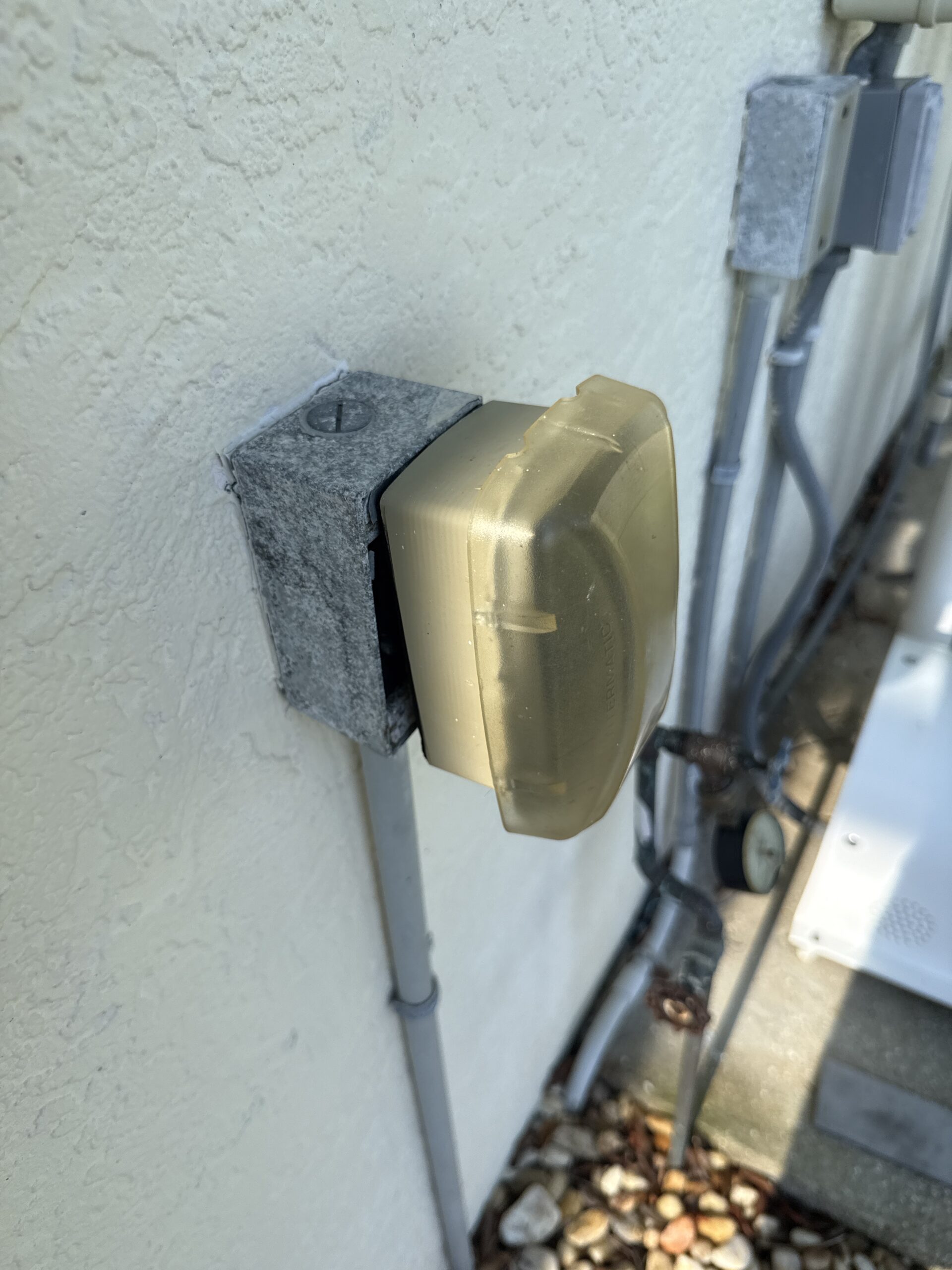
Level 1 charging uses a standard 120-volt outlet. This is the same type of outlet you use for lamps, phone chargers, and small home devices.
Most EVs come with a Level 1 charging cord. Because of that, you can usually plug in your car without extra electrical work. However, Level 1 charging is slow.
In most cases, Level 1 adds only 3 to 5 miles of range per hour. So, if you drive more than 40 miles a day, overnight charging may not be enough. As a result, many full EV owners find Level 1 charging frustrating.
Level 1 can still work well for some drivers. For example, it may suit plug-in hybrid owners with smaller batteries. It may also work for people who drive only a few miles each day.
Level 2 Charging
Level 2 charging uses a 240-volt circuit. This is the same type of power used by larger home appliances, such as dryers and ranges.
A Level 2 charger usually adds 20 to 30 miles of range per hour. Therefore, most EV owners can fully charge their car overnight. This makes daily EV use much more convenient.
For many Florida drivers, Level 2 is the better long-term choice. Driving distances between homes, stores, schools, and workplaces can be longer here. Because of this, faster home charging gives you more freedom and peace of mind.
At Caliber Electric, Level 2 chargers are the most common EV charging systems we install.
What the EV Charger Installation Process Includes
A Level 2 home charger installation usually includes three main steps. First, we check your electrical panel. Next, we install the new circuit. Then, we mount and connect the charger.
Electrical Panel Check
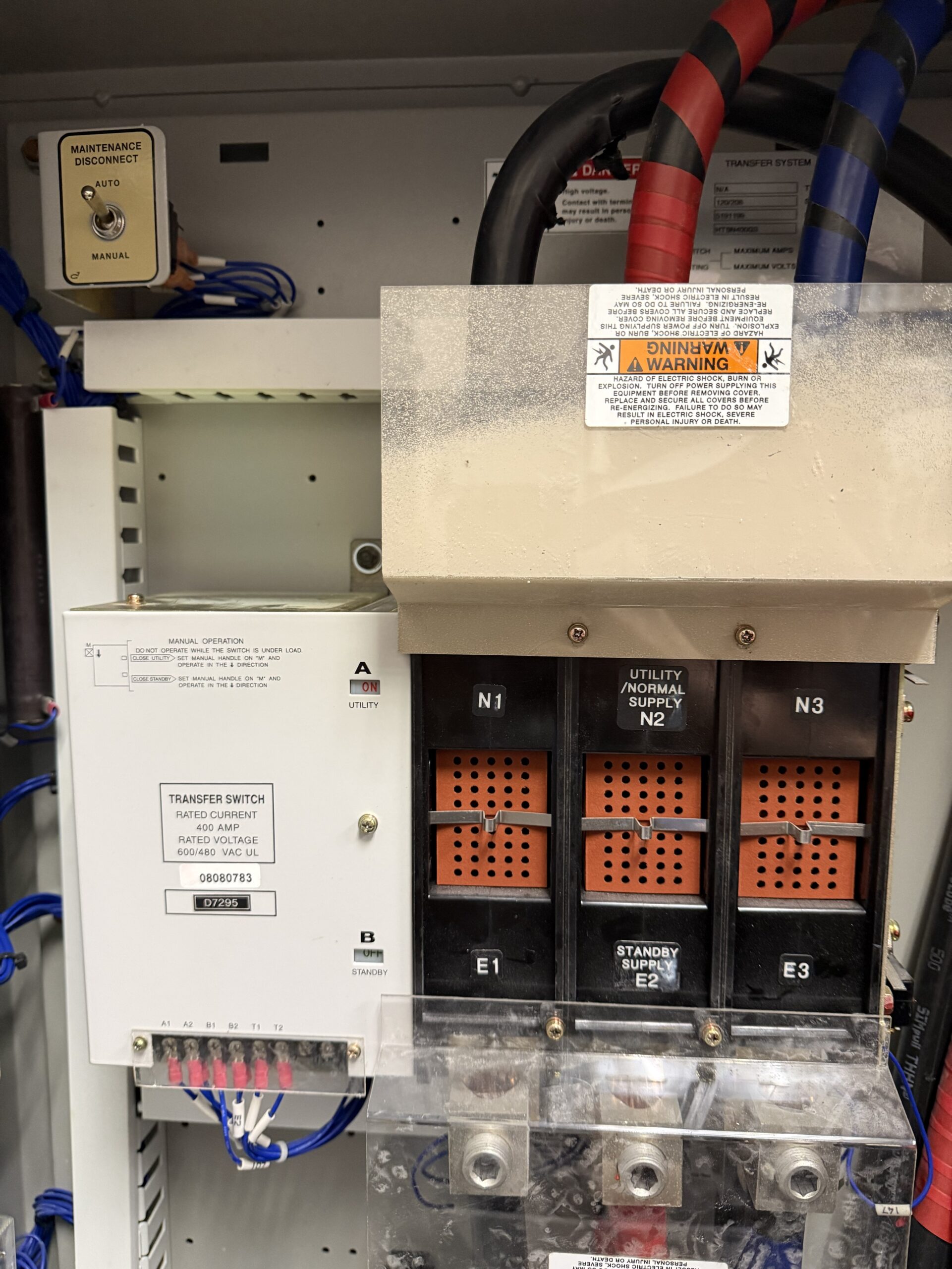
Before we start any work, we check your current electrical panel. This helps us confirm that your home can support the new EV charger circuit.
Many modern homes in Port Charlotte and North Port have 200-amp service. In many cases, that is enough for a Level 2 charger. However, older homes may have 100-amp panels.
If your panel does not have enough room or power, you may need an upgrade. This is why the panel check matters. It helps avoid safety issues and surprise costs later.
Dedicated Circuit Installation
A Level 2 charger needs its own 240-volt circuit. Most chargers use a 40-amp or 50-amp breaker. The right size depends on your charger, your vehicle, and your future needs.
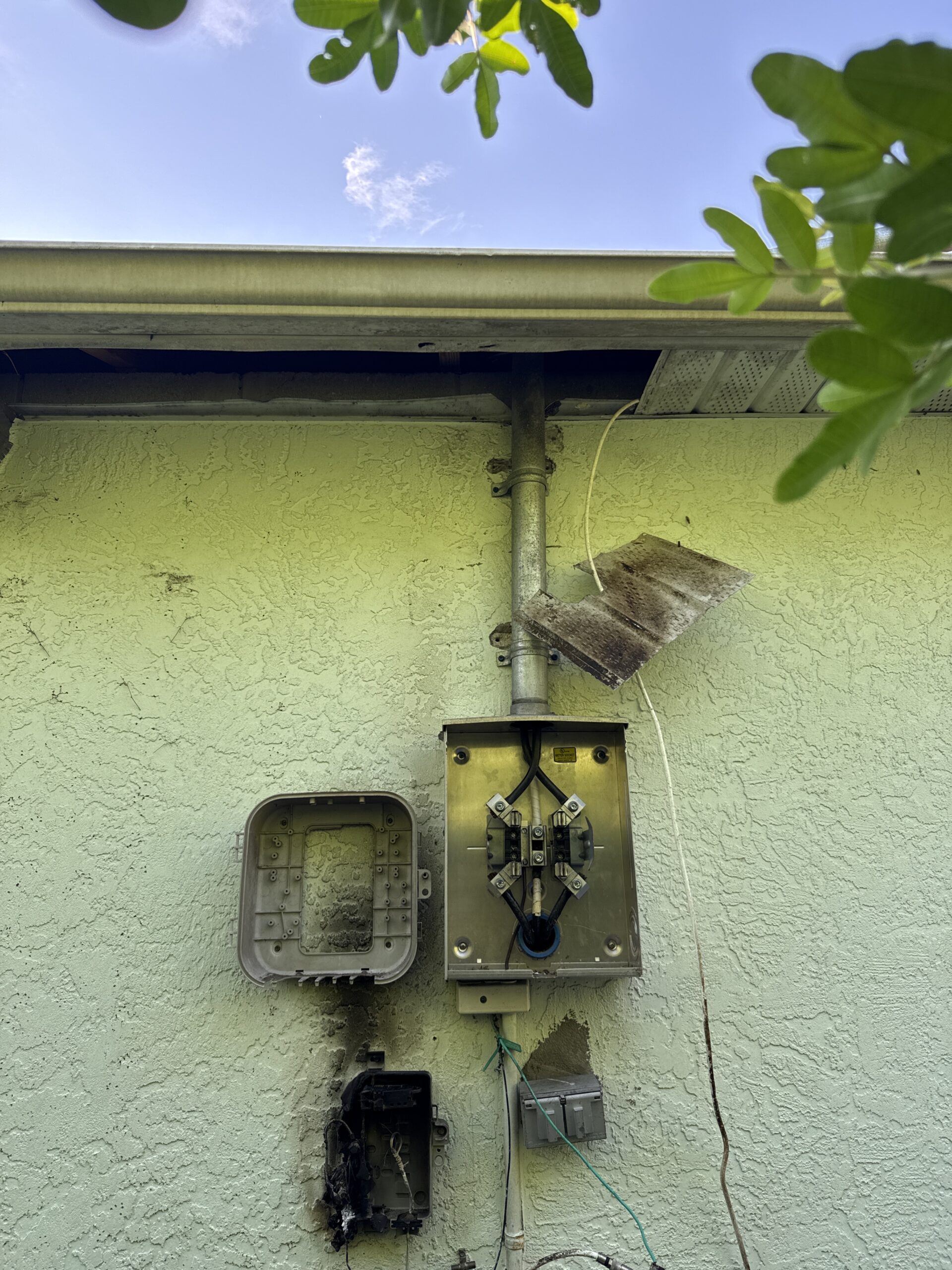
Our team runs the wiring from your panel to the charger location. This may be in your garage, driveway, or another safe charging area. In addition, we make sure the setup meets local electrical code.
Charger Mounting and Setup
After we install the circuit, we mount the charger in a useful location. The charger should be easy to reach from where you park your vehicle.
Most homeowners choose a hardwired charger. This option looks clean and stays fixed in place. However, some people prefer a plug-in 240-volt charger.
A simple installation may take 2 to 4 hours. However, the job can take longer if the panel needs work or the wire run is long.
Do You Need a Permit for an EV Charger?
Yes, you need a permit for a new 240-volt circuit in Charlotte County and Sarasota County. This step protects your home and your investment.
A permit means an inspector checks the work. As a result, you know the installation meets safety standards. This can also matter for home insurance and future resale.
Some electricians may suggest skipping the permit to save time. However, this is not a good idea. If a problem happens later, an unapproved electrical job may create issues with insurance.
Caliber Electric pulls permits for every EV charger installation we complete. We include this step in our quote, so you do not have to handle it yourself.
How Much Does EV Charger Installation Cost?
The cost of EV charger installation depends on your home and charger type. However, a standard Level 2 installation often falls within a clear range.
For many homes in Southwest Florida, you can expect these costs:
- Charger unit: $200 to $900
- Labor and installation: $400 to $800
- Permit: $75 to $150
In most cases, the total cost ranges from $700 to $1,800. A standard garage installation usually falls near the middle of that range.
However, some projects cost more. For example, the price may increase if you need a panel upgrade. It may also rise if the charger sits far from the electrical panel. Outdoor chargers can also cost more because they need weather-safe parts.
Before we begin, Caliber Electric checks your setup and gives you a fixed price.
Federal Tax Credit for EV Chargers
Homeowners may qualify for a federal tax credit on EV charger hardware and installation costs. Under current rules, the credit can cover 30% of the cost, up to $1,000.
This credit may apply when you install the charger at your main home. However, tax rules can change. Therefore, keep your receipts and ask your tax professional before you file.
Which EV Charger Brand Should You Choose?
Caliber Electric can install most charger brands. However, some options stand out for home use.
ChargePoint Home Flex is a popular choice because it has strong app features. It also works well for homeowners who want charging data and remote control.
Grizzl-E is another strong option. It is simple, durable, and known for handling heat and humidity well. Because of that, many Florida homeowners like it.
Tesla owners can use a Tesla Wall Connector. They can also use many Level 2 chargers with the right adapter.
No matter which brand you choose, avoid very cheap chargers from unknown companies. The charger is not the place to cut corners. A better unit can help protect your car, your home, and your long-term comfort.
Ready to Install a Home EV Charger?
Caliber Electric installs EV chargers in Port Charlotte, North Port, Englewood, Punta Gorda, and nearby areas. Our team is licensed, insured, and experienced with local permit rules.
We check your panel, help you choose the right charger setup, pull the permit, and complete the installation safely. In addition, we give you clear pricing before the work begins.
If you want a safe and simple home charging setup, contact Caliber Electric today. Most EV charger installations can be completed within a few days of booking.