

Finding the right electricians for your home can feel overwhelming, especially when safety, code compliance, and long-term reliability are on the line. Whether you’re planning a panel upgrade in Port Charlotte, installing an EV charger in Sarasota, or addressing emergency electrical issues in North Port, the electrician you choose will directly impact your home’s safety and your family’s peace of mind. In Southwest Florida’s unique climate and building environment, working with experienced, local professionals who understand regional codes and common electrical challenges makes all the difference.
Quick Answer: Electricians are licensed professionals who install, repair, and maintain electrical systems in homes and businesses. When choosing electricians in Southwest Florida, homeowners should verify state licensing, confirm insurance coverage, check local references, and ensure the contractor has specific experience with the type of work needed. Quality electricians provide upfront pricing, pull necessary permits, and guarantee their workmanship.
What Are Licensed Electricians and Why Does It Matter?
Licensed electricians have completed extensive training, apprenticeship hours, and state examinations to demonstrate competency in electrical work. In Florida, electrical contractors must hold an active license from the Department of Business and Professional Regulation, which requires ongoing education and adherence to the National Electrical Code.
The licensing requirement exists to protect homeowners. Electrical work involves serious safety risks, including fire hazards, electrocution, and property damage. Furthermore, unlicensed electrical work can void your homeowner’s insurance, fail inspection during home sales, and create liability issues if accidents occur.
Working with licensed electricians ensures your project meets current code requirements. In Southwest Florida, codes address specific regional concerns like storm surge protection, outdoor installation standards for hurricane-force winds, and proper grounding in sandy soil conditions. A licensed professional understands these nuances and implements solutions that protect your investment long-term.
6 Essential Qualities to Look for in Electricians
1. Valid Florida Electrical Contractor License
Before any conversation about your project begins, verify the electrician holds a current Florida electrical contractor license. Ask for the license number and verify it through the state database. Moreover, confirm the license classification matches your project type. Residential licenses differ from commercial licenses, and some smaller projects may only require a journeyman under a master electrician’s supervision.
Licensed status indicates the professional has met minimum competency requirements and carries required insurance. Additionally, licensed contractors can pull permits for your project, which protects you during inspections and ensures work meets code.
2. Comprehensive Insurance Coverage
Quality electricians carry both general liability insurance and workers’ compensation coverage. General liability protects your property if damage occurs during the project. For example, if a tool accidentally breaks a window or a wiring mistake causes a power surge that damages appliances, the insurance covers repairs.
Workers’ compensation protects you from liability if a technician is injured on your property. In fact, homeowners can be held liable for medical expenses if an uninsured worker is hurt during a project. Always request certificates of insurance before work begins, and verify coverage directly with the insurance carrier.
3. Local Experience and Reputation
Electricians with established roots in Port Charlotte, Punta Gorda, Venice, Englewood, or North Port bring valuable local knowledge. They understand regional building codes, common electrical issues in area homes, and have relationships with local inspectors. This local expertise speeds up permit processes and ensures compliance with municipal requirements.
Check online reviews, but also ask neighbors, friends, and local hardware stores for recommendations. A contractor who has served the community for decades has a reputation to protect and stands behind their work. Furthermore, local electricians are accessible for follow-up service or warranty work years after installation.
4. Transparent Pricing and Written Estimates
Professional electricians provide detailed written estimates before starting work. The estimate should break down labor costs, materials, permit fees, and any additional charges. Additionally, it should specify the scope of work, timeline, and payment terms.
Be cautious of estimates significantly lower than competitors. Extremely low bids may indicate the contractor will use substandard materials, rush the job, or add hidden fees later. On the other hand, a slightly higher estimate from an experienced professional often delivers better long-term value through quality materials, skilled installation, and reliable warranty coverage.
5. Specialization in Your Project Type
Different electrical projects require different expertise. Installing a whole-home generator involves different skills than troubleshooting flickering lights or upgrading a 200-amp panel. Therefore, ask potential electricians about their specific experience with your project type.
For example, if you’re installing an EV charger, verify the contractor has completed multiple Level 2 charger installations and understands load calculations for your panel. If you need surge protection, confirm they can recommend and install whole-home surge devices appropriate for Southwest Florida’s lightning activity. Specialized experience ensures efficient installation and optimal performance.
6. Clear Communication and Professionalism
From the first phone call, evaluate how electricians communicate. Do they return calls promptly? Do they ask detailed questions about your project? Do they explain technical concepts in understandable terms? Clear communication prevents misunderstandings and ensures your expectations align with the final result.
Professionalism extends beyond communication. Technicians should arrive on time, wear company uniforms or identification, use appropriate safety equipment, and clean up the work area after completion. These details reflect overall business standards and predict the quality of electrical work you’ll receive.
How to Verify an Electrician’s Credentials and References
Start by checking the contractor’s license status through Florida’s Department of Business and Professional Regulation website. The database shows license status, issue date, expiration date, and any disciplinary actions. Active licenses with long histories and no violations indicate reliable professionals.
Next, request and contact at least three recent references. Ask previous customers about project timelines, budget adherence, problem-solving ability, and overall satisfaction. Specifically ask if the electrician cleaned up properly, communicated clearly, and addressed any issues that arose during the project.
Check online reviews on Google, Facebook, and industry-specific platforms. However, read reviews critically. Look for patterns rather than individual complaints. Consistent mentions of punctuality, quality work, or fair pricing reveal true strengths. Similarly, repeated concerns about communication or billing suggest areas of weakness.
Verify insurance coverage by requesting certificates directly from the contractor and confirming validity with the insurance company. This extra step ensures the coverage is current and adequate for your project size. Additionally, ask about warranties on both labor and materials, and get warranty terms in writing before work begins.
What Questions Should You Ask Electricians Before Hiring?
Before signing any contract or making a hiring decision, prepare a list of specific questions to evaluate potential electricians thoroughly. Start with licensing and credentials: “What is your license number?” and “How long have you held your license?” These basic questions establish legitimacy.
Ask about experience with your specific project: “How many panel upgrades have you completed in the past year?” or “What brands of EV chargers do you typically install?” Detailed answers demonstrate genuine expertise, while vague responses suggest limited experience.
Inquire about the project process: “Will you pull all necessary permits?” and “Who will perform the actual work?” Some contractors subcontract labor to unlicensed workers, which creates quality and liability concerns. Ensure licensed professionals will complete your project.
Discuss timing and logistics: “What is your current scheduling timeline?” and “How long will this project take?” Realistic timelines indicate honest planning, while promises of immediate starts or unrealistically quick completions may signal overcommitment or rushed work.
Finally, address financial details: “Do you offer payment plans?” and “What warranties do you provide?” Understanding payment expectations and warranty coverage prevents surprises and protects your investment. If you need additional guidance on evaluating contractors, our complete guide to choosing electricians covers the decision process in greater depth.
How Much Does It Cost to Hire Electricians in Southwest Florida?
Electrical service costs vary significantly based on project complexity, materials required, permit fees, and the contractor’s experience level. However, understanding typical price ranges helps you budget appropriately and identify unusually high or suspiciously low estimates.
For basic service calls and minor repairs, expect to pay between $125 and $300. This typically includes the diagnostic visit and minor fixes like replacing outlets, switches, or GFCI devices. Emergency service outside regular business hours may cost 50% to 100% more due to immediate availability.
Panel upgrades represent a significant investment, generally ranging from $1,800 to $4,500 depending on panel size, location accessibility, and whether service line upgrades are necessary. A standard 200-amp panel replacement in Venice or Englewood typically costs $2,200 to $3,200 including permits and inspections.
EV charger installations range from $800 to $2,500 depending on charger type, distance from the panel, and whether panel upgrades are required to support the additional load. Level 2 chargers require dedicated 240-volt circuits, and homes with older electrical systems may need panel upgrades before installation.
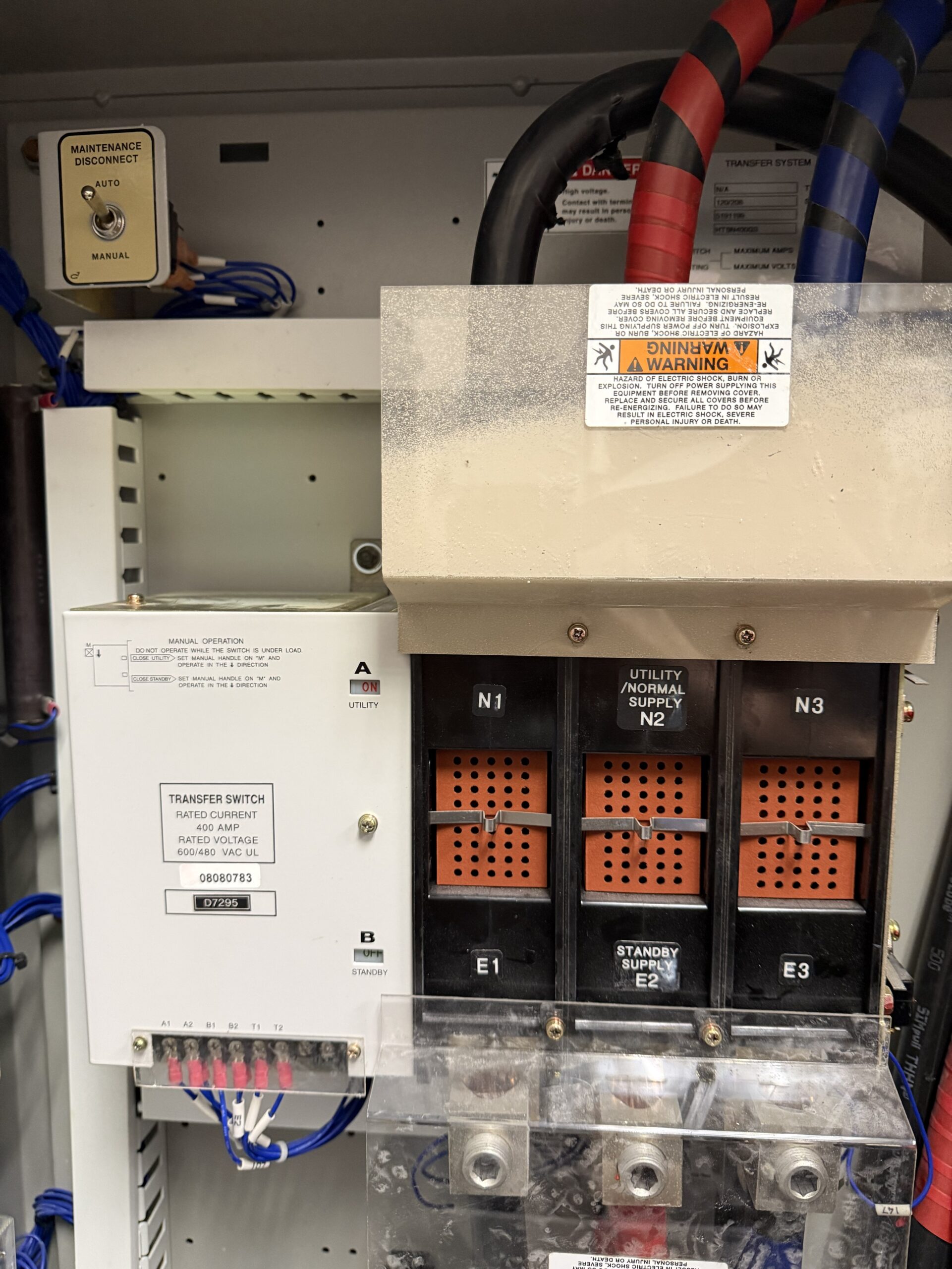
Whole-home generator installations represent the upper end of residential electrical investments, typically costing $7,000 to $15,000 including the generator unit, transfer switch, electrical connections, and gas line installation. In Southwest Florida, where hurricane preparedness is essential, generators provide valuable peace of mind and protect home values.
Remember that quality work costs more upfront but saves money long-term through reduced repairs, energy efficiency, and proper code compliance. Moreover, properly permitted and installed electrical work protects your home’s resale value and insurance coverage.
Common Mistakes Homeowners Make When Choosing Electricians
One of the most common mistakes is selecting an electrician based solely on price. While budget considerations are important, the lowest bid often indicates corners will be cut through substandard materials, rushed installation, or unpermitted work. Instead, evaluate total value including experience, warranty coverage, and long-term reliability.
Many homeowners fail to verify licensing and insurance before work begins. Once a contractor starts a project, discovering they lack proper credentials creates difficult situations. You may need to stop work, lose deposit money, and start the hiring process again. Therefore, always verify credentials before signing contracts or making payments.
Another frequent mistake is accepting verbal estimates without written documentation. Verbal agreements create misunderstandings about scope, pricing, and timelines. Always insist on detailed written estimates that specify exactly what work will be performed, what materials will be used, and what the total cost will be.
Homeowners sometimes hire the first electrician they contact without comparing multiple contractors. Getting three to five estimates allows you to compare pricing, approaches, timelines, and professionalism. This comparison helps you identify the best value and avoid both overpriced and suspiciously cheap options.
Finally, many people neglect to ask about permits and inspections. Unpermitted electrical work creates serious problems during home sales, insurance claims, and warranty service. Professional electricians automatically pull required permits and schedule inspections, ensuring your project meets all legal and safety requirements.
Frequently Asked Questions About Choosing Electricians
How do I verify an electrician is licensed in Florida?
Visit the Florida Department of Business and Professional Regulation website and search their license database using the contractor’s name or license number. The database shows current license status, issue date, and any disciplinary actions.
Should electricians provide free estimates?
Most reputable electricians offer free estimates for standard residential projects. However, complex commercial assessments or detailed electrical system evaluations may involve diagnostic fees that are often credited toward the project if you hire them.
What insurance should electricians carry?
Professional electricians should carry both general liability insurance and workers’ compensation coverage. General liability protects your property from damage, while workers’ compensation protects you from liability if workers are injured on your property.
How long should electrical work warranties last?
Quality electricians typically warranty their labor for one to three years, while material warranties vary by manufacturer. Panels and major equipment often carry 5-25 year manufacturer warranties, while standard devices like outlets and switches may have shorter coverage.
Can I hire an unlicensed handyman for simple electrical work?
Florida law requires licensed electricians for most electrical work, including outlet replacement, switch installation, and circuit repairs. Unlicensed work violates code, voids insurance coverage, and creates safety hazards and liability risks.
What permits are required for electrical work in Southwest Florida?
Most electrical projects beyond simple repairs require permits. Panel upgrades, circuit additions, EV charger installations, and generator connections all require permits and inspections. Licensed electricians handle permit applications and scheduling inspections.
How quickly can electricians schedule emergency service?
Established local electricians in Port Charlotte, North Port, Punta Gorda, and surrounding areas typically offer same-day or next-day emergency service. However, response times vary based on current workload and severity of the emergency.
Choose Caliber Electric for Trusted Electrical Service in Southwest Florida
When you need reliable, licensed electricians in Port Charlotte, North Port, Punta Gorda, Venice, Englewood, or Sarasota, Caliber Electric brings more than 20 years of family-owned expertise to every project. Our licensed professionals specialize in panel upgrades, EV charger installations, whole-home generators, surge protection, and emergency electrical repairs throughout Southwest Florida.
We understand the unique electrical challenges of coastal living, from lightning protection to hurricane preparedness, and we stand behind every installation with comprehensive warranties and responsive service. As a locally-owned business, we’ve built our reputation by treating every home like our own and every customer like family. Contact Caliber Electric today for a free estimate and experience the difference that experience, integrity, and local knowledge make in your electrical projects.