

When it comes to improving the beauty and functionality of your outdoor space, landscape lighting is one of the most effective additions you can make. It highlights architectural features, illuminates pathways, and creates a welcoming ambiance for evening gatherings. Well-designed lighting significantly boosts your property’s curb appeal.
Besides aesthetics, landscape lighting adds safety, security, and extended usability after dark. This guide explains the installation process, types of lighting, and tips for designing a system that fits your needs and style.
Why Landscape Lighting Matters
1. Enhances Curb Appeal
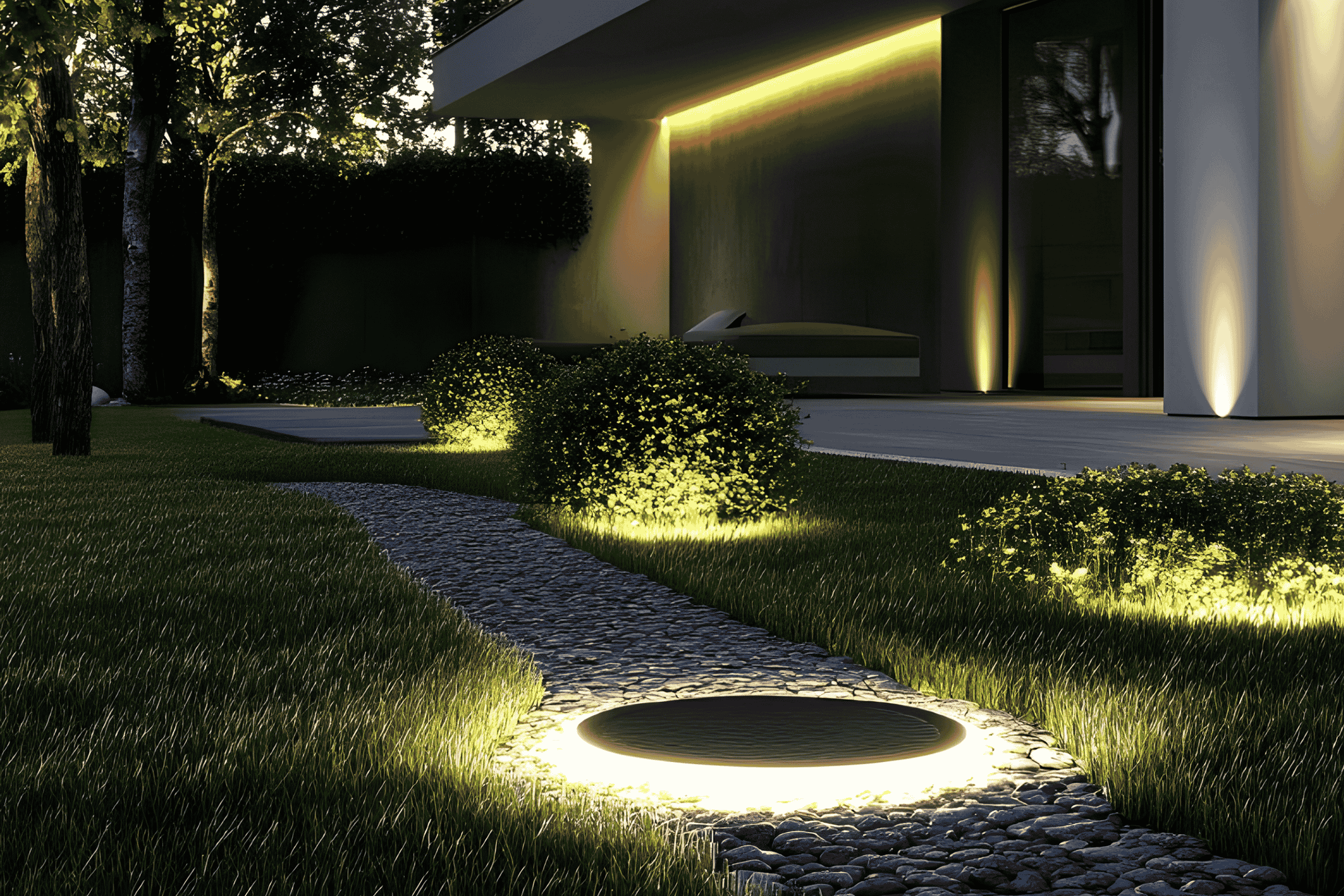
Outdoor lighting immediately improves curb appeal. Proper lighting highlights your home’s architecture and your garden while creating a warm atmosphere. Walkway lights, up-lighting trees, and accenting landscaping all contribute to a stunning first impression.
At night, your home’s exterior is often hidden in shadows. Installing outdoor lighting ensures your property stands out, drawing attention to your yard and façade.
2. Increases Safety and Security
Well-placed lights improve safety. Illuminating pathways, driveways, and entryways reduces the risk of trips and falls. Guests, family members, and delivery personnel can navigate your property safely.
Additionally, lighting deters intruders. A well-lit home makes it easier to spot suspicious activity. Lights around doors and windows increase security and give homeowners peace of mind.
3. Extends Usability of Outdoor Spaces
Landscape lighting lets you enjoy your yard or patio after sunset. Whether hosting dinner parties, relaxing on your deck, or spending time in the garden, lighting ensures your outdoor areas remain functional.
Strategic placement creates cozy and inviting spaces. You can add task lighting for dining or subtle ambient lighting for relaxation. Layering light types enhances both comfort and usability.
4. Energy Efficiency
Modern landscape lighting is more energy-efficient than ever. Low-voltage LED options use significantly less energy than traditional lights and last longer.
Energy-efficient lighting lowers utility bills and provides sustainable illumination. Timers or motion sensors can also reduce unnecessary usage while maintaining safety.
Types of Landscape Lighting
1. Pathway Lighting
Pathway lights guide movement along walkways, driveways, and garden paths. Options include bollards, stake lights, and lantern-style fixtures. These lights improve safety while enhancing visual appeal.
2. Up-Lighting
Up-lighting places fixtures at the base of trees, architectural features, or statues. This highlights tall plants or sculptures and creates dramatic shadows.
3. Down-Lighting
Down-lighting uses lights mounted high on trees, walls, or eaves to shine downward. This simulates moonlight, providing soft, even illumination. Down-lighting works well for large areas and elegant ambient lighting.
4. Spotlights and Floodlights
Spotlights focus on specific features, while floodlights cast a wide, softer beam. Both types highlight architectural details, landscaping, or focal points like trees or fountains.
5. String Lights
String lights add charm and ambiance. They can drape over fences, pergolas, or patios, creating a festive or relaxed mood. String lights work well for parties or cozy gatherings.
6. Deck and Patio Lights
Deck and patio lights illuminate stairs, railings, and edges. They create safe, inviting spaces for evening use and enhance outdoor entertaining areas.
7. Step Lights
Step lights are installed directly into stairs or uneven ground. They ensure safe navigation while improving aesthetics, preventing trips and enhancing visibility.
Planning Your Landscape Lighting Installation
1. Determine Your Goals
Define what you want to achieve. Are you enhancing curb appeal, adding safety, or creating ambiance? Clear goals guide fixture choices and placement.
2. Consider Your Layout
Evaluate your yard size, garden beds, trees, pathways, and architectural features. Identify focal points, entryways, and areas that need illumination.
3. Choose the Right Fixtures
Select fixtures that match your style, are weather-resistant, and fit your property. Consider color temperature, durability, and design to complement your home.
4. Use Layered Lighting
Combine up-lighting, down-lighting, and pathway lighting. Layered lighting adds depth, highlights features, and creates a visually appealing environment.
5. Plan for Energy Efficiency
Choose LEDs and low-voltage systems. Add timers or motion sensors to save energy while maintaining coverage.
6. Professional Installation vs. DIY
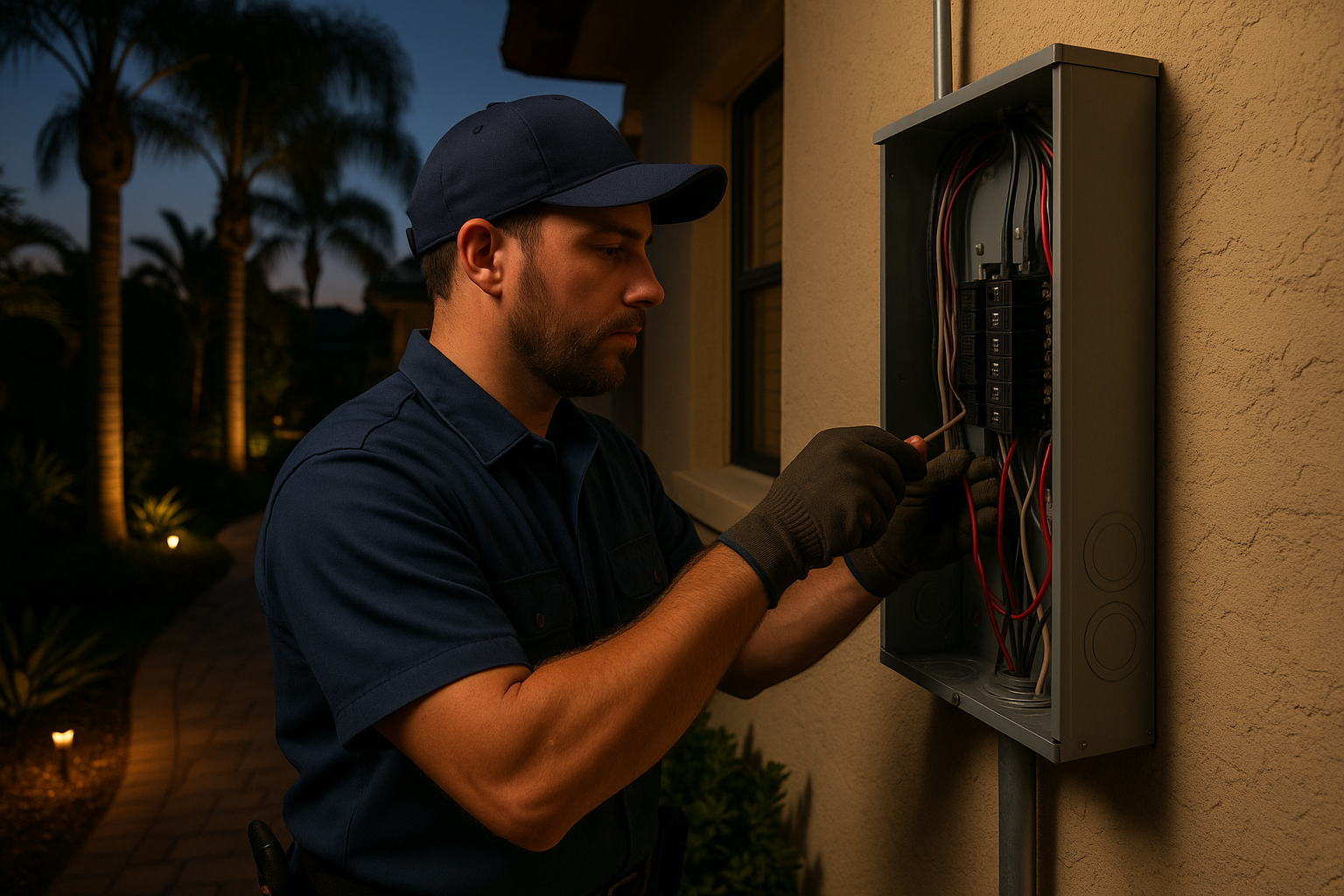
Hiring a professional ensures proper wiring, safe installation, and optimal placement. Experts also maximize energy efficiency and system performance.
7. Maintenance
Regular maintenance keeps lights functioning. Clean fixtures, inspect wiring, replace bulbs, and test sensors or timers to ensure consistent performance.
Conclusion
Landscape lighting enhances curb appeal, safety, and functionality. Proper design and installation let you enjoy your outdoor space long after sunset. Whether highlighting features, illuminating pathways, or creating ambiance, lighting transforms your yard.
Plan carefully, choose the right fixtures, and consider professional installation. With regular maintenance, your outdoor space will remain beautiful, safe, and functional year-round.