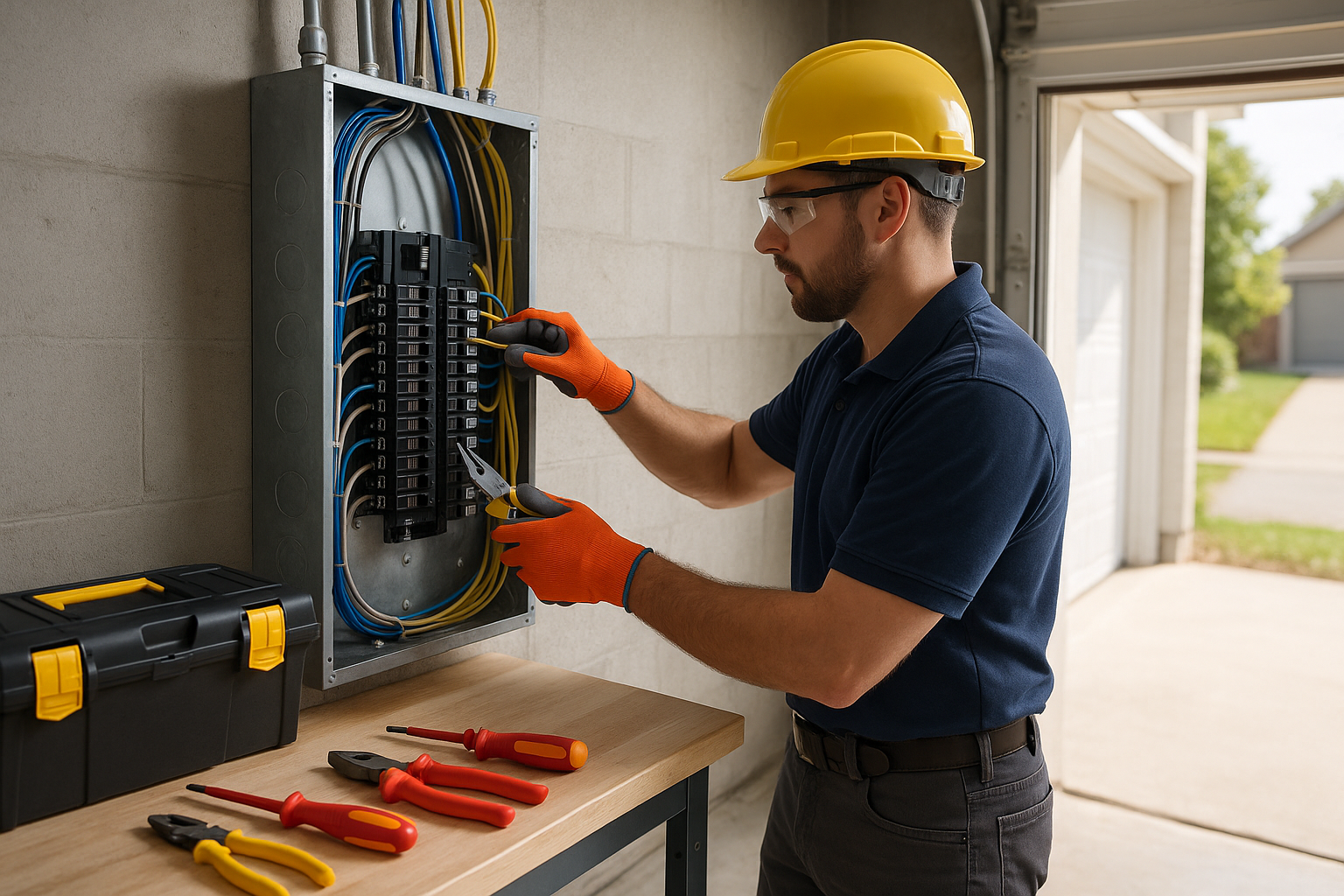


Can faulty wiring cause serious problems in your home? Absolutely. Over our 20-plus years serving Port Charlotte, North Port, Punta Gorda, Venice, Englewood, and Sarasota, we’ve seen faulty wiring lead to house fires, damaged appliances, skyrocketing electric bills, and even complete electrical system failures. Moreover, outdated or improperly installed wiring puts your family’s safety at risk every single day.
Quick Answer: Faulty wiring can cause house fires, electrical shocks, appliance damage, power outages, and dangerously high energy bills. Common culprits include outdated aluminum wiring, damaged insulation, overloaded circuits, and loose connections. Homeowners should watch for flickering lights, burning smells, warm outlets, and frequent breaker trips, all of which signal immediate professional inspection is needed.
What Is Faulty Wiring and How Does It Develop?
Faulty wiring refers to electrical conductors, connections, or circuit components that no longer safely carry electricity due to age, damage, improper installation, or overloading. It encompasses a wide range of problems that compromise the integrity of your home’s electrical system.
In Southwest Florida’s humid climate, wiring deterioration accelerates faster than in drier regions. Therefore, homes built before 1980 in Port Charlotte and surrounding areas often contain aluminum wiring, which expands and contracts more than copper, creating loose connections over time. Additionally, homes that have undergone DIY renovations frequently harbor hidden wiring hazards that don’t meet current National Electrical Code standards.
Electrical insulation breaks down from heat exposure, physical damage from pests or construction, and simple age-related degradation. Circuit breakers are designed to protect against overload and short circuits by interrupting power flow when dangerous conditions arise. However, when wiring insulation cracks or deteriorates, it exposes bare conductors that can arc, spark, or create dead shorts without tripping the breaker immediately.
Water intrusion presents another serious threat in coastal communities like Englewood and Venice. Indeed, moisture compromises insulation and creates corrosion on connections, increasing resistance and generating excessive heat. Furthermore, older homes often lack proper grounding, which means dangerous voltage has no safe path to dissipate during fault conditions.
7 Serious Problems Faulty Wiring Can Cause in Your Home
1. House Fires and Electrical Arcing
Electrical fires rank among the leading causes of residential fires nationwide, and faulty wiring is the primary culprit. Arcing occurs when electricity jumps across a gap between conductors or from a conductor to ground, generating temperatures exceeding 10,000 degrees Fahrenheit. This intense heat ignites surrounding materials like wood framing, insulation, and drywall within seconds.
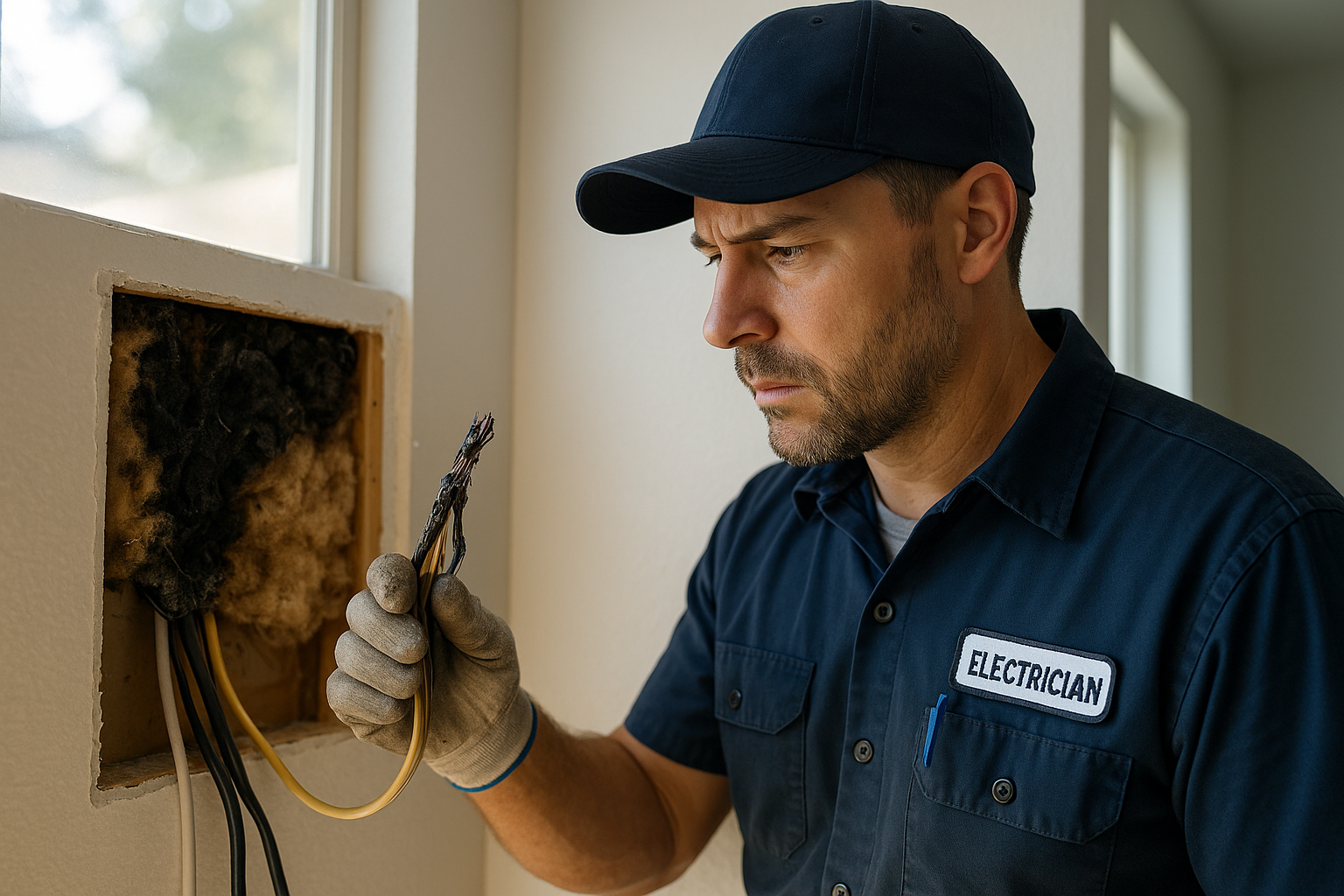
Homeowners in North Port often discover scorch marks inside outlet boxes during renovations, clear evidence of dangerous arcing that could have progressed to a full structure fire. In addition, loose wire connections create resistance points that generate steady heat buildup, slowly cooking surrounding materials until ignition occurs, often while families sleep.
The National Fire Protection Association reports that home electrical fires cause hundreds of deaths and billions in property damage annually. Consequently, any burning smell, discolored outlets, or buzzing sounds requires immediate professional evaluation to prevent catastrophic loss.
2. Dangerous Electrical Shocks to Family Members
Faulty wiring creates shock hazards when deteriorated insulation allows live conductors to energize metal components like outlet covers, light fixture housings, appliance cases, or even plumbing pipes. A ground fault occurs when electricity finds an unintended path to ground, potentially through a person’s body.
Children and pets face particular vulnerability because they frequently touch surfaces and explore areas adults avoid. Moreover, wet conditions in bathrooms, kitchens, and outdoor areas dramatically increase shock severity by lowering skin resistance. A shock that might tingle dry hands can stop a heart when moisture is present.
GFCI outlets are designed to detect ground faults and cut power in milliseconds, preventing serious injury or death. However, older homes throughout Punta Gorda often lack GFCI protection in critical areas, and faulty wiring can damage GFCI devices themselves, rendering them ineffective without homeowners’ knowledge.
3. Premature Appliance and Electronics Failure
Can faulty wiring cause expensive appliances to fail prematurely? Absolutely, and this problem costs Southwest Florida homeowners thousands annually. Voltage fluctuations from poor connections or undersized circuits stress sensitive electronics, shortening their operational lifespan significantly.
Computers, televisions, HVAC systems, and kitchen appliances require stable voltage to function properly. However, when connections corrode or wires overheat, voltage can swing wildly between dangerously high and inadequately low levels. These fluctuations damage circuit boards, burn out motors, and destroy power supplies.
Furthermore, loose neutral connections create a particularly insidious problem where some circuits receive excessive voltage while others receive insufficient power. This condition can simultaneously burn out your refrigerator compressor while preventing your air conditioner from starting. Bad neutral connections causing high voltage represent one of the most expensive wiring faults homeowners face.
4. Chronic Power Outages and Circuit Failures
Intermittent power loss frustrates homeowners and signals serious underlying wiring problems. Loose connections create high-resistance points that heat up under load, temporarily breaking contact and causing power loss. Additionally, as the connection cools, contact resumes, restoring power until the cycle repeats.
Breakers trip repeatedly when circuits exceed their amperage rating or when ground faults and short circuits develop. A circuit breaker is an overcurrent protection device that automatically interrupts power flow when dangerous conditions arise. Therefore, frequent tripping indicates your electrical system is protecting you from a hazard that requires professional correction.
Sarasota homeowners adding EV chargers or home offices often discover existing wiring can’t handle increased electrical demand. Moreover, shared neutral circuits, common in older construction, create voltage imbalances and unexpected interactions between seemingly unrelated rooms or appliances.
5. Dramatically Increased Electric Bills
Faulty connections and damaged insulation create resistance, which converts electricity into wasted heat rather than useful work. Consequently, your electrical system works harder and consumes more power to deliver the same performance, driving up monthly costs significantly.
Homeowners frequently overlook this gradual increase, attributing higher bills to rate changes or seasonal usage patterns. However, faulty wiring can increase consumption by 20 to 40 percent without any change in actual usage. In fact, corroded connections in a main panel can waste hundreds of dollars annually heating up terminals rather than powering your home.
Energy loss from poor wiring quality compounds with each connection point. Therefore, a home with dozens of deteriorated connections throughout walls, junction boxes, and fixtures experiences cumulative waste that substantially impacts operating costs over time.
6. Code Violations and Failed Home Inspections
Real estate transactions in Port Charlotte and Venice increasingly scrutinize electrical safety, and faulty wiring commonly appears in inspection reports as a negotiation point or deal-breaker. Moreover, insurance companies now require electrical certifications for older homes, denying coverage when hazardous wiring exists.
Outdated systems lacking arc-fault circuit interrupters (AFCI) or adequate grounding fail to meet current safety standards. An AFCI is a specialized breaker that detects dangerous arcing conditions and cuts power before fires start. Meanwhile, homes built before AFCI requirements became mandatory remain vulnerable unless upgraded to current code.
Local building departments require permits and inspections for electrical work to ensure safety compliance. However, unpermitted DIY work or unlicensed contractor installations create liability issues that surface during property sales, refinancing, or insurance claims, potentially costing tens of thousands to correct.
7. Complete Electrical System Failure
Cascading failures occur when one faulty component triggers progressive damage throughout your electrical system. For example, a failing main breaker connection generates excessive heat that damages bus bars, which then create poor connections to branch breakers, eventually affecting multiple circuits simultaneously.
Panel failures often strike without warning, leaving homes completely without power during Florida’s sweltering summers or severe weather events. Furthermore, emergency restoration requires extensive temporary measures and expedited replacement work that costs substantially more than planned upgrades.
Main service conductors deteriorate from decades of thermal cycling, moisture exposure, and mechanical stress where they enter panels and meter bases. Consequently, these critical connections fail catastrophically, sometimes creating dangerous conditions that prevent safe restoration until complete replacement occurs.
How Can You Identify Faulty Wiring in Your Home?
Early detection prevents minor wiring issues from escalating into dangerous or expensive problems. However, most wiring hides behind walls, making visual inspection impossible for homeowners. Therefore, recognizing warning signs becomes critical for protecting your property and family.
Flickering or dimming lights when appliances start indicate shared circuits or poor connections creating voltage drop. Additionally, lights that flicker randomly without apparent cause signal loose connections progressively degrading. Discoloration around outlets or switches reveals heat damage from internal arcing or overloading.
Burning smells, especially plastic or fish-like odors, mean insulation is melting from excessive heat. In fact, this symptom requires immediate power shutdown and professional evaluation because active arcing or smoldering may already be occurring inside walls. Warm or hot outlet covers indicate dangerous current flow through deteriorated connections.
Buzzing, sizzling, or crackling sounds from outlets, switches, or panels signal active arcing that will eventually cause fire or failure. Moreover, these sounds typically worsen under load when you operate connected appliances. Frequent breaker trips, especially affecting the same circuit repeatedly, demonstrate overloading or developing faults requiring correction.
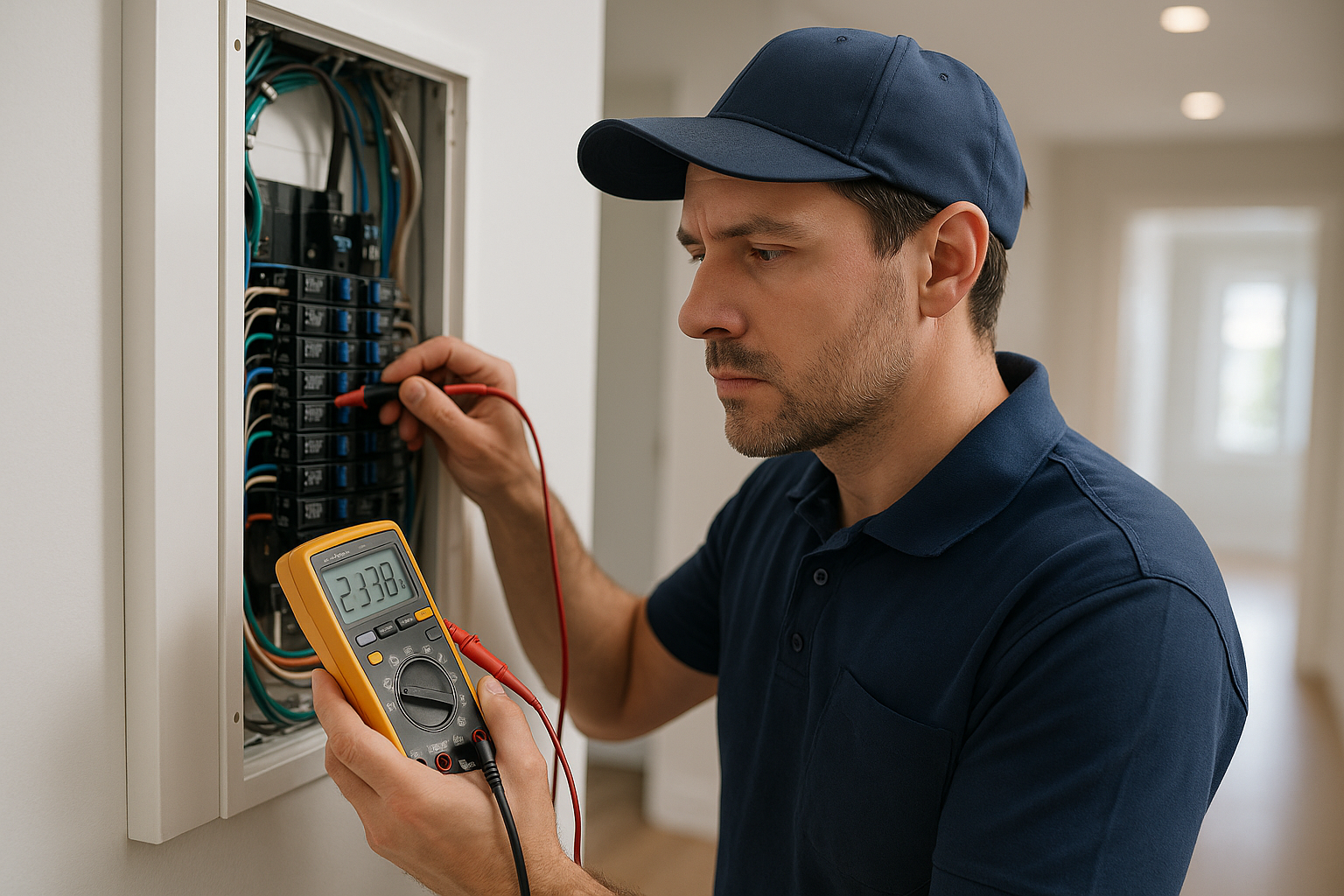
Professional inspection reveals hidden problems through thermal imaging that detects hot spots, voltage testing that identifies imbalances, and physical examination of panels and accessible wiring. Consequently, homeowners should schedule comprehensive electrical safety inspections every five years, or immediately when purchasing older properties.
What Does Faulty Wiring Repair Cost in Southwest Florida?
Repair costs vary dramatically based on problem severity, accessibility, and required scope of work. However, addressing wiring issues promptly almost always costs significantly less than waiting until catastrophic failure occurs.
Simple fixes like replacing a damaged outlet or tightening loose panel connections typically range from $150 to $350 per location. Meanwhile, rewiring a single circuit from panel to endpoints costs $500 to $1,200 depending on length and accessibility. Whole-house rewiring for older homes in Port Charlotte ranges from $8,000 to $18,000 based on size and complexity.
Panel replacements necessary when faulty wiring damages main components cost $2,000 to $4,500 for standard residential upgrades. Moreover, emergency repairs performed after-hours or during power outages carry premium pricing, typically 1.5 to 2 times standard rates. Therefore, proactive maintenance and inspection prevent costly emergency service calls.
Insurance may cover damage from sudden wiring failures, but policies typically exclude gradual deterioration and deferred maintenance. Additionally, coverage often requires documentation that electrical systems received proper professional maintenance. Consequently, regular inspections create valuable records demonstrating responsible homeownership.
Financing options through qualified electrical contractors make necessary safety upgrades accessible to homeowners facing budget constraints. Furthermore, preventing a single major appliance loss or avoiding increased insurance premiums often justifies repair investment many times over.
Frequently Asked Questions About Faulty Wiring
Can faulty wiring cause fires even when breakers don’t trip?
Faulty wiring can absolutely cause fires without tripping circuit breakers because arcing and high-resistance connections generate localized heat that doesn’t draw enough current to trigger overcurrent protection. Breakers protect against overloads and shorts, but they cannot detect dangerous arcing or smoldering connections until current flow increases dramatically. Therefore, arc-fault circuit interrupters provide essential protection that standard breakers cannot offer.
How long does electrical wiring last in Florida homes?
Electrical wiring typically lasts 40 to 70 years depending on material quality, installation workmanship, and environmental conditions. However, homes in Port Charlotte, Venice, and coastal areas experience accelerated deterioration from humidity, salt air, and temperature extremes. Aluminum wiring installed during the 1960s and 1970s requires particular attention because connection points deteriorate faster than copper equivalents.
What are the most common causes of faulty wiring?
The most common causes include aging and deteriorated insulation, loose connections from improper installation or thermal cycling, aluminum wiring expansion creating gaps, rodent or pest damage to conductors, water intrusion from roof leaks or plumbing failures, and overloaded circuits from increased electrical demand. Additionally, unpermitted DIY work and unlicensed contractor installations frequently create hazards that remain hidden for years.
Can faulty wiring increase my electric bill significantly?
Faulty wiring increases electric bills by creating resistance that converts electricity into wasted heat rather than useful work. Poor connections throughout a home can increase consumption by 20 to 40 percent without any change in actual usage patterns. Homeowners in North Port and Punta Gorda often discover substantial savings after addressing deteriorated panel connections and corroded circuit terminations.
Should I buy a house with known wiring problems?
Buying a house with known wiring problems remains viable if you negotiate appropriate price reductions and budget for complete professional remediation. However, insurance companies often refuse coverage or charge premium rates for homes with aluminum wiring, ungrounded systems, or Federal Pacific panels. Therefore, obtain detailed electrical inspection reports and contractor estimates before finalizing purchase agreements.
How quickly can faulty wiring damage escalate?
Faulty wiring damage escalates unpredictably because deterioration accelerates once it begins. A loose connection generates heat that oxidizes metal surfaces, increasing resistance and generating more heat in a progressive cycle. Consequently, a minor issue discovered during routine inspection can progress to catastrophic failure within months once active deterioration starts.
Can I repair faulty wiring myself to save money?
Homeowners should never attempt faulty wiring repairs themselves because electrical work requires specialized knowledge, tools, and licensing to perform safely and legally. Moreover, improper repairs create liability issues for future property sales and insurance claims. Florida law requires licensed electricians for most electrical work, and unpermitted DIY installations violate building codes that protect public safety.
What is the difference between aluminum and copper wiring?
Aluminum wiring is a conductor material used primarily from 1965 to 1973 that expands and contracts more than copper, creating loose connections that overheat and cause fires. Copper wiring provides superior conductivity, durability, and connection stability for residential applications. Therefore, homes with aluminum wiring require special connectors, anti-oxidant paste, and more frequent inspection to maintain safety.
How do electricians find faulty wiring inside walls?
Licensed electricians find hidden faulty wiring using thermal imaging cameras that detect heat signatures from poor connections, circuit tracers that map wiring paths through walls, voltage testing that identifies dangerous conditions, and visual inspection of accessible junction boxes and panel terminations. Additionally, experienced professionals recognize patterns in symptoms that indicate specific failure types and locations throughout Sarasota and Englewood area homes.
Does homeowners insurance cover faulty wiring repairs?
Homeowners insurance typically covers sudden damage from faulty wiring failures, such as fire damage or destroyed appliances, but excludes gradual deterioration and maintenance issues. Policies require homeowners to maintain electrical systems in proper condition, and insurers may deny claims when deferred maintenance contributed to losses. Therefore, documentation of regular professional inspections strengthens coverage and demonstrates responsible property stewardship.
Trust Caliber Electric for Complete Wiring Safety Solutions
For over 20 years, Caliber Electric has protected families throughout Port Charlotte, North Port, Punta Gorda, Venice, Englewood, and Sarasota from the dangers faulty wiring creates. Our family-owned company brings licensed expertise, transparent pricing, and genuine concern for your safety to every service call. Whether you’re experiencing warning signs like flickering lights and warm outlets, planning a whole-house rewire, or simply want peace of mind through comprehensive inspection, our team delivers solutions that protect your most valuable investment.
Don’t wait until faulty wiring causes irreversible damage to your home or threatens your family’s safety. Contact Caliber Electric today at [phone number] or visit our website to schedule your electrical safety inspection. We’re available 24/7 for emergency situations, fully licensed and insured, and committed to the highest standards of workmanship and customer service that have made us Southwest Florida’s trusted electrical contractor for more than two decades.