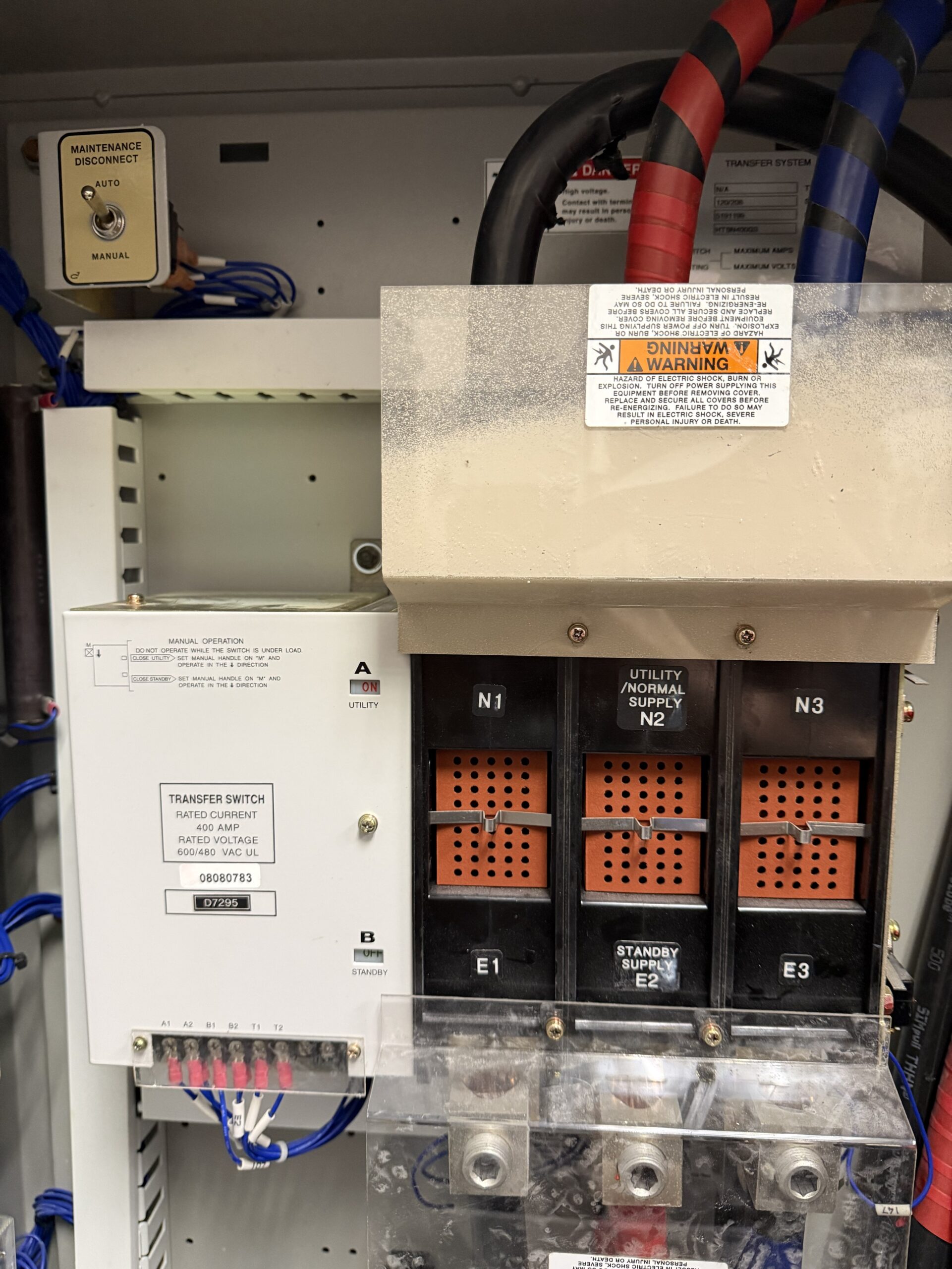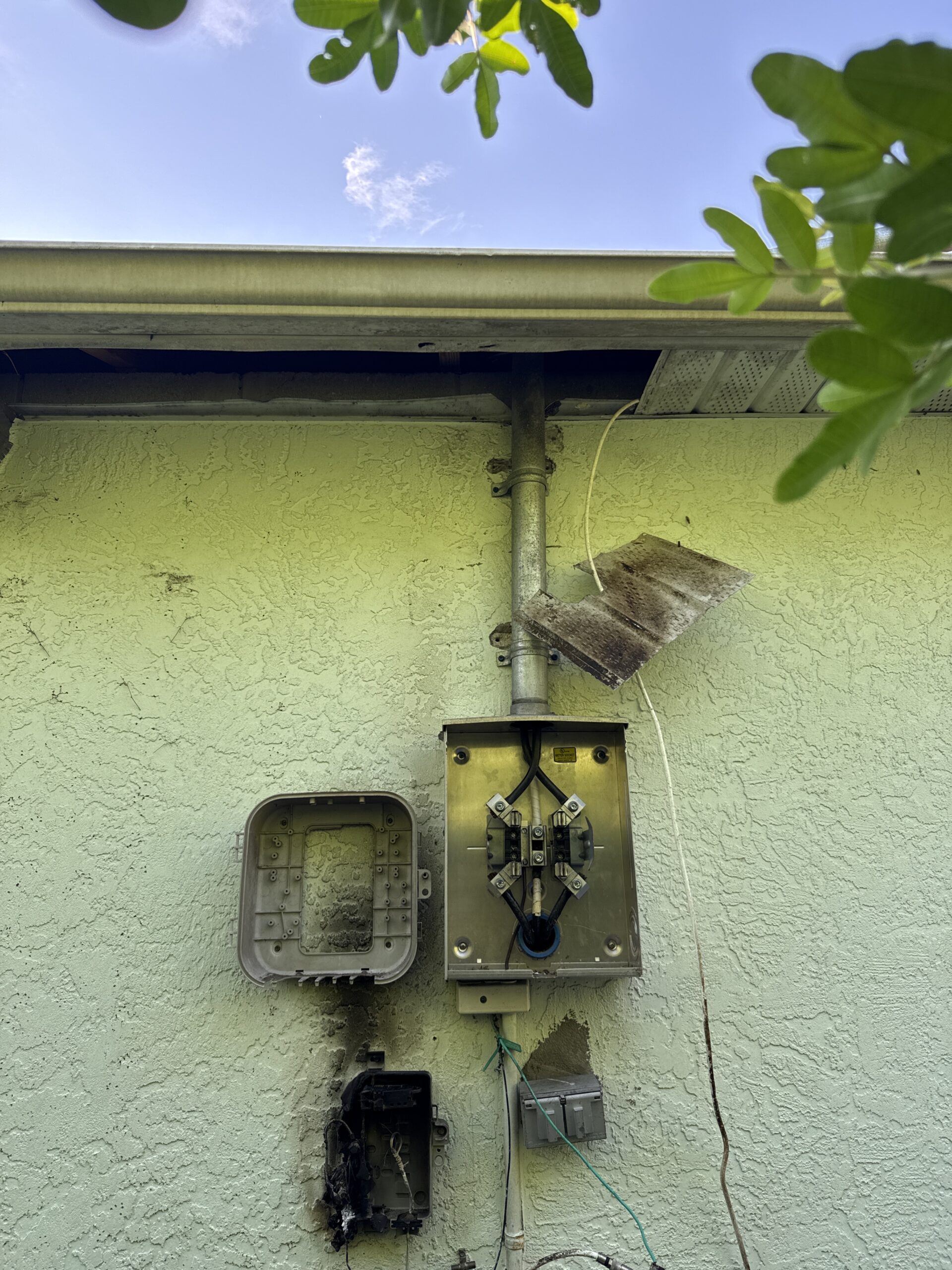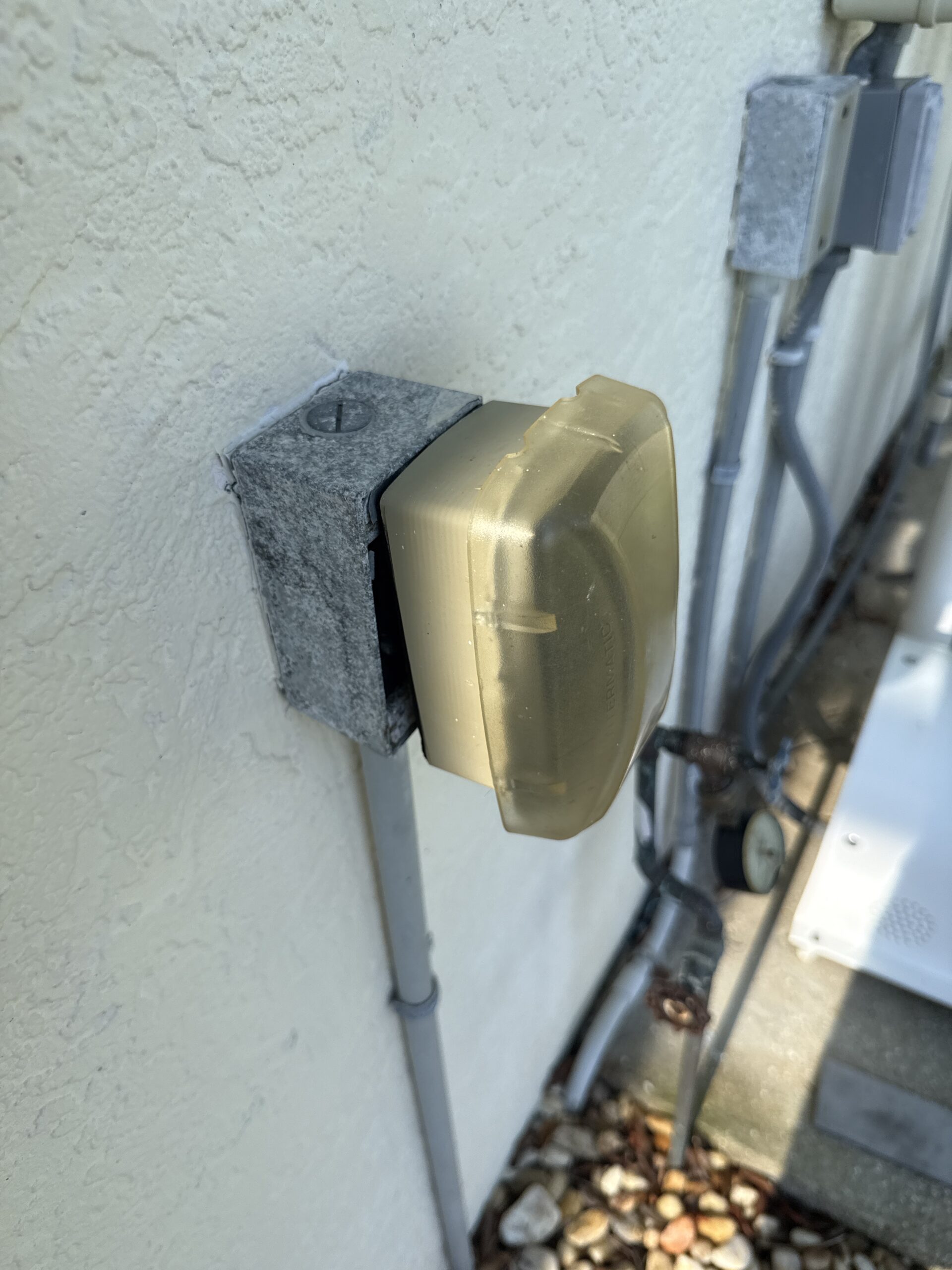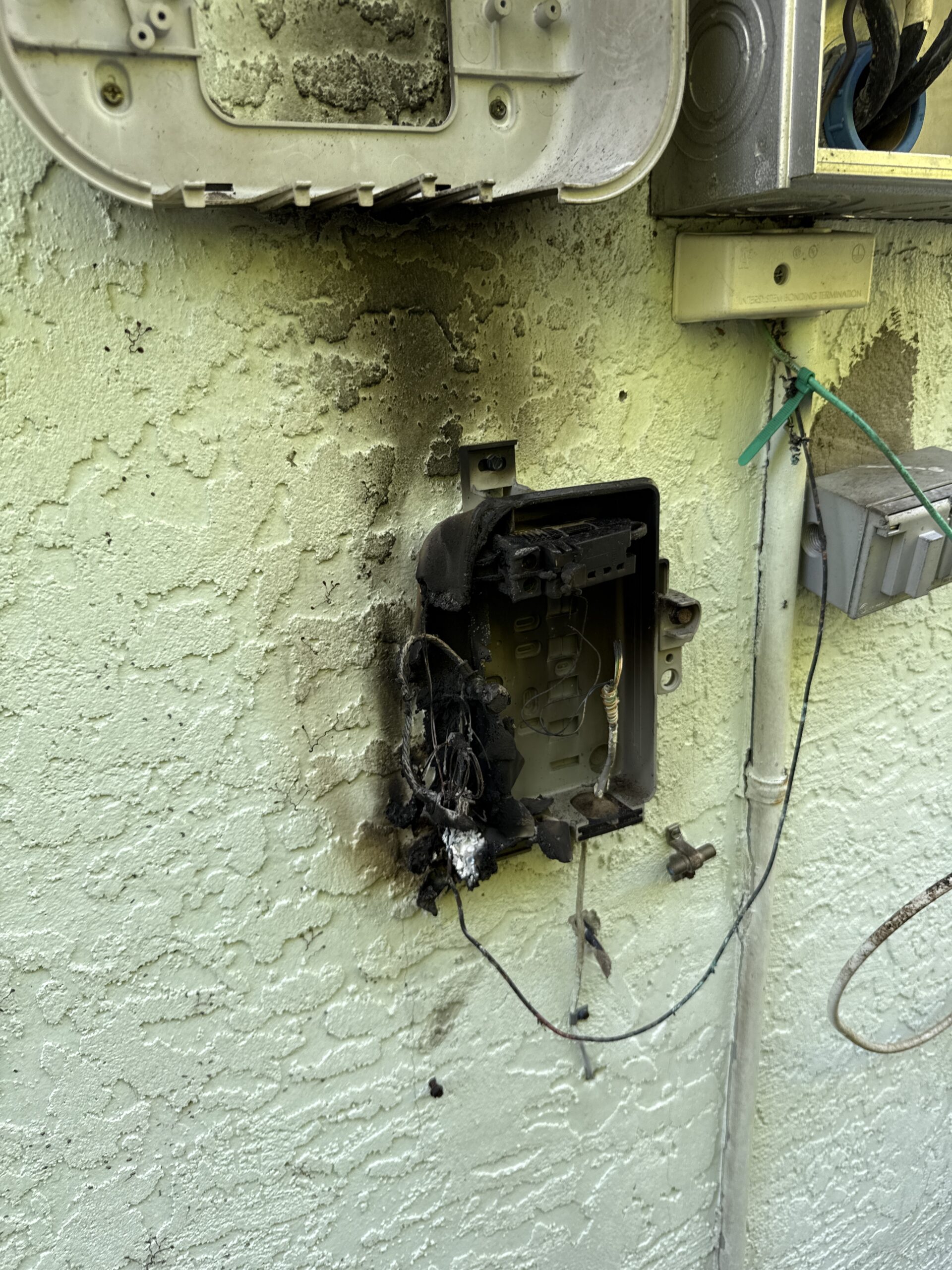


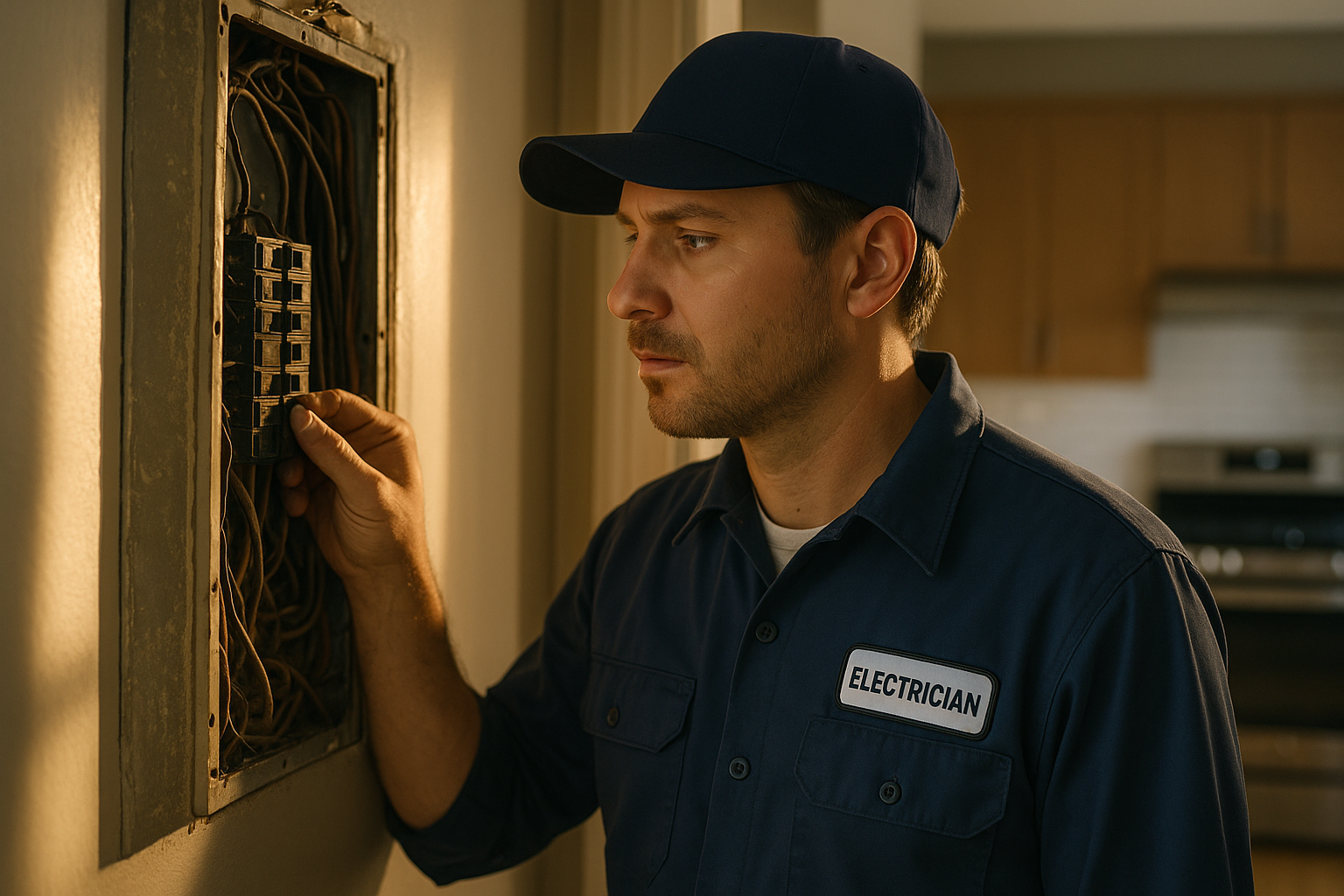
Can bad wiring cause serious problems in your Southwest Florida home? Absolutely. Over our 20-plus years serving Port Charlotte, North Port, Punta Gorda, Venice, Englewood, and Sarasota, we’ve seen firsthand how outdated or damaged electrical systems create dangers ranging from fire hazards to expensive appliance damage. Understanding these risks helps homeowners protect their families and their biggest investment.
Quick Answer: Bad wiring can cause house fires, electrical shocks, power surges that destroy electronics, flickering lights, circuit breaker trips, increased electric bills, and carbon monoxide buildup from malfunctioning appliances. According to the National Fire Protection Association, electrical failures or malfunctions cause an estimated 13% of home fires annually. Professional inspection and repair eliminate these dangerous conditions.
What Are the Most Common Signs of Bad Wiring?
Recognizing warning signs early prevents catastrophic failures. However, many homeowners overlook subtle indicators until a serious problem develops.
1. Frequent Circuit Breaker Trips
Circuit breakers protect your home by shutting off power when they detect overloads or short circuits. Consequently, if your breakers trip repeatedly, the wiring may be deteriorating or improperly sized for your electrical demand. Moreover, this often occurs in older homes where modern appliances exceed the original system’s capacity.
2. Flickering or Dimming Lights
When lights dim while using other appliances, loose connections or inadequate wiring are typically responsible. Furthermore, this problem becomes especially noticeable in Florida homes during summer months when air conditioning systems draw substantial power. In addition, flickering can indicate a poor connection at the fixture, switch, or panel.
3. Burning Smell or Discolored Outlets
A burning odor near outlets, switches, or your electrical panel signals immediate danger. Therefore, shut off power at the main breaker and contact an emergency electrician immediately. Similarly, outlets or switch plates that feel warm, show scorch marks, or have discoloration indicate overheating wiring inside the wall.
4. Buzzing Sounds from Outlets or Switches
Electrical current should flow silently through properly functioning wiring. Indeed, buzzing, crackling, or sizzling sounds indicate loose connections, arcing, or damaged insulation. Meanwhile, these conditions create fire hazards that worsen over time without professional repair.
5. Outdated Two-Prong Outlets
Homes built before the 1960s often have two-prong outlets lacking ground wires. As a result, these systems cannot safely handle modern electronics and appliances. Additionally, the absence of ground-fault circuit interrupter (GFCI) protection in kitchens and bathrooms creates serious shock risks near water sources.
6. Aluminum Wiring
Between 1965 and 1973, builders commonly used aluminum wiring because copper prices soared. However, aluminum expands and contracts differently than copper, leading to loose connections over time. Consequently, homes with aluminum wiring face higher fire risks according to the U.S. Consumer Product Safety Commission.
Can Bad Wiring Cause Fires in Your Home?
Electrical fires represent one of the most devastating consequences of faulty wiring. In fact, understanding these risks helps homeowners take preventive action before tragedy strikes.
Damaged insulation around wires creates opportunities for electrical arcing, which generates extreme heat. Furthermore, when this heat ignites nearby combustible materials like wood framing, insulation, or stored items, fires spread rapidly inside walls where smoke detectors cannot provide early warning.
Overloaded circuits force wiring to carry more current than designed capacity. Therefore, this excessive current generates heat that degrades insulation and creates hot spots. Moreover, in older Port Charlotte and Punta Goda homes with original wiring, adding modern appliances without upgrading the electrical system compounds these dangers.
Loose connections at outlets, switches, or junction boxes increase electrical resistance. As a result, these high-resistance points generate heat that can ignite surrounding materials. Additionally, vibrations from nearby traffic, settling foundations common in Southwest Florida’s sandy soil, or repeated plug insertions worsen these loose connections over time.
Short circuits occur when hot wires contact neutral wires or ground wires, creating unintended current paths. Consequently, the sudden surge of electricity generates sparks and intense heat. Meanwhile, rodents chewing through wire insulation frequently cause these dangerous conditions in attics and crawl spaces.
What Other Problems Can Bad Wiring Cause?
Beyond fire risks, faulty electrical systems create numerous other expensive and dangerous situations. Indeed, many homeowners discover these problems only after significant damage occurs.
Power Surges Damaging Electronics
Bad wiring creates voltage fluctuations that send damaging power surges through your electrical system. Therefore, expensive electronics like computers, televisions, smart home systems, and kitchen appliances suffer shortened lifespans or sudden failures. Furthermore, while surge protectors offer some defense, they cannot fully compensate for systemic wiring problems. For comprehensive protection strategies, homeowners should explore professional surge protection options.
Electrical Shocks
Faulty wiring increases shock risks, especially in bathrooms and kitchens where water and electricity coexist. Moreover, shocks ranging from mild tingles to severe injuries occur when damaged insulation allows current to reach metal fixtures, appliance housings, or plumbing systems. In addition, homes in Venice and Englewood’s coastal areas face accelerated corrosion that worsens these conditions.
Increased Energy Bills
Deteriorating connections create electrical resistance that wastes energy as heat rather than powering your appliances efficiently. Consequently, homeowners notice unexplained increases in monthly electric bills. Similarly, this inefficiency forces HVAC systems, water heaters, and other major appliances to work harder, compounding energy waste. If you’re experiencing unusually high bills, faulty wiring might be increasing your electric costs more than you realize.
Carbon Monoxide Risks
When bad wiring affects gas appliances’ ignition systems or exhaust fans, incomplete combustion or inadequate ventilation can allow deadly carbon monoxide to accumulate. Therefore, malfunctioning electrical components in furnaces, water heaters, or dryers create silent dangers that carbon monoxide detectors may not catch until concentrations reach dangerous levels.
Property Damage
Beyond immediate fire risks, bad wiring causes ongoing damage to your home’s structure and finishes. Indeed, electrical arcing inside walls creates charred wood, melted insulation, and damaged drywall. Meanwhile, heat from overloaded circuits can discolor paint, warp trim, and damage surrounding building materials.
Failed Home Inspections
When selling your North Port or Sarasota home, inspectors identify outdated or dangerous wiring that buyers demand be corrected before closing. As a result, these required repairs create unexpected expenses and delays. Furthermore, serious electrical deficiencies give buyers leverage to negotiate lower purchase prices or walk away entirely.
How Much Does It Cost to Fix Bad Wiring?
Understanding repair costs helps homeowners budget appropriately and prioritize safety investments. However, prices vary significantly based on the scope of problems discovered.
Minor repairs like replacing a single outlet or switch typically cost between $150 and $350, including the service call. Moreover, fixing isolated wiring problems in accessible locations remains relatively affordable for most homeowners.
Partial rewiring of one room or circuit generally ranges from $1,500 to $3,000, depending on room size and accessibility. Therefore, upgrading kitchen or bathroom circuits to modern standards with GFCI protection represents a mid-range investment that significantly improves safety.
Whole-house rewiring costs between $8,000 and $15,000 for most Southwest Florida homes, though larger properties or those with complicated layouts cost more. Consequently, while this represents a substantial investment, it eliminates fire risks, improves home value, and provides peace of mind for decades.
Panel upgrades from outdated 100-amp to modern 200-amp service cost $2,500 to $4,500 on average. Additionally, these upgrades support today’s electrical demands while providing capacity for future additions like electric vehicle chargers or backup generators.
Aluminum wiring remediation through methods like COPALUM connections or full copper replacement ranges from $2,000 to $15,000, depending on home size and chosen approach. Furthermore, addressing this specific hazard prevents the elevated fire risks associated with aging aluminum systems.
Emergency repairs after electrical fires or severe failures often cost more because of the urgent nature and extent of damage. Indeed, investing in preventive inspections and timely repairs proves far less expensive than emergency restoration.
Most homeowner’s insurance policies don’t cover damage from long-term deterioration or lack of maintenance. However, documenting professional inspections and repairs may help with claims if unexpected failures occur despite diligent care.
When Should You Call a Professional Electrician?
Certain situations demand immediate professional attention rather than waiting for a scheduled inspection. Therefore, understanding when to call ensures your family’s safety.
Contact an emergency electrician immediately if you smell burning near electrical components, see smoke or sparks from outlets or switches, experience repeated severe shocks, or notice scorch marks on electrical fixtures. Moreover, these situations indicate imminent fire or shock hazards requiring immediate intervention.
Schedule a professional inspection if your home is more than 40 years old and has original wiring, you’re planning significant remodeling or additions, you’re preparing to sell your home, or you’ve recently purchased an older property. Additionally, proactive inspections identify problems before they create emergencies.
Plan electrical system upgrades when adding major appliances like hot tubs or electric vehicle chargers, converting to whole-home surge protection, installing backup generator systems, or addressing insurance requirements for older homes. Indeed, these improvements require proper engineering to ensure safe operation.
Consider full rewiring if you have aluminum wiring, cloth-insulated wiring, knob-and-tube wiring, or Federal Pacific or Zinsco electrical panels known for safety issues. Furthermore, these outdated components create risks that modern electrical systems eliminate entirely.
Watch for warning signs including frequently replaced light bulbs, appliances that don’t operate at full power, unusual sounds from electrical components, or persistent musty odors near outlets that might indicate overheating. Similarly, these symptoms often precede more serious failures if left unaddressed.
Frequently Asked Questions About Bad Wiring
Can bad wiring cause a fire even if circuit breakers don’t trip?
Yes, circuit breakers protect against overloads and short circuits but may not detect all dangerous conditions. Arcing, deteriorating insulation, and high-resistance connections can generate heat sufficient to start fires without drawing enough current to trip breakers. Professional inspection identifies these hidden dangers.
How long does electrical wiring last in Florida homes?
Properly installed copper wiring typically lasts 50 to 70 years, though insulation may degrade faster in hot attics and humid coastal environments. However, aluminum wiring, knob-and-tube systems, and cloth-insulated wiring require earlier replacement. Regular inspections every 10 years help identify deterioration before it becomes dangerous.
Can bad wiring cause high electric bills?
Absolutely. Corroded connections and damaged wiring create electrical resistance that wastes energy as heat rather than powering your appliances efficiently. This inefficiency forces electrical systems to work harder, increasing consumption. Professional electricians can measure voltage drops and identify wasteful conditions during inspections.
What is the biggest danger of bad wiring?
House fires represent the most catastrophic risk from faulty electrical systems. Electrical fires often start inside walls where early detection is difficult, allowing them to spread extensively before discovery. These fires endanger lives, destroy property, and create devastating financial losses even when insurance provides coverage.
Can I inspect my own home’s wiring?
While homeowners can observe visible warning signs like discolored outlets or flickering lights, comprehensive electrical inspection requires specialized tools and training. Licensed electricians use thermal imaging, voltage testers, and other equipment to identify hidden problems inside walls, panels, and junction boxes that visual inspection cannot detect.
How often should older homes have electrical inspections?
Homes over 40 years old benefit from professional electrical inspections every 5 to 10 years, or sooner if warning signs appear. Homes with known aluminum wiring, outdated panels, or histories of electrical problems should receive more frequent inspections. Regular assessments catch deterioration early when repairs remain manageable and affordable.
Does homeowner’s insurance cover bad wiring repairs?
Standard policies typically don’t cover repairs for wear, deterioration, or deferred maintenance. However, damage caused by sudden electrical failures may receive coverage depending on policy terms and circumstances. Some insurers require electrical upgrades as a condition of coverage for older homes, making professional assessment valuable for policy compliance.
Why Caliber Electric Is Your Trusted Partner for Electrical Safety
For over 20 years, Caliber Electric has served families throughout Port Charlotte, North Port, Punta Gorda, Venice, Englewood, and Sarasota with honest, professional electrical services. Our family-owned company understands that your home’s electrical system protects your family’s safety and your property’s value. Therefore, we provide thorough inspections, transparent pricing, and expert repairs that eliminate dangerous wiring conditions.
Our fully licensed and insured electricians have the training, experience, and specialized equipment to identify hidden electrical hazards that put your home at risk. Moreover, we explain findings in plain language, answer all your questions, and provide options that fit your budget and timeline. Whether you need emergency repairs, routine inspections, panel upgrades, or whole-house rewiring, we treat your home with the same care we’d give our own family’s property.
Don’t wait for warning signs to become disasters. Contact Caliber Electric today at (941) 429-2233 for a comprehensive electrical safety inspection. We’ll identify potential problems, explain your options, and provide the professional solutions that keep Southwest Florida families safe. Because when it comes to electrical safety, experience and integrity matter.