

Many homeowners throughout Port Charlotte, Punta Gorda, and surrounding Southwest Florida communities wonder if can old wiring cause serious problems in their homes. After more than 20 years as a family-owned electrical contractor serving residential and commercial properties across the region, we’ve seen firsthand the dangers that outdated electrical systems can present. Understanding these risks isn’t just about electrical performance; moreover, it’s about protecting your family and your most valuable investment.
Quick Answer: Old wiring can cause numerous dangerous problems including electrical fires, power surges, frequent circuit breaker trips, flickering lights, and damaged appliances. Homes built before 1970 often contain outdated wiring materials like aluminum wiring or knob-and-tube systems that deteriorate over time, creating shock hazards and fire risks. Professional inspection and rewiring are essential for safety and code compliance.
What Can Old Wiring Cause in Your Home?
The electrical system in your home works tirelessly behind walls and beneath floors, and consequently, problems often go unnoticed until they become serious. Old wiring deteriorates in multiple ways that create both immediate dangers and long-term risks.
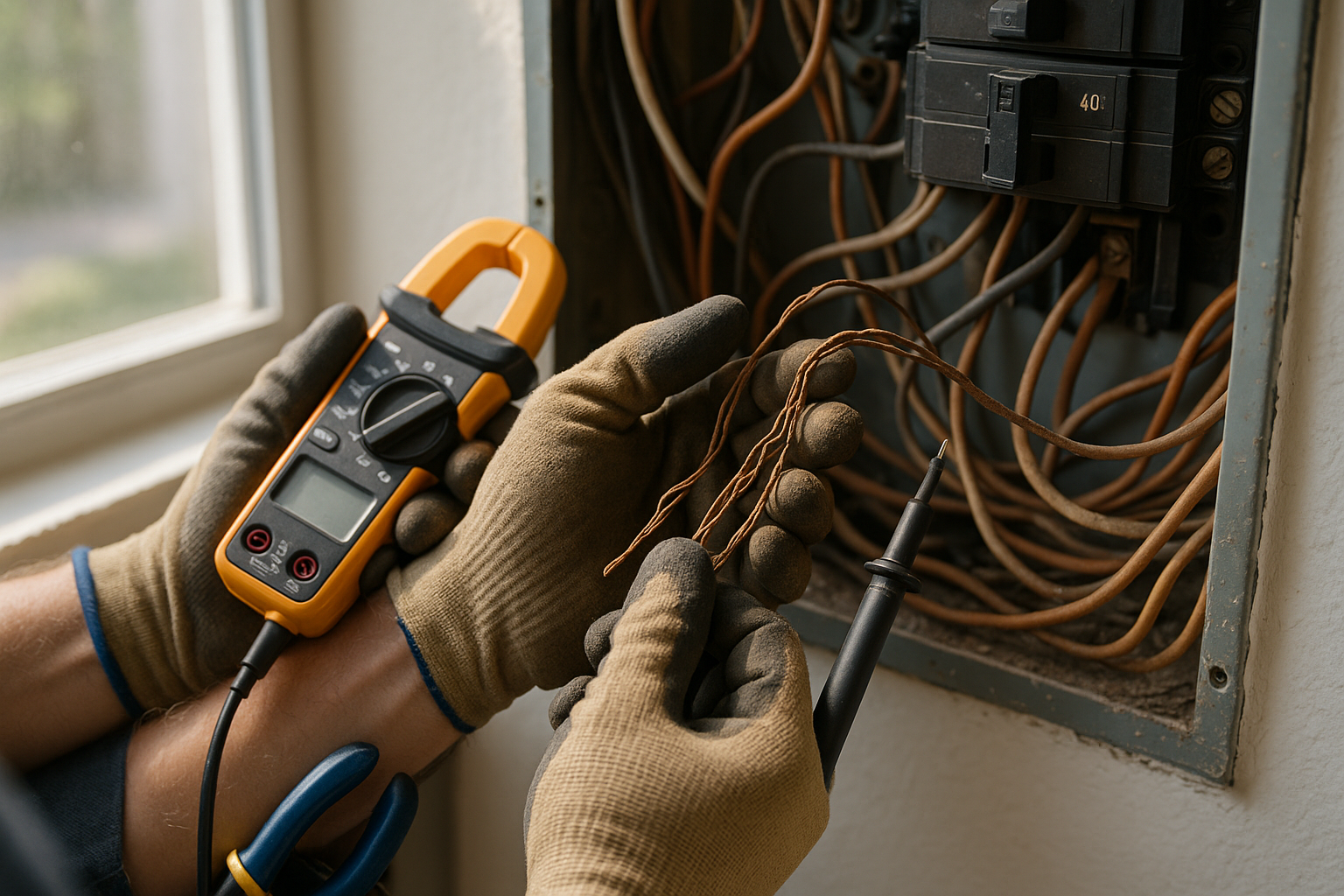
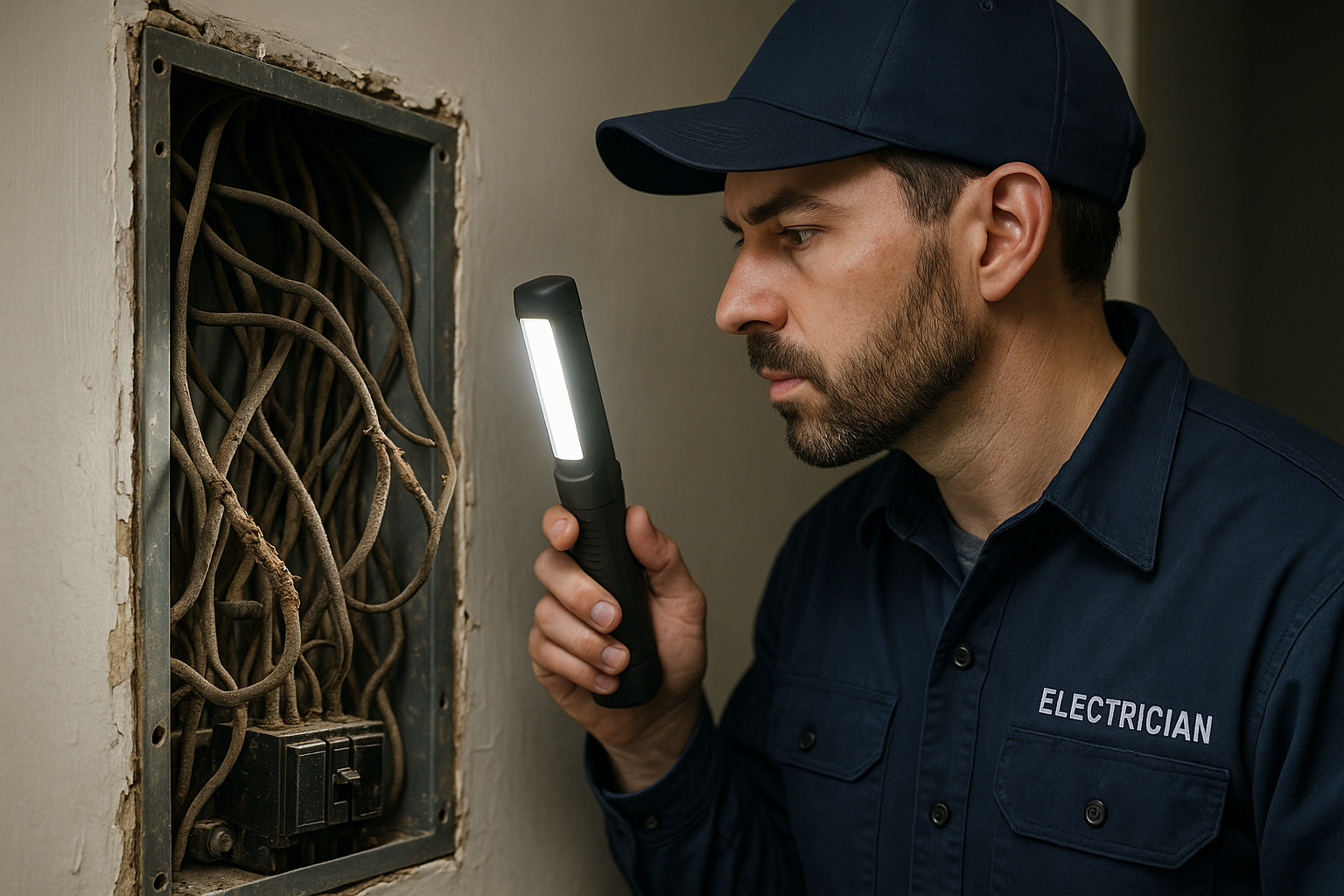
First and foremost, aged insulation breaks down over time. The rubber or cloth covering that protects electrical wires becomes brittle, cracks, and eventually exposes bare copper conductors. This deterioration accelerates in Florida’s humid climate, where temperature fluctuations and moisture create additional stress on electrical components. When insulation fails, the risk of electrical shock and fire increases dramatically.
Additionally, outdated wiring systems weren’t designed to handle modern electrical loads. Homes built in the 1960s and 1970s typically had electrical panels rated for 60 to 100 amps, whereas today’s homes commonly require 200-amp service or more. The proliferation of electronics, appliances, HVAC systems, and other power-hungry devices creates constant strain on undersized electrical systems.
Furthermore, certain wiring materials used decades ago are now recognized as safety hazards. According to the U.S. Consumer Product Safety Commission, aluminum wiring installed in millions of homes during the 1960s and 1970s presents a serious fire hazard due to its expansion properties and connection failures. Knob-and-tube wiring, common in homes built before 1950, lacks a ground wire entirely and cannot safely support modern electrical demands.
8 Dangerous Problems Can Old Wiring Cause
1. Electrical Fires
Electrical fires represent the most serious hazard that can old wiring cause in residential properties. Deteriorated insulation allows electrical arcing between conductors, creating sparks that can ignite surrounding materials inside walls and ceilings. These fires often smolder undetected for hours before becoming visible, giving them time to spread throughout structural cavities.
In our experience serving Venice, Englewood, and Sarasota, we’ve responded to emergency calls where homeowners discovered scorch marks inside electrical panels or smelled burning plastic. These warning signs indicate that connections have overheated due to increased resistance in aging wiring. The National Fire Protection Association estimates that electrical failures or malfunctions cause approximately 13% of home fires annually, with outdated wiring being a significant contributing factor.
2. Repeated Circuit Breaker Trips
Frequent breaker trips signal that your electrical system is struggling under the load. While circuit breakers are designed to trip as a safety mechanism, constant tripping indicates an underlying problem. Old wiring develops high resistance at connection points, causing excessive heat buildup that triggers the breaker’s thermal protection.
However, this symptom becomes particularly concerning when specific circuits trip repeatedly. In homes throughout North Port and Port Charlotte, we frequently find that kitchen and bathroom circuits installed decades ago can no longer safely support the combination of modern appliances operating simultaneously. Homeowners often resort to resetting breakers multiple times daily, not realizing they’re experiencing a serious safety warning.
3. Power Surges and Voltage Fluctuations
Inconsistent power delivery throughout your home indicates compromised wiring integrity. Old wiring connections loosen over time, creating points of high resistance that cause voltage to fluctuate unpredictably. These surges may be subtle, causing lights to dim briefly when appliances start, or dramatic enough to damage sensitive electronics.
Moreover, deteriorated neutral connections create particularly dangerous voltage imbalances. We’ve inspected homes where residents experienced frequent electronic failures, from burned-out television components to damaged computer equipment. In many cases, the root cause was a degraded neutral wire that allowed voltage to vary wildly between 90 and 140 volts instead of maintaining a steady 120 volts.
4. Electrical Shocks from Outlets or Switches
Experiencing a shock when touching a switch, outlet, or appliance represents a serious hazard that demands immediate attention. This problem occurs when deteriorated insulation allows energized conductors to contact metal components or when grounding systems fail completely. Old wiring systems often lack adequate grounding, leaving no safe path for fault currents.
Furthermore, aluminum wiring creates additional shock risks due to connection failures. Aluminum expands and contracts more than copper when heated and cooled, eventually loosening connections at outlets and switches. These loose connections create hot spots and may energize metal components that should remain neutral. For families with children or elderly residents in Punta Gorda and surrounding areas, this hazard is particularly concerning.
5. Overheating Outlets and Switches
Outlets or switches that feel warm or hot to the touch indicate dangerous resistance at connection points. As wiring ages, connections oxidize and loosen, forcing electricity to overcome increased resistance. This resistance converts electrical energy into heat, which builds up inside junction boxes and wall cavities.
In addition, discolored or melted outlet covers provide visual evidence of overheating. During inspections throughout Southwest Florida, we’ve found outlets where the plastic face has begun to melt or where scorch marks appear on walls surrounding the device. These conditions represent fires in their earliest stages, contained only by the electrical box itself.
6. Burning Smell or Smoke
A burning odor emanating from outlets, switches, or the electrical panel requires immediate professional response. This smell indicates that insulation, wire connectors, or surrounding materials have begun to burn. In many cases, homeowners describe the odor as similar to burning plastic or hot electrical components.
Similarly, visible smoke or sparks represent an electrical emergency. We’ve responded to calls in Venice and Englewood where homeowners witnessed small sparks or puffs of smoke from outlets. These events occur when deteriorated wiring creates arcing between conductors or when connections have failed completely, allowing metal-to-metal contact between energized and neutral wires.
7. Flickering or Dimming Lights
While occasional light flickering may result from utility company issues, consistent flickering throughout your home points to internal wiring problems. Old wiring develops poor connections that create intermittent contact, causing lights to flicker as resistance varies. This symptom becomes particularly noticeable when large appliances cycle on and off.
Additionally, lights that dim when appliances start indicate inadequate circuit capacity or high resistance in the wiring system. In older Sarasota and Port Charlotte homes, we frequently discover that lighting circuits share connections with appliance circuits, creating voltage drop when heavy loads activate. This configuration violates modern electrical codes and indicates outdated wiring practices.
8. Two-Prong Outlets Throughout Your Home
The presence of two-prong outlets reveals an electrical system without proper grounding protection. Homes wired before the 1960s typically used two-wire systems that provided only hot and neutral conductors. Modern electrical codes require three-wire systems that include a ground wire for safety. If you’re looking for guidance on finding qualified professionals to address these issues, our guide on how to choose certified electricians in North Port provides valuable insights for homeowners.
Why Does Old Wiring Deteriorate?
Understanding the aging process helps homeowners recognize when their electrical systems require professional evaluation. Several factors contribute to wiring deterioration, especially in Southwest Florida’s challenging climate.
Material degradation represents the primary cause of wiring failure. Insulation materials used decades ago simply weren’t designed for the 50-year-plus lifespan many homeowners expect. Rubber insulation becomes brittle and crumbles away, while cloth wrapping disintegrates entirely. Even early plastic insulation formulations break down faster than modern materials, particularly when exposed to heat cycles from overloaded circuits.
Environmental factors accelerate deterioration in coastal communities. High humidity penetrates walls and electrical boxes, promoting corrosion at connection points and attacking metal components. Salt air in communities near the Gulf of Mexico creates additional corrosion challenges. Temperature extremes in attics and crawl spaces subject wiring to repeated expansion and contraction cycles that loosen connections and stress insulation.
Physical stress also contributes to wiring failure. Rodents occasionally chew through insulation, particularly in attic spaces and crawl areas. Renovation projects sometimes damage concealed wiring when workers drive nails or screws through walls. Even routine activities like hanging pictures can pierce cables routed too close to finished surfaces.
Finally, electrical overloading creates heat that speeds deterioration. When circuits consistently carry loads near their maximum capacity, conductors and connections operate at elevated temperatures. This constant heat exposure breaks down insulation exponentially faster than normal operating conditions would suggest.
How Much Does Electrical Rewiring Cost?
Understanding the investment required for electrical upgrades helps homeowners plan appropriately and prioritize safety improvements. Rewiring costs vary based on several factors, including home size, access to existing wiring, and the extent of the upgrade required.
Partial rewiring projects typically address specific problem areas or high-priority circuits. Homeowners in North Port and Port Charlotte commonly request kitchen and bathroom circuit upgrades to support modern appliances. These targeted projects generally range from $1,500 to $4,000, depending on the number of circuits involved and accessibility of existing wiring paths.
Whole-house rewiring represents a more substantial investment that provides comprehensive safety improvements and long-term peace of mind. For average-sized homes of 1,500 to 2,500 square feet, complete rewiring projects typically range from $8,000 to $15,000. Larger homes or properties with limited access to wiring routes may require investments of $15,000 to $25,000 or more.
Several factors influence the final cost of rewiring projects. Homes with finished ceilings and walls require more labor to access wiring routes, potentially involving drywall repairs and repainting. Conversely, properties with accessible attics and crawl spaces allow electricians to route new cables with minimal disruption, reducing labor costs significantly. Panel upgrades often accompany rewiring projects, adding $1,500 to $3,500 to the total investment depending on the service capacity required.
Financing options make safety upgrades more accessible for homeowners. Many electrical contractors offer payment plans or work with financing companies to spread costs over manageable monthly payments. Additionally, homeowners insurance companies sometimes provide discounts for homes with updated electrical systems, creating long-term savings that offset upgrade costs.
What Should You Do If You Have Old Wiring?
Taking proactive steps protects your family and property while addressing electrical system concerns systematically. Homeowners who suspect outdated wiring should follow a clear action plan.
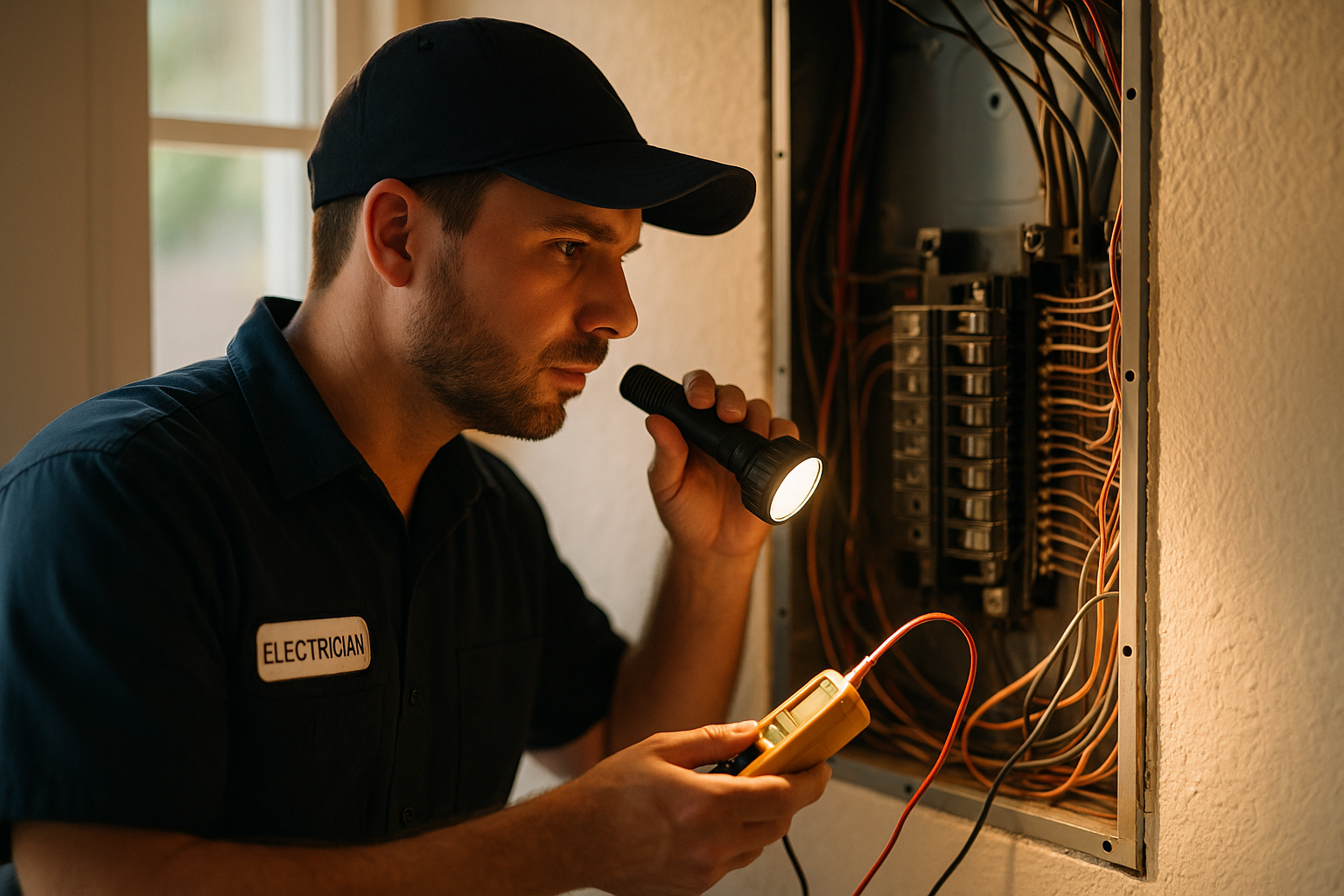
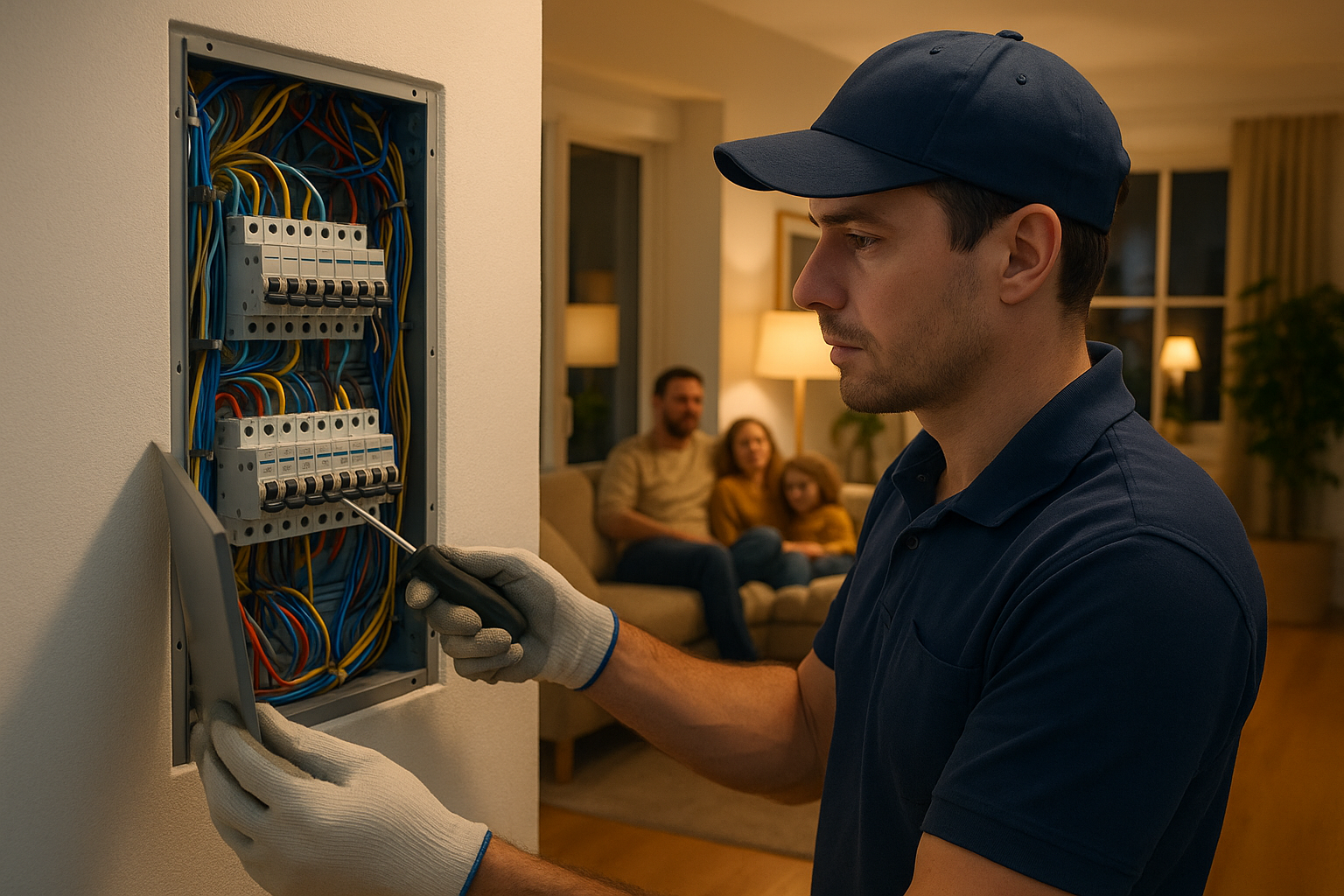
First, schedule a professional electrical inspection with a licensed contractor. During this evaluation, an experienced electrician examines your electrical panel, tests outlets and circuits throughout the home, and inspects accessible wiring for signs of deterioration. This comprehensive assessment identifies immediate hazards and prioritizes recommended upgrades. For Southwest Florida homeowners, choosing a locally established contractor with extensive regional experience ensures familiarity with common wiring issues in homes built during specific decades.
Second, document any warning signs you’ve observed. Keep a record of circuit breaker trips, noting which circuits trip and under what conditions. Photograph any discolored outlets, document instances of electrical shocks, and note locations where you’ve detected burning odors. This information helps electricians diagnose problems more efficiently and ensures no symptoms are overlooked during inspection.
Third, avoid overloading circuits while planning upgrades. Distribute electrical loads across multiple circuits rather than plugging numerous devices into a single outlet strip. Unplug appliances when not in use, especially in kitchens and workshops where power tools and small appliances concentrate. These temporary measures reduce strain on aging wiring systems until permanent upgrades can be completed.
Fourth, never attempt DIY repairs on systems you suspect contain old or damaged wiring. Electrical work requires specialized knowledge, proper tools, and thorough understanding of local electrical codes. Improper repairs create additional hazards and may void homeowners insurance coverage. Furthermore, unpermitted electrical work can complicate future home sales and create liability issues.
Finally, prioritize upgrades based on safety and functionality. Address immediate hazards first, such as outlets showing signs of overheating or circuits that trip frequently. Then consider capacity upgrades that improve your home’s ability to support modern electrical demands, including panel upgrades, dedicated circuits for major appliances, and installation of whole-house surge protection.
Frequently Asked Questions About Old Wiring Problems
Can old wiring cause high electricity bills?
Yes, deteriorated wiring can increase electricity consumption through resistive losses. Poor connections and corroded terminals create resistance that converts electrical energy into wasted heat, forcing your electrical system to work harder to deliver the same amount of usable power to appliances and devices.
How old does wiring need to be before it becomes dangerous?
Wiring older than 40 years typically requires professional evaluation, particularly for homes built before 1980. However, the condition of wiring matters more than age alone; consequently, poorly maintained systems or those subjected to overloading may develop problems much sooner.
Can old wiring affect my home’s resale value?
Absolutely. Home inspectors flag outdated electrical systems as major concerns, often recommending buyers request rewiring or negotiate lower purchase prices. Updating your electrical system before selling eliminates this negotiating point and may actually increase your home’s market value.
Will homeowners insurance cover old wiring problems?
Most insurance policies exclude damage resulting from gradual deterioration or maintenance issues. However, some insurers require electrical updates for homes with known wiring hazards or may increase premiums for properties with outdated systems. Always disclose wiring age and condition to your insurance provider.
Can I replace outlets without rewiring the entire house?
While replacing outlets improves cosmetic appearance and may add grounding protection in some cases, it doesn’t address deteriorated wiring behind walls. A qualified electrician can assess whether targeted upgrades provide adequate safety or whether more comprehensive rewiring is necessary.
What are the signs that old wiring is causing problems right now?
Immediate warning signs include frequently tripping breakers, burning smells, discolored outlets, electrical shocks from switches or appliances, flickering lights, and buzzing sounds from outlets or panels. Any of these symptoms warrants immediate professional inspection.
How long does a whole-house rewiring project take?
Most complete rewiring projects for average-sized homes take three to seven days, depending on home size, accessibility, and whether walls need to be opened. Electricians typically work to maintain power to essential circuits throughout the project, minimizing disruption to daily routines.
Trust Caliber Electric for Your Electrical Safety Needs
When you’re concerned about what can old wiring cause in your Southwest Florida home, partnering with an experienced, family-owned electrical contractor makes all the difference. Caliber Electric has served homeowners and businesses throughout Port Charlotte, North Port, Punta Gorda, Venice, Englewood, and Sarasota for more than 20 years, building a reputation for thorough electrical inspections, honest assessments, and quality workmanship. Our fully licensed electricians understand the specific challenges that aging electrical systems present in Florida homes, from humidity-related deterioration to the unique demands of coastal living. Whether you need a comprehensive electrical safety inspection, panel upgrade, complete rewiring, or emergency electrical service, our team brings the expertise and commitment to customer service that comes from being a local, family-owned business invested in our community. Don’t wait for warning signs to become emergencies. Contact Caliber Electric today to schedule your electrical safety inspection and discover the peace of mind that comes from knowing your home’s electrical system is safe, code-compliant, and ready to support your family’s needs for decades to come.