

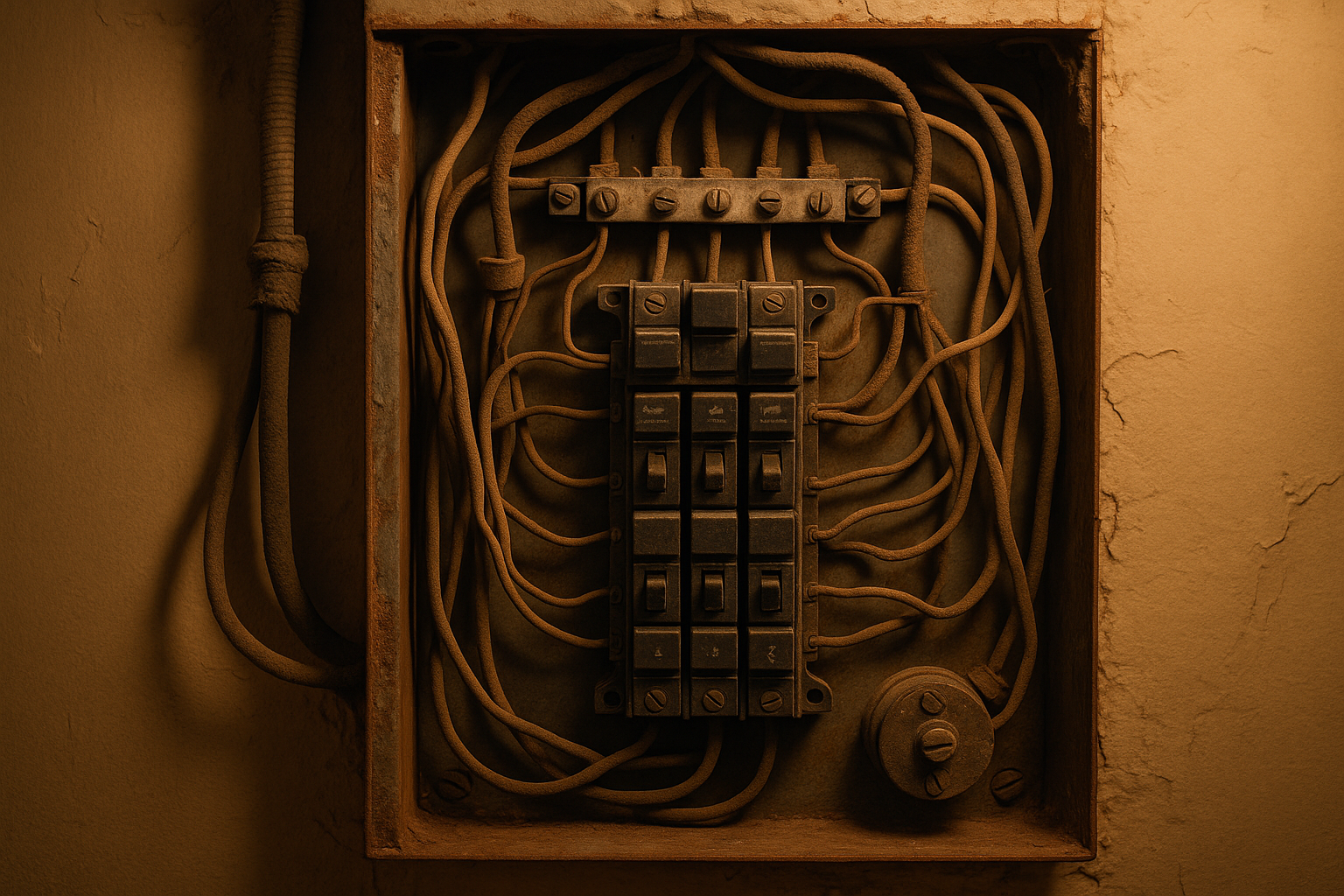
If you own a home built before 1990 in Port Charlotte, North Port, Punta Gorda, Venice, Englewood, or Sarasota, you might be wondering: can old wiring cause serious problems in my home? The short answer is yes. Outdated electrical systems are responsible for thousands of house fires every year and can lead to everything from flickering lights to complete electrical failure. Moreover, older wiring wasn’t designed to handle the electrical demands of modern appliances, smart home devices, and electric vehicle chargers that many families rely on today.
Quick Answer: Old wiring can cause numerous problems including electrical fires, frequent circuit breaker trips, flickering lights, power surges, and inability to support modern electrical loads. Homes built before 1990 often have outdated wiring types like knob-and-tube or aluminum wiring that pose safety risks. Most electrical fires stem from aging, deteriorating wiring that no longer meets current safety standards. Professional inspection and replacement typically cost $1,500 to $10,000 depending on home size and wiring condition.
At Caliber Electric, we’ve spent over 20 years helping Southwest Florida families identify and resolve electrical hazards in older homes. As a family-owned business, we understand the importance of keeping your home safe without unnecessary upselling. This comprehensive guide will walk you through the warning signs, safety risks, and solutions for aging electrical systems.
What Types of Old Wiring Can Cause the Most Problems?
Understanding the type of wiring in your home is the first step toward identifying potential hazards. Different wiring types present unique challenges and safety concerns.
1. Knob-and-Tube Wiring (Pre-1950s)
Knob-and-tube wiring was the standard electrical installation method from the 1880s through the 1940s. This system uses porcelain knobs and tubes to route individual wires through wall cavities. While it was effective for low electrical demands of the era, it lacks a grounding conductor, making it incompatible with modern three-prong outlets and appliances. Furthermore, insulation often deteriorates over decades of exposure to heat and rodents, creating fire risks. The National Fire Protection Association identifies deteriorating insulation as a leading cause of electrical fires in older homes.
2. Aluminum Wiring (1960s-1970s)
During the copper shortage of the 1960s and early 1970s, many homes were wired with aluminum conductors. Aluminum wiring expands and contracts more than copper when heated, which can cause connections to loosen over time. These loose connections create hot spots that increase fire risk. Additionally, aluminum oxidizes when exposed to air, creating resistance that generates even more heat at connection points. Homes in North Port and Port Charlotte built during this era often have aluminum wiring that requires special attention.
3. Cloth-Insulated Wiring (1920s-1960s)
Cloth-insulated wiring features rubber insulation wrapped in fabric. Over decades, the rubber becomes brittle and flakes away, leaving bare conductors exposed. This deterioration accelerates in hot attics and humid climates like Southwest Florida. When insulation fails, wires can short circuit against metal junction boxes or other conductors, creating sparks and potential fires. Therefore, homeowners with cloth-wrapped wiring should prioritize professional inspection.
4. Two-Prong Outlets and Ungrounded Systems
Many older homes throughout Punta Gorda and Venice still have two-prong outlets, indicating an ungrounded electrical system. Grounding provides a safe path for electrical current in case of a short circuit or surge. Without proper grounding, you’re at increased risk of electrical shock, appliance damage, and fire. Modern safety standards require grounded three-prong outlets in all living spaces.
Can Old Wiring Cause These 10 Warning Signs? What to Watch For
Recognizing the symptoms of failing electrical systems can prevent disasters. Here are ten warning signs that your home’s wiring needs professional attention.
1. Frequent Circuit Breaker Trips
Circuit breakers are designed to trip when circuits become overloaded, protecting your home from electrical fires. However, if breakers trip frequently, your wiring may be undersized for your household’s electrical demands. Older homes typically have 60-amp or 100-amp service panels, whereas modern homes need 200-amp service to handle air conditioning, kitchen appliances, computers, and entertainment systems simultaneously. In addition, deteriorating wire insulation can cause short circuits that trigger breaker trips.
2. Flickering or Dimming Lights
Lights that flicker when you turn on appliances indicate your electrical system is struggling to distribute power properly. This symptom often points to loose connections, undersized wiring, or an overloaded circuit. Consequently, the voltage drop affects lighting while major appliances draw power. If you notice this issue in your Englewood or Sarasota home, it’s time for a professional evaluation. Does old wiring use more electricity compared to modern systems? Often yes, due to resistance in deteriorating connections.
3. Discolored or Warm Outlets and Switch Plates
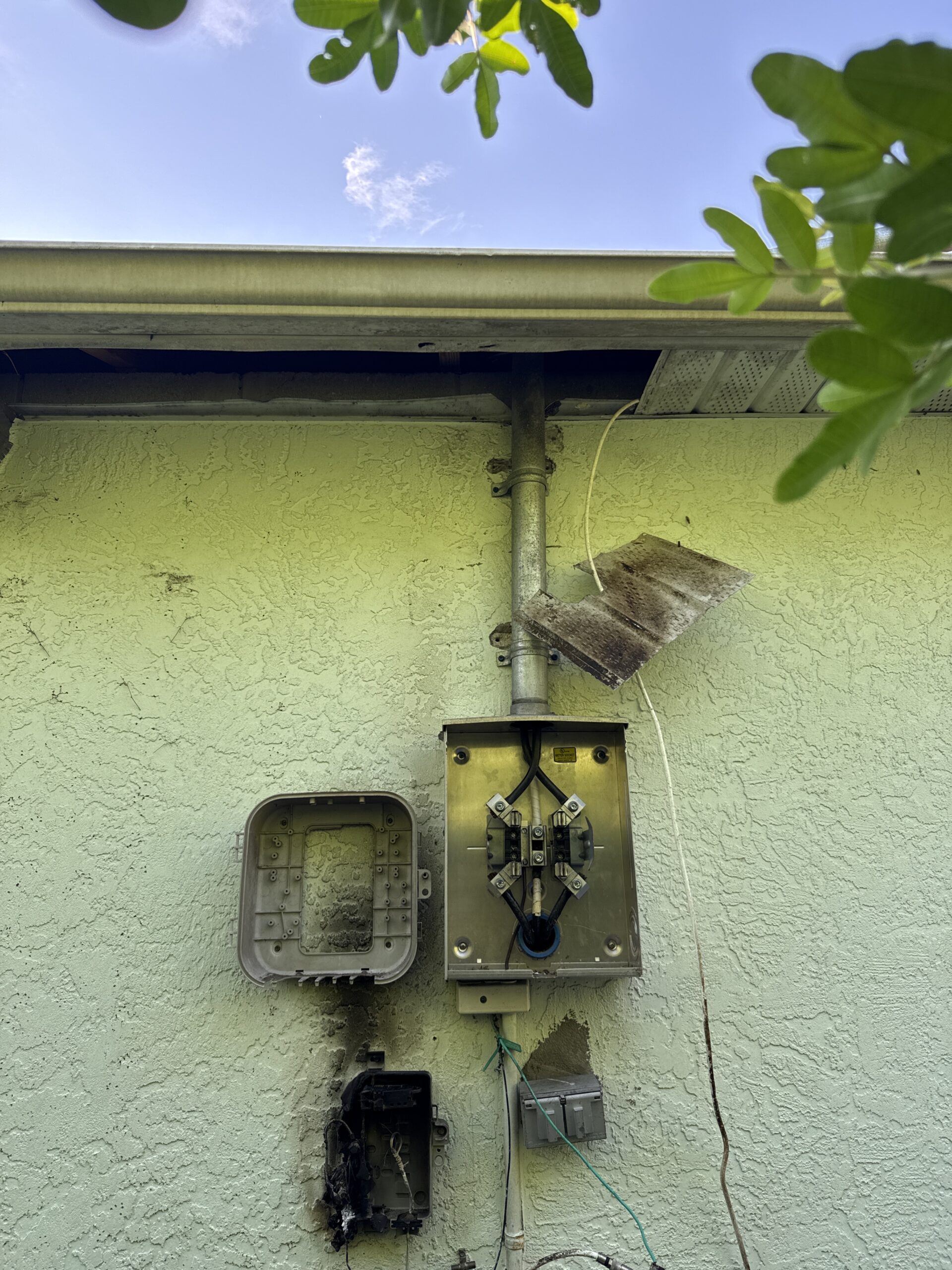
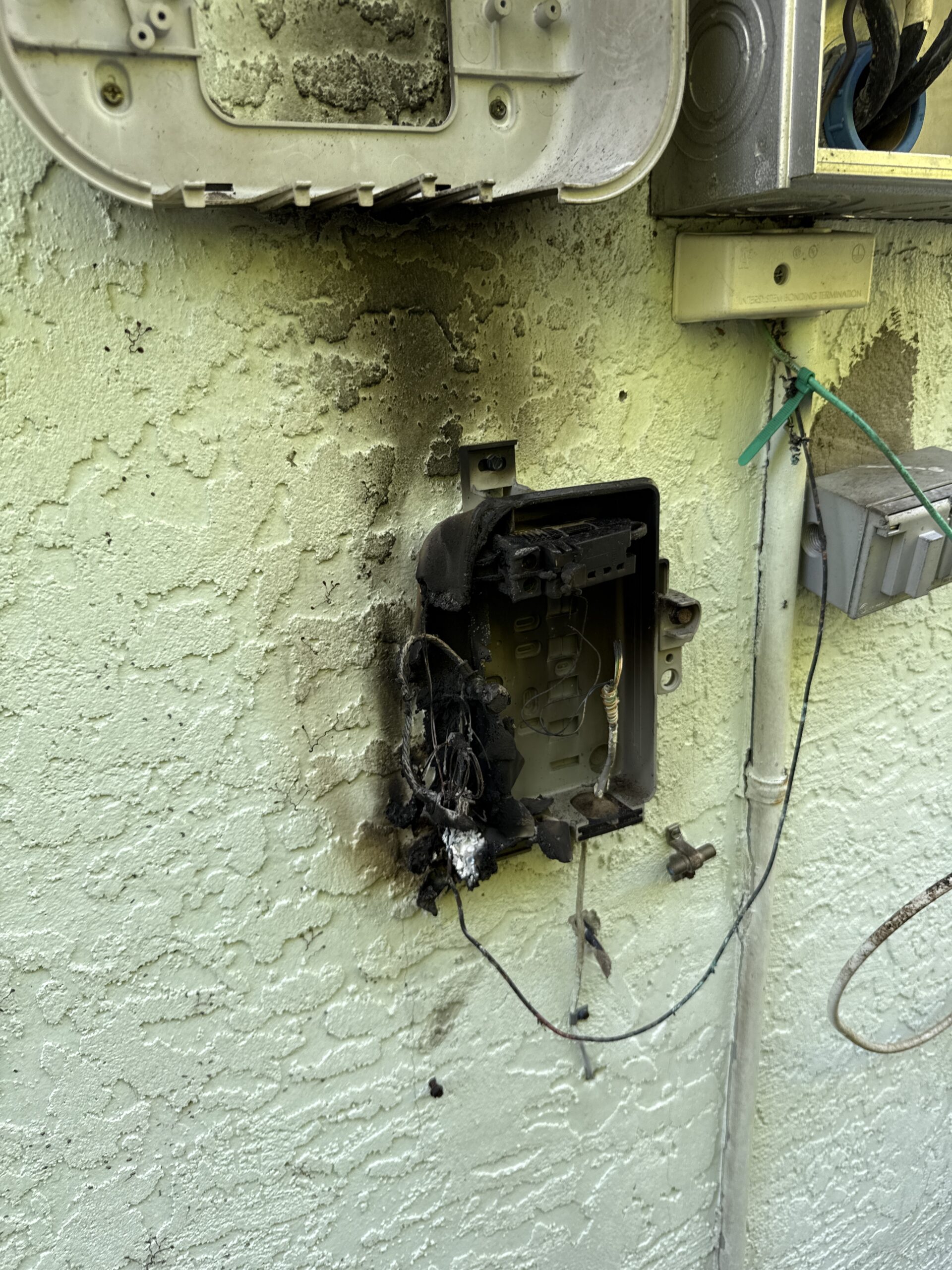
Outlets or switches that feel warm to the touch or show discoloration indicate dangerous heat buildup. This occurs when connections inside the outlet loosen over time, creating electrical resistance. As resistance increases, so does heat generation. Similarly, scorch marks or a burning smell near outlets are emergency situations requiring immediate attention. These signs often precede electrical fires.
4. Burning Smell Without Identifiable Source
A persistent burning smell, especially one that seems to come from walls or ceilings, can indicate overheating wiring. The odor comes from deteriorating wire insulation as it breaks down from excessive heat. This situation requires immediate professional inspection, as it represents an active fire hazard. Never ignore burning electrical smells in your home.
5. Outlets That Don’t Hold Plugs Securely
When outlet receptacles become worn, they no longer grip plugs firmly. This creates poor electrical contact, which generates heat and sparks. Loose outlets are especially common in older homes where the same receptacles have been used for decades. Replacing worn outlets is a simple but important safety upgrade that prevents potential fire hazards.
6. Shocking Experiences When Touching Appliances
If you feel a tingle or mild shock when touching appliances, light fixtures, or plumbing fixtures, your home has a serious grounding problem. Ungrounded electrical systems allow stray voltage to travel through metal objects. This not only damages sensitive electronics but also poses a shock hazard to family members. Proper grounding is essential for electrical safety.
7. Buzzing, Sizzling, or Crackling Sounds
Electrical systems should operate silently. Buzzing, sizzling, or crackling sounds from outlets, switches, or breaker panels indicate loose connections, arcing electricity, or failing components. Arcing creates temperatures hot enough to ignite surrounding materials. Therefore, any unusual sounds from your electrical system warrant immediate professional inspection.
8. Inability to Use Multiple Appliances Simultaneously
If you can’t run your air conditioner, oven, and dishwasher at the same time without tripping breakers, your electrical system is undersized for modern demands. Homes built in the 1960s and 1970s weren’t designed for the electrical loads we now consider standard. Panel upgrades and circuit additions resolve this limitation while improving safety and home value.
9. Presence of Extension Cords as Permanent Solutions
Relying on extension cords and power strips throughout your home indicates insufficient outlets for your needs. Extension cords are designed for temporary use only. When used as permanent wiring, they pose tripping hazards and fire risks, especially when overloaded. Adding properly wired outlets eliminates this safety concern while improving convenience.
10. Lack of GFCI Protection in Wet Areas
Ground Fault Circuit Interrupter (GFCI) outlets are required by modern electrical codes in bathrooms, kitchens, garages, and outdoor areas. GFCI outlets detect imbalances in electrical current and shut off power within milliseconds, preventing electrocution. Older homes often lack this crucial safety feature. Installing GFCI protection is an affordable upgrade that significantly reduces shock hazards.
What Safety Risks Can Old Wiring Cause in Your Home?
Understanding the specific dangers associated with outdated wiring helps homeowners make informed decisions about electrical upgrades. These risks extend beyond inconvenience to genuine threats to life and property.
Fire Hazards and Statistics
Electrical fires account for approximately 51,000 home fires annually in the United States, resulting in nearly 500 deaths, 1,400 injuries, and $1.3 billion in property damage. Homes built before 1990 have a significantly higher fire risk due to aging wiring systems. The combination of deteriorating insulation, loose connections, and inadequate capacity creates multiple ignition points throughout older electrical systems.
Electrocution Risk
Can old wiring cause electrocution? Absolutely. Ungrounded systems, deteriorating insulation, and improper connections all increase the likelihood of electrical shock. Children and elderly family members are particularly vulnerable. Modern electrical codes include multiple layers of protection, including grounding, GFCI outlets, and arc-fault circuit interrupters (AFCI), specifically to prevent electrocution.
Property Damage and Insurance Issues
Beyond immediate safety concerns, old wiring can damage expensive electronics and appliances through power surges and voltage fluctuations. Additionally, many homeowners insurance companies either refuse to insure homes with knob-and-tube or aluminum wiring or charge substantially higher premiums. Some insurers require electrical inspections and upgrades as a condition of coverage.
Code Violations and Resale Challenges
When you sell your home in Port Charlotte, North Port, or surrounding areas, buyers typically require a home inspection. Outdated wiring often appears as deficiencies in inspection reports, giving buyers negotiating leverage or causing deals to fall through entirely. Modern electrical systems that meet current code requirements protect your property value and make future sales smoother.
How Much Does It Cost to Fix Problems Old Wiring Can Cause?
Understanding the investment required to address outdated wiring helps homeowners budget appropriately and prioritize electrical safety. Costs vary based on home size, wiring condition, and the extent of necessary upgrades.
Whole-Home Rewiring
Complete rewiring involves replacing all electrical wiring throughout your home. For a typical 1,500-square-foot home in Venice or Englewood, expect costs between $4,000 and $10,000. Larger homes or those requiring extensive drywall repair may cost $15,000 or more. However, complete rewiring provides the highest level of safety and supports modern electrical demands. The investment also increases home value and eliminates insurance complications.
Panel Upgrades
Upgrading from a 60-amp or 100-amp service panel to a modern 200-amp panel typically costs between $1,500 and $3,500. This upgrade provides additional capacity for air conditioning, electric vehicle chargers, and modern appliances without requiring complete rewiring. Panel upgrades are often the most cost-effective solution for homes with adequate wiring but insufficient capacity. Many homeowners pair panel upgrades with whole-house surge protection for comprehensive electrical system protection.
Partial Rewiring and Circuit Additions
If only certain areas of your home have problematic wiring, partial rewiring offers a more affordable solution. Rewiring a single room costs approximately $500 to $2,000 depending on size and complexity. Adding new circuits for kitchens, bathrooms, or outdoor areas ranges from $300 to $800 per circuit. This approach allows homeowners to prioritize the most critical safety upgrades while budgeting for additional work over time.
Outlet and Switch Upgrades
Replacing worn outlets and switches is among the most affordable electrical upgrades. Standard outlet replacement costs $75 to $150 per outlet, while GFCI outlets range from $100 to $200 installed. Upgrading all outlets and switches throughout a three-bedroom home typically costs $800 to $1,500. Despite the relatively low cost, this upgrade significantly improves safety by eliminating loose connections and adding ground-fault protection where needed.
Cost Considerations for Southwest Florida Homeowners
Electrical upgrade costs in Port Charlotte, Punta Gorda, and Sarasota remain competitive compared to national averages. Furthermore, investing in electrical system upgrades now prevents catastrophic losses from electrical fires and protects your family’s safety. Many homeowners find that reduced insurance premiums partially offset upgrade costs over time. Additionally, modern electrical systems support home automation, electric vehicle charging, and backup generator installation, features that increasingly appeal to today’s buyers.
When Should You Call a Licensed Electrician About Old Wiring?
Knowing when to seek professional help ensures problems are addressed before they escalate into emergencies. Certain situations require immediate attention, while others benefit from scheduled electrical inspections.
Emergency Situations Requiring Immediate Response
Call a licensed electrician immediately if you smell burning odors from outlets or walls, see sparks when plugging in appliances, experience multiple circuit breaker trips in short succession, or notice scorch marks on outlets or switch plates. These symptoms indicate active electrical hazards that could cause fires or electrocution. Do not attempt DIY repairs in emergency situations, as improper work can make problems worse.
Planned Inspections and Preventive Maintenance
Even without obvious problems, homes older than 25 years benefit from comprehensive electrical inspections. A qualified electrician will evaluate wire condition, test grounding systems, measure electrical loads on each circuit, identify code violations, and recommend prioritized upgrades. Inspections typically cost $150 to $300 and provide peace of mind along with a clear roadmap for addressing any deficiencies.
Before Major Renovations or Appliance Installations
Planning a kitchen remodel, adding an electric vehicle charger, or installing a backup generator? These projects often reveal underlying electrical issues that must be addressed. Moreover, new high-draw appliances may exceed your current system’s capacity. Consulting a licensed electrician during the planning phase prevents costly surprises and ensures your upgraded spaces have adequate, code-compliant electrical service.
When Buying or Selling a Home
Home buyers should always include electrical inspections as part of their due diligence, especially for properties built before 1990. Sellers benefit from proactive electrical upgrades that increase property value and prevent deal complications. Throughout Sarasota County and Charlotte County, savvy buyers and sellers recognize that modern electrical systems provide significant advantages during real estate transactions.
Frequently Asked Questions About What Old Wiring Can Cause
Can old wiring cause high electricity bills?
Yes, old wiring can increase electricity costs through several mechanisms. Deteriorating connections create electrical resistance, which converts electricity into heat rather than useful power. Loose connections and damaged insulation reduce system efficiency, requiring more power to operate appliances and lighting.
Can old wiring cause power surges?
Absolutely. Old wiring with damaged insulation can cause internal short circuits that create voltage spikes throughout your electrical system. These surges damage sensitive electronics like computers, televisions, and smart home devices. Installing whole-house surge protection provides an additional layer of defense for modern electronics.
How long does electrical wiring typically last?
Copper wiring with modern insulation can last 50 to 70 years or more when properly installed and maintained. However, aluminum wiring, knob-and-tube systems, and cloth-insulated wiring have shorter effective lifespans due to material limitations. Environmental factors like heat, moisture, and rodent activity also affect wire longevity.
Can I upgrade outlets without rewiring my entire home?
In many cases, yes. If your home has grounded wiring but outdated two-prong outlets, replacing outlets is straightforward. However, if your system lacks proper grounding, GFCI outlets can provide shock protection without requiring complete rewiring. A licensed electrician can determine the best solution for your specific situation.
Does homeowners insurance cover electrical upgrades?
Standard homeowners insurance typically does not cover electrical upgrades for maintenance or code compliance purposes. However, some policies may cover electrical repairs if damage results from a covered peril like lightning strikes. Additionally, completing electrical upgrades may reduce your insurance premiums by lowering fire risk.
Can old wiring cause appliances to malfunction?
Yes, inadequate wiring causes voltage fluctuations that affect appliance performance and lifespan. Refrigerators, air conditioners, and other motor-driven appliances are particularly sensitive to voltage problems. Proper wiring with sufficient capacity ensures appliances operate efficiently and last their expected lifespan.
What credentials should I look for in an electrician?
Licensed electricians must pass comprehensive examinations demonstrating knowledge of electrical theory, code requirements, and safety practices. In Florida, electricians must hold state licenses and maintain continuing education. Additionally, look for proper insurance coverage, local references, and membership in professional organizations that indicate commitment to quality workmanship.
Trust Caliber Electric for Safe, Professional Electrical Solutions
Can old wiring cause serious problems in your Southwest Florida home? After reading this guide, you understand the answer is a definitive yes. From fire hazards to inefficiency, outdated electrical systems put your family and property at risk. However, you don’t have to face these challenges alone.
Caliber Electric has proudly served Port Charlotte, North Port, Punta Gorda, Venice, Englewood, and Sarasota for over 20 years. As a family-owned business, we treat every home as if it were our own. Our fully licensed, experienced electricians specialize in panel upgrades, whole-home rewiring, and comprehensive electrical inspections that identify problems before they become emergencies. We’ve helped thousands of Southwest Florida families upgrade their electrical systems safely and affordably.
Whether you’re experiencing warning signs like flickering lights and frequent breaker trips, planning a major renovation, or simply want peace of mind about your home’s electrical safety, Caliber Electric provides the expertise you need. We offer transparent pricing, quality workmanship, and the personalized service you expect from a local, family-owned contractor. Don’t wait until old wiring causes a disaster in your home. Contact Caliber Electric today for a comprehensive electrical inspection and discover how we can protect your family, your property, and your peace of mind.