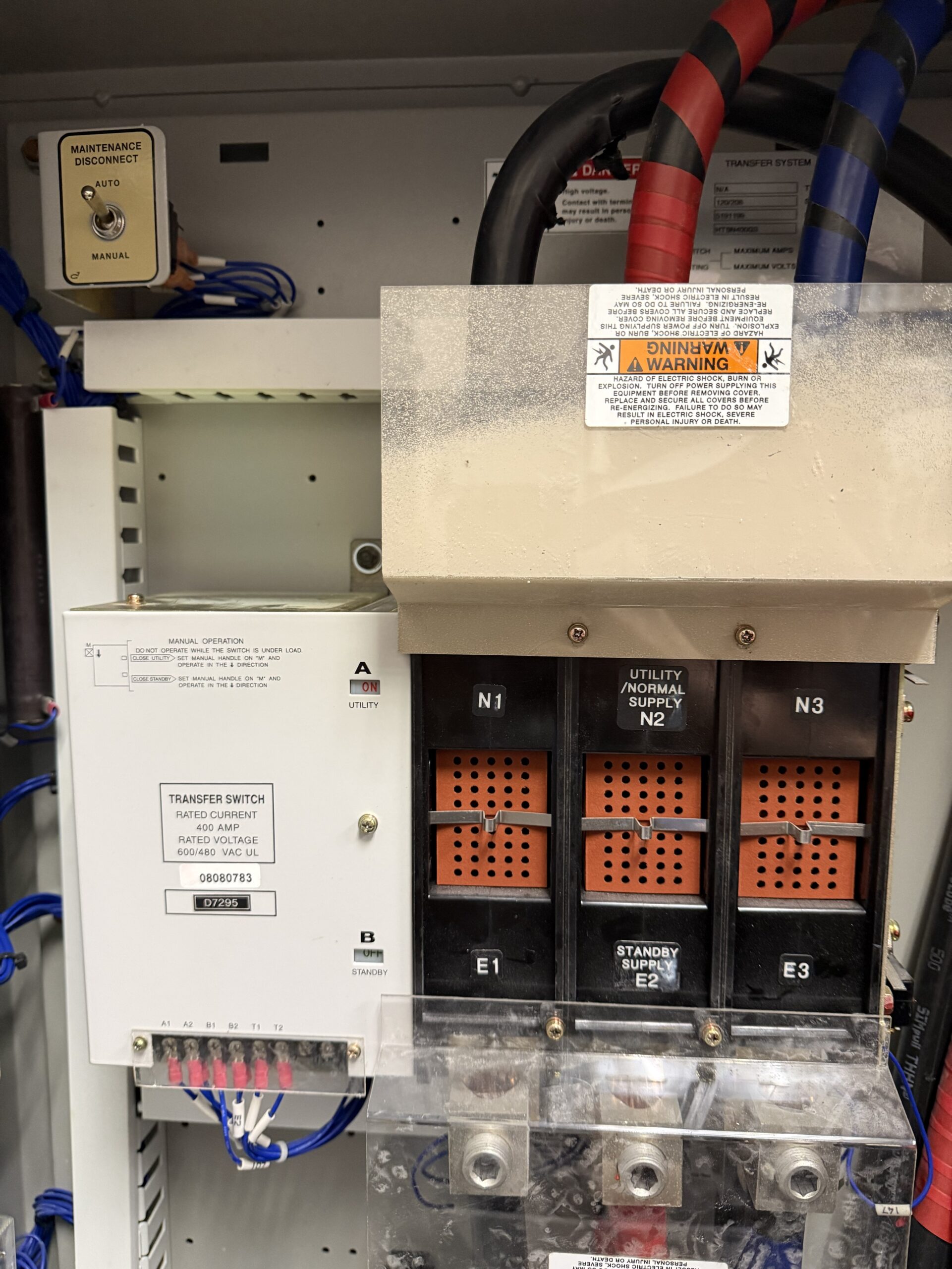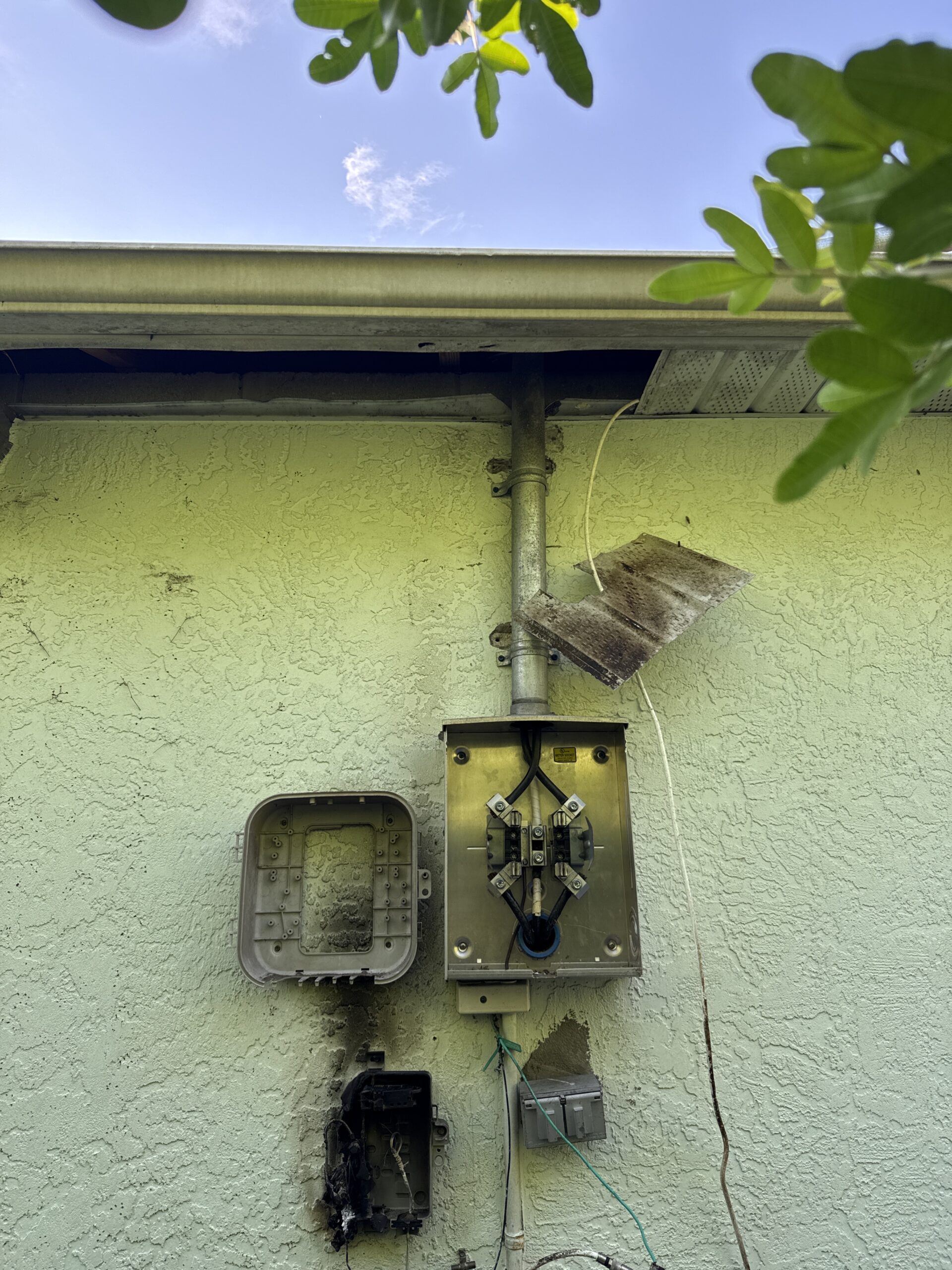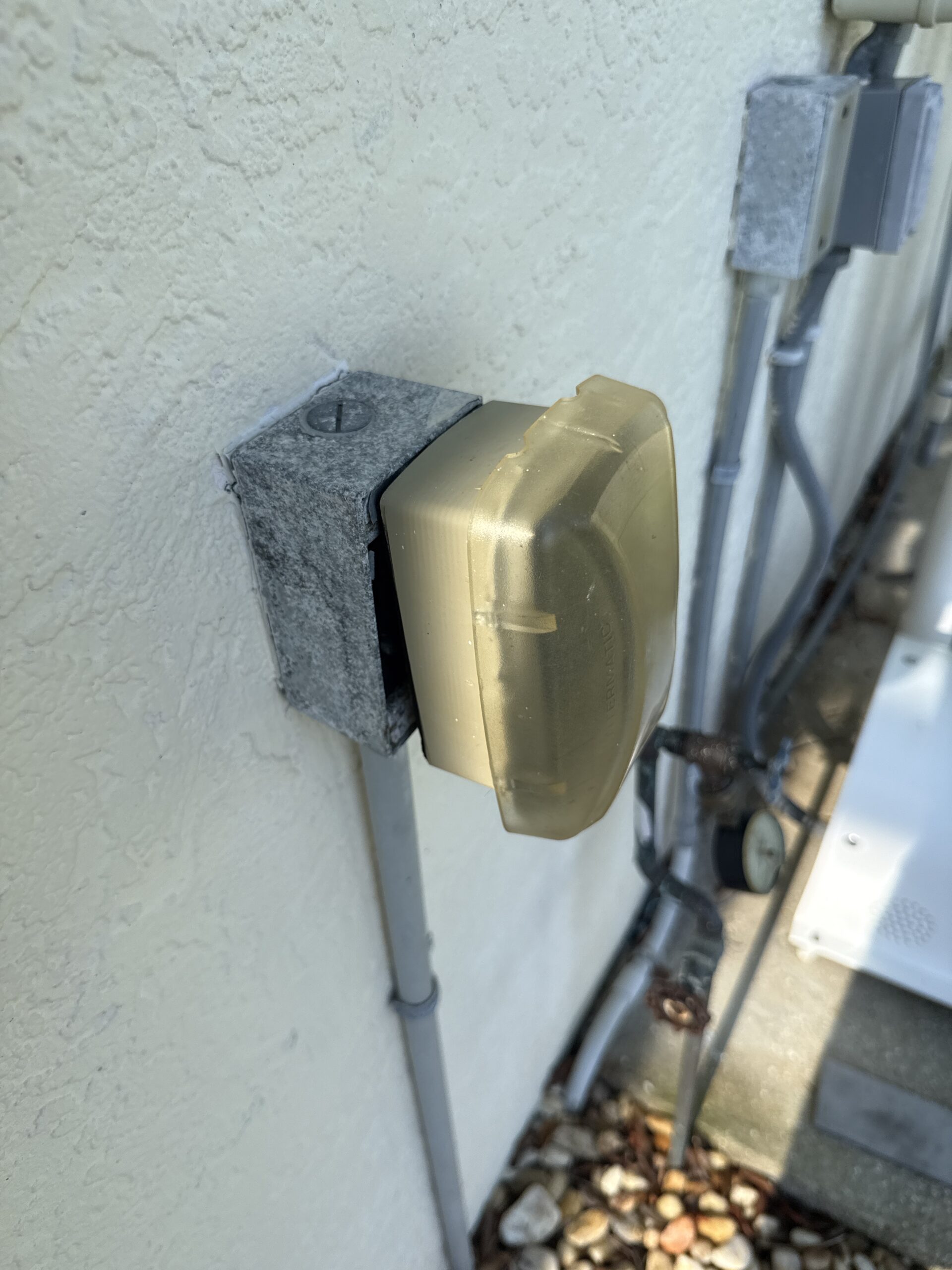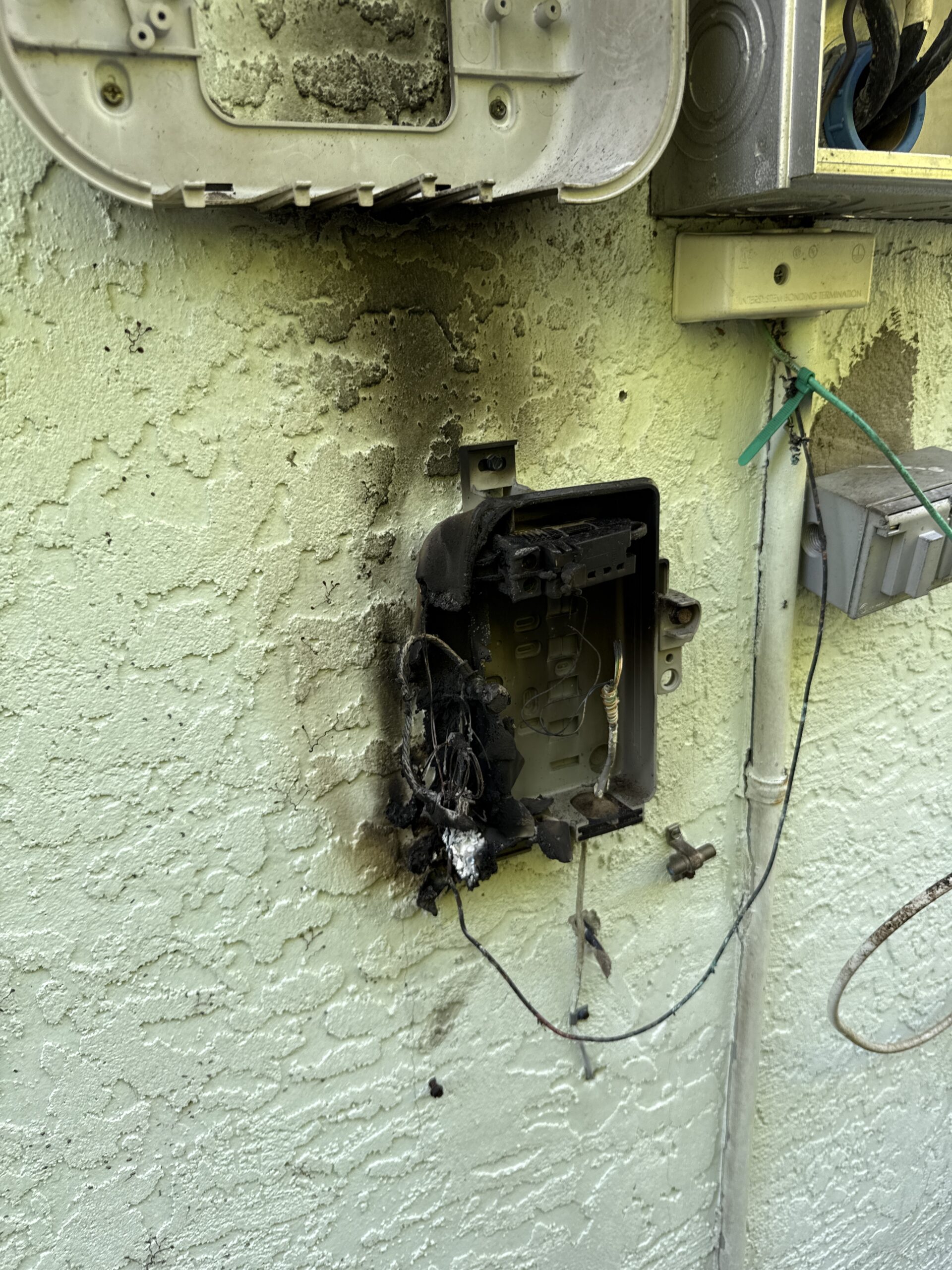


Circuit breaker repair is one of the most critical electrical services that homeowners in Southwest Florida need to understand. When your breakers constantly trip, fail to reset, or show signs of damage, the problem goes beyond mere inconvenience. In fact, faulty circuit breakers pose serious fire hazards and can leave your home vulnerable to electrical damage. After more than 20 years serving families throughout Port Charlotte, North Port, Punta Gorda, Venice, Englewood, and Sarasota, we’ve seen firsthand how ignoring breaker problems can escalate from minor annoyances to major safety risks.
Quick Answer: Circuit breaker repair involves diagnosing, fixing, or replacing malfunctioning circuit breakers that protect your home’s electrical system. Common repairs address breakers that trip frequently, won’t reset, feel hot to the touch, or show signs of burning. Professional electricians test breaker function, identify underlying electrical issues, and either repair or replace damaged breakers to restore safe operation. Most repairs take 1-3 hours depending on panel accessibility and problem complexity.
What Is Circuit Breaker Repair and Why Does It Matter?
Circuit breaker repair is the process of diagnosing and fixing problems within your electrical panel’s protective devices. These breakers act as safety switches that automatically shut off power when they detect overloads, short circuits, or ground faults. When breakers malfunction, they can’t protect your home effectively.
Your circuit breaker panel serves as the command center for your entire electrical system. Therefore, every breaker must function properly to prevent electrical fires, equipment damage, and potential electrocution hazards. Modern homes in Southwest Florida rely heavily on electricity for air conditioning, appliances, electronics, and increasingly, electric vehicle chargers and home generators.
Moreover, Florida’s humid climate creates unique challenges for electrical systems. Moisture can infiltrate panels, causing corrosion that affects breaker performance. Additionally, the region’s frequent thunderstorms and lightning strikes can damage breakers even when surge protection is in place. Consequently, homeowners throughout Sarasota and Charlotte counties need to remain vigilant about breaker health.
According to the National Fire Protection Association, electrical failures or malfunctions cause an estimated 13% of home structure fires annually. In many cases, faulty circuit breakers contribute to these incidents because they fail to trip when dangerous conditions occur.
7 Warning Signs You Need Circuit Breaker Repair
1. Breakers That Trip Repeatedly
When a breaker trips occasionally during heavy electrical use, it’s simply doing its job. However, if the same breaker trips multiple times per week or immediately after resetting, you have a problem that requires professional attention. This pattern suggests either a failing breaker mechanism or an overloaded circuit that needs redistribution.
Furthermore, repeated tripping accelerates breaker wear. Each time a breaker trips, internal components experience stress. Eventually, this wear compromises the breaker’s ability to protect your home effectively.
2. Burning Smell or Scorch Marks
Any burning odor near your electrical panel demands immediate attention. Similarly, black or brown discoloration around breakers, scorch marks on the panel cover, or melted plastic indicate dangerous overheating. These signs suggest that circuit breaker repair isn’t just needed but urgent, as they point to active electrical hazards.
In our experience serving North Port and surrounding communities, we’ve found that scorched breakers often result from loose connections, corroded terminals, or breakers that have reached the end of their service life. Meanwhile, ignoring these warning signs can lead to panel fires.
3. Breakers That Won’t Stay Reset
A breaker that trips and refuses to reset, or one that immediately trips again after resetting, has likely failed internally. This malfunction leaves the circuit without protection, creating a serious safety concern. Additionally, forcing a breaker to stay in the “on” position is extremely dangerous and should never be attempted.
4. Hot or Warm Breakers
Circuit breakers should remain at room temperature during normal operation. If you feel warmth or heat when touching a breaker, it indicates excessive resistance or an overload condition. In contrast, properly functioning breakers dissipate heat efficiently and stay cool even under load.
Warm breakers often develop in homes with outdated wiring that creates increased resistance. Furthermore, loose connections within the panel can generate heat that eventually damages the breaker itself.
5. Physical Damage or Corrosion
Florida’s coastal humidity affects electrical panels significantly. Consequently, corrosion can develop on breaker terminals, bus bars, and connections. This degradation increases electrical resistance, generates heat, and ultimately leads to breaker failure. Moreover, physical damage from impact, pest intrusion, or previous amateur repairs compromises breaker integrity.
6. Buzzing, Humming, or Crackling Sounds
Electrical panels should operate silently. Therefore, any buzzing, humming, sizzling, or crackling sounds indicate loose connections, arcing, or failing components. These noises often accompany serious problems that require immediate circuit breaker repair or replacement.
7. Flickering Lights When Appliances Start
When starting major appliances causes lights to dim or flicker throughout your home, the problem might originate in your breaker panel. While voltage drop can stem from utility issues, it frequently indicates oversized loads, undersized breakers, or deteriorating connections that need professional evaluation.
How Does Circuit Breaker Repair Work?
Professional circuit breaker repair follows a systematic diagnostic and repair process. First, licensed electricians assess the situation to determine whether repair or replacement offers the safest solution. Indeed, many breaker problems require complete replacement rather than repair because internal mechanisms cannot be reliably fixed.
Our technicians begin by gathering information about the problem. For example, we ask when the issue started, which circuits are affected, what appliances were running when problems occurred, and whether you’ve noticed other electrical anomalies. This background helps pinpoint the root cause.
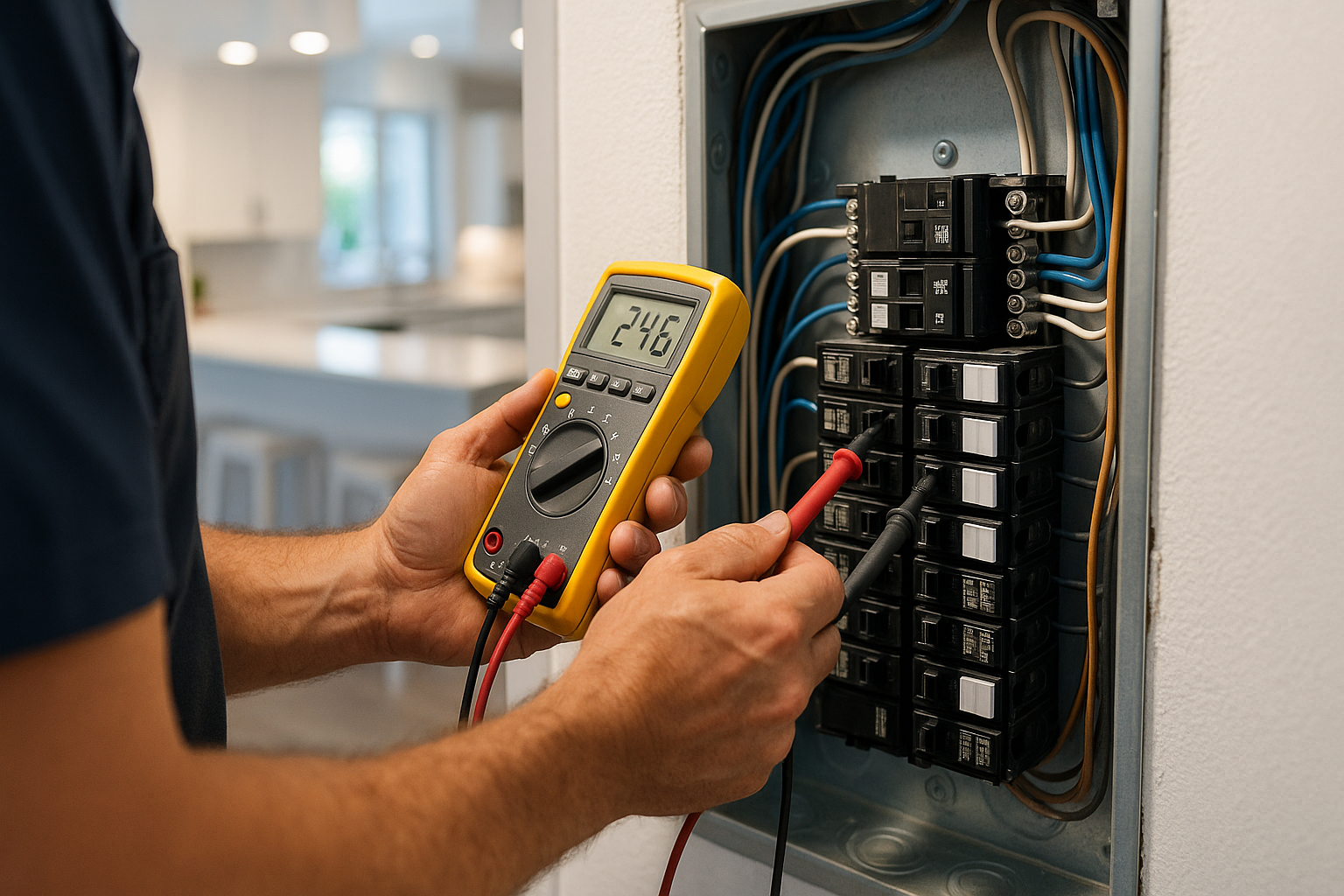
Next, we perform visual inspections of the panel interior, checking for obvious damage, corrosion, loose connections, or improper installations. Subsequently, we use specialized testing equipment including multimeters, clamp meters, and infrared cameras to measure voltage, current, resistance, and temperature throughout the panel.
After identifying the problem, we explain findings and recommend solutions. In some cases, circuit breaker repair might involve tightening connections, cleaning corrosion, or redistributing loads. However, most breaker failures require replacement with properly rated new breakers.
Finally, we complete repairs, test all affected circuits, verify proper breaker operation, and ensure your electrical system meets current safety codes. Throughout the process, we maintain power to unaffected circuits whenever possible to minimize disruption to your home.
Common Circuit Breaker Problems and Their Solutions
Nuisance Tripping From Overloaded Circuits
Many homes in Port Charlotte and Punta Gorda were built when electrical demands were significantly lower. Today’s households use far more electricity, overloading circuits designed for lighter loads. The solution often involves circuit breaker repair combined with circuit redistribution or panel upgrades to add capacity.
Failed GFCI and AFCI Breakers
Ground Fault Circuit Interrupter (GFCI) and Arc Fault Circuit Interrupter (AFCI) breakers provide enhanced safety but have more complex mechanisms that fail more frequently than standard breakers. When these specialized breakers malfunction, replacement with quality units ensures continued protection in kitchens, bathrooms, bedrooms, and other critical areas.
Breaker Age and Wear
Circuit breakers aren’t designed to last forever. After 20-30 years, internal components degrade, springs weaken, and contacts wear. Consequently, aging breakers may fail to trip during dangerous conditions or trip unnecessarily during normal use. Regular panel inspections identify aging breakers before they create hazards.
Incompatible or Counterfeit Breakers
Some panel manufacturers require specific breaker types. Installing incompatible breakers, even if they physically fit, creates serious safety risks. Moreover, counterfeit breakers have flooded the market, lacking proper safety certifications and failing unpredictably. Professional circuit breaker repair ensures proper, manufacturer-approved breakers protect your home.
Loose Panel Connections
Vibration, thermal cycling, and corrosion gradually loosen electrical connections. These loose connections increase resistance, generate heat, and accelerate breaker failure. Furthermore, loose connections create arcing that damages breakers, bus bars, and wiring. Tightening connections during routine maintenance prevents many breaker problems.
Environmental Damage
Southwest Florida’s climate challenges electrical systems. Salt air in coastal areas like Venice and Englewood accelerates corrosion. Additionally, pest intrusion, water infiltration during storms, and high humidity affect panel integrity. Addressing environmental factors during circuit breaker repair prevents recurring problems.
How Much Does Circuit Breaker Repair Cost?
The cost of circuit breaker repair in Southwest Florida varies based on problem complexity, parts required, and panel accessibility. However, understanding typical pricing helps homeowners budget appropriately and recognize fair value.
Simple breaker replacement typically costs between $150 and $300 per breaker, including labor and a standard residential breaker. This straightforward repair addresses single failed breakers in accessible panels without complications. In contrast, more complex situations increase costs accordingly.
GFCI and AFCI breaker replacements generally cost $200 to $400 per breaker because these specialized units cost more than standard breakers. However, their enhanced safety features justify the investment, particularly in bathrooms, kitchens, and bedrooms where code requires them.
Panel troubleshooting and diagnostic services typically range from $100 to $200. This investment makes sense when you’re experiencing electrical problems but haven’t identified the specific cause. Diagnostic fees usually apply toward repair costs when you proceed with recommended work.
Multiple breaker replacements or panel-wide connection tightening costs $400 to $800 depending on panel size and problem extent. Older panels often need several breakers replaced simultaneously because aging affects all components similarly.
Emergency circuit breaker repair services cost more due to after-hours availability. However, when you’re dealing with smoking panels, burning smells, or complete power loss, emergency service prevents further damage and addresses immediate safety concerns.
Factors affecting circuit breaker repair costs include panel location and accessibility, breaker type and amperage rating, additional problems discovered during inspection, code compliance upgrades required, and whether panel replacement makes more sense than repeated repairs.
Importantly, circuit breaker repair costs remain much lower than the expenses associated with electrical fires, damaged electronics, or major panel failures. Therefore, addressing problems promptly provides excellent value by preventing catastrophic failures.
When Should You Replace the Entire Panel Instead?
Sometimes circuit breaker repair isn’t the most practical solution. Indeed, several situations warrant complete panel replacement rather than ongoing repairs to aging equipment.
First, if your panel is over 25 years old and you’re experiencing multiple breaker failures, replacement typically offers better long-term value than repeated repairs. Aging panels have outdated technology, limited capacity, and deteriorating components throughout, not just in the breakers themselves.
Second, panels from certain manufacturers known for defects, such as Federal Pacific Electric (FPE) and Zinsco panels, should be replaced rather than repaired. These brands have documented failure rates that create unacceptable safety risks regardless of breaker condition.
Third, when your electrical needs exceed panel capacity, upgrades provide the opportunity to modernize your entire electrical system. For example, adding an electric vehicle charger, whole-home generator, or multiple high-draw appliances may require larger panel capacity than circuit breaker repair can provide.
Fourth, panels showing extensive corrosion, water damage, or fire damage need complete replacement. While individual breakers might be salvageable, the panel itself no longer provides safe, reliable service.
Finally, panels that lack adequate space for additional circuits limit your home’s functionality. Modern panels with 200-amp service and 40+ circuit positions accommodate future needs that older, smaller panels cannot support.
Frequently Asked Questions About Circuit Breaker Repair
How long do circuit breakers typically last?
Standard circuit breakers last 20-30 years under normal conditions. However, breakers in panels experiencing frequent overloads, environmental exposure, or poor maintenance may fail sooner. Regular inspections identify aging breakers before they create safety hazards.
Can I repair a circuit breaker myself?
No, circuit breaker repair should only be performed by licensed electricians. Panel work involves potentially lethal voltages, requires specialized knowledge and tools, and must meet electrical codes. DIY attempts create serious injury risks and potential code violations.
What’s the difference between repairing and replacing a circuit breaker?
Most “circuit breaker repair” actually involves replacing the faulty breaker entirely because internal mechanisms cannot be reliably fixed. True repairs might include tightening connections or addressing external factors, but failed breakers themselves require replacement.
Will my homeowner’s insurance cover circuit breaker repair?
Standard homeowner’s policies typically don’t cover normal wear and maintenance like circuit breaker repair. However, if damage resulted from a covered event such as lightning strikes or power surges, your policy might provide coverage. Check with your insurance provider for specifics.
How quickly can circuit breaker problems be fixed?
Most circuit breaker repair appointments take 1-3 hours from arrival to completion. Simple breaker replacements might take just 30-45 minutes, while complex diagnostics and multiple repairs require more time. Emergency services provide same-day or next-day solutions for urgent problems.
Do circuit breakers need regular maintenance?
Yes, electrical panels benefit from professional inspections every 3-5 years. These inspections identify loose connections, aging breakers, corrosion, and other problems before they cause failures. Preventive maintenance extends panel life and prevents unexpected breakdowns.
What should I do if a breaker trips?
First, unplug devices on the affected circuit. Then, reset the breaker by pushing it fully to the “off” position before moving it to “on.” If it trips immediately or repeatedly, stop using the circuit and call a licensed electrician for circuit breaker repair or diagnosis.
Trust Caliber Electric for Professional Circuit Breaker Repair Throughout Southwest Florida
When you’re dealing with tripping breakers, panel problems, or electrical safety concerns, you need experienced professionals who understand Florida’s unique electrical challenges. For over 20 years, Caliber Electric has served as Southwest Florida’s trusted family-owned electrical contractor, providing expert circuit breaker repair and comprehensive electrical services throughout Port Charlotte, North Port, Punta Gorda, Venice, Englewood, and Sarasota.
Our fully licensed, insured electricians bring two decades of hands-on experience to every job, ensuring your home’s electrical system operates safely and reliably. We understand that electrical problems don’t wait for convenient times, which is why we offer prompt scheduling and emergency services when you need them most. Moreover, as a local family business, we stand behind our work with the quality and integrity that have built our reputation across Southwest Florida.
Don’t wait until a failing breaker creates a dangerous situation. Contact Caliber Electric today at (941) 621-4353 for professional circuit breaker repair, comprehensive electrical inspections, panel upgrades, and all your residential and commercial electrical needs. Let our family take care of yours with the expertise and personalized service that only a local, family-owned company can provide.