Understanding what quality electric service means for your home can save you thousands of dollars and prevent dangerous situations. Moreover, knowing when to call a professional electrician versus attempting DIY fixes protects your family and your property investment. For homeowners in Port Charlotte, North Port, Punta Gorda, Venice, Englewood, and Sarasota, choosing the right electrical contractor makes all the difference in safety, reliability, and long-term performance.
Quick Answer: Electric service refers to professional installation, maintenance, and repair of residential and commercial electrical systems. This includes panel upgrades, circuit installations, lighting, surge protection, EV chargers, generators, and emergency repairs. Licensed electricians ensure code compliance, safety, and reliable power distribution throughout your property. Most homeowners need electric service for upgrades, troubleshooting, or safety inspections every 3 to 5 years.
What Is Electric Service and Why Does It Matter?
Electric service encompasses all professional work related to your home’s electrical system. An electrical system distributes power from the utility company through your main panel to circuits, outlets, switches, and appliances throughout your property. Quality electric service ensures this distribution happens safely, efficiently, and in compliance with Florida Building Code requirements.
Furthermore, professional electric service goes beyond simple repairs. Licensed electricians evaluate your entire system for capacity issues, safety hazards, code violations, and efficiency opportunities. They identify problems before they cause fires, equipment damage, or power failures.
In Southwest Florida, electric service also addresses regional challenges. For example, lightning strikes are common in our area, making whole-home surge protection essential. Additionally, hurricane preparedness often requires generator installations and backup power systems. Salt air near coastal communities accelerates corrosion of electrical components, requiring more frequent inspections and maintenance.
Homeowners should understand that electric service is not optional. The National Fire Protection Association reports that electrical failures cause approximately 13% of home fires annually. Consequently, regular professional service protects both your family and your property.
8 Essential Electric Services Every Homeowner Should Know
1. Electrical Panel Upgrades and Replacements
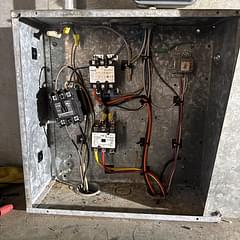
Your electrical panel serves as the heart of your home’s power system. It distributes electricity to individual circuits and protects against overloads through circuit breakers. Many homes in Port Charlotte and surrounding areas were built decades ago with 100-amp or even 60-amp panels that cannot handle modern electrical demands.
Today’s homes require significantly more capacity. Air conditioning systems, electric dryers, kitchen appliances, home offices, and smart home devices all draw substantial power. As a result, older panels frequently trip breakers, overheat, or fail to protect your home adequately.
Professional electricians evaluate your current and future electrical needs. They calculate load requirements, assess panel condition, and recommend appropriate upgrades. Most modern homes need at least 200-amp service to operate safely and efficiently. If you’re experiencing frequent breaker trips or planning to add an EV charger or pool equipment, upgrading your panel should be your first priority.
2. EV Charger Installation
Electric vehicles are becoming increasingly common throughout Southwest Florida. However, charging an EV on a standard 120-volt outlet takes 24 to 48 hours for a full charge. That timeline is impractical for daily use.
A Level 2 EV charger operates on 240 volts and reduces charging time to 4 to 8 hours. Level 2 charging requires a dedicated 40-amp to 60-amp circuit installed by a licensed electrician. The installation involves running new wiring from your electrical panel to your garage or carport, mounting the charging station, and ensuring proper grounding and circuit protection.
Additionally, many homeowners discover their existing electrical panel lacks capacity for an EV charger. In fact, adding a 50-amp EV circuit to an already-stressed 100-amp panel creates serious safety risks. Professional electricians assess your total electrical load and recommend panel upgrades when necessary.
3. Whole-Home Surge Protection
Florida leads the nation in lightning strikes per square mile. Each lightning event creates massive voltage spikes that travel through power lines and into your home. These surges destroy electronics, damage appliances, and degrade electrical components over time.
Surge protection devices (SPDs) installed at your electrical panel defend against these voltage spikes. An SPD diverts excess voltage to ground before it reaches sensitive equipment. This protection extends the life of HVAC systems, computers, televisions, and smart home devices.
Point-of-use surge protectors (power strips) provide limited protection for individual devices. However, whole-home surge protection installed at your main panel protects every circuit simultaneously. Moreover, panel-based SPDs stop surges before they enter your home’s wiring, preventing cumulative damage that weakens insulation and connections over time.
4. Standby Generator Installation
Hurricane season brings extended power outages throughout Southwest Florida. Standby generators provide automatic backup power when utility service fails. A standby generator is a permanently installed unit that runs on natural gas or propane and starts automatically within seconds of detecting an outage.
Professional electric service for generator installation involves multiple steps. First, electricians size the generator based on your essential loads, including refrigeration, air conditioning, medical equipment, and security systems. Next, they install a transfer switch that isolates your home from the utility grid during outages. The transfer switch is an automatic device that prevents dangerous backfeeding, which occurs when generator power flows back into utility lines and endangers repair workers.
Finally, electricians connect the generator to your fuel supply, wire it to the transfer switch, and program startup sequences. They also coordinate inspections and permits required by local building departments in Punta Gorda, Venice, and neighboring communities.
5. Circuit Installation and Electrical Wiring
Adding new circuits expands your home’s electrical capacity for specific purposes. For instance, home theaters require dedicated circuits to prevent interference and voltage drops. Similarly, home offices with multiple computers, monitors, and networking equipment need isolated circuits to ensure stable power and protect sensitive electronics.
Kitchen renovations frequently require new circuits as well. Modern kitchens include multiple appliances that draw substantial power, such as refrigerators, dishwashers, microwaves, and electric ranges. Building codes require specific circuit configurations for kitchen countertop outlets, ensuring adequate capacity and safety.
Professional electricians also replace outdated wiring during renovations or repairs. Homes built before 1970 often contain aluminum wiring or outdated insulation materials that pose fire risks. Upgrading to modern copper wiring with appropriate insulation improves safety and supports higher electrical loads.
6. Lighting Design and Installation
Proper lighting enhances functionality, aesthetics, and energy efficiency. Professional electric service for lighting goes beyond simply changing fixtures. Electricians design lighting plans that balance ambient, task, and accent lighting throughout each room.
For example, recessed LED fixtures provide energy-efficient ambient lighting in living areas. Under-cabinet LED strips illuminate kitchen countertops for food preparation. Pendant lights over islands create focal points while providing task lighting. Outdoor lighting improves security, safety, and curb appeal.
Furthermore, smart lighting systems offer tremendous convenience and efficiency. These systems allow you to control lights remotely, schedule automatic on-off times, and adjust brightness and color temperature. Professional installation ensures proper wiring, compatible components, and reliable operation.
7. Electrical Safety Inspections
Regular electrical inspections identify hazards before they cause fires, injuries, or equipment damage. Licensed electricians systematically evaluate your entire electrical system, including the service entrance, main panel, branch circuits, outlets, switches, and grounding systems.
Inspections reveal common problems such as overloaded circuits, loose connections, damaged insulation, inadequate grounding, and code violations. Many of these issues develop gradually and show no obvious symptoms until they fail catastrophically. Therefore, proactive inspections provide critical early warning.
Homeowners in Englewood and Sarasota should schedule electrical inspections every 3 to 5 years, before purchasing a home, after major storms, or following any electrical malfunction. Additionally, homes over 25 years old benefit from more frequent inspections due to aging components and outdated wiring methods.
8. Emergency Electrical Repairs
Electrical emergencies require immediate professional response. Sparking outlets, burning smells, smoking panels, and power failures all indicate serious problems that demand urgent attention. These situations pose immediate fire and shock hazards.
Licensed electricians provide 24/7 emergency service to diagnose and repair dangerous conditions. They carry specialized tools, testing equipment, and replacement parts to restore safe operation quickly. Moreover, they identify underlying causes to prevent recurring problems.
Never attempt DIY repairs during electrical emergencies. Even seemingly simple issues often indicate more serious hidden problems. For instance, a tripping breaker might result from a short circuit, ground fault, or overloaded circuit. Each cause requires different diagnostic approaches and repair methods that only trained professionals can safely execute.
How Do You Choose the Right Electric Service Provider?
Selecting a qualified electrician protects your safety, your investment, and your peace of mind. However, many homeowners struggle to evaluate electricians beyond price comparisons. Several key factors should guide your decision.
First, verify licensing and insurance. Florida law requires electricians to hold state licenses that demonstrate technical competence and adherence to building codes. Additionally, proper insurance protects you from liability if accidents occur during work on your property. Always request proof of both before hiring any electrical contractor.
Second, consider experience and specialization. Electrical work varies widely, from residential service upgrades to commercial installations to generator systems. Contractors who specialize in residential service understand home electrical systems, common problems, and efficient solutions. Furthermore, contractors with 20-plus years of experience have encountered virtually every electrical issue and know how to address them effectively.
Third, evaluate reputation through reviews, referrals, and Better Business Bureau ratings. Satisfied customers share their experiences online and through word-of-mouth recommendations. Consistently positive feedback indicates reliable service, quality workmanship, and professional conduct. In contrast, patterns of complaints about delays, cost overruns, or poor communication reveal contractors to avoid.
Fourth, assess communication and customer service. Quality contractors answer questions clearly, explain options thoroughly, and provide detailed written estimates. They respect your property, arrive on time, and clean up after completing work. These practices demonstrate professionalism and customer focus.
Finally, compare value rather than simply choosing the lowest price. The cheapest bid often reflects shortcuts, inexperienced technicians, or hidden costs that emerge later. In contrast, fair pricing from established contractors includes quality materials, skilled labor, proper permits, and warranty protection. Ultimately, investing in quality electric service prevents costly repairs and dangerous failures down the road.
What Does Professional Electric Service Cost in Southwest Florida?
Understanding typical costs helps homeowners budget appropriately and recognize fair pricing. However, electrical service costs vary significantly based on project scope, materials, labor requirements, and site-specific factors.
Basic service calls typically range from $89 to $150 for diagnosis and minor repairs. These calls include travel time, system evaluation, and straightforward fixes such as replacing outlets or resetting tripped breakers. More complex repairs that require extensive troubleshooting or component replacement cost $200 to $500.
Electrical panel upgrades represent substantial investments. Upgrading from 100-amp to 200-amp service costs $1,800 to $3,500, depending on panel location, required materials, and permit fees. This price includes the new panel, main breaker, labor, and inspection costs. Panel upgrades often require additional work, such as upgrading the meter base or service entrance cable, which increases total costs.
EV charger installations range from $800 to $2,500. The price depends on circuit length (distance from panel to charging location), amperage requirements (40-amp versus 60-amp circuits), and charger model. Installation requiring panel upgrades or significant wiring modifications costs more than straightforward garage installations near existing panels.
Whole-home surge protection installation costs $400 to $800, including the surge protection device and labor. This investment protects thousands of dollars worth of electronics, appliances, and HVAC equipment. Moreover, surge protection prevents gradual equipment degradation that otherwise shortens component lifespans.
Standby generator installations represent the largest electrical investments, ranging from $5,000 to $15,000 or more. The final cost depends on generator size (measured in kilowatts), fuel type (natural gas or propane), transfer switch requirements, and installation complexity. Larger generators that power entire homes cost more than smaller units designed for essential circuits only.
Circuit installations cost $300 to $800 per circuit, depending on distance, wire gauge, and accessibility. Straightforward basement or attic runs cost less than installations requiring drywall cutting, patching, and painting. Fishing wire through finished walls increases labor time and costs accordingly.
Meanwhile, lighting installations range from $150 for simple fixture replacements to $2,000-plus for comprehensive lighting designs with multiple fixtures, dimmers, and smart controls. Recessed lighting installations require cutting ceiling openings and fishing wire through attic spaces, increasing labor costs compared to surface-mounted fixtures.
Emergency electrical repairs carry premium pricing, typically 1.5 to 2 times standard rates. However, these premium charges reflect immediate availability, after-hours service, and urgent response that prevents further damage or danger. When facing electrical emergencies, rapid professional response provides far greater value than delayed service.
Why Electrical Code Compliance Matters for Your Home
Electrical codes exist to protect lives and property. The National Electrical Code (NEC) establishes minimum safety standards for electrical installations throughout the United States. Florida adopts and enforces the NEC through state building codes applied by local jurisdictions in North Port, Venice, and surrounding communities.
Code compliance ensures several critical protections. First, properly sized circuits and conductors prevent overheating that causes fires. Second, adequate grounding and bonding protect against shock hazards. Third, appropriate circuit protection (breakers and fuses) interrupts dangerous faults before they cause fires or injuries. Fourth, correct installation methods ensure reliable long-term operation.
Non-compliant electrical work creates serious risks. DIY installations or work by unlicensed contractors frequently violate code requirements. These violations often remain hidden until they cause failures or until discovered during home sales. Consequently, non-compliant work reduces property values, complicates sales transactions, and invalidates insurance coverage if fires or injuries occur.
Professional electricians stay current with code changes through continuing education and license renewal requirements. They understand local amendments and inspection procedures. Moreover, they pull permits when required and coordinate inspections with building departments. This process ensures compliance and provides documentation that protects property values.
Additionally, permitted work includes warranty protection and recourse if problems develop. Licensed contractors carry insurance that covers errors, accidents, and defects. In contrast, unlicensed workers provide no meaningful protection if their work fails or causes damage.
Homeowners who discover non-compliant electrical work face difficult choices. Disclosure requirements during home sales mandate revealing known defects and code violations. Consequently, undisclosed violations expose sellers to legal liability. Meanwhile, correcting violations before listing properties involves potentially significant costs but protects both legal interests and sale prospects.
Frequently Asked Questions About Electric Service
What does electric service include for residential homes?
Electric service includes panel upgrades, circuit installations, lighting design, outlet and switch replacement, EV charger installations, generator systems, surge protection, safety inspections, troubleshooting, and emergency repairs. Licensed electricians handle all aspects of residential power distribution, from service entrance upgrades to individual fixture installations throughout Port Charlotte, Punta Gorda, and neighboring Southwest Florida communities.
How much does it cost to hire an electrician in Southwest Florida?
Service calls typically cost $89 to $150 for basic diagnosis and minor repairs. Panel upgrades range from $1,800 to $3,500, while EV charger installations cost $800 to $2,500. Standby generators represent larger investments at $5,000 to $15,000. Emergency service carries premium rates approximately 1.5 to 2 times standard pricing.
How often should homeowners schedule electrical inspections?
Homeowners should schedule professional electrical inspections every 3 to 5 years for routine safety checks. Homes over 25 years old benefit from more frequent inspections due to aging components. Additionally, schedule inspections before purchasing property, after major storms, following electrical malfunctions, or when planning significant electrical upgrades in North Port, Venice, Englewood, or Sarasota.
What are the signs you need immediate electric service?
Sparking outlets, burning odors, smoking electrical panels, frequently tripping breakers, flickering lights throughout the house, warm or discolored outlets, buzzing sounds from panels or switches, and partial power losses all indicate urgent electrical problems. These symptoms suggest dangerous conditions requiring immediate professional evaluation to prevent fires or shock hazards.
Can I install my own circuits or outlets to save money?
Florida law requires licensed electricians to perform most electrical work beyond simple lamp or appliance replacements. DIY electrical installations violate code requirements, void insurance coverage, create safety hazards, and complicate property sales. Moreover, improperly installed circuits cause fires, equipment damage, and potentially fatal shock injuries. Professional installation ensures safety, compliance, and proper operation.
How long does an electrical panel upgrade take to complete?
Most residential panel upgrades require 4 to 8 hours for complete installation, including disconnecting the old panel, installing the new panel, transferring circuits, testing, and cleanup. However, additional work such as upgrading the meter base or service entrance cable extends the timeline. Utility disconnection and reconnection scheduling may also affect completion time in Punta Gorda and surrounding areas.
What is the difference between 100-amp and 200-amp electric service?
Amperage rating indicates the total electrical capacity available to your home. A 100-amp service provides 24,000 watts of power (100 amps × 240 volts), while 200-amp service delivers 48,000 watts. Modern homes with central air conditioning, electric appliances, and EV chargers typically require 200-amp service to operate safely without overloading circuits or tripping breakers.
Do I need permits for electrical work on my home?
Most electrical work beyond simple device replacements requires permits from local building departments. Panel upgrades, circuit additions, generator installations, and significant repairs all require permits and inspections. Licensed electricians obtain necessary permits, coordinate inspections, and ensure code compliance. Unpermitted work creates liability during property sales and voids equipment warranties.
How do I know if my electric panel needs upgrading?
Frequent breaker trips, lights dimming when appliances start, warm or discolored panels, buzzing sounds, insufficient capacity for planned additions (EV chargers, pools, additions), Federal Pacific or Zinsco panels, and homes over 25 years old all suggest panel upgrades may be necessary. Professional evaluation determines whether repair or replacement provides the best solution.
Why should I choose a family-owned electrical contractor?
Family-owned electrical contractors prioritize reputation and long-term relationships over short-term profits. They serve communities for decades, ensuring accountability and quality workmanship. Moreover, local family businesses understand regional challenges such as lightning protection and hurricane preparedness specific to Port Charlotte, North Port, Venice, Englewood, and Sarasota. They build trust through consistent service and community involvement spanning generations.
Trust Caliber Electric for Expert Electrical Service Throughout Southwest Florida
For over 20 years, Caliber Electric has provided comprehensive electric service to homeowners and businesses throughout Port Charlotte, North Port, Punta Gorda, Venice, Englewood, and Sarasota. As a family-owned and operated company, we understand the importance of reliable, safe electrical systems for Southwest Florida properties. Our fully licensed and insured electricians deliver expert panel upgrades, EV charger installations, generator systems, surge protection, emergency repairs, and complete electrical solutions. We treat every customer with the respect and attention your family deserves, ensuring quality workmanship, transparent pricing, and long-term reliability. When you need professional electric service you can trust, contact Caliber Electric today for a free consultation and experience the difference that two decades of expertise and genuine care make for your home’s electrical system.