


Ensuring the safety and functionality of your electrical system is crucial, whether you’re a homeowner or a business owner. Electrical systems power everything from your lights and appliances to your HVAC system and devices, making them integral to the comfort and convenience of your space. However, just like any other part of your home or business, electrical systems require regular checks and maintenance to ensure they are functioning safely and efficiently.
This is where an electrical inspection comes in. But what exactly does an electrical inspection entail, and why is it so important? In this comprehensive guide, we will walk you through what to expect during an electrical inspection, the benefits of scheduling one, and why it’s essential to have your electrical system checked by a professional regularly.
What Is an Electrical Inspection?
An electrical inspection is a thorough examination of your home or business’s electrical system by a licensed professional. The goal is to identify potential issues, ensure that your electrical system complies with safety codes, and make sure everything is operating efficiently. These inspections are designed to catch problems early, preventing costly repairs or potential safety hazards down the road.
Electrical inspections typically focus on several key areas, including:
- Wiring and connections
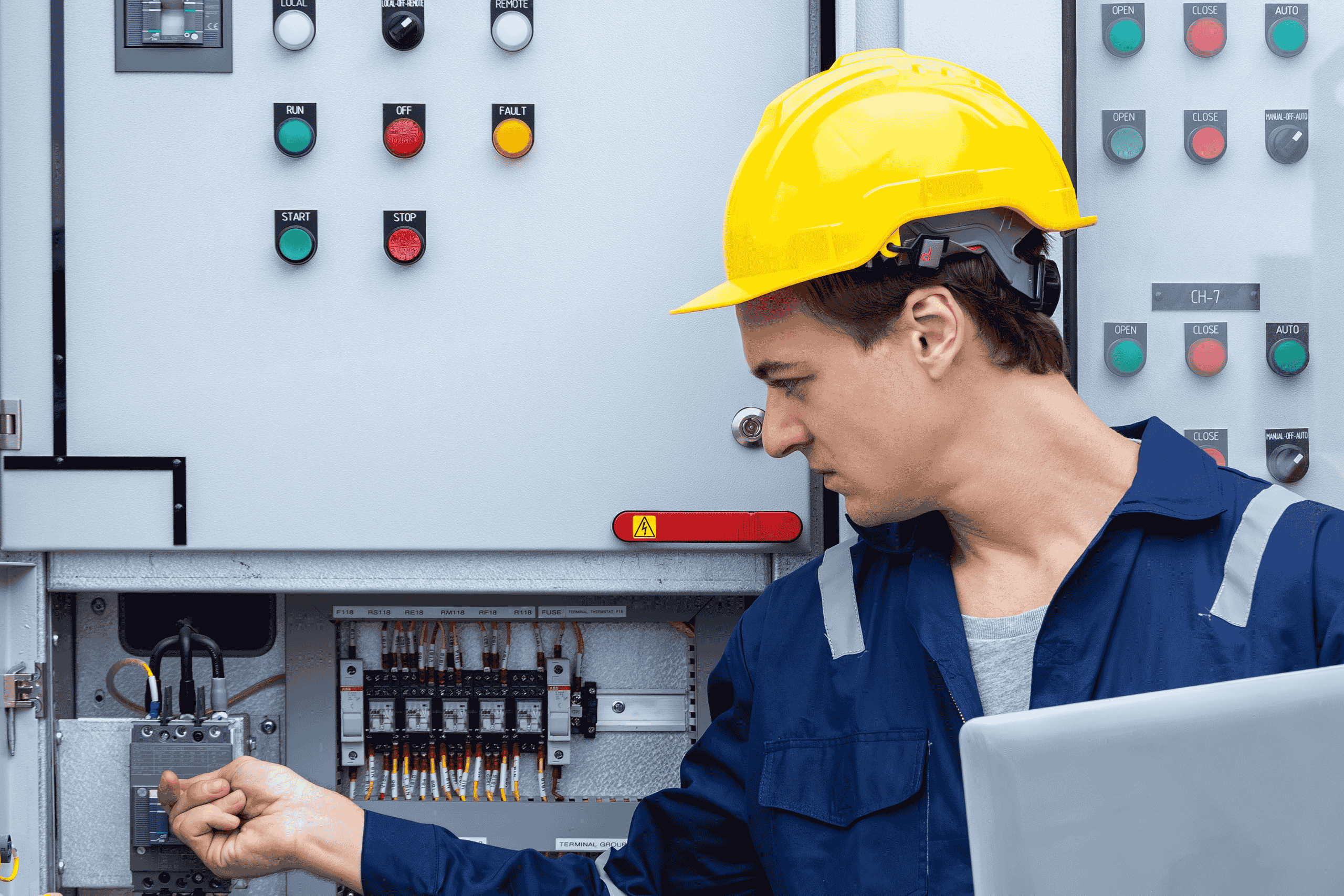
- Electrical panels and circuit breakers
- Grounding systems
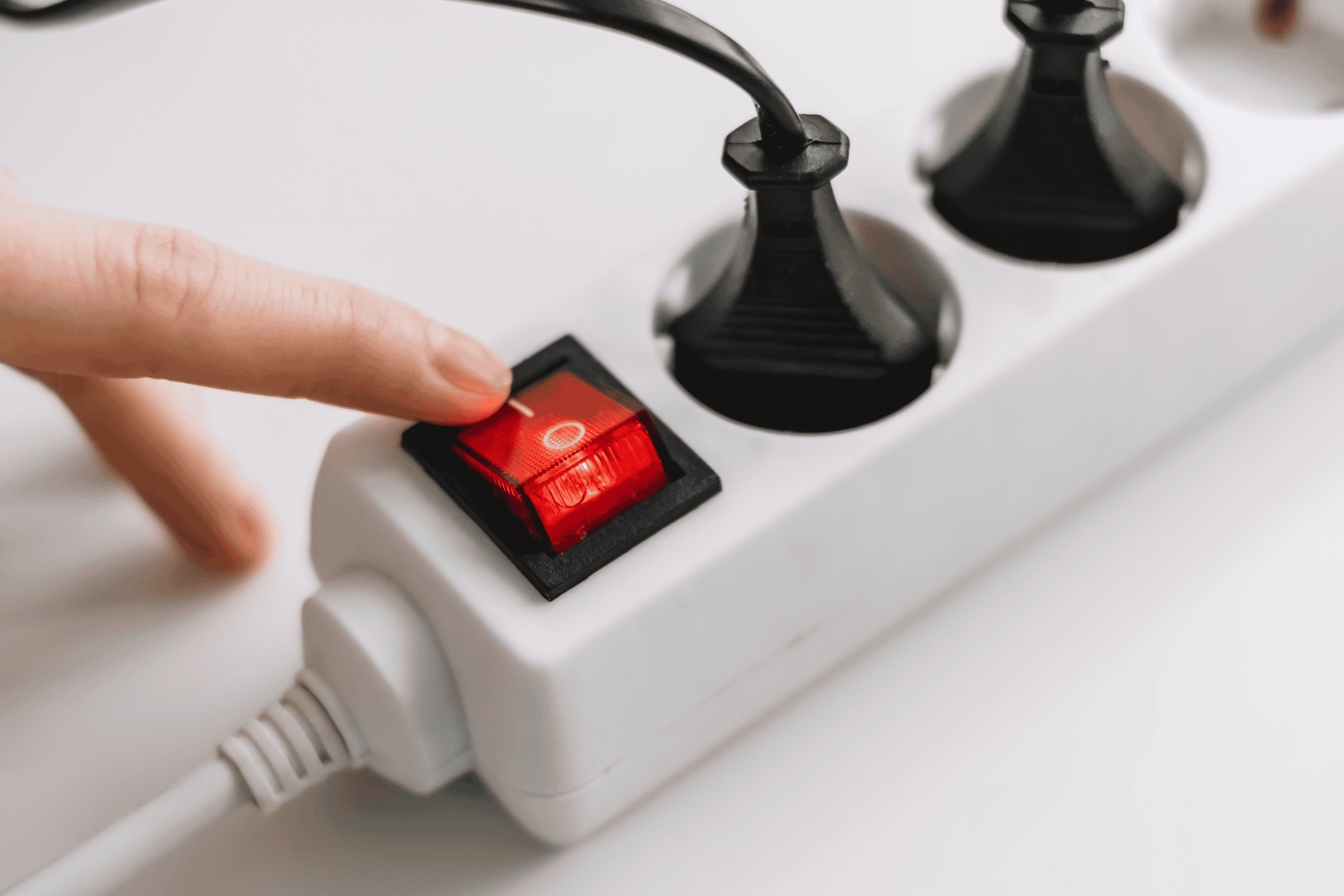
- Outlets and switches
- Smoke detectors and other safety devices
- Overloaded circuits
- Signs of wear or damage in electrical components
An inspection may be required for various reasons, such as when buying or selling a property, after a home renovation, or as part of a routine maintenance schedule.
Why Is an Electrical Inspection Important?
1. Ensures Safety and Prevents Hazards
The most important reason for scheduling an electrical inspection is safety. Faulty or outdated wiring, malfunctioning components, and overloaded circuits can pose serious risks to your home or business, such as:
- Electrical fires: Faulty wiring is one of the leading causes of home fires. According to the National Fire Protection Association (NFPA), electrical failures or malfunctions are responsible for roughly 13% of home fires in the U.S.
- Electrocution: Poorly maintained electrical systems can increase the risk of electric shock, leading to severe injuries or even fatalities.
- Overheating: When circuits are overloaded or wires are damaged, they can overheat, causing equipment failure or fire.
By having an electrical inspection performed, you identify potential hazards before they cause harm, protecting your family, employees, and property from electrical risks.
2. Compliance with Building Codes
Electrical codes and regulations are designed to ensure that electrical systems are safe and up to industry standards. These codes are regularly updated to reflect new technologies, best practices, and safety standards. A professional electrician will inspect your system to ensure it complies with local electrical codes and national standards.
If your electrical system doesn’t meet these codes, it could pose safety risks and may even prevent you from selling or insuring your property. By scheduling regular electrical inspections, you can avoid code violations and ensure your system is always compliant with the latest standards.
3. Increases the Longevity of Your Electrical System
Just like any other system in your home or business, your electrical system is susceptible to wear and tear over time. Aging wiring, outdated components, and damage from natural elements can cause inefficiencies and reduce the lifespan of your system.
During an electrical inspection, a licensed electrician will check for any signs of damage or deterioration. By identifying these issues early on, you can make repairs or upgrades that will help extend the life of your electrical system, preventing the need for expensive replacements in the future.
4. Saves Money on Repairs and Energy Costs
While an electrical inspection may seem like an additional expense, it can actually save you money in the long run. By detecting issues early, you can avoid more significant and costly problems that could arise if left unchecked. For example, a faulty circuit can lead to increased energy consumption and high utility bills. Identifying and fixing these issues early ensures that your electrical system is operating at peak efficiency, reducing energy costs.
Additionally, by addressing small issues early on, you can avoid larger, more expensive repairs. Catching electrical problems before they escalate is a smart financial decision that can save you hundreds or even thousands of dollars.
5. Improves Energy Efficiency
An efficient electrical system is key to keeping your energy bills low. During an electrical inspection, the electrician will check for any inefficiencies in your system, such as:
- Overloaded circuits: These can cause excessive power consumption.
- Poorly insulated wiring: This can lead to energy loss.
- Outdated appliances or lighting: Older systems may use more energy than necessary.
By identifying and addressing these inefficiencies, you can improve your system’s energy performance, ultimately lowering your utility bills.
What to Expect During an Electrical Inspection
1. Visual Inspection of the Electrical Panel
The electrical panel, also known as the breaker box, is the heart of your electrical system. During the inspection, the electrician will check the panel to ensure it’s in good condition, properly grounded, and free of corrosion or other damage. The panel will also be checked to ensure that circuits are properly labeled and that there are no overloaded circuits.
If your panel is outdated or malfunctioning, the electrician may recommend replacing it with a newer, more efficient model. An old or faulty panel can lead to power surges, inadequate energy distribution, and safety hazards.
2. Checking the Wiring and Connections
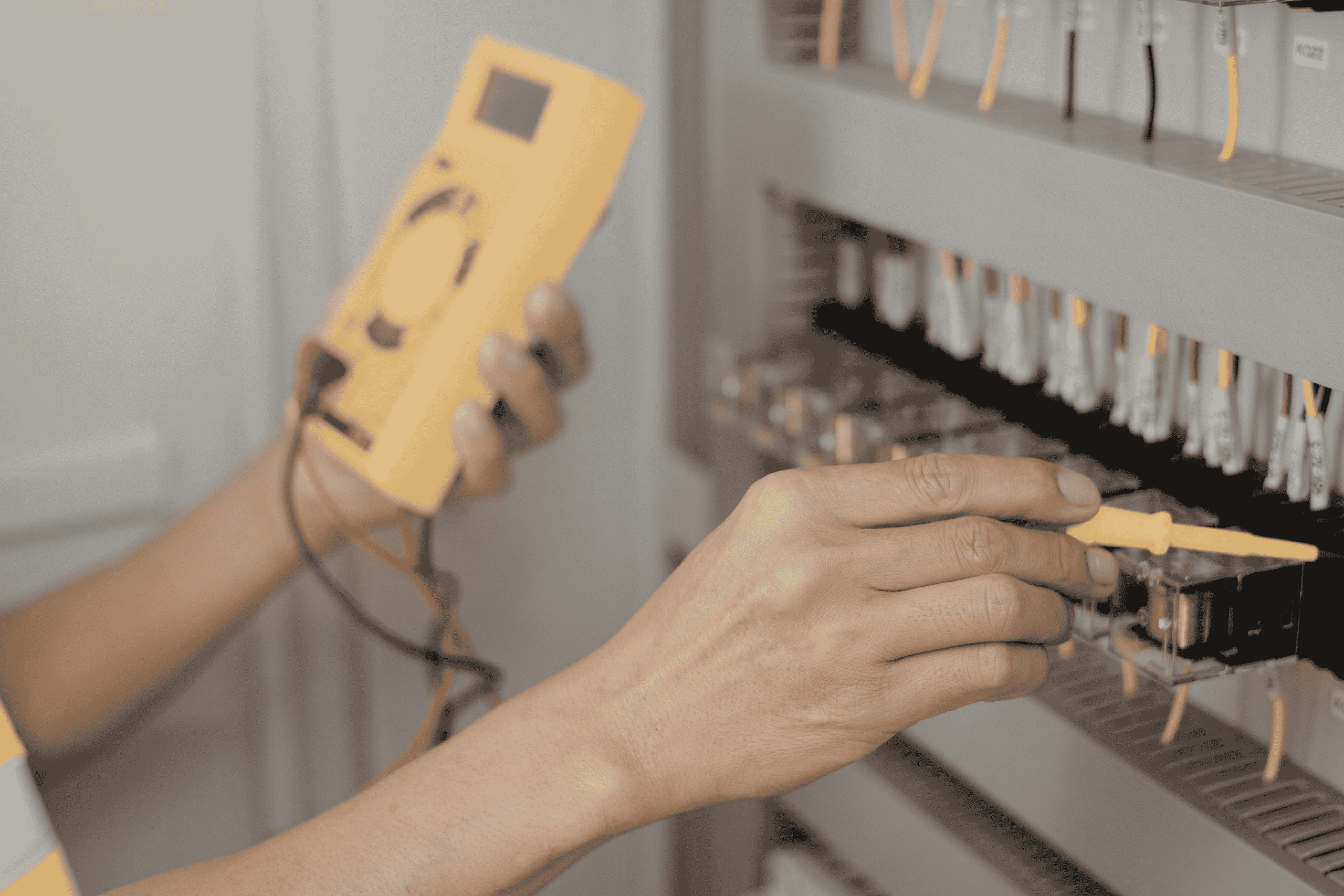
The electrician will inspect the wiring throughout your property to check for any signs of wear, such as frayed or exposed wires. They will also look for loose connections that could cause electrical issues or fires. They may inspect wiring in outlets, light fixtures, switches, and the attic to ensure everything is up to code.
If any faulty wiring is found, the electrician will provide recommendations for repairs or replacements. Outdated or damaged wiring can be a significant fire hazard, so it’s essential to address any issues promptly.
3. Testing Grounding and Bonding
Proper grounding is crucial for electrical safety. During the inspection, the electrician will check that the grounding system is correctly installed and functional. This helps prevent electrical shocks and ensures that any stray electrical current is safely directed into the ground.
The bonding of various electrical components, such as the water pipes and the electrical panel, will also be inspected to ensure that all parts of the system are properly connected and grounded.
4. Inspecting Outlets and Switches
The electrician will inspect all outlets and switches in your home or business. They will check for signs of overheating, cracks, or damage to the outlets, which could indicate electrical problems. Faulty outlets and switches can lead to electric shock or fires, so it’s crucial to address any issues immediately.
5. Checking for Overloaded Circuits
Overloaded circuits are a common cause of electrical issues, including overheating and power surges. During an electrical inspection, the electrician will check for overloaded circuits by evaluating how much power each circuit is drawing. They will ensure that the electrical load is evenly distributed across circuits and that there are no circuits at risk of becoming overloaded.
If overloaded circuits are identified, the electrician may recommend redistributing the load or installing additional circuits to balance the power consumption.
6. Checking for Energy Efficiency
An electrical inspection isn’t just about checking safety—it’s also about optimizing your system’s performance. The electrician may assess the energy efficiency of your electrical system by inspecting your lighting, appliances, and insulation. If they notice any energy inefficiencies, they will provide recommendations for improvements, such as upgrading to energy-efficient LED lighting or replacing old appliances with Energy Star-rated models.
7. Smoke Detectors and Other Safety Devices
Smoke detectors and carbon monoxide detectors are essential for protecting your home or business from fire and gas leaks. During an inspection, the electrician will test these devices to ensure they are functioning properly. They will also check the placement of the detectors to ensure they meet safety standards.
If any smoke detectors are faulty or missing, the electrician will recommend replacements or upgrades to ensure that your property is adequately protected.
How Often Should You Schedule an Electrical Inspection?
For most homes and businesses, it’s recommended to schedule an electrical inspection at least once every 3-5 years. However, there are certain situations when you may need an inspection more frequently, such as:
- After purchasing a new home: To ensure the electrical system is safe and up to code.
- After major renovations or upgrades: To verify that the new wiring or components are properly installed.
- If you experience electrical problems: If you notice frequent power surges, circuit breaker trips, or faulty outlets, it’s time for an inspection.
Additionally, if your property is over 40 years old, it’s a good idea to have an inspection every 3 years, as older systems are more likely to experience wear and tear.
Conclusion
An electrical inspection is an essential step in maintaining the safety, efficiency, and reliability of your electrical system. Whether you’re a homeowner or a business owner, scheduling regular inspections ensures that your electrical system is functioning properly, reduces the risk of hazards, and helps you save money on energy costs.
By understanding what to expect during an electrical inspection and the importance of regular checks, you can protect your property, ensure the safety of your family or employees, and extend the lifespan of your electrical system. Don’t wait for a problem to arise—schedule your inspection today and enjoy peace of mind knowing your electrical system is in top condition.