

Electrical wiring is the backbone of your home’s electrical system, responsible for safely delivering power to every room, appliance, and outlet. However, over time, wiring can become faulty, leading to a range of problems, from electrical outages to potential fire hazards. Detecting and fixing faulty electrical wiring is crucial for ensuring the safety and functionality of your home’s electrical system.
In this comprehensive guide, we’ll walk you through the process of identifying faulty electrical wiring in your home, understanding the common signs, and providing tips on how to fix electrical wiring issues. Whether you’re dealing with a simple electrical malfunction or suspect something more serious, this blog post will help you understand what steps to take and when to call in a professional.
Why Faulty Electrical Wiring is a Serious Concern
Faulty electrical wiring is not something to take lightly. It can cause a range of problems that pose significant risks, including:
- Electrical fires: Damaged or overloaded wiring can spark a fire, which is one of the leading causes of home fires.
- Electric shocks: Faulty wiring can result in exposed wires or grounding issues, increasing the risk of electrical shock.
- Frequent circuit breaker trips: Overloaded or damaged wiring can cause your circuit breakers to trip repeatedly, leading to power disruptions and potential damage to appliances.
- Power outages: Wiring problems can cause electrical outages in certain parts of your home, leading to inconvenience and frustration.
In short, addressing faulty electrical wiring quickly is essential for maintaining a safe living environment. Let’s now explore the common signs of faulty wiring and how you can detect them.
Signs of Faulty Electrical Wiring in Your Home
If your home has faulty electrical wiring, there are often telltale signs that something isn’t quite right. Below are some of the most common signs that indicate you may have faulty wiring in your home:
1. Frequent Circuit Breaker Trips
Circuit breakers are designed to trip when there’s an overload or short circuit, cutting off power to prevent further damage. However, if your breakers are constantly tripping without a clear cause, this could be a sign that there’s a problem with your electrical wiring. Common causes include:
- Overloaded circuits: Too many devices plugged into the same circuit.
- Damaged wiring: Worn-out or frayed wires that are causing short circuits.
2. Flickering or Dimming Lights
If your lights flicker or dim every time you use an appliance or switch on a device, it could be a sign that your electrical wiring is faulty. This issue is often caused by loose or damaged wiring connections, which prevent the smooth flow of electricity to the lights.
3. Burning Smell or Discoloration Around Outlets
A burning smell or discoloration around electrical outlets and switches is a serious sign of faulty wiring. It could mean that the wires are overheating, which can lead to an electrical fire if left unchecked. You may also notice scorch marks or melted plastic around the outlet. In this case, it’s crucial to turn off the power and contact a licensed electrician immediately.
4. Electric Shocks
If you experience frequent electric shocks when touching appliances, outlets, or switches, it’s a clear indication that your electrical wiring may be unsafe. This could be caused by exposed wires, grounding issues, or poor electrical connections, all of which pose a risk to your safety.
5. Warm or Hot Outlets and Switches
Outlets and switches should never feel warm or hot to the touch. If they do, it’s a sign that the wiring inside the walls is malfunctioning, possibly due to a short circuit or an overloaded circuit. This condition is not only inconvenient but also dangerous.
6. Dead Outlets or Switches
If certain outlets or switches in your home no longer work, it could be a sign that there’s a problem with the wiring. Over time, electrical connections can loosen, break, or become corroded, causing the outlet to lose power. This could also indicate that the wiring in the circuit is faulty.
7. Buzzing or Humming Sounds
If you hear a buzzing or humming sound coming from your outlets, switches, or electrical panels, it could indicate faulty wiring. This noise often occurs when wires are loose or not properly connected, creating an electrical resistance that causes the wires to vibrate. This can be a serious issue that requires immediate attention.
How to Detect Faulty Electrical Wiring in Your Home
Detecting faulty wiring requires a systematic approach to pinpointing the source of the problem. Here’s a step-by-step guide on how to detect electrical wiring issues in your home:
1. Turn Off Power to the Affected Areas
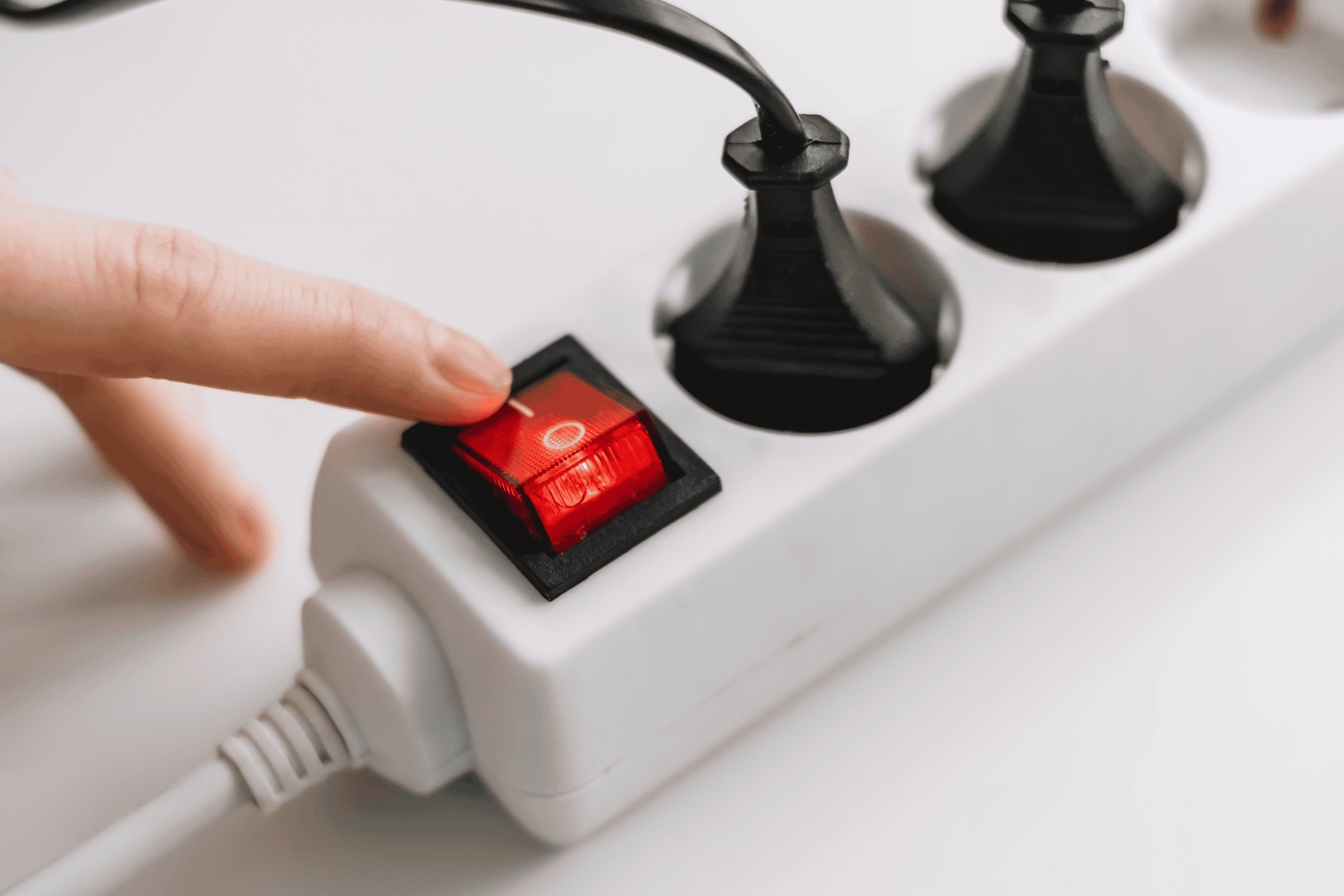
Before inspecting any electrical wiring, always turn off the power to the affected area to avoid the risk of electrical shock. You can do this by switching off the main breaker or turning off individual circuit breakers that control the affected circuits.
2. Inspect Circuit Breakers
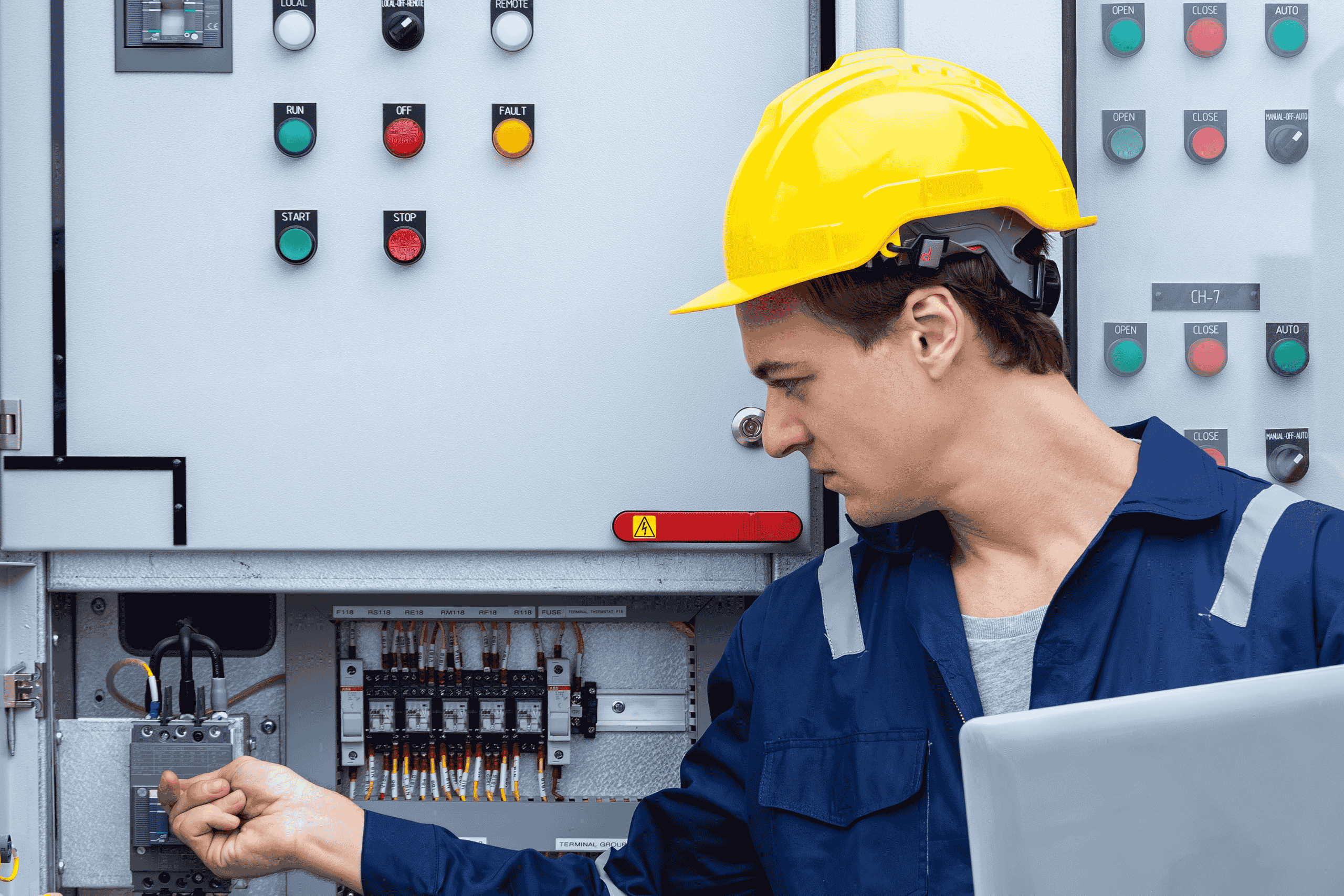
Check your circuit breaker panel for any tripped breakers. If you find that a breaker has tripped, try resetting it and observe whether the problem persists. If the breaker trips again, there may be a wiring issue that requires further inspection.
3. Test Your Outlets and Switches
Use an outlet tester to check for any electrical issues in your outlets. These testers are inexpensive and easy to use, and they can help identify common wiring problems, such as an open ground, reversed polarity, or overloaded circuits. For switches, make sure they’re securely fastened and not making any unusual noises when operated.
4. Look for Visible Signs of Damage
Inspect visible wiring in your home, especially in areas like the attic, basement, and crawl spaces. Look for signs of wear, such as frayed wires, exposed conductors, or burn marks. If you find any damaged wires, they will need to be replaced by a licensed electrician.
5. Check for Hot or Overloaded Outlets
Touch the outlets to check if they feel warm or hot to the touch. Overloaded or faulty outlets can become overheated, posing a fire risk. If you notice any outlets or switches that are hot to the touch, turn off the power and call a professional immediately.
6. Use a Multimeter for More Advanced Testing
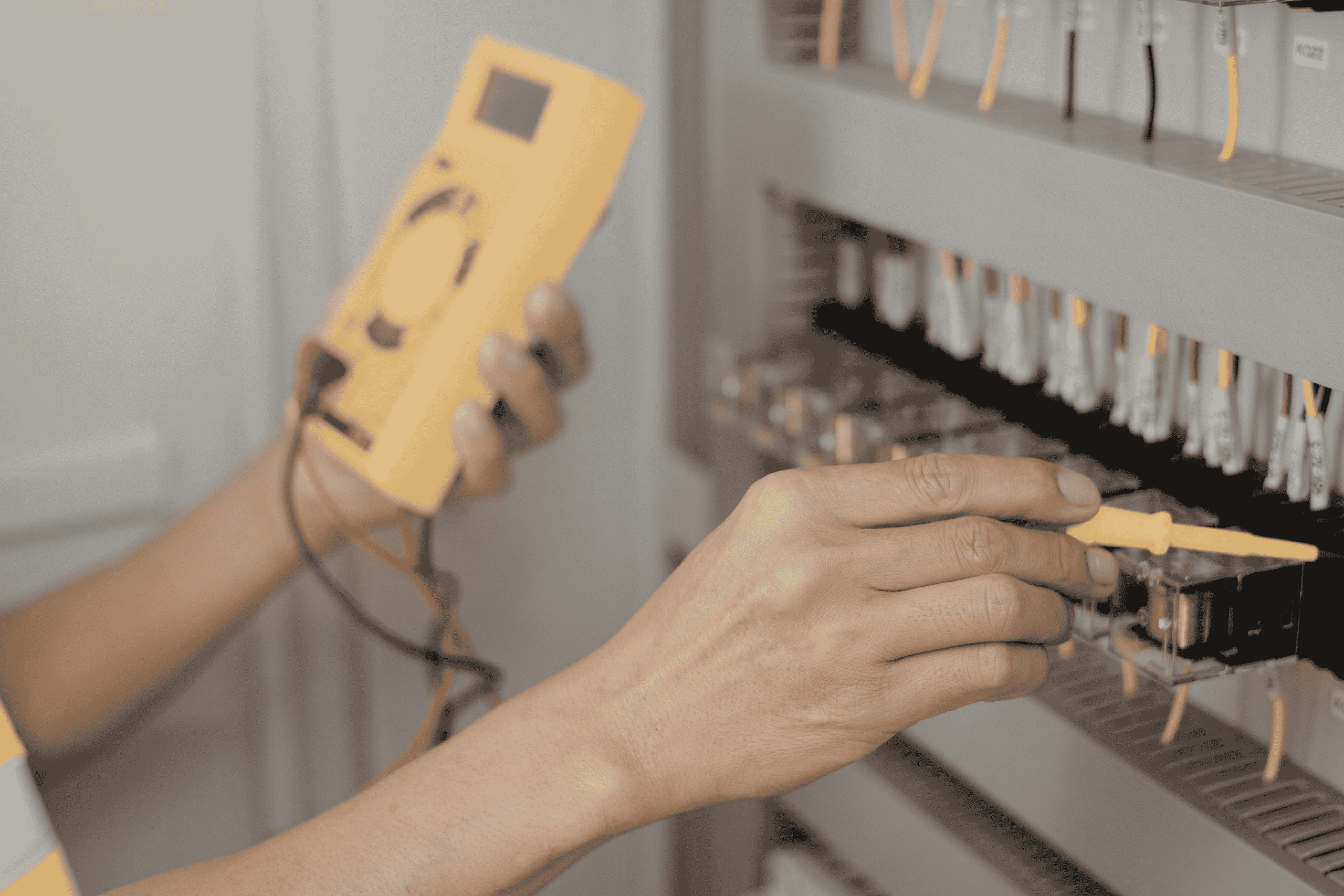
For more advanced testing, you can use a multimeter to measure the voltage in your outlets. A healthy outlet should have 120 volts of power (in the U.S.). If the voltage reading is too high or too low, it may indicate faulty wiring or a problem with the circuit.
7. Listen for Strange Sounds
Pay attention to any buzzing or humming sounds coming from your outlets or switches. This could be a sign of an electrical short, loose wiring, or another serious issue.
How to Fix Faulty Electrical Wiring
Once you’ve identified faulty electrical wiring in your home, it’s time to fix the problem. Depending on the severity of the issue, some electrical problems can be repaired by a homeowner, while others require professional intervention. Below are some steps you can take to fix faulty wiring:
1. Replace Damaged Wires
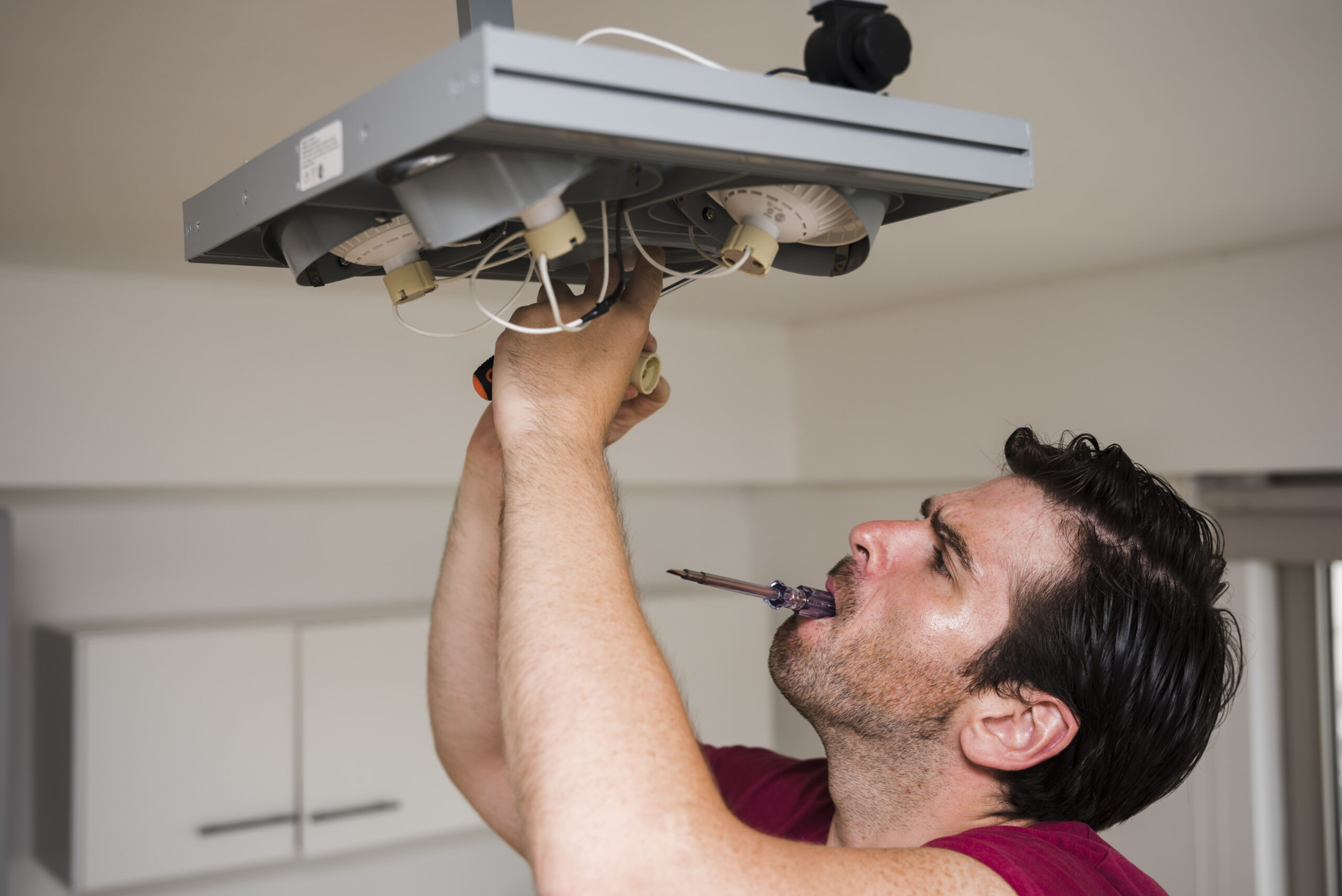
If you find frayed or damaged wires, they will need to be replaced. This requires turning off the power and carefully removing the damaged wires. Install new wires that match the specifications of the old ones, and make sure they’re properly connected to the circuit. If you’re not comfortable with this process, hire an electrician to handle the repair.
2. Fix Loose Connections
Loose connections are a common cause of electrical problems. If you find any loose wires or connectors in your outlets, switches, or junction boxes, tighten them securely. Be sure to double-check that all connections are firm and not touching any other components that could cause a short circuit.
3. Install New Outlets
If you have dead or faulty outlets, you may need to replace them entirely. Turn off the power, remove the old outlet, and install a new one. Be sure to follow the proper wiring diagram and securely fasten the new outlet in place.
4. Upgrade Your Circuit Breaker Panel
If your circuit breaker panel is old or outdated, it may not be able to handle the demands of your modern electrical appliances. Upgrading to a newer panel with more circuit slots and higher capacity can help prevent future electrical issues and improve the overall safety of your home.
5. Rewire Your Home (If Necessary)
In some cases, extensive rewiring may be required if the electrical wiring in your home is too old or damaged to be repaired. Rewiring involves replacing all the wiring in your home and installing new outlets, switches, and circuit breakers. This is a major project that should only be done by a licensed electrician.
When to Call a Professional Electrician
While some electrical issues can be handled by a homeowner with the right knowledge and tools, many problems with electrical wiring require the expertise of a licensed electrician. Here are some situations where you should call a professional:
- Repeated circuit breaker trips
- Visible signs of fire damage, such as scorch marks
- Frequent electrical shocks
- Wiring problems in hard-to-reach areas or inside walls
- Outlets that aren’t working despite troubleshooting
An electrician will have the necessary tools and experience to accurately diagnose and fix electrical wiring issues, ensuring that your home’s electrical system is safe and functional.
Conclusion
Faulty electrical wiring is a serious issue that can pose significant safety risks to your home and family. Recognizing the signs of faulty wiring and taking immediate action can prevent accidents, electrical fires, and further damage. Whether you’re dealing with a minor issue like a dead outlet or something more serious like overloaded circuits or wiring in need of replacement, it’s essential to act quickly and efficiently.
If you’re unsure about the severity of the problem or need professional help, always contact a licensed electrician to ensure that your electrical wiring is fixed correctly and safely. Regular maintenance and inspections of your electrical system will help prevent future issues and keep your home safe and efficient.
For expert electrical wiring repairs and inspections, contact Us today and ensure the safety of your home’s electrical system!