
Learning how to reduce your electricity bill starts with understanding where your energy dollars actually go and making strategic improvements to your home’s electrical systems. After more than 20 years serving families across Port Charlotte, North Port, Punta Gorda, Venice, Englewood, and Sarasota, we’ve helped hundreds of homeowners cut their monthly energy costs by 20% to 40% through a combination of smart upgrades, behavioral changes, and electrical system improvements. In Florida’s hot climate, where air conditioning can account for nearly half of your electric bill, even small changes add up to significant annual savings.
> **Quick Answer:** Reducing your electricity bill involves a combination of upgrading inefficient electrical systems, optimizing HVAC usage, eliminating phantom loads, improving insulation, and adopting energy-smart habits. Most Florida homeowners can reduce monthly bills by 20-40% through strategic electrical upgrades like panel modernization, LED lighting, smart thermostats, and Energy Star appliances. Professional electrical assessments identify the highest-impact improvements for your specific home.
## Understanding Where Your Electricity Costs Come From
Before you can effectively reduce your electricity bill, you need to understand which systems and appliances consume the most power in your home. An energy audit is a professional assessment that measures exactly how and where your home uses electricity. In Southwest Florida’s climate, cooling costs typically dominate, but water heating, refrigeration, and phantom loads also contribute significantly to monthly bills.
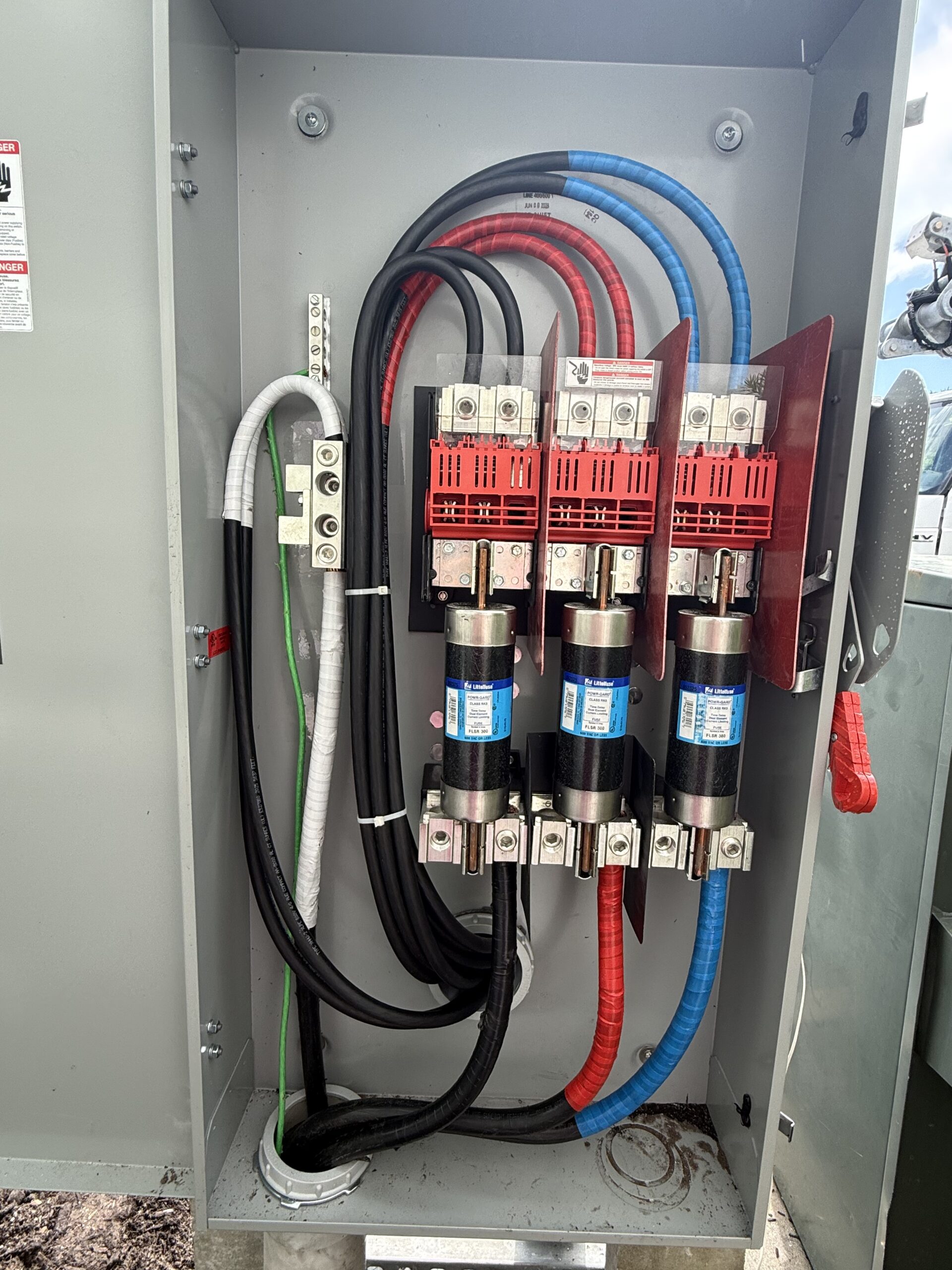
Your electrical panel is the central distribution point for all power in your home. Older panels with outdated breakers can allow energy waste through poor connections, insufficient capacity that forces appliances to work harder, and inability to support modern energy-monitoring systems. Additionally, many homes built before 2000 lack the circuit capacity needed for today’s energy-efficient upgrades like heat pump water heaters or Level 2 EV chargers.
HVAC systems account for 45% to 55% of the average Florida electricity bill, making cooling the single largest energy expense for most homeowners. Meanwhile, water heating typically represents 12% to 18% of usage, lighting accounts for 8% to 12%, and refrigeration uses another 6% to 8%. Understanding these proportions helps you prioritize which improvements will deliver the biggest savings.
## Top 10 Ways to Reduce Your Electricity Bill Through Electrical Upgrades
### 1. Upgrade to a Modern Electrical Panel
An outdated electrical panel forces your entire home to operate less efficiently because loose connections create resistance, which generates heat and wastes electricity. Modern panels with smart breakers provide real-time energy monitoring, allow you to identify which circuits consume the most power, and support the advanced energy-saving devices that require dedicated circuits. Homeowners who upgrade their panels often discover immediate savings of 5% to 8% simply from eliminating the resistance and inefficiency of old connections. Furthermore, [upgrading your electrical panel](https://caliberelectricswfl.com/change-out-electrical-panel-guide/) enables you to add solar panels, battery storage, and other renewable energy systems that can dramatically reduce long-term electricity costs.
### 2. Install LED Lighting Throughout Your Home
LED bulbs use 75% to 80% less electricity than traditional incandescent bulbs and last 25 to 50 times longer, making them one of the simplest and most cost-effective upgrades. A typical home with 40 light fixtures can save $200 to $400 annually by switching entirely to LED technology. Moreover, LEDs produce far less heat than incandescent bulbs, which reduces the cooling load on your air conditioning system during Florida’s long summers.
### 3. Add Smart Thermostats and Zoned Cooling
Smart thermostats learn your schedule and preferences, then automatically adjust temperature settings to minimize energy use when you’re away or sleeping. Programmable thermostats allow you to set different temperatures for different times of day, ensuring you’re not cooling an empty house to 72 degrees all day. In fact, homeowners in Port Charlotte and Punta Gorda typically save 10% to 23% on cooling costs after installing smart thermostats, which translates to $150 to $350 annually for most households.
### 4. Eliminate Phantom Loads with Smart Power Strips
Phantom loads are the electricity consumed by devices even when they’re turned off but still plugged in. Televisions, cable boxes, computer equipment, phone chargers, and kitchen appliances with digital displays all draw power 24/7, adding up to 5% to 10% of your total electricity bill. Smart power strips automatically cut power to devices when they’re not in use, eliminating this waste without requiring you to unplug everything manually each day.
### 5. Upgrade to Energy Star Appliances
Energy Star certified appliances use 10% to 50% less electricity than standard models, with the greatest savings coming from refrigerators, washing machines, dishwashers, and water heaters. However, many older homes in Venice and Englewood lack the proper electrical circuits to support modern high-efficiency appliances, which means an electrician may need to install dedicated circuits before you can upgrade. The investment pays off quickly, as a new Energy Star refrigerator alone can save $50 to $80 per year compared to a 15-year-old model.
### 6. Install Ceiling Fans to Reduce AC Load
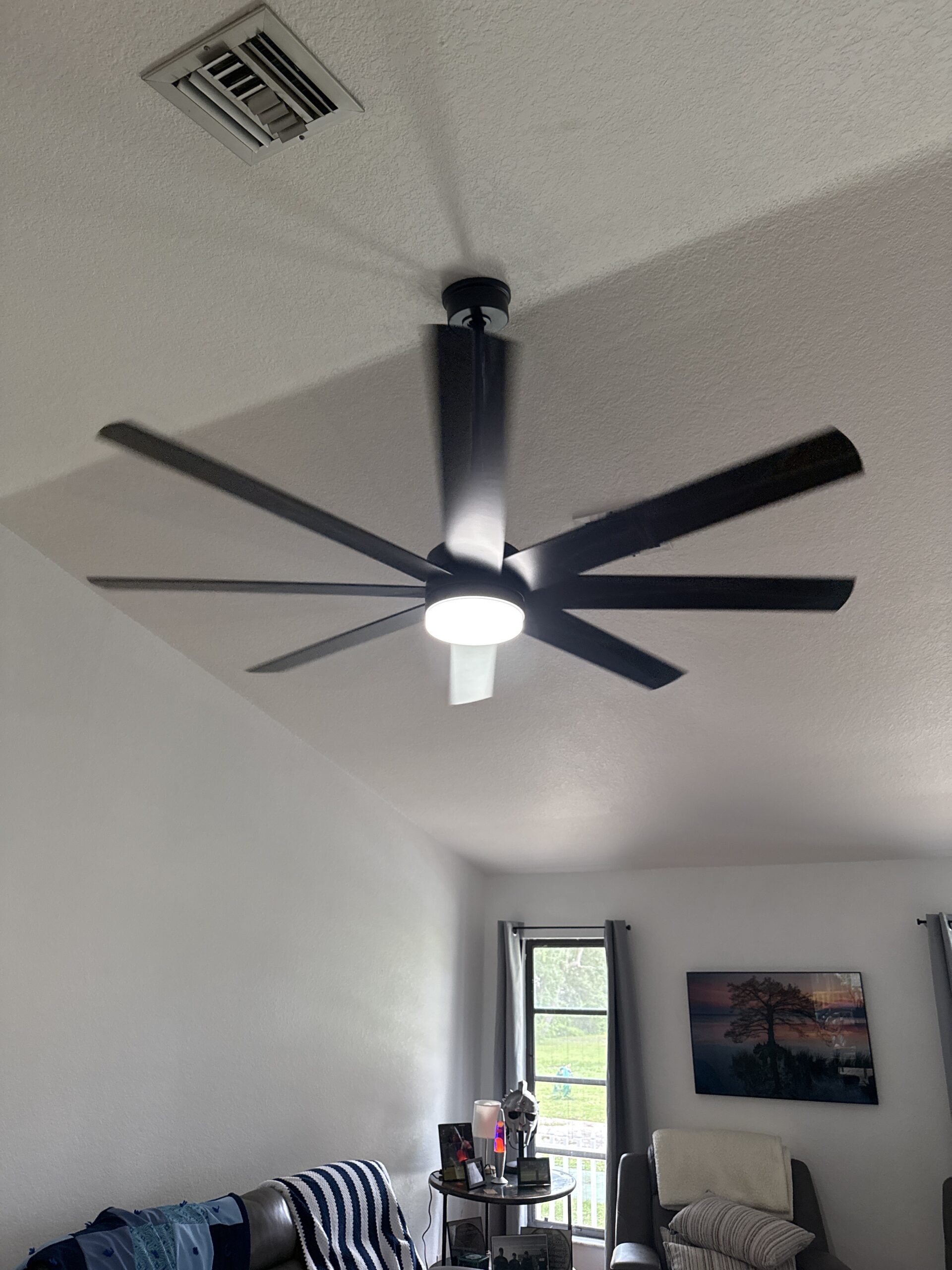
Ceiling fans create a wind-chill effect that makes rooms feel 4 to 6 degrees cooler without actually lowering the temperature, allowing you to raise your thermostat setting while maintaining comfort. Consequently, you can reduce air conditioning costs by 30% to 40% in rooms where ceiling fans are used consistently. Proper installation requires ceiling-rated electrical boxes and appropriate circuit capacity, especially if you’re adding fans to rooms that didn’t previously have them.
### 7. Add Whole-Home Surge Protection
Whole-home surge protectors don’t just protect your electronics; they also prevent micro-surges from degrading the efficiency of sensitive electronic components in modern appliances. Over time, these tiny power fluctuations reduce the lifespan and efficiency of everything from refrigerators to HVAC systems, causing them to draw more power as they age. Installing surge protection at your electrical panel preserves appliance efficiency and extends equipment life, indirectly reducing electricity consumption.
### 8. Upgrade to a Heat Pump Water Heater
Heat pump water heaters use electricity to move heat from the air into the water tank rather than generating heat directly, making them 2 to 3 times more efficient than conventional electric water heaters. According to the [U.S. Department of Energy](https://www.energy.gov/energysaver/heat-pump-water-heaters), a heat pump water heater can save a family of four approximately $300 to $600 per year on water heating costs. These systems require a dedicated 240-volt circuit and sufficient space for air circulation, so professional electrical assessment is essential before installation.
### 9. Install Attic Ventilation Fans on Smart Controls
Attic temperatures in Florida homes commonly reach 130 to 150 degrees during summer, and this superheated air radiates down through your ceiling, forcing your air conditioner to work much harder. Attic ventilation fans exhaust hot air and draw in cooler outside air, reducing attic temperatures by 20 to 40 degrees and cutting cooling costs by 10% to 15%. Smart controls activate the fan only when attic temperature exceeds outdoor temperature, ensuring the fan itself doesn’t waste electricity.
### 10. Add Solar Panels with Battery Storage
Solar photovoltaic systems generate electricity from sunlight, offsetting or even eliminating your electric bill depending on system size and energy usage. Battery storage systems allow you to use solar power even at night or during outages, maximizing your return on investment. Most solar installations in Sarasota and Port Charlotte pay for themselves in 7 to 12 years through electricity savings, after which the power is essentially free for the remaining 25-plus year lifespan of the panels.
## How Do Behavioral Changes Reduce Your Electricity Bill?
While electrical upgrades provide the foundation for lower bills, your daily habits and behaviors have an equally significant impact on monthly costs. In addition to equipment efficiency, the way you use that equipment determines your actual consumption. Therefore, even the most efficient home can have high bills if occupants leave lights on, run the AC at 68 degrees all day, or ignore maintenance schedules.
Running your thermostat just 2 to 3 degrees warmer during summer can reduce cooling costs by 10% to 15% without significantly affecting comfort, particularly when combined with ceiling fans. Similarly, washing clothes in cold water instead of hot saves the energy needed to heat the water, which accounts for about 90% of the energy used by your washing machine. Meanwhile, air-drying dishes instead of using the dishwasher’s heated dry cycle saves 15% to 50% of the appliance’s energy consumption per load.
Regular maintenance of your HVAC system ensures it operates at peak efficiency, as dirty filters and coils force the system to work harder and consume more electricity. Homeowners in North Port who change filters monthly during cooling season typically see 5% to 15% lower bills compared to those who neglect this simple task. Additionally, scheduling annual professional HVAC tune-ups prevents small problems from becoming major efficiency losses.
## What Are the Most Common Electricity-Wasting Problems in Florida Homes?
Older homes throughout Port Charlotte and surrounding areas often suffer from outdated wiring that creates resistance and wastes electricity through heat loss. Aluminum wiring, which was commonly installed in the 1960s and 1970s, has higher resistance than copper and can waste 2% to 4% of your electricity as heat. Loose connections at outlets, switches, and breakers create similar resistance problems that increase consumption while also posing fire hazards.
Undersized or overloaded circuits force appliances to work harder and less efficiently because they can’t draw the power they need to operate at rated capacity. For example, a refrigerator on an overloaded circuit may run its compressor longer and more frequently to maintain temperature, consuming 10% to 20% more electricity than necessary. This problem is particularly common in older homes that have added modern appliances without upgrading the electrical service.
Poor insulation and air sealing allow conditioned air to escape and hot outside air to infiltrate your home, which forces your HVAC system to run longer and more frequently. Air infiltration accounts for 25% to 40% of cooling costs in the average Florida home, making it one of the biggest opportunities for savings. Sealing air leaks around windows, doors, electrical outlets, and attic penetrations can reduce cooling bills by 15% to 25%.
Outdoor lighting that runs all night wastes significant electricity, particularly if it uses incandescent or halogen bulbs rather than LEDs. Motion sensors, photocells, and timers ensure outdoor lights operate only when needed, reducing outdoor lighting costs by 60% to 80% compared to lights that stay on from dusk to dawn every single night.
## How Much Does It Cost to Implement Electricity-Saving Upgrades?
The cost of reducing your electricity bill through electrical upgrades varies widely depending on which improvements you choose and the current condition of your home’s electrical system. However, most upgrades pay for themselves through electricity savings within 2 to 7 years, after which you continue to enjoy lower bills for the remaining lifespan of the equipment. Moreover, many improvements also increase your home’s value and appeal to potential buyers.
LED bulb replacements cost $2 to $8 per bulb, with whole-home conversions typically ranging from $100 to $300 depending on the number of fixtures. This investment typically pays for itself within 6 to 18 months through lower electricity bills and reduced bulb replacement costs. Smart thermostats range from $150 to $400 installed, paying for themselves within 1 to 3 years through cooling cost savings of $150 to $350 annually.
Electrical panel upgrades cost $2,000 to $4,500 for most residential installations in Southwest Florida, depending on panel size, location accessibility, and whether the service entrance also needs upgrading. While this represents a larger upfront investment, panel upgrades enable all the other energy-saving improvements and typically deliver 5% to 8% savings immediately through improved connections and reduced resistance. Furthermore, modern panels with energy monitoring capabilities help you identify and eliminate waste throughout your home.
Whole-home surge protection systems range from $500 to $1,200 installed, providing both immediate equipment protection and long-term efficiency preservation. Solar panel systems with battery storage represent the largest investment at $15,000 to $40,000 depending on system size and equipment quality, but they can reduce electricity bills by 50% to 100% and pay for themselves in 7 to 12 years through energy savings and available tax incentives.
## What Should You Expect During an Energy Efficiency Assessment?
Professional energy efficiency assessments provide a roadmap for reducing your electricity bill by identifying exactly where your home wastes energy and which improvements will deliver the greatest return on investment. A thorough assessment examines your electrical panel and service, evaluates appliance efficiency, tests for air leaks, measures insulation levels, and analyzes your usage patterns to create a prioritized list of recommendations. As a result, you can invest strategically in the upgrades that will save you the most money rather than guessing which improvements to make.
The electrician will inspect your electrical panel for signs of overheating, loose connections, and insufficient capacity that waste electricity or prevent efficiency upgrades. They’ll test voltage at various outlets throughout your home to identify resistance problems in your wiring that increase consumption. In addition, they’ll evaluate whether your current service capacity can support energy-saving upgrades like EV chargers, heat pump water heaters, or solar panels.
A comprehensive assessment includes appliance evaluation, where the electrician measures actual power consumption of major appliances and compares it to rated specifications and modern efficiency standards. This testing often reveals refrigerators, air conditioners, or other equipment that consume far more electricity than they should due to age, malfunction, or inefficiency. Ultimately, you’ll receive specific recommendations for which appliances to repair, upgrade, or replace to maximize savings.
## Frequently Asked Questions About How to Reduce Your Electricity Bill
### What is the fastest way to reduce your electricity bill in Florida?
The fastest way to reduce your electricity bill is to raise your thermostat setting by 3 to 4 degrees and ensure ceiling fans are running in occupied rooms to maintain comfort. Raising your thermostat from 72 to 75 degrees typically reduces cooling costs by 12% to 18% immediately, saving $30 to $60 on your very next bill. Combining this with LED bulb replacements and eliminating phantom loads by unplugging unused devices can deliver total savings of 15% to 25% within the first month.
### How much can smart thermostats reduce electricity bills?
Smart thermostats typically reduce electricity bills by 10% to 23% annually by optimizing cooling schedules, learning your preferences, and automatically adjusting temperatures when you’re away or sleeping. Homeowners in Port Charlotte, Punta Gorda, and Sarasota save an average of $150 to $350 per year after installing smart thermostats. The savings are greatest in homes where occupants have irregular schedules or frequently forget to adjust the thermostat manually when leaving the house.
### Does upgrading your electrical panel reduce electricity costs?
Upgrading your electrical panel reduces electricity costs by eliminating resistance from loose connections and outdated breakers, typically saving 5% to 8% immediately through improved efficiency. Modern panels also enable you to install energy-monitoring systems, smart breakers, and high-efficiency appliances that require dedicated circuits, which deliver additional long-term savings of 15% to 30%. Panel upgrades are particularly cost-effective in homes built before 1990 with original electrical systems.
### What electrical problems increase electricity bills?
Loose connections, aluminum wiring, undersized circuits, faulty breakers, and poor grounding all increase electricity bills by creating resistance that wastes power as heat. Flickering lights, outlets that feel warm to the touch, and breakers that trip frequently indicate electrical problems that waste energy while also posing safety hazards. Professional electrical inspection can identify and correct these issues, typically reducing consumption by 3% to 8% while improving safety and system reliability.
### How much do LED lights reduce electricity costs compared to incandescent bulbs?
LED lights reduce electricity costs by 75% to 80% compared to incandescent bulbs because they produce the same amount of light using only one-fifth to one-quarter of the electricity. A typical home in Venice or Englewood that replaces 40 incandescent bulbs with LEDs saves $200 to $400 annually on electricity and bulb replacement costs. LEDs also generate far less heat, reducing air conditioning costs during Florida’s long cooling season.
### Can ceiling fans really reduce air conditioning costs?
Ceiling fans reduce air conditioning costs by 30% to 40% in rooms where they’re used consistently because the wind-chill effect allows you to raise thermostat settings 4 to 6 degrees while maintaining the same comfort level. Raising your thermostat from 72 to 76 degrees while running ceiling fans can save $40 to $80 per month during summer in Southwest Florida. Fans must be installed with proper ceiling-rated electrical boxes and set to rotate counterclockwise in summer for optimal cooling effect.
### What rebates or incentives are available for energy efficiency upgrades in Florida?
Florida homeowners can access federal tax credits of up to 30% for solar panels, battery storage, and heat pump systems through the Inflation Reduction Act, which extends through 2032. Many local utilities in the Port Charlotte, North Port, and Sarasota areas offer rebates of $25 to $300 for Energy Star appliances, smart thermostats, and LED lighting upgrades. The Database of State Incentives for Renewables & Efficiency provides a comprehensive list of available programs for Florida residents.
### How long does it take for energy efficiency upgrades to pay for themselves?
Simple upgrades like LED bulbs and smart power strips pay for themselves in 6 to 18 months through immediate electricity savings. Smart thermostats typically pay for themselves in 1 to 3 years, while major improvements like electrical panel upgrades, heat pump water heaters, and new HVAC systems pay for themselves in 3 to 8 years. Solar panel systems in Sarasota and surrounding areas typically achieve payback in 7 to 12 years, after which they provide essentially free electricity for another 15 to 25 years.
### Should you replace old appliances even if they still work?
You should replace appliances more than 10 to 15 years old even if they still work because efficiency improvements mean modern Energy Star appliances use 30% to 50% less electricity. An old refrigerator that costs $120 per year to operate can be replaced with a modern model that costs only $40 to $60 annually, saving enough money to pay for the new appliance in 4 to 6 years. The savings continue for the entire 12 to 20 year lifespan of the new appliance.
### How do you know if your electrical system is wasting electricity?
Signs your electrical system is wasting electricity include warm outlets or switch plates, flickering lights, frequently tripping breakers, a burning smell near the electrical panel, and higher-than-expected electricity bills despite unchanged usage patterns. Professional electrical testing can measure voltage drop, identify resistance problems, and detect faulty breakers or connections that waste power. Thermal imaging reveals hot spots where electrical resistance converts your electricity into wasted heat instead of useful power.
## Why Choose Caliber Electric for Your Energy Efficiency Upgrades
For more than 20 years, Caliber Electric has helped families throughout Port Charlotte, North Port, Punta Gorda, Venice, Englewood, and Sarasota reduce their electricity bills through strategic electrical upgrades and system improvements. As a family-owned business, we understand that energy costs affect your family’s budget every single month, which is why we focus on solutions that deliver real, measurable savings backed by our licensed expertise. Our electricians carry state licenses, comprehensive insurance, and decades of combined experience optimizing electrical systems for Florida’s unique climate and energy challenges.
We offer comprehensive energy assessments that identify exactly where your home wastes electricity and which improvements will provide the best return on your investment. Our team installs everything from LED lighting and smart thermostats to complete panel upgrades, EV chargers, and solar-ready electrical systems. Whether you need a simple efficiency upgrade or a complete electrical modernization, we provide transparent pricing, quality workmanship, and solutions designed to reduce your electricity bill month after month for years to come. Contact Caliber Electric today at (941) 429-4793 for a professional energy assessment and discover how much you can save on your electricity bill.