

When it comes to the safety and functionality of your home, one of the most important components is the electrical panel. The electrical panel, also known as the breaker box or distribution board, acts as the heart of your home’s electrical system, distributing power to various circuits throughout your house. Choosing the right electrical panel is crucial for ensuring that your home’s electrical system is both safe and efficient. Whether you’re building a new home, renovating, or upgrading an outdated panel, understanding how to select the right one for your needs is essential.
In this comprehensive guide, we will walk you through the factors you need to consider when choosing the right electrical panel for your home. From understanding your electrical needs to evaluating panel capacity and features, we’ll cover everything you need to know to make an informed decision.
What is an Electrical Panel?
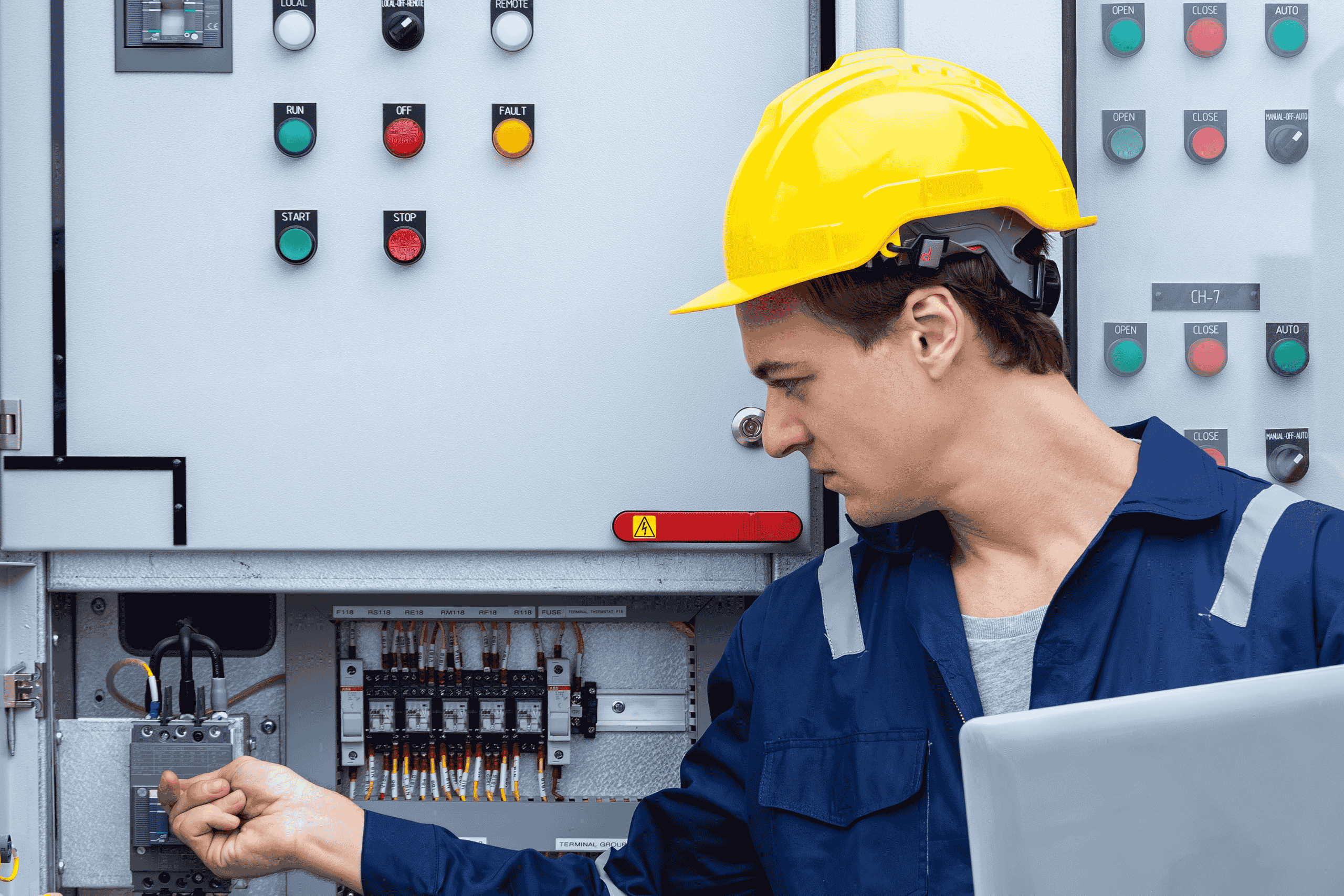
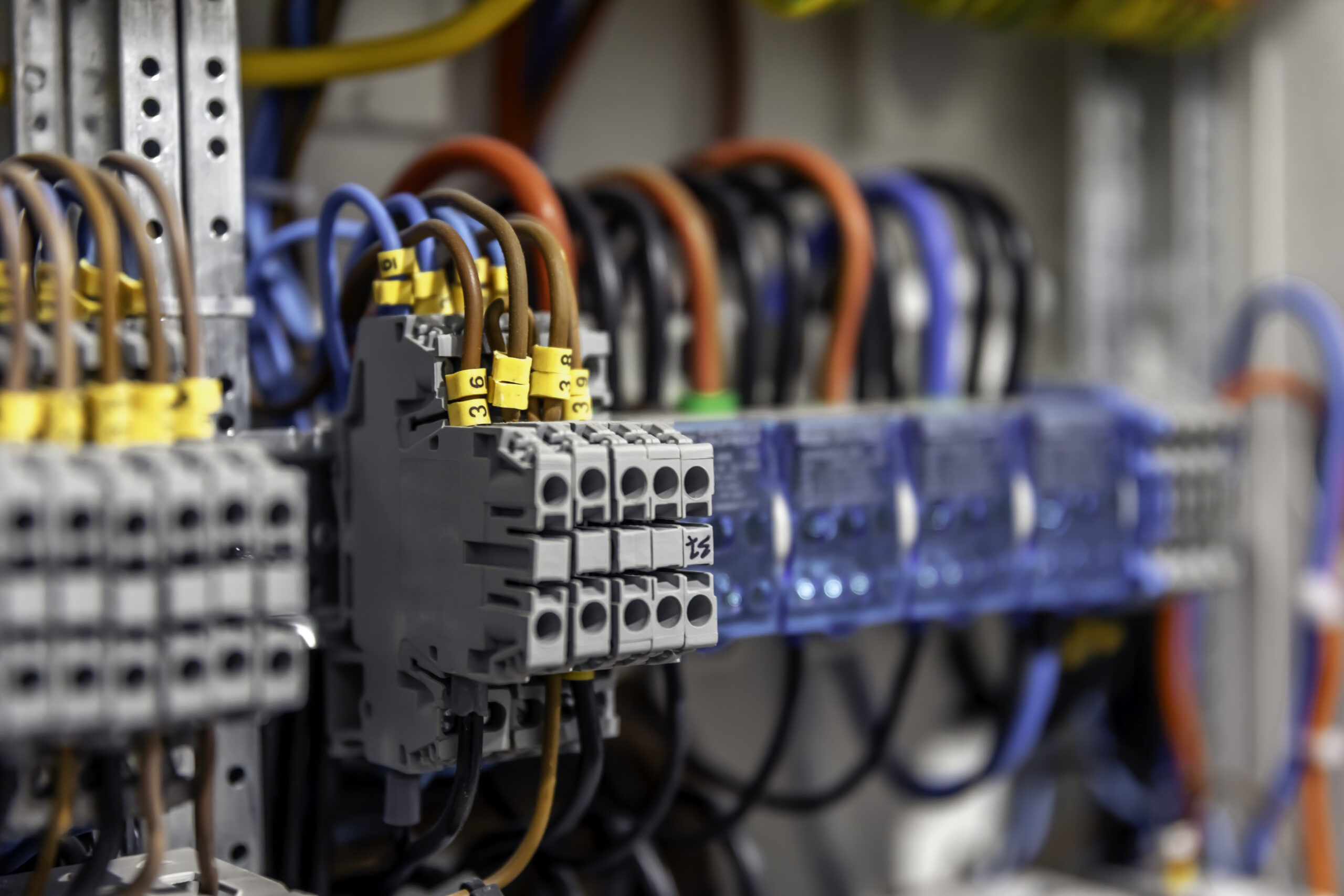
An electrical panel is a metal box that houses circuit breakers or fuses. It is where your home’s electrical power is distributed to various circuits, each designed to carry electricity to specific areas of your home, such as your kitchen, bathroom, living room, and more. The electrical panel is connected to the main power supply coming from your utility company, and it controls the flow of electricity to ensure that each circuit receives the correct amount of power.
The electrical panel is equipped with circuit breakers or fuses, which are safety devices designed to prevent overloading and electrical fires. If there is an overload or short circuit in the system, the circuit breaker will trip, cutting off the power to that circuit and preventing further damage.
Why is Choosing the Right Electrical Panel Important?
Choosing the right electrical panel for your home is essential for several reasons:
- Safety: An outdated or improperly sized electrical panel can lead to dangerous situations, including electrical fires or shocks.
- Capacity: The panel needs to be sized appropriately for the electrical load of your home. If it’s too small, it could cause frequent tripping of breakers or overloading, leading to expensive repairs.
- Future Growth: Your electrical needs may change over time as you add more appliances, electronics, or even electrical systems like air conditioning or home automation. It’s important to choose a panel that can handle these future demands.
Now that we understand the importance of an electrical panel, let’s explore how to choose the right one for your home.
1. Understand Your Home’s Electrical Needs
Before selecting an electrical panel, you need to assess the electrical needs of your home. This involves understanding how much electricity you use and what appliances or systems require power. Some common considerations include:
- Size of the Home: Larger homes typically require more electrical capacity, as there are more circuits to power.
- Appliances and Electronics: Consider all the major appliances in your home, such as air conditioning units, electric ovens, water heaters, and washers/dryers. You’ll need a panel that can handle the combined load of all these devices.
- Future Electrical Additions: If you plan on adding more electrical systems or devices, such as additional rooms, an electric car charger, or a home theater, you’ll need a panel that can accommodate these future needs.
You can use the total wattage of your home’s electrical system to estimate the amperage required for the electrical panel. However, it’s always a good idea to consult with an electrician to ensure that you’re selecting the correct panel size.
2. Choosing the Right Amperage for Your Electrical Panel
The amperage of your electrical panel determines the maximum amount of electrical current it can handle. Common amperage sizes for residential electrical panels include:
- 100 amps: This is the standard for smaller homes, apartments, or homes with relatively few electrical needs.
- 150 amps: Ideal for medium-sized homes with moderate electrical needs.
- 200 amps: Recommended for larger homes, especially those with multiple high-power appliances or systems, such as central air conditioning, large kitchen appliances, and multiple bathrooms.
When choosing the right amperage, consider the total wattage of your home’s electrical systems. If you plan on adding more appliances in the future, opting for a higher amperage panel can help ensure that you have enough capacity to accommodate these changes. An electrician can conduct a load calculation to determine the right amperage for your specific needs.
3. Types of Electrical Panels
There are different types of electrical panels available, each designed for specific uses. Understanding the different options can help you make an informed decision:
- Main Breaker Panel: This is the most common type of panel found in residential homes. It has a main breaker that controls power to the entire house. It is suitable for most homes and offers both safety and convenience.
- Main Lug Panel: This type of panel does not have a main breaker. Instead, the power comes directly from the utility company’s lines to the individual breakers. This type is typically used in commercial buildings or as a subpanel in larger homes.
- Subpanels: A subpanel is a smaller electrical panel connected to the main panel. It is used to manage electrical power in specific areas of the home, such as a garage, workshop, or addition. If your home is undergoing renovations, a subpanel may be a good option for managing additional electrical needs.
4. Panel Capacity and Number of Circuits
Electrical panels come with varying capacities in terms of the number of circuits they can support. The number of circuits you need will depend on the size of your home, the appliances you have, and any future electrical needs.
- Single-Pole Circuit: This type of circuit is used for standard 120-volt appliances and lights. It requires one slot in the electrical panel.
- Double-Pole Circuit: Double-pole circuits are used for larger appliances, such as electric ranges or dryers, that require 240 volts. These circuits occupy two slots in the panel.
When choosing an electrical panel, make sure that it has enough circuit slots for your current needs and potential future additions. It’s a good idea to choose a panel with extra capacity to accommodate additional circuits if needed.
5. Choosing a Panel Brand
Not all electrical panels are created equal, and choosing a reputable brand can make a significant difference in the performance and safety of your electrical system. Some well-known brands that are widely trusted in the industry include:
- Square D: Square D is one of the most popular brands for residential electrical panels, known for its high-quality and reliable products.
- Siemens: Siemens is a leading manufacturer of electrical panels and offers a wide range of options for residential and commercial use.
- Eaton: Eaton is another reputable brand that offers reliable and durable electrical panels for residential homes.
When choosing a brand, consider the warranty, availability of parts, and the reputation of the manufacturer. An experienced electrician can guide you in selecting a trusted brand that fits your needs.
6. Consider the Cost of Installation
While the price of the electrical panel itself is important, it’s also crucial to consider the cost of installation. The installation of an electrical panel is a complex task that requires the expertise of a licensed electrician. The cost of installation will depend on several factors, including:
- Amperage: Higher amperage panels are generally more expensive, both in terms of the panel itself and the installation.
- Location of the Panel: If the panel is being installed in an area that requires additional work, such as running new wiring or upgrading the electrical system, the installation cost may be higher.
- Upgrades to the Electrical System: If your current electrical system is outdated or needs to be upgraded to accommodate the new panel, this will add to the overall cost.
It’s important to get multiple quotes from licensed electricians to ensure that you are getting a fair price for both the panel and the installation.
7. Permits and Code Compliance
In Florida, as in most states, any electrical work, including the installation or replacement of an electrical panel, requires a permit. This ensures that the work is done safely and complies with local building codes. Your electrician will typically handle the permitting process, but it’s essential to verify that they are following the proper procedures.
Before starting any work, your electrician will need to:
- Obtain a permit: This is required to ensure that the installation is up to code.
- Inspect the existing electrical system: The electrician will need to check the existing wiring and system to ensure that it is compatible with the new panel.
- Pass inspections: Once the panel is installed, a local inspector will need to verify that everything is in compliance with the code.
By working with a licensed and qualified electrician, you can ensure that your electrical panel installation is completed safely and up to code.
Conclusion
Choosing the right electrical panel for your home is crucial for ensuring the safety, efficiency, and longevity of your electrical system. By considering factors such as your home’s electrical needs, the correct amperage, the type of panel, and the quality of the installation, you can make an informed decision that will protect your home and keep your electrical system running smoothly.
Remember, the electrical panel is the heart of your home’s electrical system, and making the right choice now can save you from costly repairs and safety issues in the future. If you’re unsure about which electrical panel to choose, consult with a licensed electrician who can assess your needs and guide you through the process.
For expert advice and professional installation of your electrical panel, contact us today!