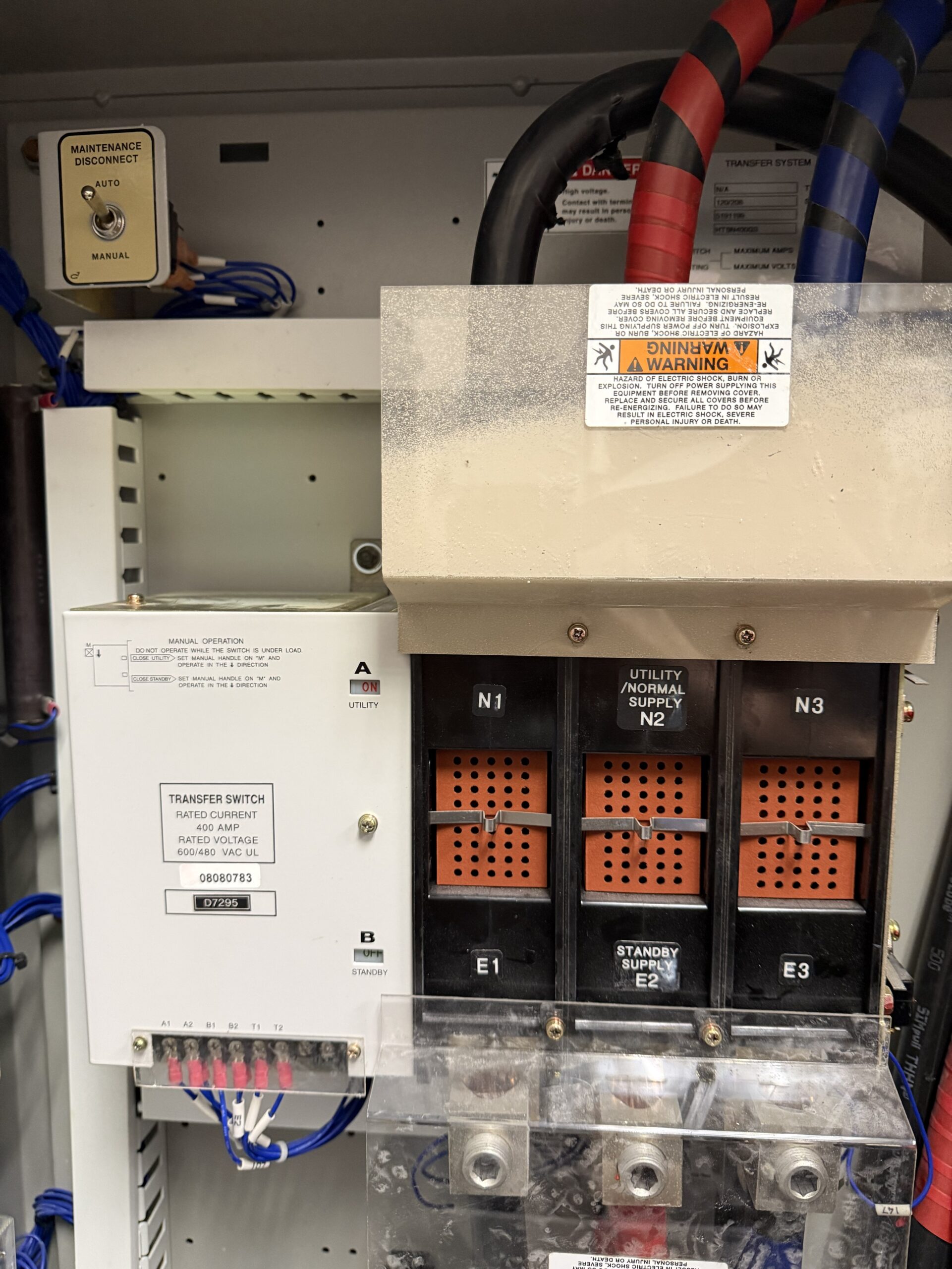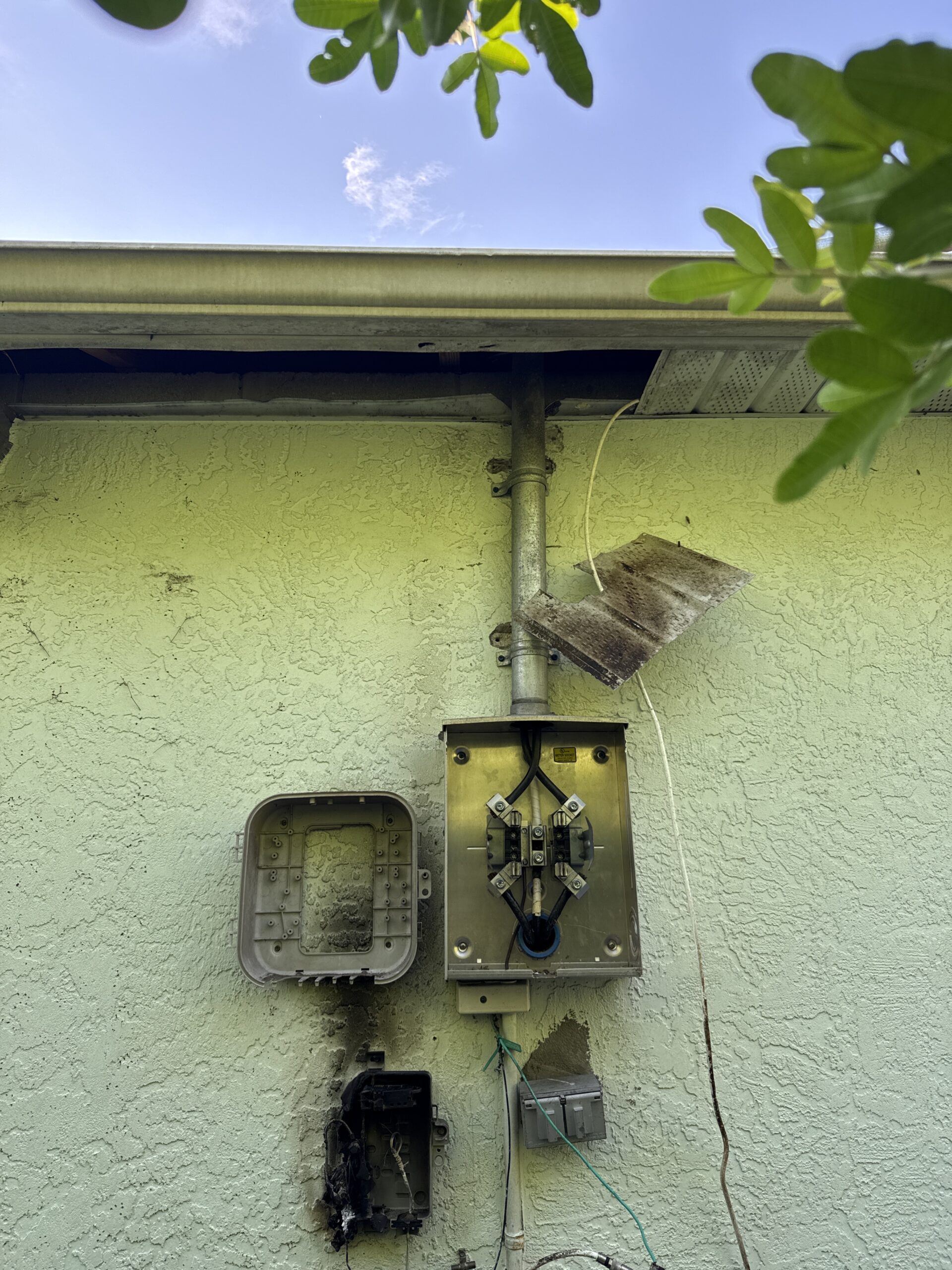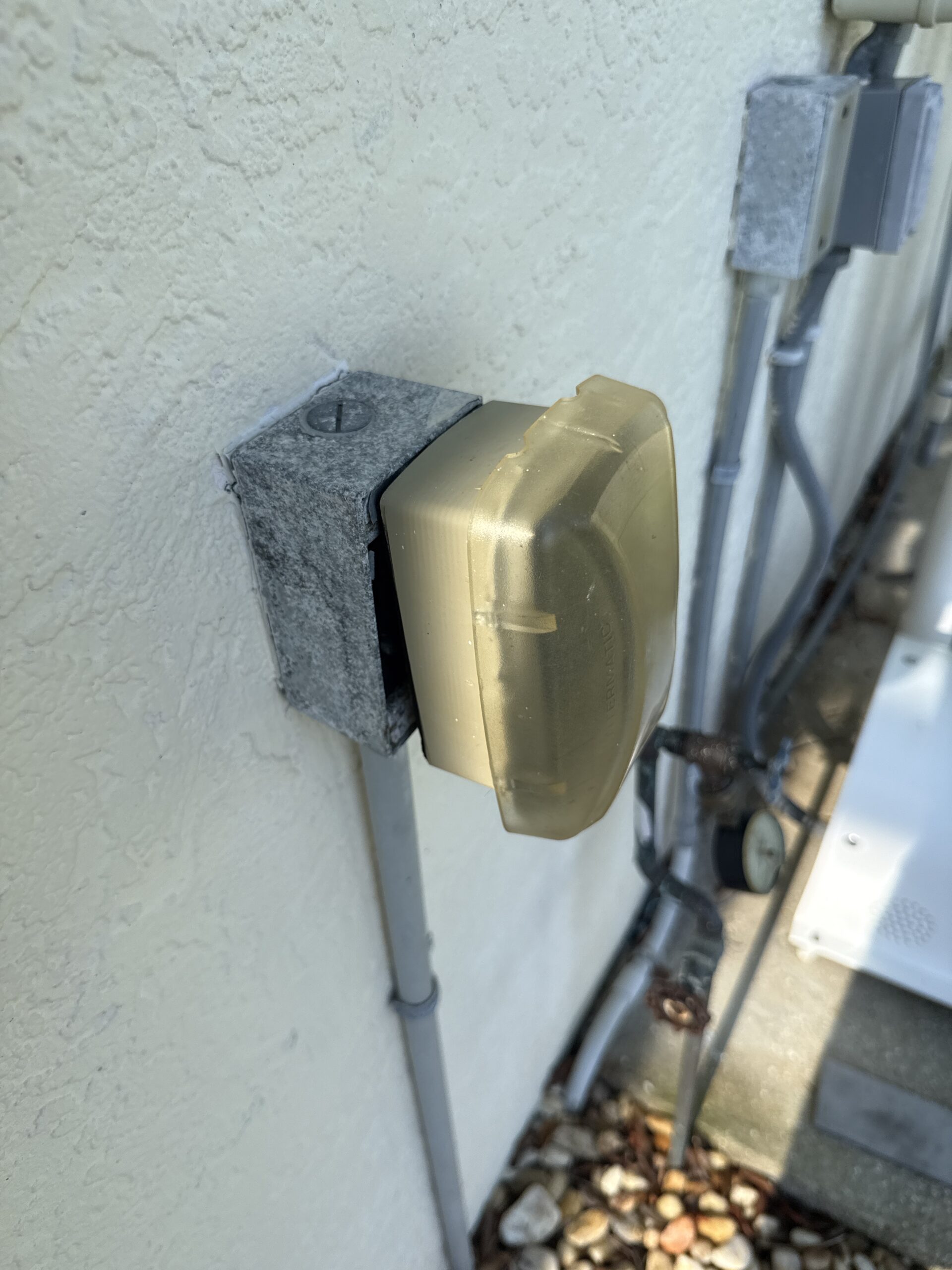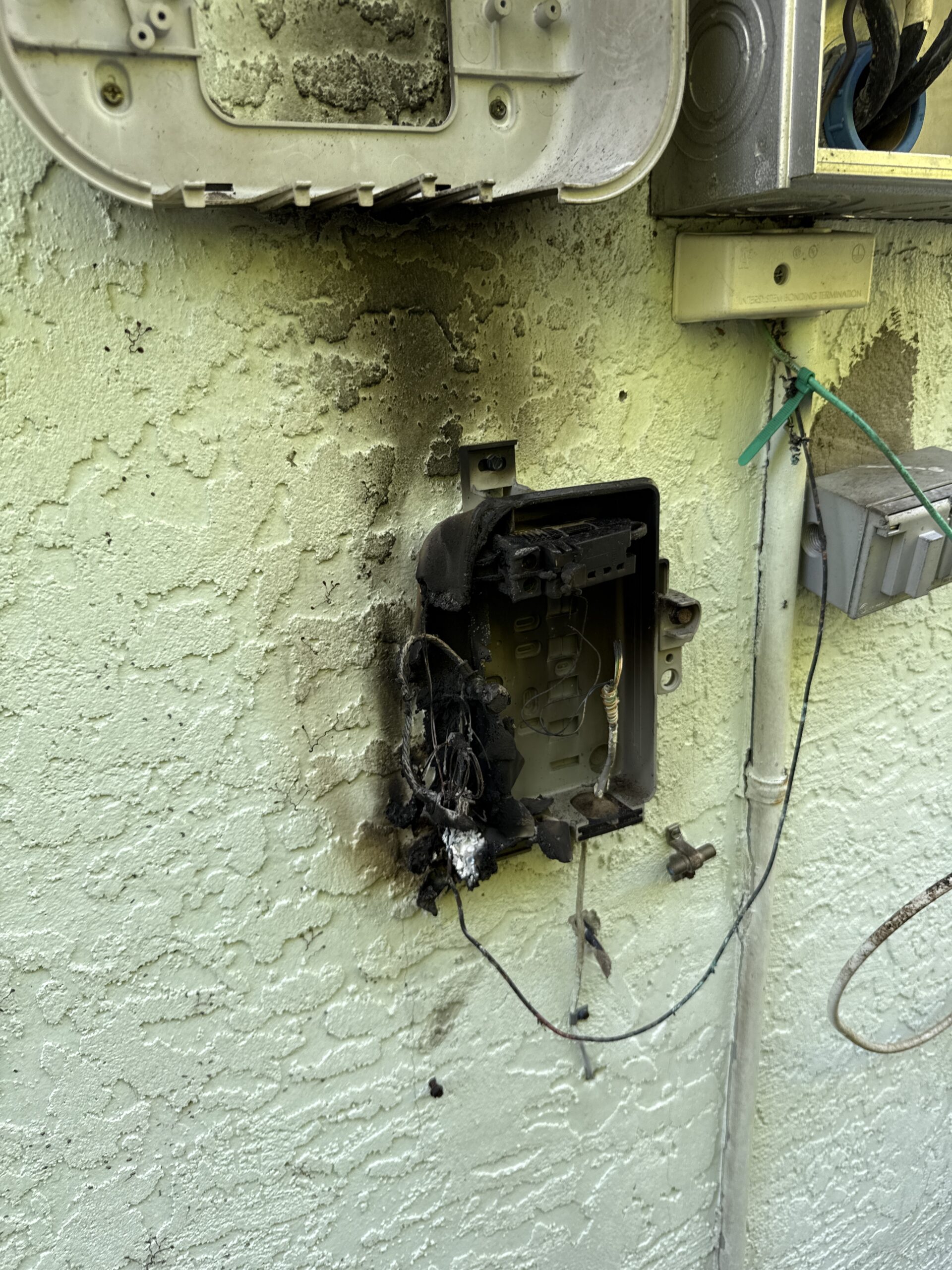


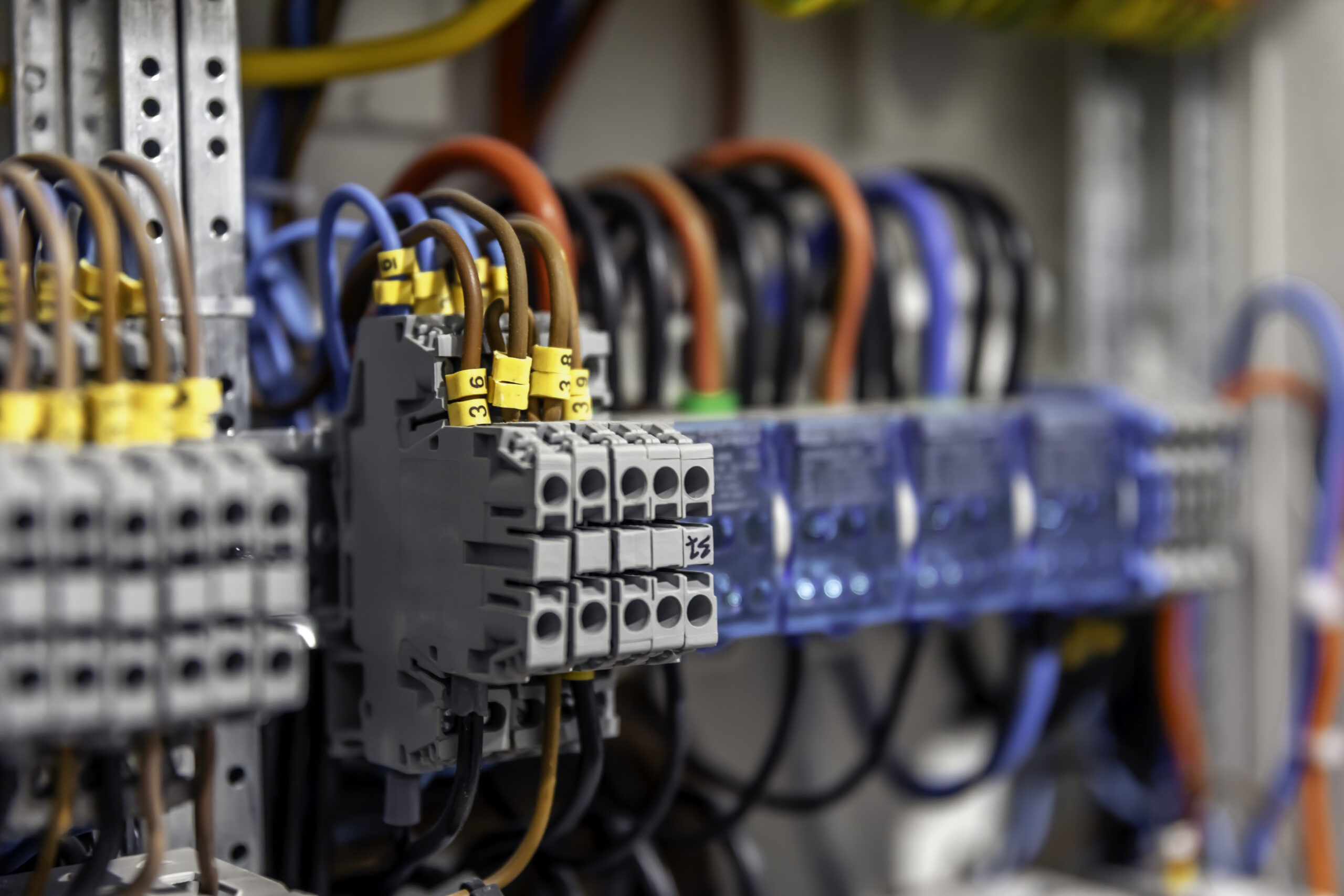
Your home’s electrical panel is one of its most important components. Also known as a breaker box or distribution board, it distributes electricity to all circuits in your house. Choosing the right panel ensures safety and efficiency.
Whether building a new home, renovating, or upgrading an old panel, understanding how to select the right one is crucial.
What is an Electrical Panel?
An electrical panel is a metal box that houses circuit breakers or fuses. It distributes power from the utility to each circuit in your home, such as the kitchen, bathroom, or living room.
Circuit breakers protect your home by stopping power flow if a short circuit or overload occurs. This prevents damage and reduces the risk of fires.
Why Choosing the Right Panel Matters
Selecting the correct panel affects:
- Safety: Outdated or undersized panels can cause electrical fires or shocks.
- Capacity: Panels must handle your home’s electrical load. Undersized panels may trip frequently.
- Future Growth: Adding appliances, EV chargers, or automation requires a panel that can handle extra load.
1. Assess Your Home’s Electrical Needs
Evaluate your current electricity use and consider future additions. Factors to consider:
- Home Size: Larger homes often need more circuits.
- Appliances & Electronics: Include AC units, ovens, water heaters, washers, and dryers.
- Future Systems: Add room expansions, EV chargers, or home theaters.
Calculate total wattage and consult an electrician to determine proper panel size.
2. Choose the Right Amperage
Panel amperage limits how much current it can handle. Common sizes:
- 100 amps: Small homes or apartments with low power needs
- 150 amps: Medium-sized homes with moderate appliances
- 200 amps: Larger homes with multiple AC units or high-power devices
A licensed electrician can perform a load calculation to ensure your panel can handle current and future needs.
3. Types of Panels
- Main Breaker Panel: Controls power for the entire home; most common for residences.
- Main Lug Panel: Lacks a main breaker; power flows directly from the utility.
- Subpanels: Smaller panels connected to the main panel, used for garages or additions.
4. Panel Capacity and Circuits
Choose a panel with enough slots for current and future circuits:
- Single-Pole Circuit: For standard 120V outlets and lights (uses one slot)
- Double-Pole Circuit: For 240V appliances like ranges and dryers (uses two slots)
Extra capacity allows for future electrical expansions.
5. Panel Brand
Select a reputable brand for reliability and safety:
- Square D: Known for quality and dependability
- Siemens: Offers a range of residential and commercial panels
- Eaton: Durable panels suitable for homes
Check warranties, parts availability, and brand reputation. Consult an electrician for recommendations.
6. Installation Costs
Installation costs vary based on:
- Amperage: Higher amperage panels are more expensive.
- Panel Location: Hard-to-reach areas or additional wiring increase costs.
- System Upgrades: Updating outdated wiring adds to the total price.
Get multiple quotes from licensed electricians for an accurate estimate.
7. Permits and Code Compliance
Florida requires permits for electrical panel installation. Permits ensure the work meets building codes and safety standards.
Electricians typically handle permits, inspections, and code compliance. Always verify they follow proper procedures to protect your home and insurance.
Conclusion
The electrical panel is the heart of your home’s electrical system. Choosing the right panel ensures safety, efficiency, and long-term reliability. Consider your home’s electrical needs, proper amperage, panel type, and reputable brands.
Consult a licensed electrician to guide you through selection and installation. Making the right choice now can prevent costly repairs and improve safety in the future.
For professional installation and expert advice, contact a licensed electrician today.