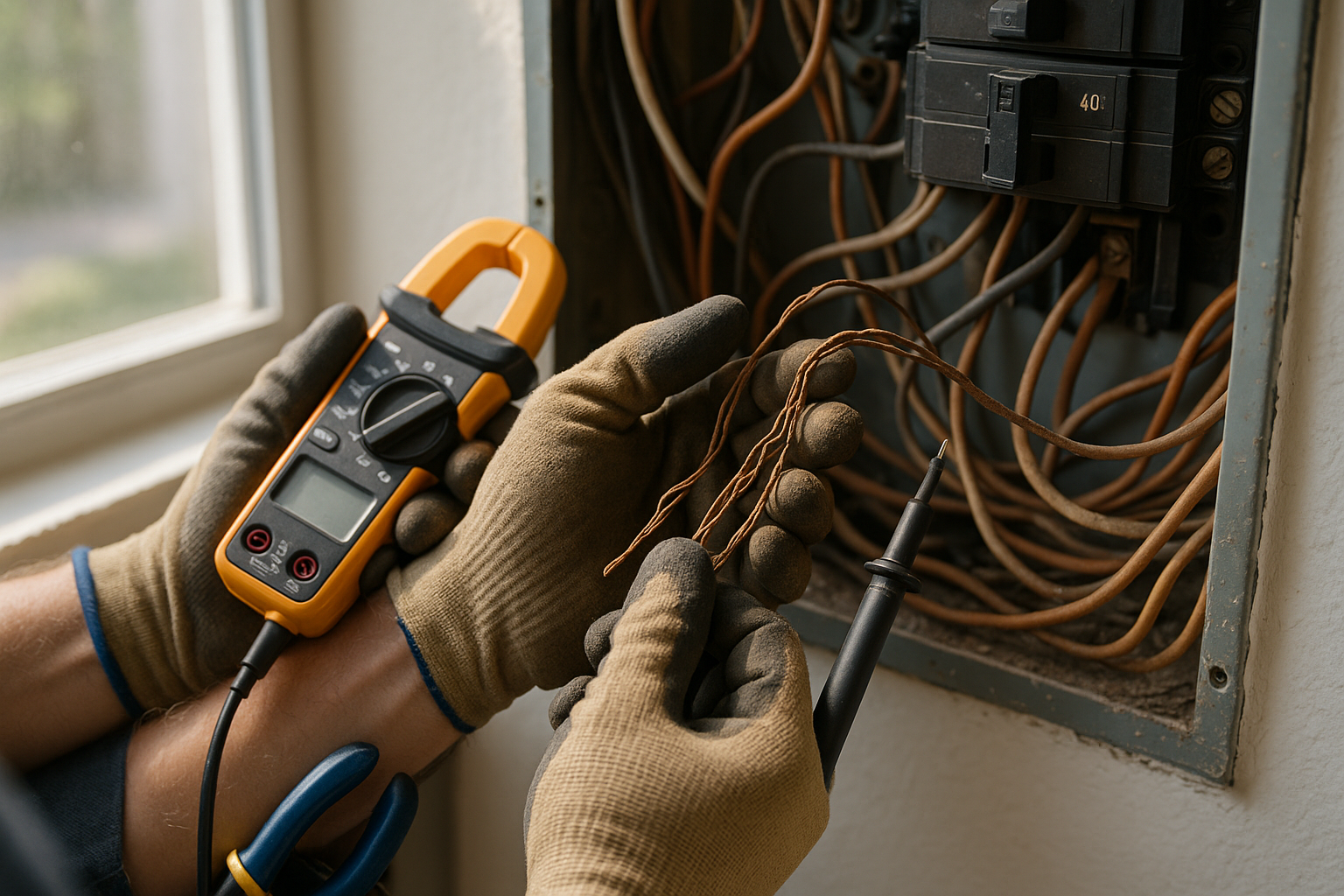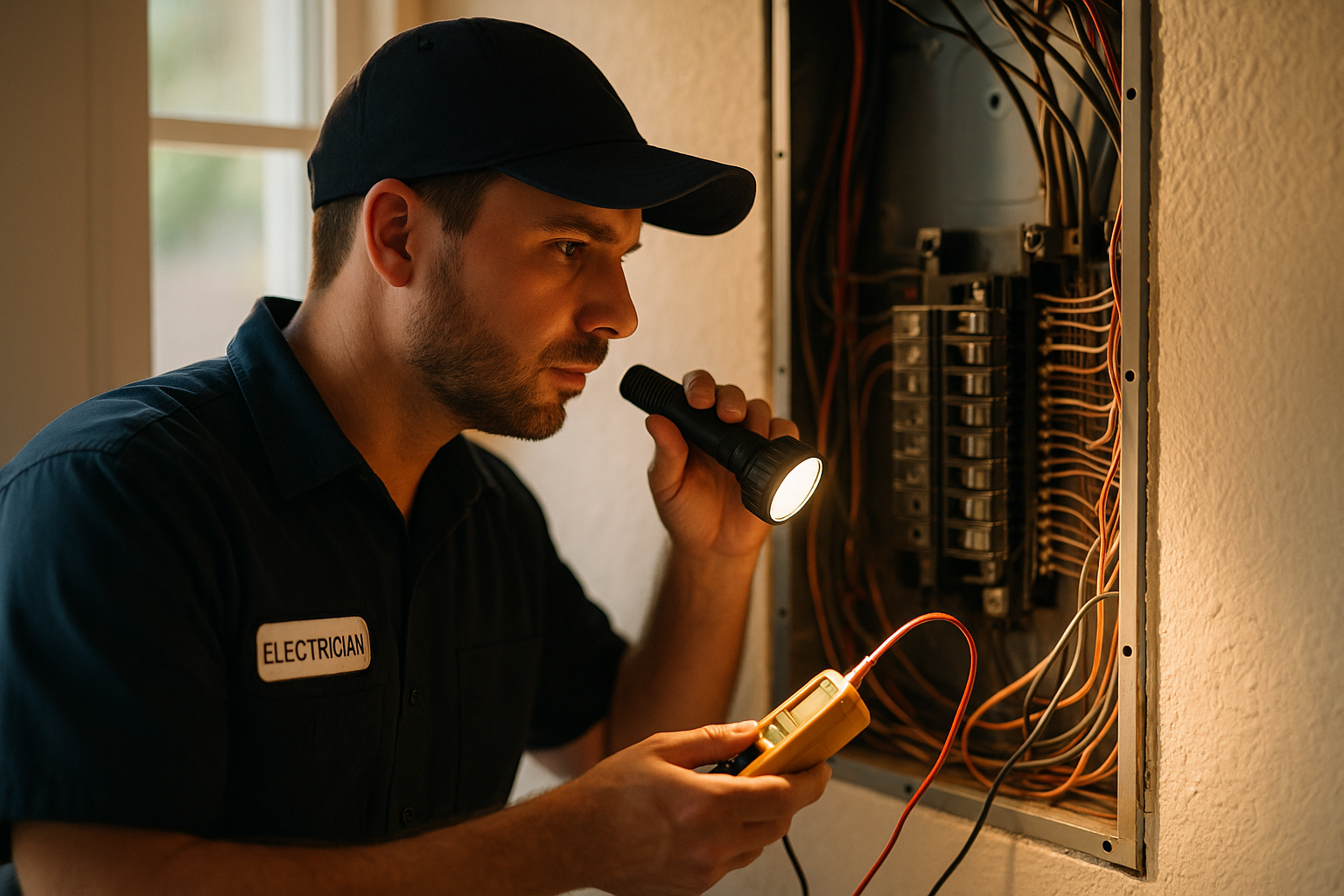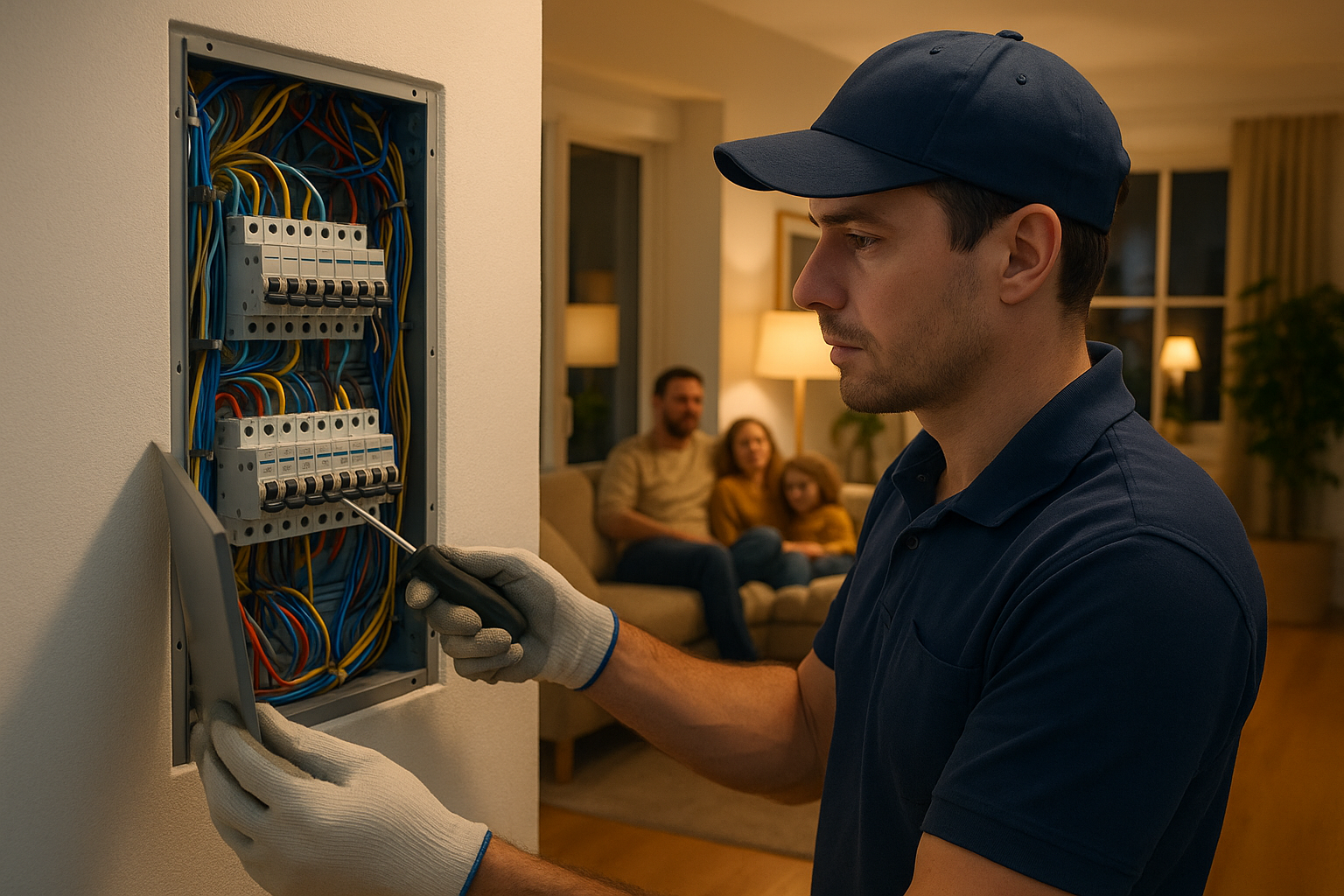


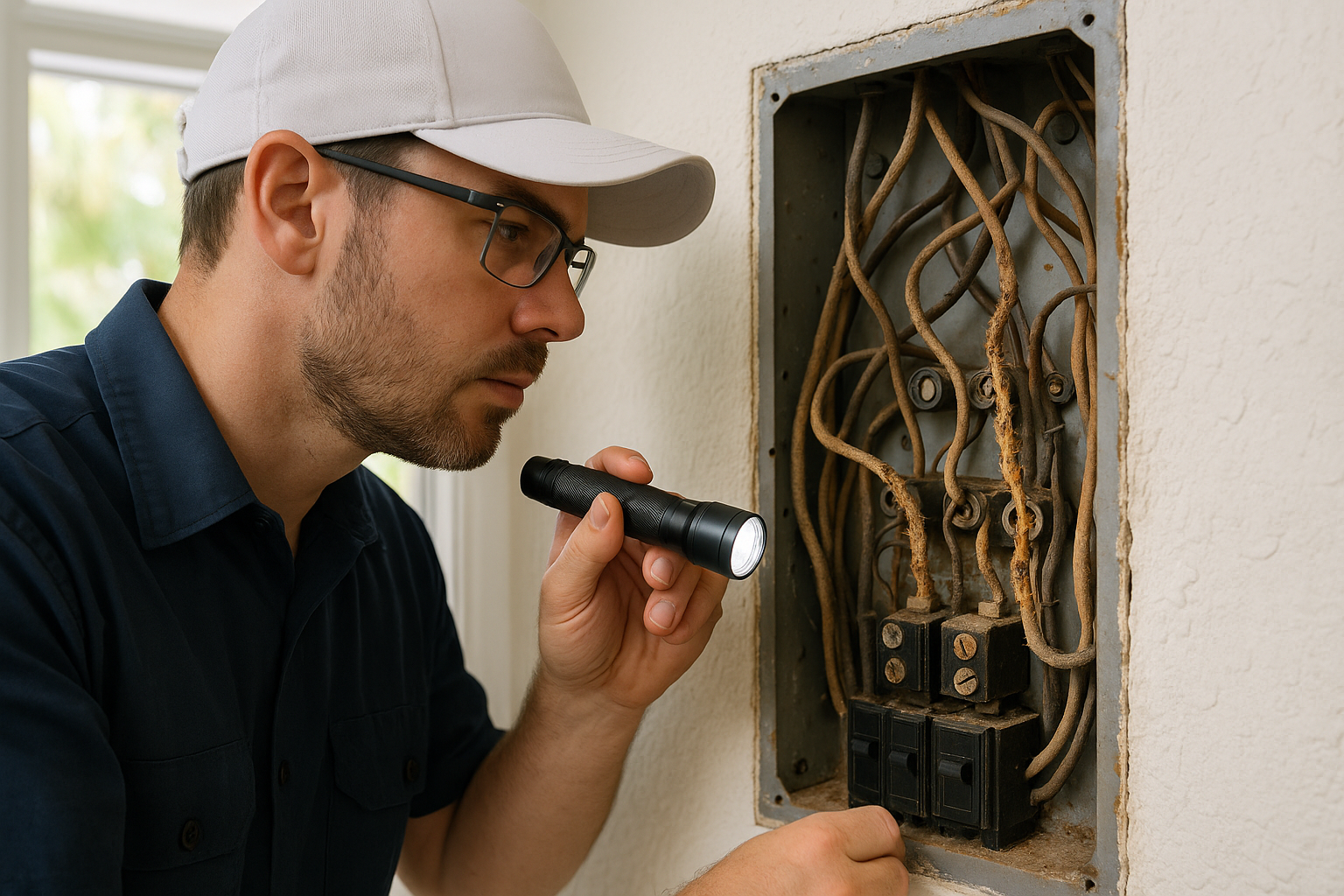
Many homeowners throughout Port Charlotte, Punta Gorda, and Venice wonder: can old wiring cause serious problems in their homes? After more than 20 years serving Southwest Florida families, we’ve seen firsthand how outdated electrical systems create dangerous situations that most property owners never see coming. Understanding the risks associated with aging wiring isn’t just about convenience; it’s about protecting your family, your home, and your investment from potentially catastrophic failures.
Quick Answer: Can old wiring cause problems in homes? Yes, old wiring can cause electrical fires, power failures, damaged appliances, frequent circuit breaker trips, and shock hazards. Homes built before 1980 often contain outdated wiring types like knob-and-tube or aluminum that cannot safely handle modern electrical demands. Professional inspection and upgrading are essential for safety.
What Problems Can Old Wiring Cause in Your Home?
Old wiring can cause a wide range of dangerous and costly problems that extend far beyond simple inconveniences. As a family-owned electrical contractor serving North Port, Englewood, and Sarasota for over two decades, we’ve responded to countless emergency calls that originated from aging electrical systems.
The most serious issue is electrical fires. According to the National Fire Protection Association, electrical failures or malfunctions contribute to an estimated 13% of home structure fires annually. Old wiring with deteriorated insulation creates perfect conditions for these disasters.
Additionally, old wiring can cause power interruptions, appliance damage from inconsistent voltage, and dangerous shock hazards. These problems often develop gradually, making them easy to overlook until a serious incident occurs. Furthermore, outdated systems simply cannot handle the electrical load demanded by modern homes filled with computers, smart devices, HVAC systems, and kitchen appliances.
7 Serious Problems Can Old Wiring Cause
1. Electrical Fire Hazards
The most dangerous problem old wiring can cause is house fires. Deteriorated insulation on old wiring exposes bare conductors that can arc and spark, igniting surrounding materials. Knob-and-tube wiring, common in homes built before 1950, lacks a ground wire and uses cloth or rubber insulation that becomes brittle over time.
Moreover, outdated wiring wasn’t designed for today’s electrical loads. When you plug modern appliances into circuits with insufficient capacity, the wires overheat. This overheating gradually breaks down whatever insulation remains, creating fire risks inside your walls where you cannot see the danger developing.
2. Frequent Circuit Breaker Trips
If your circuit breakers trip constantly, can old wiring cause this frustrating problem? Absolutely. Older electrical systems typically feature 60-amp or 100-amp service panels that cannot support modern household demands. Meanwhile, today’s homes typically require 200-amp service to function properly.
Additionally, old wiring often has inadequate circuit distribution. You might have only one or two circuits serving your entire kitchen, whereas current electrical codes require multiple dedicated circuits for different appliances. Consequently, running your microwave and toaster simultaneously trips the breaker because the old wiring cannot handle the combined load.
3. Flickering or Dimming Lights
Can old wiring cause your lights to flicker when you turn on appliances? Indeed, this common symptom indicates serious underlying issues. Flickering occurs when electrical connections deteriorate over time, creating resistance that disrupts the smooth flow of electricity.
Furthermore, dimming lights often signal that your electrical system is struggling under the load. When large appliances like air conditioners or electric water heaters activate, they draw significant power. If your wiring is inadequate, other circuits experience voltage drops that manifest as dimming lights throughout your Port Charlotte or Venice home.
4. Discolored or Warm Outlets
Outlets that appear scorched, discolored, or feel warm to the touch reveal dangerous conditions. Can old wiring cause this warning sign? Yes, these symptoms indicate that connections are loose or corroded, causing resistance that generates heat. Over time, this heat can ignite nearby combustible materials.
In addition, older two-prong outlets lack proper grounding, which increases shock risk and provides no protection against power surges. Modern three-prong GFCI outlets in kitchens and bathrooms are essential safety features that most older homes lack.
5. Burning Smell or Buzzing Sounds
Unusual electrical odors or sounds should never be ignored. A burning smell often indicates that wire insulation is melting somewhere in your electrical system. Similarly, buzzing or sizzling sounds suggest arcing electricity, loose connections, or overloaded circuits.
Can old wiring cause these alarming symptoms? Absolutely, and they demand immediate professional attention. These warning signs mean your electrical system is actively failing and could start a fire at any moment. Homeowners in North Port and Punta Gorda should contact a licensed electrician immediately when these symptoms appear.
6. Damaged Appliances and Electronics
Old wiring can cause premature failure of expensive appliances and sensitive electronics. Inconsistent voltage delivery stresses devices that require stable power. Computers, televisions, refrigerators, and HVAC systems all suffer shortened lifespans when connected to deteriorating electrical systems.
Moreover, homes with old wiring typically lack whole-house surge protection. Lightning strikes and utility company issues can send destructive power surges through your entire home, destroying everything plugged into outlets. Therefore, upgrading your electrical system protects not just your safety but also your valuable investments in modern technology.
7. Insurance and Resale Complications
Can old wiring cause problems when selling your home or obtaining insurance? Certainly. Many insurance companies refuse to cover homes with knob-and-tube wiring or require expensive specialized policies. Home inspections routinely flag outdated electrical systems as major concerns that can derail real estate transactions.
Additionally, potential buyers often negotiate significant price reductions or request electrical upgrades as conditions of sale. Proactively addressing old wiring protects your property value and ensures you can secure affordable homeowner’s insurance coverage.
How Can You Tell If Old Wiring Is Causing Problems?
Identifying electrical problems requires knowing what to look for. First, consider your home’s age. Properties built before 1980 throughout Sarasota, Englewood, and surrounding areas likely contain outdated wiring that needs evaluation.
Second, examine your electrical panel. If you see a fuse box instead of circuit breakers, your system definitely needs upgrading. Similarly, if your panel shows rust, corrosion, or burn marks, these indicate serious problems. Panel capacity matters too; most modern homes require 200-amp service, but older panels typically provide only 60 to 100 amps.
Third, inspect your outlets. Two-prong outlets signal old, ungrounded wiring. Count how many outlets each room contains. Older homes have far fewer outlets than current codes require, leading homeowners to rely on extension cords and power strips that overload circuits.
Fourth, pay attention to your experiences. Do lights dim when appliances start? Does your television picture shrink momentarily? Do you frequently reset tripped breakers? These everyday annoyances indicate that can old wiring cause inadequate power delivery in your home.
For detailed information about recognizing these warning signs, visit our comprehensive guide on old wiring problems.
What Types of Old Wiring Create the Most Problems?
Several outdated wiring types commonly appear in Southwest Florida homes. Understanding these helps you assess your property’s risk level.
Knob-and-tube wiring, installed primarily from the 1880s through the 1940s, consists of individual wires running through ceramic knobs and tubes. This system lacks grounding and uses deteriorating insulation. Furthermore, it cannot safely support modern electrical loads. Can old wiring cause problems when it’s knob-and-tube? Absolutely, and most electricians recommend complete replacement.
Aluminum wiring, popular during the 1960s and 1970s when copper prices soared, presents unique challenges. Aluminum expands and contracts more than copper, gradually loosening connections. These loose connections create resistance, generate heat, and increase fire risk. Homes with aluminum wiring require special attention and specific connection methods.
Cloth-covered wiring, common through the 1960s, features rubber insulation wrapped in cloth fabric. Over decades, the rubber deteriorates and the cloth becomes brittle, leaving wires exposed. This degraded insulation creates shock and fire hazards throughout the electrical system.
Early Romex wiring from the 1950s and 1960s, while better than previous options, still features insulation that breaks down over time. Additionally, these installations often lack adequate circuit capacity for today’s needs.
How Much Does Old Wiring Replacement Cost?
Understanding costs helps homeowners plan necessary upgrades. Can old wiring cause enough problems to justify the investment in replacement? When you consider safety risks and potential fire damage, the answer is clearly yes.
Complete home rewiring costs vary based on property size, accessibility, and existing conditions. In Port Charlotte, North Port, and Punta Gorda, typical single-story homes ranging from 1,500 to 2,000 square feet generally cost between $4,000 and $8,000 for full rewiring. Two-story homes or properties exceeding 2,500 square feet may range from $8,000 to $15,000 or more.
However, partial upgrades offer more affordable options for homeowners on budgets. Electrical panel upgrades from 100-amp to 200-amp service typically cost $2,500 to $4,500. Replacing wiring in specific problem areas, like kitchens or master bedrooms, costs considerably less than whole-house rewiring.
Several factors influence final costs. Properties with finished basements or easily accessible crawl spaces cost less because electricians can run new wiring without extensive drywall repair. Conversely, homes requiring significant wall opening and patching increase labor costs. Additionally, permit fees, inspection requirements, and necessary service upgrades affect total investment.
Many homeowners ask whether insurance covers rewiring. Generally, insurance doesn’t pay for upgrades to prevent future problems. Nevertheless, some policies offer credits or discounts for updated electrical systems, and the investment protects against catastrophic losses that far exceed rewiring costs.
Frequently Asked Questions About Old Wiring Problems
Can old wiring cause high electric bills?
Yes, deteriorating wiring creates resistance that wastes electricity as heat. Loose connections, corroded wires, and inadequate circuits all reduce efficiency, forcing your electrical system to work harder and consume more power to deliver the same results.
How often should old wiring be inspected?
Homes with wiring over 40 years old should receive professional electrical inspections every three to five years. If you notice any warning signs like flickering lights, burning odors, or frequent breaker trips, schedule an inspection immediately regardless of when your last evaluation occurred.
Can I sell a house with old wiring?
Yes, but can old wiring cause complications during the sale process? Absolutely. Home inspectors will identify outdated electrical systems, and buyers may request repairs, price reductions, or walk away entirely. Addressing wiring issues before listing improves marketability and often yields better sale prices.
Does homeowners insurance cover old wiring problems?
Most standard homeowners insurance policies do not cover damage from old wiring if the deterioration resulted from normal aging and lack of maintenance. However, if old wiring causes a sudden fire, your policy typically covers the resulting damage minus your deductible.
Can old wiring be partially replaced?
Yes, electricians can replace wiring in specific areas while leaving other sections intact. This phased approach allows homeowners to address the most dangerous problems first, then complete additional upgrades as budget permits. However, eventually updating the entire system provides the best long-term safety and functionality.
What are the first signs that old wiring needs replacement?
The earliest warning signs include frequent circuit breaker trips, flickering or dimming lights, discolored outlets, a burning smell, buzzing sounds from outlets or switches, and appliances that don’t run at full power. Any of these symptoms warrants professional evaluation.
How long does rewiring a house take?
Complete home rewiring typically requires three to seven days depending on property size, complexity, and accessibility. Electricians work systematically through each room, installing new circuits, outlets, and switches. Most families can remain in their homes during the process, though power will be interrupted periodically.
Trust Caliber Electric for Your Old Wiring Problems
Can old wiring cause enough damage to justify immediate action? After reading this comprehensive guide, you understand the serious risks that outdated electrical systems pose to Southwest Florida homes. From fire hazards to damaged appliances, the problems extend far beyond simple inconveniences.
Caliber Electric has served families throughout Port Charlotte, North Port, Punta Gorda, Venice, Englewood, and Sarasota for more than 20 years. As a family-owned business, we treat every home like our own, providing honest assessments and quality workmanship that protects what matters most. Our fully licensed electricians specialize in residential and commercial electrical services, including panel upgrades, complete rewiring, EV charger installation, whole-house generators, and surge protection systems.
Don’t wait until old wiring causes a dangerous emergency in your home. Contact Caliber Electric today for a comprehensive electrical safety inspection. We’ll evaluate your system, explain exactly what problems exist, and provide clear options that fit your budget and timeline. Your family’s safety is too important to risk on deteriorating electrical systems. Call us now and experience the peace of mind that comes from knowing your home’s electrical system meets modern safety standards.