

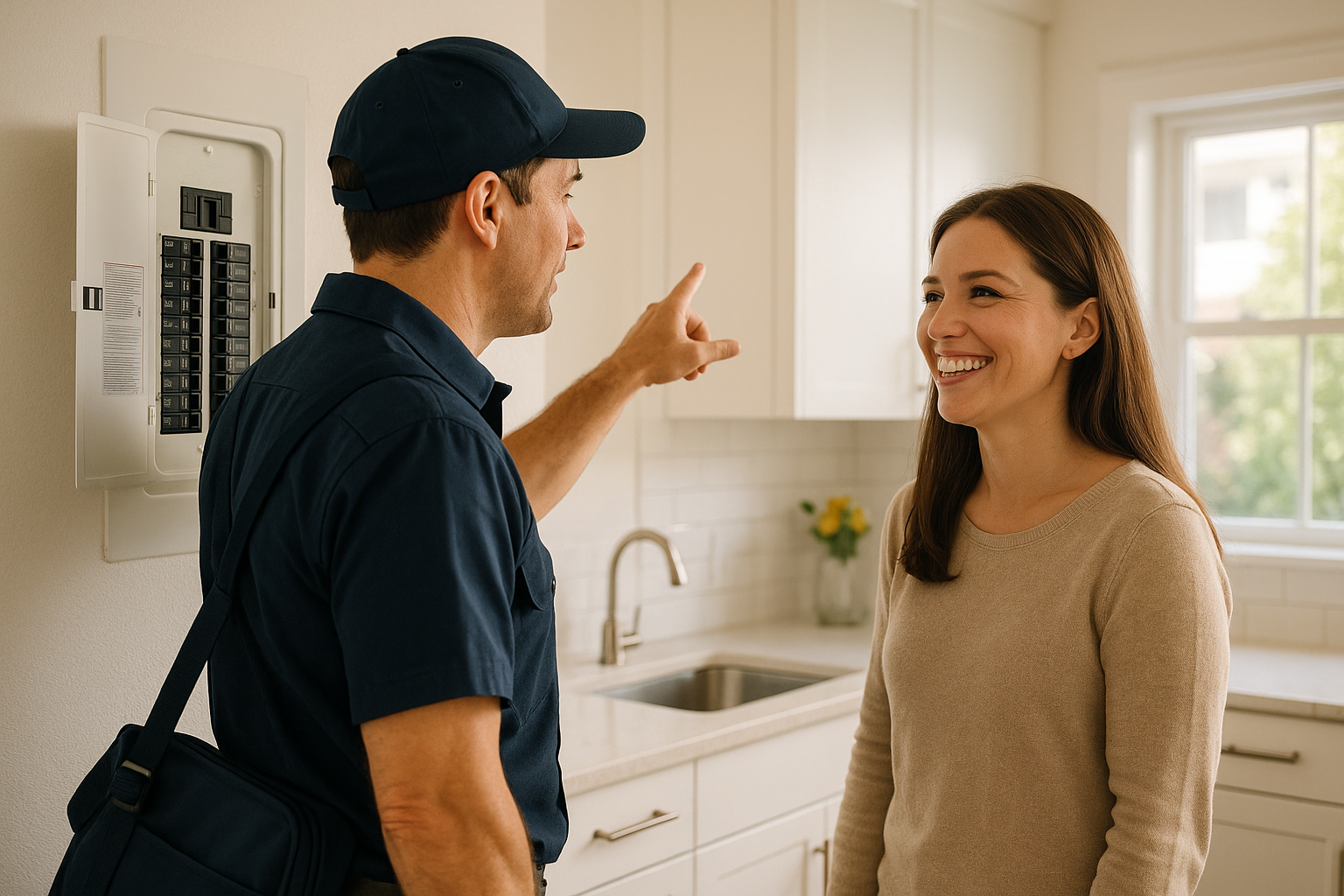
Finding reliable local electricians in Southwest Florida can feel overwhelming, especially when you’re dealing with an electrical emergency or planning a major upgrade. With so many contractors advertising their services, how do you separate the truly qualified professionals from those who cut corners? This guide walks you through everything you need to know to make an informed decision, protect your home, and ensure quality workmanship that lasts.
Quick Answer: Local electricians are licensed electrical contractors who serve residential and commercial customers within a specific geographic area. The best local electricians carry proper licensing, insurance, and bonding, maintain deep community ties, offer transparent pricing, and have verifiable track records through reviews and references. Hiring local ensures faster response times, familiarity with regional codes, and accountable service.
What Makes Local Electricians Different from National Chains?
Local electricians operate within a defined service area, building their reputations one project at a time within the communities they serve. Unlike national franchises or distant contractors, local electricians live and work in the same neighborhoods as their customers.
This geographic focus creates several advantages. First, local electricians typically respond faster to service calls because they’re already nearby. When your power goes out in Port Charlotte or you need an urgent panel upgrade in Venice, a local contractor can often arrive within hours rather than days.
Second, local electricians develop specialized knowledge of regional building codes and permitting requirements. Electrical codes vary by jurisdiction, and experienced local contractors understand exactly what inspectors in Sarasota County or Charlotte County expect to see. This expertise prevents costly delays and failed inspections.
Third, reputation matters more to local businesses. A family-owned electrical company depends on word-of-mouth referrals and positive reviews within their community. They can’t simply move to another market if they provide poor service. This accountability drives higher quality work and better customer care.
Finally, local electricians invest in their communities. They sponsor youth sports teams, support local charities, and employ neighbors. When you hire local, you’re keeping dollars circulating within Southwest Florida’s economy rather than sending profits to distant corporate headquarters.
7 Essential Credentials Every Local Electrician Must Have
Before hiring any electrical contractor, verify these critical credentials to protect yourself from liability and ensure quality work.
1. Active State Electrical License
Florida requires electricians to hold either a state-certified license or a local license issued by individual jurisdictions. State-certified licenses allow contractors to work anywhere in Florida, while local licenses restrict work to specific counties or municipalities.
Always ask for the license number and verify it through the Florida Department of Business and Professional Regulation website. The license should be active, not expired or suspended. Licensed electricians have passed rigorous examinations demonstrating their knowledge of the National Electrical Code, Florida-specific amendments, and safe installation practices.
2. Comprehensive Liability Insurance
Professional electricians carry general liability insurance protecting homeowners if accidents occur during work. This coverage pays for property damage, such as a fire caused by faulty installation, or injuries to workers on your property.
Request a certificate of insurance before any work begins. The policy should provide at least one million dollars in coverage and list your property address as the job site. Never hire uninsured electricians, as you could be held financially responsible for accidents.
3. Workers’ Compensation Coverage
If the electrical company employs workers, they must carry workers’ compensation insurance in Florida. This coverage protects you if an electrician is injured while working on your property. Without it, an injured worker could potentially sue you as the property owner.
Sole proprietors working alone may be exempt from workers’ comp requirements, but established companies should always carry this coverage. Ask to see proof of current workers’ compensation insurance.
4. Proper Bonding
Bonded electricians have purchased surety bonds guaranteeing their work. If an electrician fails to complete a job, violates contract terms, or performs substandard work, the bond provides financial recourse for the customer.
While bonding doesn’t guarantee quality, it demonstrates a contractor’s commitment to professional standards and provides an additional layer of consumer protection.
5. Local Business Registration
Legitimate local electricians register their businesses with city and county authorities. This registration creates public records establishing the business’s legal existence and ownership.
In cities like Punta Gorda, North Port, and Englewood, you can often verify business registration through municipal websites or county clerk offices. This simple check confirms you’re dealing with an established business rather than a fly-by-night operator.
6. Manufacturer Certifications
Many electricians pursue specialized certifications from manufacturers of electrical equipment. For example, Tesla-certified installers receive specialized training for Powerwall battery systems, while various manufacturers certify electricians for specific EV charger installations.
These certifications indicate ongoing professional development and expertise with specific products. If you’re installing specialized equipment like a whole-home generator or solar integration, ask whether the electrician holds relevant manufacturer certifications.
7. Better Business Bureau Accreditation
While not required, Better Business Bureau accreditation demonstrates a contractor’s commitment to ethical business practices and customer service. The BBB tracks complaint histories, resolution records, and business practices.
Check BBB profiles to see ratings, reviews, and how contractors respond to customer complaints. A+ ratings and responsiveness to issues indicate professionalism.
What Are the Warning Signs of Unqualified Electricians?
Recognizing red flags helps you avoid contractors who may compromise safety, violate codes, or provide substandard work.
Requests for Cash-Only Payments
Professional electricians accept multiple payment methods including checks, credit cards, and electronic transfers. Contractors who insist on cash-only payments may be avoiding tax obligations, hiding income, or planning to disappear without completing work.
Cash transactions also eliminate your paper trail, making it nearly impossible to dispute charges or prove payment if problems arise. Always insist on documented payment methods and detailed receipts.
No Physical Business Address
Legitimate local electricians maintain physical business locations, even if it’s a home-based office. Be wary of contractors who only provide cell phone numbers, post office boxes, or email addresses.
A physical address demonstrates stability and provides recourse if you need to contact the business after project completion. It also allows you to verify business registration and licensing.
Pressure to Skip Permits
Some contractors suggest skipping permit requirements to save money or speed up projects. This is a major red flag. Electrical work performed without proper permits creates multiple problems.
First, unpermitted work violates building codes and may be illegal. Second, it eliminates inspections that ensure safety standards. Third, unpermitted electrical modifications can void homeowner’s insurance, create title problems when selling your home, and expose you to liability if accidents occur.
Professional electricians always obtain required permits and schedule inspections. They understand that permits protect both the homeowner and the contractor.
Unusually Low Bids
If one bid comes in dramatically lower than others, investigate why. Legitimate electricians operate on similar cost structures for materials, labor, insurance, and licensing. Drastically low bids often indicate corners being cut somewhere.
The contractor might be unlicensed, uninsured, planning to use substandard materials, or intending to add surprise charges later. Remember that electrical work directly impacts safety. The cheapest option is rarely the best value when it comes to your home’s electrical system.
Vague or Missing Written Estimates
Professional electricians provide detailed written estimates specifying the scope of work, materials to be used, labor costs, timeline, and payment terms. Vague verbal estimates or handwritten notes on scraps of paper indicate unprofessional practices.
Written estimates create clear expectations and provide documentation if disputes arise. They should break down costs rather than offering a single lump sum, allowing you to understand exactly what you’re paying for.
No Verifiable References
Established local electricians readily provide references from recent customers in your area. If a contractor can’t or won’t provide references, or if the references sound rehearsed or fake, look elsewhere.
Contact references directly and ask specific questions about the contractor’s professionalism, quality of work, adherence to schedules, and how they handled any problems that arose.
Poor Online Presence or No Reviews
In 2026, legitimate businesses maintain online presences through websites, social media, and review platforms. A complete absence of online information, combined with no reviews on Google, Yelp, or Facebook, suggests a contractor lacks an established track record.
Similarly, numerous negative reviews describing similar problems indicate patterns of poor service. Pay attention to how contractors respond to negative reviews. Professional businesses address complaints constructively and work toward resolution.
How Can You Verify Local Electricians’ Experience and Reputation?
Beyond checking credentials, thorough vetting helps ensure you’re hiring skilled, reliable professionals with proven track records.
Check Online Review Platforms
Start by searching the electrician’s name and business on Google, Yelp, Facebook, and Angie’s List. Read recent reviews paying attention to recurring themes. Are customers consistently praising punctuality, cleanliness, and communication? Or do multiple reviews mention missed appointments, surprise charges, or incomplete work?
Look for reviews mentioning specific projects similar to yours. If you need a panel upgrade in Sarasota, reviews describing panel upgrade experiences provide relevant insights. Also notice how recently reviews were posted. A business with dozens of five-star reviews from three years ago but nothing recent may have changed ownership or quality standards.
Request and Contact References
Ask for at least three references from projects completed within the past year. When contacting references, ask detailed questions beyond simple satisfaction ratings.
Questions should include: Did the electrician arrive on time? Did they complete work within the estimated timeline? Was the job site left clean? Did the final cost match the estimate? How did they handle unexpected complications? Would you hire them again?
Local references from nearby cities like Port Charlotte, North Port, or Venice are particularly valuable because you can sometimes arrange to see completed work firsthand.
Verify Licensing History
Beyond confirming active licenses, research the license history through Florida’s DBPR website. Check how long the electrician has held their license and whether any disciplinary actions, complaints, or violations appear on record.
Long-standing licenses with clean histories indicate experienced professionals who maintain high standards. Recent licenses or those with complaint histories warrant additional scrutiny.
Search Court Records
Public court records reveal whether contractors have been sued by customers, filed bankruptcy, or faced liens for unpaid bills. While an occasional lawsuit doesn’t necessarily disqualify a contractor, patterns of legal problems indicate potential issues.
Many Florida counties provide online access to civil court records. A quick search can reveal information not visible through other channels.
Visit Completed Job Sites
If possible, arrange to see examples of the electrician’s completed work. Some contractors maintain portfolios with before-and-after photos, while others can connect you with past customers willing to show their installations.
Visiting job sites allows you to assess workmanship quality, attention to detail, and whether installations look professional and code-compliant. For specialized work like EV charger installations or whole-home generators, seeing completed projects helps you understand what to expect.
Evaluate Communication and Professionalism
Pay attention to how potential electricians communicate throughout the vetting process. Do they return calls promptly? Do they answer questions thoroughly and patiently? Do they show up on time for estimates?
Communication style and professionalism during the sales process often predict the experience you’ll have during the project. Contractors who are difficult to reach, provide vague answers, or seem rushed during estimates typically don’t improve once they’ve secured the job.
If you’re noticing concerning issues with your home’s current electrical system, learning about common warning signs that old wiring causes problems can help you understand when professional intervention becomes necessary.
What Questions Should You Ask Before Hiring Local Electricians?
The right questions reveal crucial information about contractors’ expertise, practices, and fit for your project.
About Their Business and Experience
Start by asking how long they’ve been in business and how many electricians they employ. Inquire about their service area to confirm they regularly work in your specific city. Ask about their specialties and whether they focus more on residential, commercial, or a mix of both.
For specialized projects, ask about relevant experience. If you need an EV charger installed, how many have they installed? What brands do they work with? Can they handle the panel upgrade that might be required?
About Licensing and Insurance
Request license numbers for verification and ask whether they hold state-certified or local licenses. Inquire about their insurance coverage amounts and request certificates of insurance.
Ask whether they pull permits for all required work and how they handle inspections. Professional electricians should enthusiastically confirm they always work with proper permits and inspections.
About the Specific Project
Describe your project in detail and ask how they would approach it. Knowledgeable electricians should ask clarifying questions, potentially identify related issues you haven’t considered, and explain the work process clearly.
Ask about the timeline from scheduling through completion. Inquire about how they handle unexpected complications discovered during work. Ask whether the electrician who provides the estimate will perform the work or if they’ll send different technicians.
About Pricing and Payment
Request detailed written estimates rather than verbal ballpark figures. Ask whether they charge flat rates, hourly rates, or use other pricing structures. Inquire about payment terms and what forms of payment they accept.
Ask what’s included in the estimate and what might incur additional charges. For example, does the estimate include hauling away old equipment, or is that extra? Are permits included in the price?
About Warranties and Guarantees
Ask what warranties they provide on both labor and materials. Inquire about their callback policy if problems arise after project completion. Ask how they handle warranty service and what response time to expect for warranty issues.
Professional electricians stand behind their work with clear warranty terms, typically offering at least a one-year labor warranty alongside manufacturer warranties on equipment.
About Their Service Standards
Ask about their job site practices. Do they wear shoe covers? How do they protect your home during work? How do they handle cleanup?
Inquire about their scheduling practices. If they need multiple days to complete work, will they return on consecutive days or spread work across weeks? How much advance notice do they provide before arriving?
These questions reveal professionalism and help set clear expectations before work begins.
How Much Does It Cost to Hire Local Electricians?
Understanding typical pricing helps you budget appropriately and recognize unreasonable estimates.
Service Call and Diagnostic Fees
Most local electricians charge service call fees ranging from $79 to $150 to come to your home and diagnose issues. This fee typically covers the travel time and initial assessment. Some contractors waive this fee if you proceed with recommended repairs.
Diagnostic work for complex issues might incur hourly charges of $100 to $150 per hour beyond the basic service call fee.
Common Residential Electrical Services
Standard electrical repairs typically range from $150 to $500 depending on complexity. Simple tasks like replacing outlets or switches cost $75 to $150 per device including labor and materials. Installing new circuits runs $200 to $400 per circuit.
Ceiling fan installations typically cost $150 to $350 depending on mounting complexity and whether new wiring is required. Light fixture installations range from $100 to $300 based on fixture type and installation location.
Major Electrical Projects
Panel upgrades represent significant investments, typically ranging from $1,500 to $4,000 depending on the amperage increase and panel location. Upgrading from 100-amp to 200-amp service usually costs $2,000 to $3,500 in Southwest Florida.
Whole-home surge protection installation costs $300 to $700 for quality systems protecting your entire electrical panel. Individual point-of-use surge protectors cost much less but provide limited protection.
EV charger installations vary significantly based on charger type, location, and whether panel upgrades are needed. Simple Level 2 charger installations start around $500 to $800 for labor if your panel has adequate capacity and the installation location is near the panel. However, if you need a panel upgrade or long wire runs, costs can reach $2,000 to $3,500.
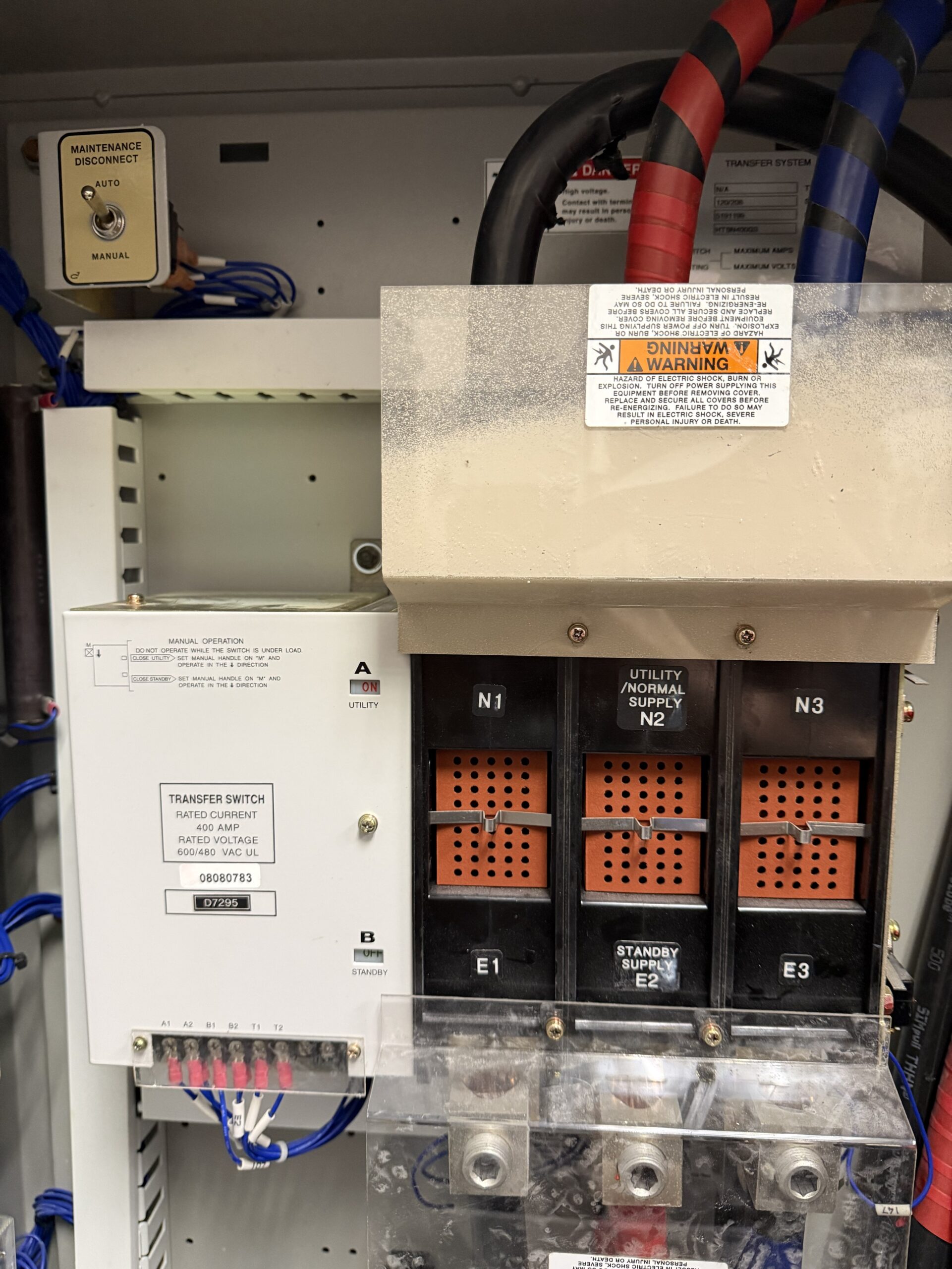
Whole-home generator installations including transfer switches typically range from $5,000 to $15,000 depending on generator size, fuel type, and installation complexity. In hurricane-prone areas like Port Charlotte, Punta Gorda, and Englewood, generators provide invaluable peace of mind during extended outages.
Factors Affecting Pricing
Several variables influence electrical project costs. Geographic location impacts pricing, with contractors in higher-cost areas like Sarasota sometimes charging more than those in North Port or Englewood.
Project complexity significantly affects costs. Simple, straightforward work costs less than jobs requiring extensive troubleshooting, accessing difficult locations, or coordinating with other trades.
Material quality matters. Budget-grade electrical panels and fixtures cost less than premium options, but professional electricians typically recommend mid-grade or better products balancing cost and reliability.
Timing can influence pricing. Emergency service outside normal business hours typically incurs premium charges of 1.5 to 2 times standard rates. However, scheduling work during normal business hours usually results in standard pricing.
Finally, permit and inspection fees add to total project costs. These fees are set by local jurisdictions and vary by city. Permits for major electrical work in Charlotte and Sarasota counties typically range from $50 to $300 depending on project scope.
Getting Value from Your Investment
The cheapest electrician rarely provides the best value. Quality electrical work protects your home, prevents fires, ensures code compliance, and functions reliably for decades.
When comparing estimates, look beyond the bottom-line number. Consider what’s included, the contractor’s qualifications and experience, warranty terms, and your comfort level with their professionalism. A slightly higher estimate from a thoroughly vetted, well-established local electrician often provides far better value than the lowest bid from an unknown contractor.
Why Should You Choose Family-Owned Local Electricians?
Family-owned electrical companies offer distinct advantages over corporate franchises and independent contractors without established businesses.
Accountability and Reputation
Family businesses stake their reputations and livelihoods on every job. When your family name is literally on the business, mediocre work isn’t acceptable. This accountability drives higher quality standards and better customer service.
In Southwest Florida’s tight-knit communities, word travels fast. Family-owned electricians know that every satisfied customer potentially refers neighbors, friends, and family members, while unhappy customers can significantly damage their reputation. This dynamic creates powerful incentives to exceed expectations.
Continuity and Long-Term Relationships
Family-owned businesses often serve communities for decades, even across generations. This continuity creates opportunities for long-term relationships where your electrician becomes familiar with your home’s electrical system through multiple service calls over the years.
Long-term relationships benefit homeowners because your electrician maintains records of past work, understands your home’s quirks, and can more quickly diagnose issues. They also create accountability, as family-owned businesses will be around years later if warranty issues arise.
Experienced Leadership
Family-owned electrical companies are typically led by master electricians with decades of field experience, not business managers with MBA degrees but no technical expertise. This hands-on knowledge ensures that estimates are accurate, crews are properly trained, and complex problems are solved effectively.
Many family-owned companies involve multiple family members with complementary skills. For example, one family member might handle field work while another manages scheduling, permitting, and customer service. This division of labor allows businesses to scale while maintaining quality control.
Local Economic Impact
Money spent with family-owned businesses circulates within local economies more than revenue paid to national chains. Family-owned electricians employ local workers, use local suppliers when possible, and spend their earnings within the community.
Additionally, family-owned businesses typically invest more in community causes, from sponsoring youth sports teams to supporting local charities. When you hire a family-owned electrician, you’re supporting not just a business but an active community member.
Flexibility and Personalized Service
Family-owned businesses often provide more flexible, personalized service than large corporate operations. Decision-makers are accessible, special requests receive genuine consideration, and creative solutions are possible.
If you have unique needs or complicated situations, family-owned electricians can often adapt more easily than contractors bound by rigid corporate policies. This flexibility proves particularly valuable during renovations or when integrating electrical work with other home improvement projects.
Knowledge Transfer Across Generations
Many family-owned electrical businesses train the next generation, creating continuity of expertise. Younger family members learn not just technical skills but the customer service philosophy and community relationships that built the business.
This knowledge transfer ensures that quality standards and customer relationships continue even as ownership transitions across generations. For customers, it provides confidence that the business will remain stable and reliable for years to come.
Frequently Asked Questions About Hiring Local Electricians
What qualifications should local electricians have?
Licensed local electricians should hold active Florida electrical licenses, comprehensive liability insurance of at least one million dollars, workers’ compensation coverage if they employ others, and proper bonding. Additionally, look for established businesses with verifiable references, positive reviews, and clean licensing histories without disciplinary actions.
How quickly can local electricians respond to emergencies?
Most established local electricians offer same-day or next-day service for emergencies in their service areas. Response times vary based on distance, schedule, and emergency severity, but contractors serving communities like Port Charlotte, Venice, and North Port typically arrive within 2-4 hours for true emergencies. Many provide 24/7 emergency services, though premium charges apply for after-hours calls.
Should I get multiple estimates before hiring an electrician?
Yes, obtaining 2-3 estimates for significant electrical projects helps you understand fair market pricing and compare approaches. However, don’t automatically choose the lowest bid. Instead, compare what’s included, contractor qualifications, warranty terms, and your overall comfort level. For small repairs, obtaining multiple estimates may not be practical or necessary.
How do I know if my home needs a panel upgrade?
Signs you might need a panel upgrade include frequent breaker trips, flickering lights when appliances run, a panel with fuses instead of breakers, insufficient capacity for new appliances like EV chargers, or a home with only 60 or 100-amp service. Homes built before 1990 often benefit from panel upgrades to meet modern electrical demands.
Can local electricians work on both homes and businesses?
Many local electricians are licensed for both residential and commercial work. However, some specialize in one area or the other. When hiring for business electrical needs, confirm the electrician has commercial experience and appropriate licensing. The skills and code requirements differ somewhat between residential and commercial electrical work.
What’s the difference between licensed and unlicensed electricians?
Licensed electricians have passed state examinations demonstrating their knowledge of electrical codes, safety practices, and proper installation techniques. They carry insurance, can pull permits, and face accountability through licensing boards. Unlicensed electricians lack these credentials and protections. Hiring unlicensed electricians puts you at risk for code violations, safety hazards, insurance problems, and liability for accidents.
How long does typical electrical work take to complete?
Simple repairs like outlet replacement take 1-2 hours. Installing new circuits or ceiling fans requires 2-4 hours. Panel upgrades typically take 4-8 hours or one full day. Major projects like whole-home rewiring, generator installations, or EV charger setups with panel upgrades may require multiple days. Your electrician should provide timeline estimates during the initial consultation.
Trust Caliber Electric for All Your Electrical Needs in Southwest Florida
For over 20 years, Caliber Electric has served homeowners and businesses throughout Port Charlotte, North Port, Punta Gorda, Venice, Englewood, and Sarasota with honest, professional electrical services. As a family-owned company, we’ve built our reputation one satisfied customer at a time, and we understand that trust is earned through quality workmanship, transparent pricing, and respectful service.
Our team of fully licensed, insured, and bonded electricians handles everything from emergency repairs and panel upgrades to EV charger installations, whole-home generators, surge protection systems, and new construction wiring. We pull proper permits, schedule inspections, and guarantee our work because your safety and satisfaction are our top priorities. When you need reliable local electricians who treat your home like their own, call Caliber Electric at (941) 629-4545 or visit our website to schedule your service. We’re here to keep Southwest Florida powered safely and reliably.