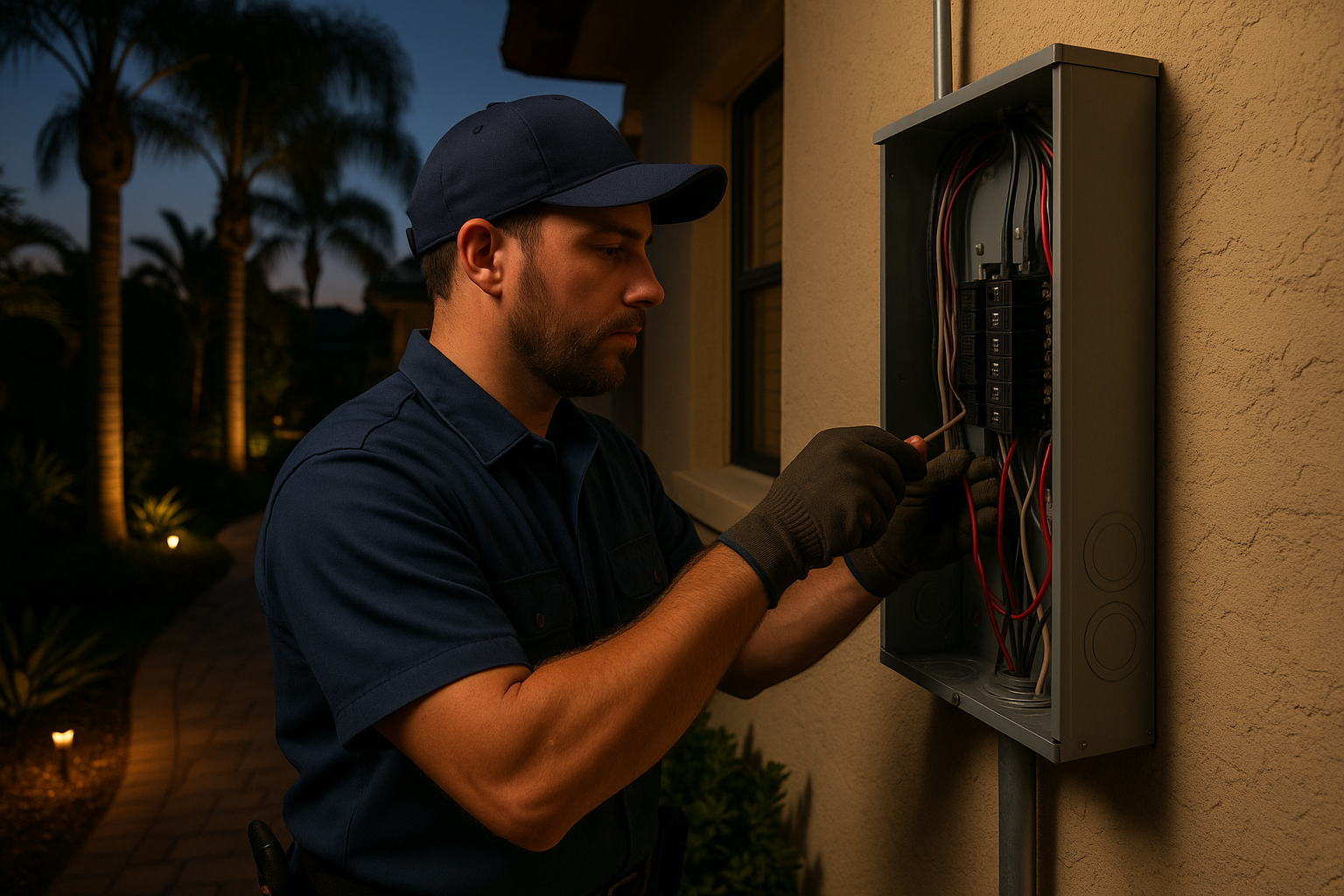


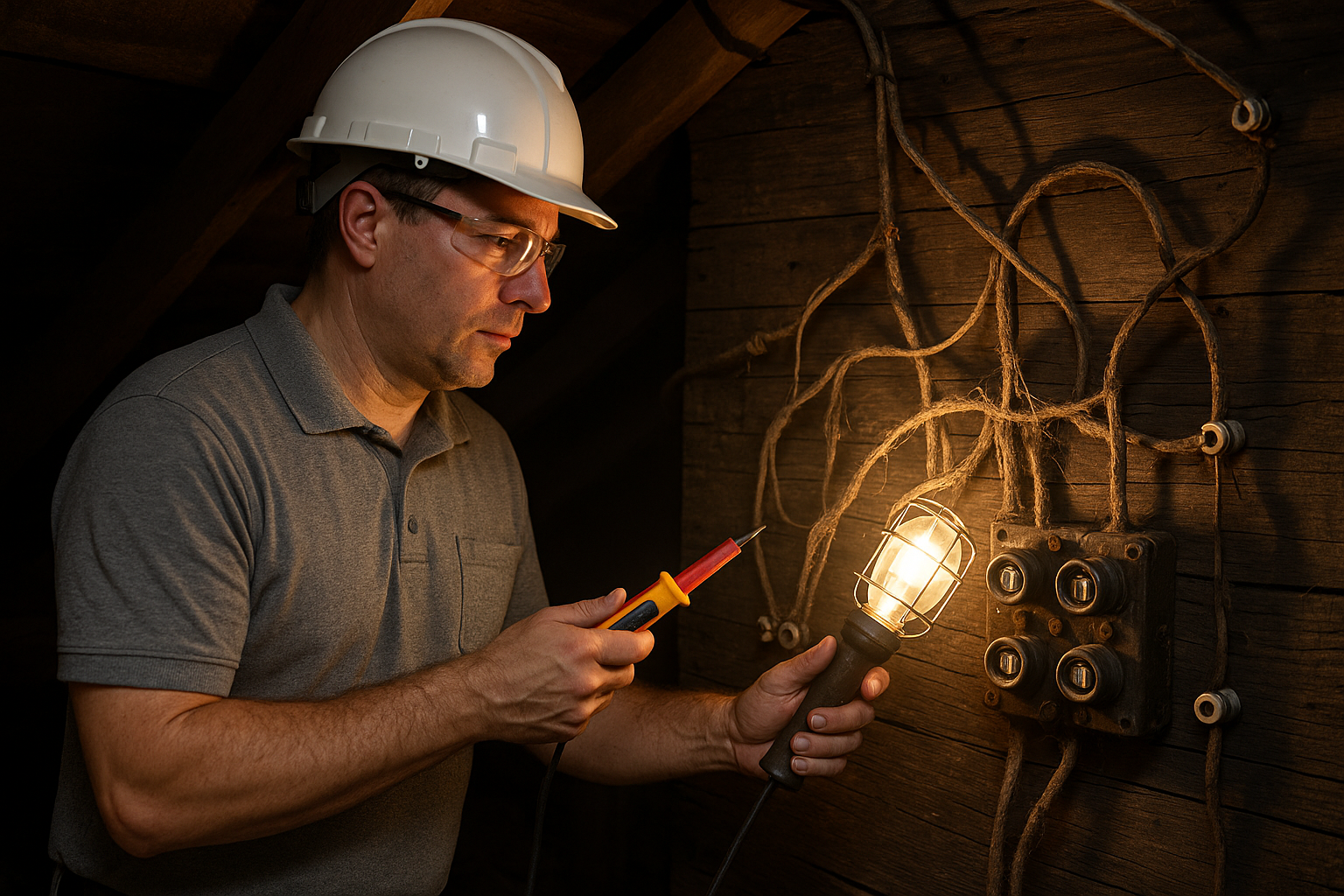
Many homeowners throughout Southwest Florida wonder, “can old wiring cause serious problems in my home?” The short answer is yes. In fact, homes built before 1980 often contain outdated electrical systems that pose significant safety risks, from electrical fires to equipment damage. Understanding the dangers of aging wiring and recognizing warning signs early can protect your family and your property investment.
Quick Answer: Can old wiring cause problems? Absolutely. Old wiring causes electrical fires, frequent circuit breaker trips, flickering lights, damaged electronics, and significantly higher energy bills. Homes with wiring older than 40 years face increased fire risk due to deteriorated insulation, outdated materials like aluminum wiring, and systems unable to handle modern electrical loads. Professional inspection and rewiring eliminate these hazards.
What Makes Old Electrical Wiring Dangerous?
Old wiring represents one of the most serious yet overlooked hazards in residential properties. Moreover, the electrical systems installed decades ago were designed for dramatically lower power consumption than today’s households demand.
Homes built in the 1950s through 1970s typically used 60-amp or 100-amp service panels. In contrast, modern homes require 200-amp service to safely power computers, smart home devices, large appliances, air conditioning systems, and charging stations. When outdated wiring carries more current than designed for, the insulation heats up, deteriorates faster, and eventually fails.
Furthermore, the materials themselves have changed significantly. Cloth-covered wiring, common before the 1960s, becomes brittle and flakes away over time. Aluminum wiring, popular briefly in the 1960s and 1970s due to copper shortages, expands and contracts with temperature changes, creating loose connections that spark and overheat. According to the Consumer Product Safety Commission, homes with aluminum wiring are 55 times more likely to reach fire hazard conditions than homes with copper wiring.
Additionally, old wiring often lacks proper grounding, a critical safety feature that directs dangerous electrical surges safely into the earth. Without grounding, power surges from lightning strikes or utility issues flow directly into your appliances and electronics, destroying expensive equipment and potentially starting fires.
Can Old Wiring Cause These 8 Critical Problems?
Understanding the specific ways can old wiring cause damage helps homeowners recognize issues before they become emergencies. Here are the most common and dangerous problems.
1. Electrical Fires and Burn Marks
Deteriorated wiring insulation exposes live conductors that arc and spark inside walls. These arcs generate extreme heat, igniting surrounding wood framing and insulation. In fact, the National Fire Protection Association reports that electrical distribution and lighting equipment causes an estimated 34,000 home fires annually.
Homeowners in Port Charlotte and Punta Gorda often discover scorch marks around outlets or smell burning plastic before visible flames appear. However, many fires smolder inside walls for hours before detection. Therefore, any burning smell or discolored outlets requires immediate professional attention.
2. Frequent Circuit Breaker Trips
When old wiring cannot safely handle your electrical load, circuit breakers trip repeatedly to prevent overheating. While occasional trips are normal, weekly or daily trips indicate serious underlying problems.
Older homes throughout North Port and Venice were wired with far fewer circuits than modern electrical codes require. Consequently, multiple rooms share single circuits, overloading the system when several appliances operate simultaneously. This constant stress accelerates wire degradation and increases fire risk.
3. Flickering or Dimming Lights
Lights that dim when appliances turn on signal poor connections or undersized wiring. Similarly, random flickering indicates loose wire connections that create resistance and heat buildup.
These symptoms appear frequently in Sarasota and Englewood homes built during housing booms when some contractors cut corners on electrical installations. The loose connections progressively worsen, generating dangerous heat and eventually failing completely.
4. Shock Hazards and Tingling Sensations
Feeling mild shocks or tingling when touching appliances, light switches, or faucets indicates serious grounding problems. Old wiring systems often lack adequate grounding paths, allowing dangerous voltage to energize metal surfaces.
Additionally, damaged insulation inside walls allows current to leak into grounded building materials. These conditions create electrocution hazards, particularly dangerous for children and elderly family members. For comprehensive information on identifying these risks, read our guide on can old wiring cause problems and warning signs.
5. Damaged Electronics and Appliances
Inconsistent power delivery from deteriorating wiring damages sensitive electronics. Computers, televisions, smart home systems, and major appliances require stable voltage to operate properly. Indeed, voltage fluctuations from poor connections shorten equipment lifespan and cause premature failures.
Homeowners throughout Southwest Florida increasingly rely on expensive technology. Therefore, protecting these investments requires stable, modern electrical systems capable of clean power delivery.
6. Two-Prong Outlets and Insufficient Capacity
Two-prong outlets indicate ungrounded wiring systems that lack critical safety features. Furthermore, these older systems provide insufficient outlet density for modern living, forcing homeowners to rely on dangerous extension cords and power strips.
Extension cords represent temporary solutions, not permanent wiring. When used continuously, they overheat and create additional fire hazards. Proper electrical upgrades eliminate these dangerous workarounds.
7. Higher Energy Bills
Corroded connections and damaged insulation increase electrical resistance, wasting energy as heat. Consequently, homes with deteriorating wiring consume significantly more electricity while delivering less usable power to appliances.
Homeowners often notice unexplained increases in monthly electrical costs. While some blame appliances or air conditioning systems, the actual culprit is often the wiring itself. Professional electrical inspections identify these efficiency losses.
8. Insurance and Sale Complications
Insurance companies increasingly refuse coverage or charge premium rates for homes with known electrical hazards. Similarly, home inspections routinely flag outdated wiring, derailing real estate transactions or requiring expensive last-minute upgrades.
Port Charlotte and North Port homeowners planning to sell soon should address electrical issues proactively. Updated electrical systems increase property values and eliminate negotiating obstacles during sales.
How Can Old Wiring Cause Different Problems in Different Decades?
The specific risks vary depending on when your home was built. Understanding decade-specific issues helps identify the most likely problems in your electrical system.
Homes built in the 1950s and earlier often contain cloth-covered or knob-and-tube wiring. These systems lack grounding entirely and use insulation that disintegrates with age. Therefore, these homes require complete rewiring for safe modern use.
Properties constructed during the 1960s and 1970s frequently contain aluminum wiring. As mentioned earlier, aluminum’s thermal expansion properties create loose connections over time. Special inspection and remediation techniques address these unique challenges.
Homes from the 1980s and 1990s generally feature copper wiring but often have insufficient amperage for today’s electrical demands. These systems benefit from service panel upgrades and additional circuits rather than complete rewiring.
What Should You Expect During an Electrical Safety Inspection?
Professional electrical inspections thoroughly evaluate your home’s wiring condition, capacity, and safety. Licensed electricians examine visible wiring, test connections, measure voltage consistency, and identify code violations.
The inspection process typically takes two to four hours for average-sized homes. Electricians check every outlet, switch, and junction box, looking for signs of overheating, corrosion, or improper installation. Thermal imaging cameras detect hot spots inside walls that indicate dangerous conditions.
Inspectors also evaluate your electrical panel, examining breaker conditions, proper wire sizing, and adequate capacity for your household needs. Furthermore, they test ground fault circuit interrupter (GFCI) and arc fault circuit interrupter (AFCI) protection required by modern safety codes.
Following inspection, electricians provide detailed reports documenting all findings, prioritizing issues by safety risk, and recommending specific repairs or upgrades. Consequently, homeowners receive clear guidance on necessary improvements and associated costs.
How Much Does Electrical Rewiring Cost in Southwest Florida?
Electrical rewiring costs vary significantly based on home size, accessibility, and the extent of work required. However, understanding typical price ranges helps homeowners budget appropriately for these critical safety upgrades.
Partial rewiring addressing specific problem areas typically costs between $1,500 and $4,000. These projects might update wiring in kitchens, bathrooms, or other high-use areas while leaving functional circuits undisturbed.
Complete whole-house rewiring generally ranges from $8,000 to $15,000 for average-sized homes in Port Charlotte, Punta Gorda, and surrounding areas. Larger homes, difficult access situations, or properties requiring extensive repairs naturally cost more.
Service panel upgrades from 100-amp to 200-amp service typically cost $2,500 to $4,500, including permit fees and utility coordination. These upgrades often accompany partial rewiring projects, ensuring adequate capacity for improved circuits.
Many homeowners initially hesitate at these costs. However, consider that electrical fires cause an average of $70,000 in property damage per incident, not counting potential injuries or loss of life. Therefore, proactive electrical upgrades represent genuine safety investments, not merely maintenance expenses.
Additionally, modern electrical systems reduce energy waste, potentially saving hundreds annually on utility bills. Improved home values and easier insurance coverage provide further financial benefits beyond immediate safety improvements.
Frequently Asked Questions About Old Wiring Problems
Can old wiring cause electrical fires even without visible problems?
Yes, electrical fires often start inside walls where deteriorating insulation and loose connections generate heat invisible to homeowners. Regular professional inspections detect these hidden hazards before fires develop.
How old does wiring need to be before it becomes dangerous?
Wiring older than 40 years typically requires inspection and potentially replacement. However, aluminum wiring from any era poses elevated risks and needs evaluation regardless of age.
Can old wiring cause problems with modern appliances and electronics?
Absolutely. Old wiring delivers inconsistent voltage and lacks capacity for modern electrical loads, damaging sensitive electronics and preventing proper appliance operation.
What are the warning signs that can old wiring cause immediate danger?
Burning smells, frequent breaker trips, visible sparks, scorch marks around outlets, and shocking sensations indicate immediate hazards requiring emergency electrical service.
How long does electrical rewiring take to complete?
Partial rewiring typically requires one to three days, while complete whole-house rewiring takes five to ten days depending on home size and complexity.
Can old wiring cause higher electricity bills?
Yes, deteriorated connections and damaged insulation increase electrical resistance, wasting energy as heat and significantly raising monthly utility costs.
Does homeowners insurance cover electrical rewiring?
Standard homeowners insurance typically excludes maintenance and upgrades. However, policies may cover rewiring required after covered events like fires or lightning strikes. Always verify coverage details with your insurance provider.
Trust Caliber Electric for Safe, Professional Electrical Upgrades
Can old wiring cause serious problems in your Southwest Florida home? The evidence clearly shows it can and does. Therefore, don’t wait for warning signs to become emergencies. Caliber Electric brings over 20 years of family-owned, local electrical expertise to homeowners throughout Port Charlotte, North Port, Punta Gorda, Venice, Englewood, and Sarasota. Our fully licensed electricians provide thorough electrical inspections, professional rewiring services, panel upgrades, and complete electrical solutions that protect your family and property. We understand the unique challenges of Florida’s older housing stock and deliver reliable repairs that meet or exceed current electrical codes. Contact Caliber Electric today at (941) calvins or visit our website to schedule your comprehensive electrical safety inspection. Your family’s safety is too important to trust to aging, potentially dangerous electrical systems.