

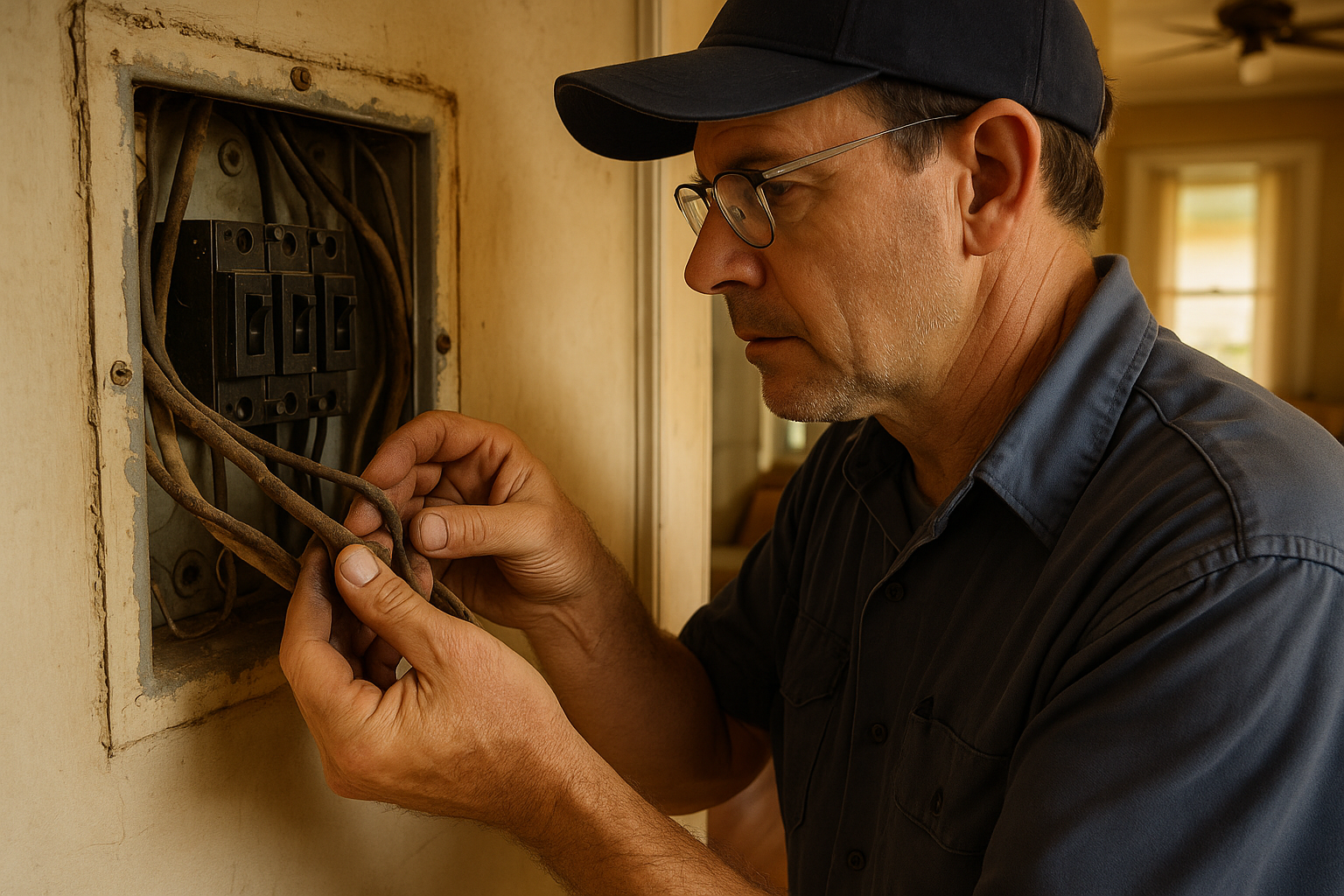
Homeowners across Port Charlotte, Punta Gorda, and Venice frequently ask us: can old wiring cause serious problems in my home? After more than two decades as a family-owned electrical contractor serving Southwest Florida, we’ve seen firsthand how outdated electrical systems create dangers ranging from minor inconveniences to life-threatening fire hazards. Understanding the risks associated with aging wiring helps you protect your family, your home, and your investment.
Quick Answer: Can old wiring cause problems? Yes. Old wiring can cause house fires, electrical shocks, power surges, appliance damage, and circuit overloads. Homes built before 1980 often contain outdated wiring types like knob-and-tube or aluminum wiring that don’t meet modern electrical demands. Professional inspection and rewiring typically cost between $1,500 and $10,000 depending on home size and wiring condition.
What Makes Old Wiring Dangerous?
Electrical wiring wasn’t designed to last forever. In fact, most electrical systems have a functional lifespan of 30 to 50 years before they begin showing signs of deterioration. However, the real problem isn’t just age, it’s the combination of outdated materials, degraded insulation, and modern electrical demands that exceed what older systems were designed to handle.
When we inspect homes in North Port, Sarasota, and Englewood, we often find wiring systems that were installed when households used a fraction of today’s electrical load. Consequently, these systems struggle under the weight of multiple computers, large-screen televisions, kitchen appliances, HVAC systems, and smartphone chargers all running simultaneously. The infrastructure simply wasn’t built for our modern lifestyle.
Moreover, older wiring materials deteriorate over time. Insulation becomes brittle and cracks, exposing live conductors. Connections loosen due to thermal expansion and contraction over decades of use. These physical changes create dangerous conditions that increase fire risk substantially. The National Fire Protection Association reports that electrical failures or malfunctions cause an estimated 13% of home structure fires annually, with aging wiring being a significant contributing factor.
Additionally, outdated wiring systems lack the safety features we now consider standard. Ground fault circuit interrupters (GFCIs), arc fault circuit interrupters (AFCIs), and proper grounding weren’t required in older installations. This means your home may lack critical protection against electrocution and fire hazards that modern codes mandate.
8 Serious Problems Old Wiring Can Cause
1. Electrical Fires and Overheating
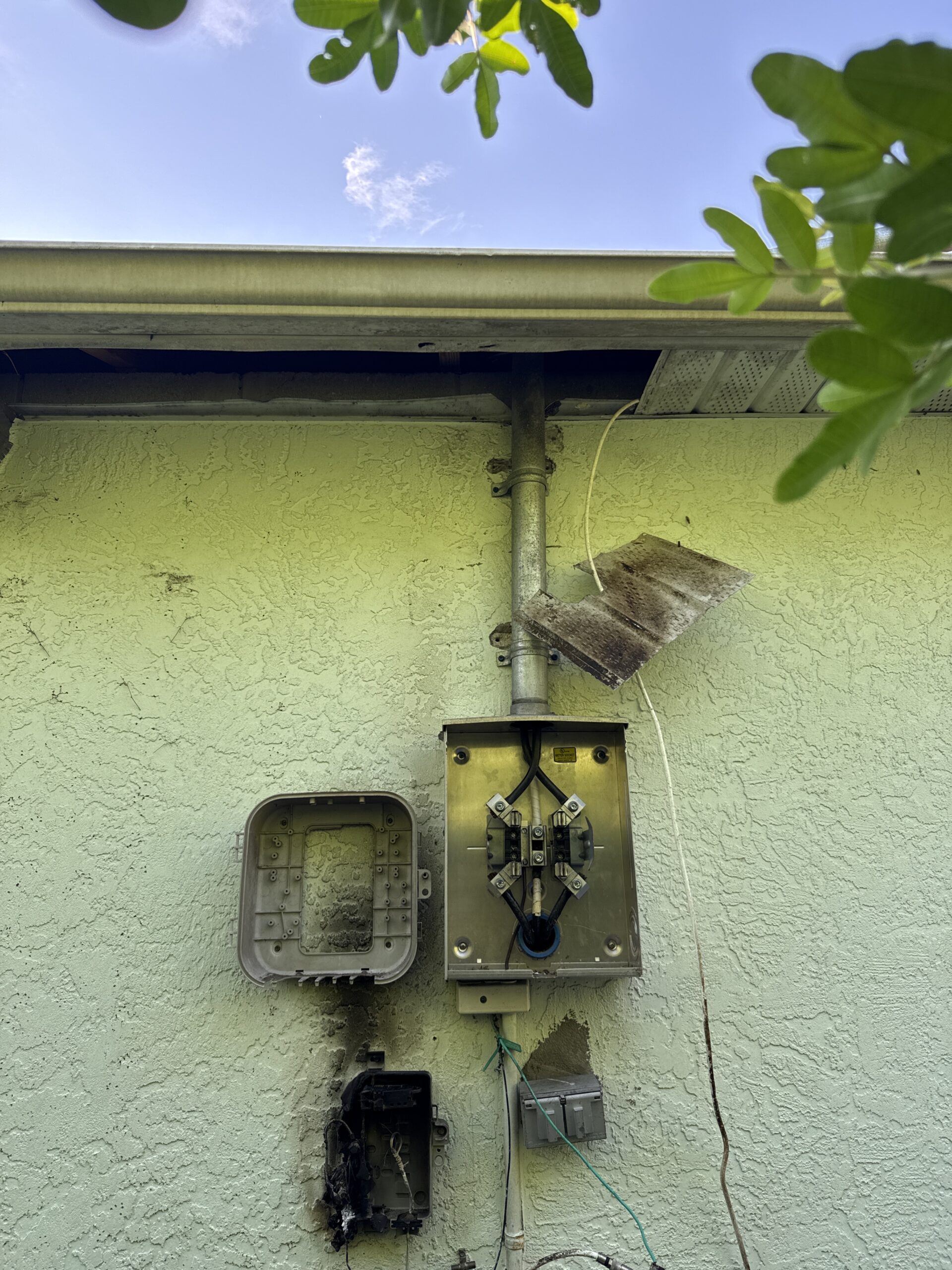
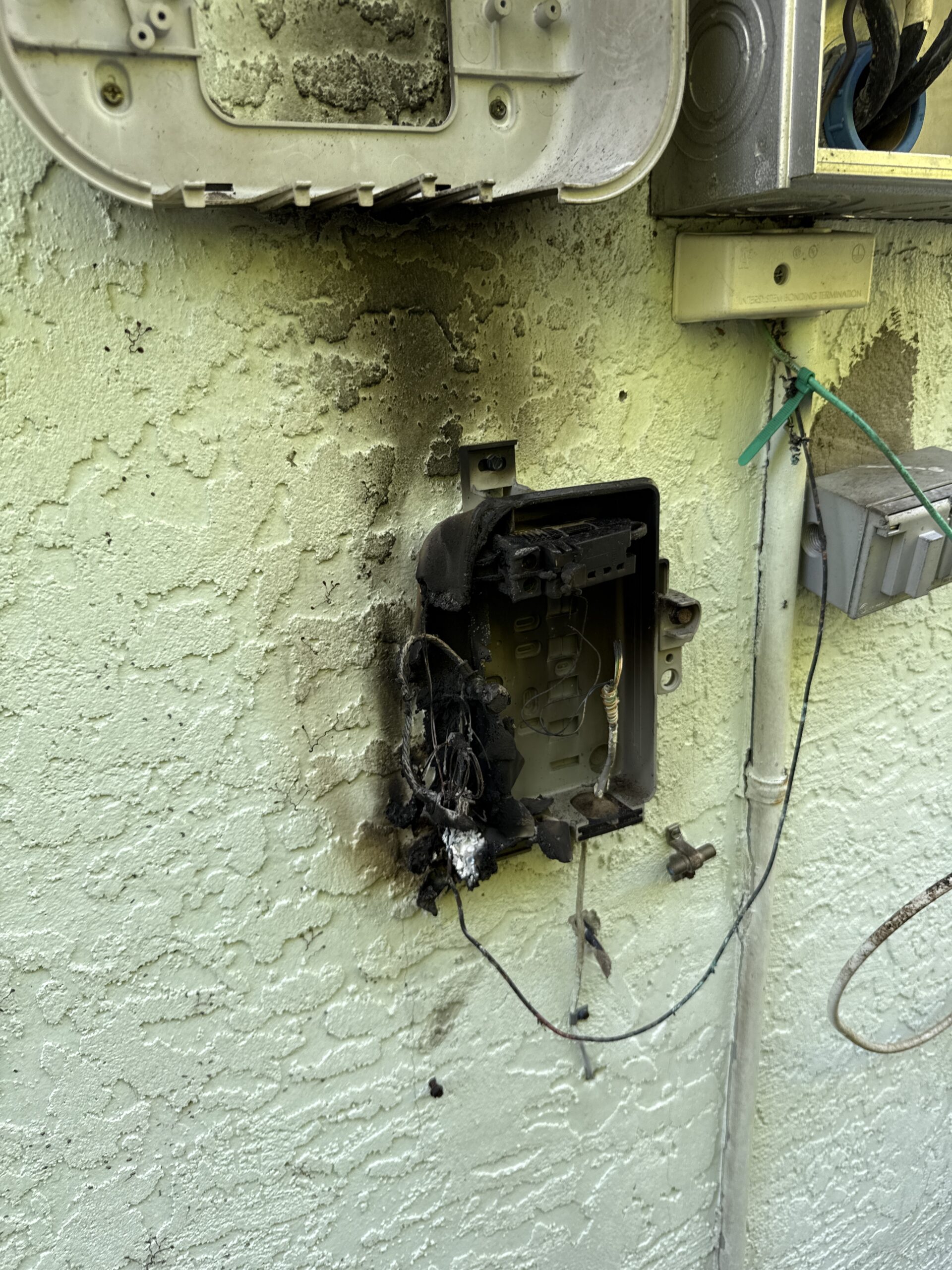
Can old wiring cause fires? Absolutely, and this represents the most serious danger. Deteriorated insulation exposes bare wires that can arc and ignite surrounding materials. Furthermore, undersized wiring carrying excessive current generates heat that builds up inside walls, smoldering for hours or days before igniting.
We’ve responded to homes in Port Charlotte where homeowners noticed a burning smell but couldn’t locate the source. In many cases, the problem existed behind walls where old cloth-wrapped wiring had degraded to the point where only fragments of insulation remained. The wires were essentially bare, creating a ticking time bomb.
2. Frequent Circuit Breaker Trips and Power Loss
Old wiring systems typically featured fewer circuits than modern homes require. Therefore, each circuit carries a heavier load, causing breakers to trip repeatedly. However, many homeowners in Punta Gorda tell us they’ve simply gotten used to resetting breakers, not realizing this signals a dangerous overload condition.
When circuits trip constantly, it indicates your electrical system is working beyond its capacity. This stresses connections, generates excessive heat, and accelerates wire deterioration. Additionally, some older homes still have fuse boxes rather than circuit breakers, which provide less protection and make it tempting for homeowners to install oversized fuses.
3. Flickering Lights and Voltage Fluctuations
If lights dim when you run the microwave or flicker randomly throughout your home, can old wiring cause these symptoms? Indeed, these signs often indicate loose connections or inadequate wire gauge. Voltage fluctuations damage sensitive electronics and reduce the lifespan of LED bulbs, appliances, and computer equipment.
In coastal areas like Venice and Englewood, the combination of salty air, humidity, and aging connections creates resistance in electrical pathways. This resistance causes voltage drops that manifest as flickering lights and inconsistent power delivery.
4. Damaged Appliances and Electronics
Modern electronics and appliances require clean, consistent power delivery. Old wiring systems create voltage spikes, sags, and dirty power that stress sensitive circuitry. Consequently, homeowners may experience premature failure of refrigerators, HVAC systems, computers, and entertainment equipment.
We’ve inspected homes where families replaced the same appliance multiple times without realizing the underlying electrical system was destroying each new unit. The cost of repeated appliance replacement often exceeds the investment in proper rewiring.
5. Shock Hazards and Tingling Sensations
Experiencing a tingle or mild shock when touching appliances or light switches indicates serious problems. Old wiring often lacks proper grounding, meaning fault currents have nowhere to go except through you when you touch a metal appliance case or fixture.
Ungrounded outlets are particularly common in homes built before 1960. While these may look identical to modern three-prong outlets, they provide no ground path for fault protection. This creates electrocution hazards, especially in kitchens, bathrooms, and outdoor areas where moisture increases conductivity.
6. Insurance Coverage Issues
Many homeowners don’t realize that can old wiring cause their insurance premiums to increase or coverage to be denied entirely. Insurance companies recognize the fire risk associated with knob-and-tube wiring, aluminum wiring, and ungrounded systems. Some insurers refuse coverage until outdated wiring is replaced, while others charge significantly higher premiums.
Before purchasing a home in North Port or Sarasota, buyers should have the electrical system professionally inspected. Discovering outdated wiring before closing gives you negotiating power and prevents surprise insurance denials after purchase.
7. Failed Home Inspections and Reduced Property Value
When selling your home, outdated wiring becomes a major negotiating point. Potential buyers either request price reductions, demand rewiring before closing, or walk away entirely. Additionally, home inspectors flag old wiring systems as safety concerns that must be addressed.
For homeowners planning to sell in Port Charlotte, Punta Gorda, or surrounding areas, proactively upgrading electrical systems can increase property value and attract more qualified buyers. Modern, code-compliant wiring provides peace of mind that buyers actively seek.
8. Inability to Support Modern Electrical Needs
Can old wiring cause problems when you want to install an EV charger, whole-home generator, or additional HVAC capacity? Absolutely. Older electrical panels typically provide 60 to 100 amps of service, while modern homes require 200 amps or more to support today’s electrical demands.
Without adequate capacity, you cannot safely add major electrical loads. Panel upgrades become necessary before installing electric vehicle charging stations, backup generators, pool equipment, or home additions. Planning for these upgrades ensures your home can accommodate your lifestyle both now and in the future. If you’re considering major electrical upgrades, our detailed guide on how to choose local electricians can help you find qualified professionals for your project.
How Can You Identify Old Wiring in Your Home?
Recognizing the warning signs of outdated wiring helps you take action before serious problems develop. First, determine your home’s age. Homes built before 1980 likely contain wiring that needs evaluation, while homes from the 1950s or earlier almost certainly require attention.
Next, examine your electrical panel. Look for the manufacturer name and model number. Panels from Federal Pacific, Zinsco, or Pushmatic brands are known fire hazards that should be replaced immediately. Additionally, check whether you have circuit breakers or old-style fuses. Fuse boxes indicate outdated systems that lack modern safety features.
Inspect visible outlets and switches throughout your home. Two-prong outlets without ground connections indicate ungrounded wiring. Furthermore, outlets that feel loose, warm to the touch, or show discoloration around the faceplate suggest connection problems. Similarly, light switches that spark, buzz, or feel hot need immediate professional attention.
Look in your attic, basement, or crawl space where wiring may be visible. Knob-and-tube wiring appears as individual wires supported by ceramic knobs and tubes. This system, common in homes built before 1950, lacks grounding and uses insulation that deteriorates over time. Cloth-wrapped wiring from the 1940s-1960s often shows visible degradation with fabric hanging in shreds.
Check for aluminum wiring, which appears silver-colored rather than copper-orange. Homes built between 1965 and 1973 frequently contain aluminum branch circuit wiring. This material expands and contracts more than copper, loosening connections over time and creating fire hazards at outlets and switches.
Finally, pay attention to your electrical system’s behavior. Frequent breaker trips, flickering lights, buzzing sounds from outlets or switches, burning smells, or discolored outlet covers all indicate problems requiring professional evaluation. These symptoms answer the question “can old wiring cause noticeable problems” with a definitive yes.
What Should Homeowners Do About Old Wiring?
Taking action starts with a professional electrical inspection. A licensed electrician can thoroughly evaluate your system, identify specific hazards, and recommend appropriate solutions. At Caliber Electric, our comprehensive inspections examine the service panel, main feeders, branch circuits, grounding systems, and visible wiring throughout your home.
Based on inspection findings, your electrician will recommend specific remediation steps. In some cases, targeted repairs address isolated problems. For example, replacing a few problematic circuits or upgrading specific outlets to GFCI protection may suffice for homes with generally sound wiring and minor issues.
However, homes with extensive outdated wiring typically require whole-house rewiring. This comprehensive solution removes old wiring and replaces it with modern materials meeting current electrical codes. While rewiring represents a significant investment, it eliminates safety hazards, supports modern electrical demands, and increases property value.
Panel upgrades often accompany rewiring projects. Upgrading from 60 or 100-amp service to 200-amp service provides capacity for current and future electrical needs. Modern panels include spaces for additional circuits, allowing you to add major appliances, EV chargers, or generators without maxing out your system.
Don’t attempt electrical work yourself unless you’re a licensed electrician. Electrical work requires permits, inspections, and expertise to ensure safety and code compliance. Moreover, improper DIY electrical work creates new hazards, voids insurance coverage, and complicates future professional repairs.
For homeowners concerned about costs, understand that addressing electrical problems now prevents much more expensive damage later. House fires, destroyed appliances, and electrical injuries cost far more than proactive system upgrades. Additionally, many electrical contractors, including Caliber Electric, offer financing options that make necessary upgrades affordable.
How Much Does Electrical Rewiring Cost in Southwest Florida?
Understanding potential costs helps homeowners budget for necessary electrical upgrades. However, pricing varies significantly based on several factors including home size, wiring accessibility, specific problems identified, and the extent of work required.
For partial rewiring addressing specific problem areas, costs typically range from $1,500 to $4,000. This might include replacing wiring in a kitchen, bathroom, or specific room where problems are isolated. Targeted upgrades provide an affordable option when the majority of your electrical system remains sound.
Whole-house rewiring for average-sized homes in Port Charlotte, North Port, or Venice typically costs between $6,000 and $10,000. Larger homes, difficult access situations, or homes requiring extensive drywall repair after wiring installation may see costs up to $15,000 or more. These estimates include labor, materials, permits, and inspections.
Panel upgrades from 100-amp to 200-amp service generally cost between $2,000 and $4,000, depending on panel location, service entrance configuration, and whether the meter base requires relocation. This investment provides capacity for modern electrical demands and often becomes necessary when installing major appliances or EV charging equipment.
Individual outlet and switch replacements cost less but add up when addressing multiple locations. Upgrading standard outlets to GFCI or AFCI-protected outlets runs approximately $150 to $250 per location. Replacing old switches costs similarly, with smart switches at the higher end of the range.
Keep in mind that can old wiring cause costs that exceed these repair estimates? Definitely. Insurance deductibles for fire damage start at $1,000 but pale compared to repair costs for fire-damaged homes. The average residential fire causes $50,000 in damage. Preventing this outcome through proactive electrical upgrades represents genuine value.
Additionally, consider the return on investment. Updated electrical systems increase home value, typically returning 50% to 75% of the upgrade cost when you sell. Furthermore, reduced insurance premiums, eliminated fire risk, and reliable power for modern appliances provide ongoing value that compounds over time.
Many electrical contractors offer free or low-cost inspections to identify specific problems and provide accurate estimates. At Caliber Electric, we provide detailed assessments that explain exactly what work your home needs and why, helping you make informed decisions about electrical investments.
Frequently Asked Questions About Old Wiring Problems
Can old wiring cause fires even if breakers don’t trip?
Yes, deteriorated insulation and loose connections can create arcing and heat buildup that ignites surrounding materials before drawing enough current to trip breakers. This makes regular electrical inspections essential for older homes.
How often should I have my electrical system inspected?
Homes with wiring over 25 years old should be inspected every 3 to 5 years. If you notice any warning signs like flickering lights, burning smells, or frequent breaker trips, schedule an inspection immediately regardless of when your last inspection occurred.
Is aluminum wiring always dangerous?
Aluminum branch circuit wiring requires special handling and connections to remain safe. When properly maintained with approved connections and devices, it can be acceptable. However, many insurance companies require its replacement or special documentation from licensed electricians.
Can I just replace outlets and switches instead of rewiring?
Replacing devices doesn’t address deteriorated wiring inside walls. While upgrading to GFCI outlets provides some protection, it doesn’t eliminate fire hazards from degraded wire insulation or inadequate circuit capacity. Comprehensive solutions provide real safety.
Does homeowner’s insurance cover electrical upgrades?
Standard policies typically don’t cover upgrades or maintenance. However, insurance may cover rewiring if required after a covered event like a fire. Some insurers offer discounts for homes with updated electrical systems, helping offset upgrade costs over time.
How long does whole-house rewiring take?
Most whole-house rewiring projects take 3 to 7 days depending on home size and complexity. Electricians typically work room by room to minimize disruption, and you can usually remain in your home during the work with some inconvenience.
Can old wiring cause problems with surge protectors?
Yes, ungrounded wiring prevents surge protectors from functioning properly. Surge protectors require a ground path to divert excess voltage, so they provide little protection when plugged into ungrounded outlets in homes with old wiring.
Trust Caliber Electric for Your Electrical Safety Needs
After serving Southwest Florida families for more than 20 years, we understand the concerns homeowners face when dealing with outdated electrical systems. As a family-owned business, we treat every home like our own, providing honest assessments and quality workmanship that prioritizes your safety above all else.
Our team of fully licensed and insured electricians has extensive experience identifying and correcting the problems old wiring can cause throughout Port Charlotte, North Port, Punta Gorda, Venice, Englewood, and Sarasota. We provide comprehensive inspections, detailed explanations of findings, and clear recommendations that help you make informed decisions about your home’s electrical system.
Whether you need a safety inspection, panel upgrade, whole-house rewiring, or installation of modern conveniences like EV chargers and generators, Caliber Electric delivers the expertise and professionalism you deserve. We pull proper permits, follow all electrical codes, and stand behind our work with solid warranties that give you peace of mind.
Don’t wait until old wiring causes serious damage or puts your family at risk. Contact Caliber Electric today to schedule your comprehensive electrical inspection. Call us or visit our website to learn more about how we can help protect your home and family with safe, reliable electrical service you can trust.