

Many Southwest Florida homeowners wonder exactly what problems can bad wiring cause in their homes. Over our 20 years serving Port Charlotte, North Port, Punta Gorda, Venice, Englewood, and Sarasota, we’ve seen firsthand how outdated or damaged electrical systems create serious risks. Understanding these dangers helps you protect your family and property from potentially devastating consequences.
Quick Answer: Bad wiring can cause house fires, electrical shocks, property damage, appliance failures, and significantly increased utility bills. According to the U.S. Fire Administration, faulty electrical wiring causes approximately 28,600 home fires annually. Warning signs include frequently tripping breakers, flickering lights, burning smells, discolored outlets, and buzzing sounds from electrical fixtures.
What Is Bad Wiring and How Does It Develop?
Bad wiring refers to electrical systems that are outdated, improperly installed, damaged, or insufficient for a home’s current electrical demands. This condition develops through various pathways, each creating unique hazards for homeowners.
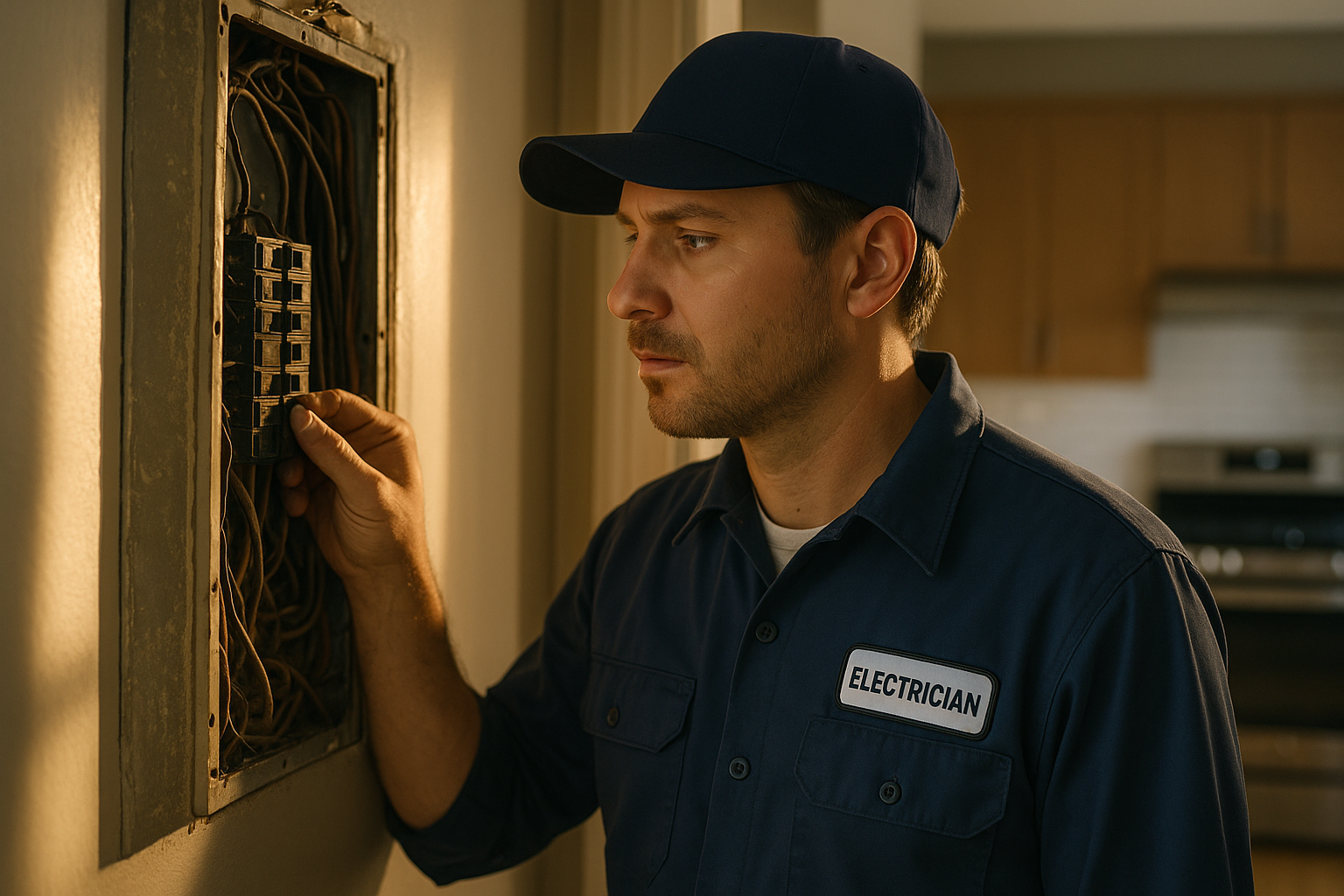
Electrical systems deteriorate over time due to normal aging. Homes built 30 or 40 years ago in Port Charlotte often contain wiring that wasn’t designed for today’s electrical loads. Meanwhile, rodents chewing through insulation, water damage from Florida’s humidity and storms, and physical damage during renovations all contribute to wiring problems. Additionally, previous DIY electrical work or installations by unlicensed contractors frequently create hidden dangers inside walls.
Moreover, aluminum wiring installed in homes during the 1960s and 1970s presents particular risks. This material expands and contracts more than copper, eventually loosening connections and creating fire hazards. Furthermore, knob-and-tube wiring found in older Venice and Englewood properties lacks the grounding necessary for modern safety standards.
Can Bad Wiring Cause House Fires? Understanding the Fire Risk
House fires represent the most catastrophic consequence of faulty electrical systems. In fact, the National Fire Protection Association reports that electrical failures or malfunctions cause an estimated 13% of home structure fires annually.
Bad wiring creates fire hazards through several mechanisms. First, damaged insulation allows wires to contact flammable materials inside walls. Second, loose connections generate heat at junction points, eventually igniting surrounding materials. Third, overloaded circuits force wires to carry more current than their design allows, causing dangerous temperature increases. Fourth, arcing faults create small sparks that can ignite dust, insulation, or wood framing.
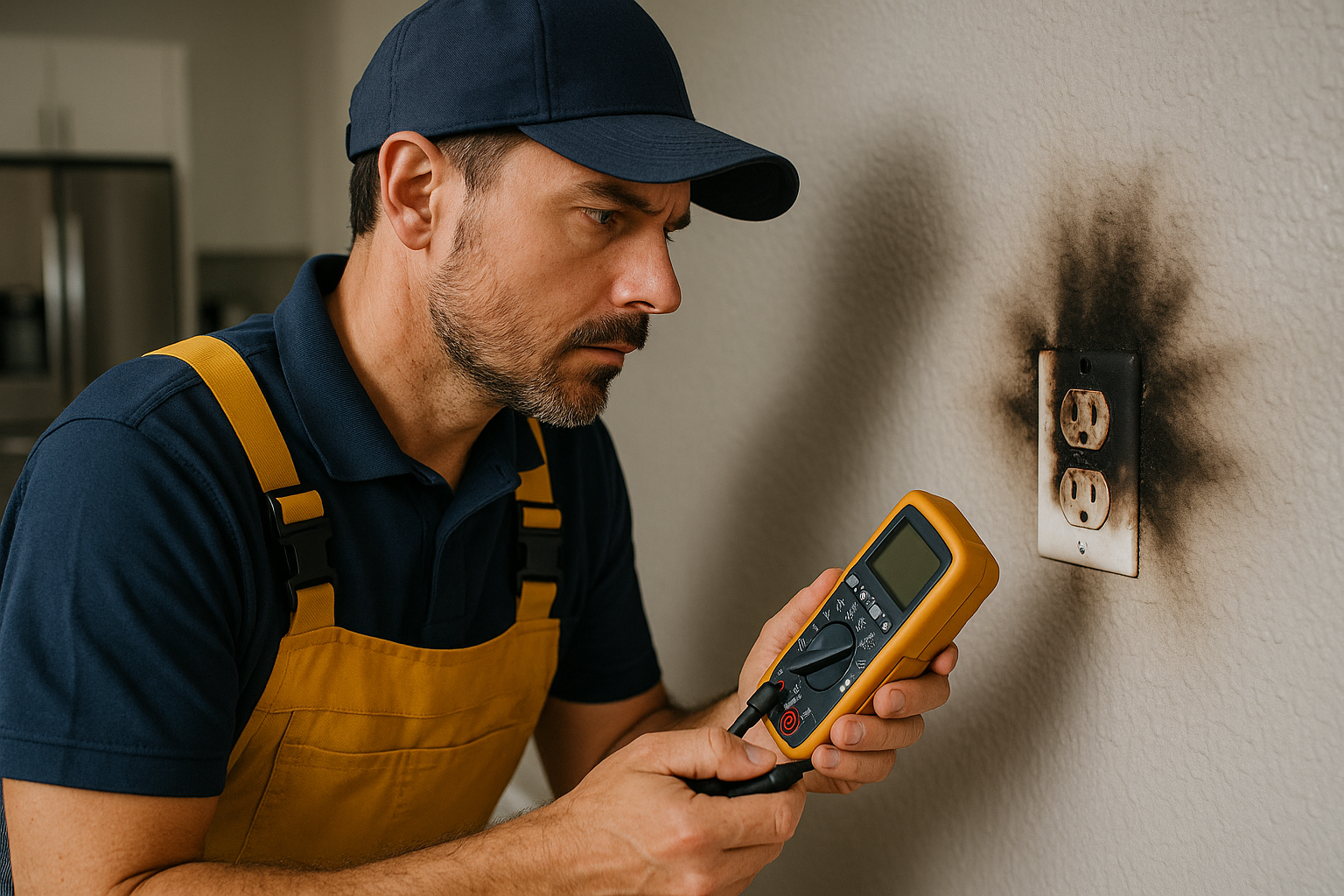
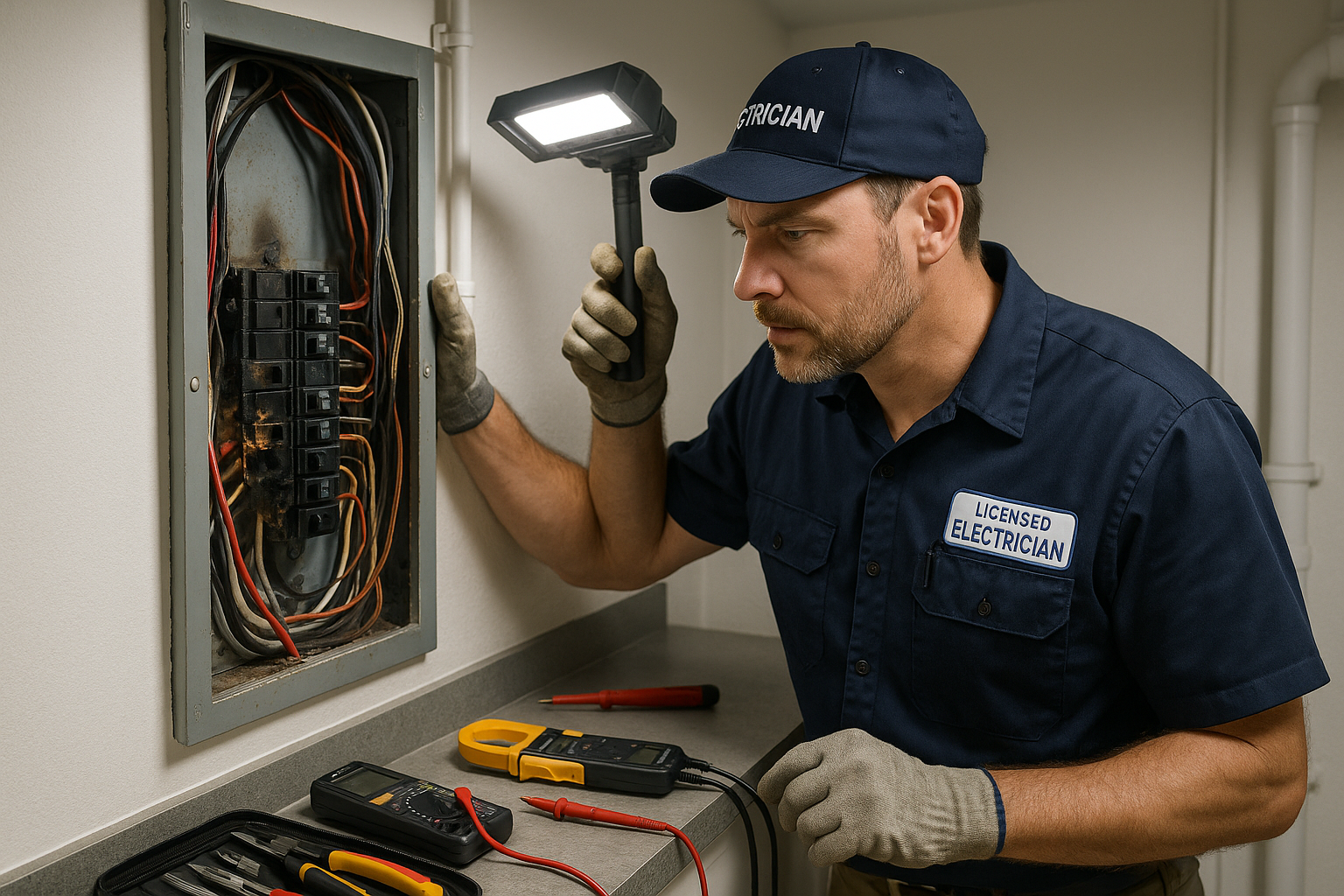
Therefore, recognizing fire risk indicators becomes essential. Discolored or warm outlets indicate overheating problems. Burning plastic smells signal insulation breakdown. Sparks when plugging in appliances reveal dangerous arcing. Scorch marks around electrical panels show previous overheating events. These warning signs require immediate professional attention from licensed electricians familiar with Southwest Florida homes.
Consequently, homeowners in Punta Gorda and surrounding areas should prioritize electrical inspections, especially in older properties. Our family-owned company has prevented countless potential fires by identifying and correcting wiring problems before disaster strikes.
7 Serious Problems That Can Bad Wiring Cause in Your Home
1. Electrical Shock Hazards to Family Members
Faulty wiring dramatically increases the risk of dangerous electrical shocks. When insulation breaks down or grounding systems fail, metal appliances and fixtures can become energized. Additionally, damaged outlets and switches expose live wires that create direct shock hazards. Children and elderly family members face particular vulnerability to these dangers.
2. Complete Appliance and Electronics Failure
Bad wiring delivers inconsistent voltage that destroys expensive appliances and electronics. Power surges from faulty circuits damage sensitive computer components, entertainment systems, and smart home devices. Similarly, voltage drops force motors in refrigerators, air conditioners, and washing machines to work harder, shortening their lifespan. Homeowners in North Port often discover their frequent appliance replacements stem from underlying electrical problems rather than equipment failure.
3. Structural Damage from Electrical Fires
When electrical fires occur, they often start inside walls where detection and suppression prove difficult. Therefore, these fires can cause extensive structural damage before discovery. Burned framing members compromise wall integrity. Smoke and soot damage require professional remediation throughout affected areas. Water from firefighting efforts creates additional problems in Florida’s humid climate, potentially leading to mold growth.
4. Significantly Increased Energy Bills
Inefficient wiring wastes electricity, driving up monthly utility costs. Loose connections create resistance that converts electrical energy into heat rather than useful work. Consequently, your HVAC system, water heater, and other major appliances consume more power while delivering less performance. Many Sarasota homeowners experience dramatic bill reductions after addressing wiring problems. Can faulty wiring increase your electric bill? Absolutely, and the cost difference often pays for necessary electrical upgrades within a few years.
5. Reduced Home Value and Sale Complications
Bad wiring creates serious obstacles during home sales. Professional inspections reveal electrical deficiencies that concern potential buyers. Furthermore, insurance companies may refuse coverage or charge premium rates for homes with known electrical problems. As a result, sellers face either expensive last-minute repairs or significant price reductions. Smart homeowners in Venice address electrical issues proactively rather than during stressful sale negotiations.
6. Frequent Circuit Breaker Trips and Power Interruptions
Constantly resetting tripped breakers signals underlying wiring problems. While breakers protect against overloads, frequent trips indicate circuits poorly designed for modern electrical demands. Additionally, random power losses damage electronics and spoil refrigerated food. These interruptions disrupt daily life and create frustration for families working and learning from home.
7. Carbon Monoxide Risks from Generator Backfeeding
Improperly wired backup generators create deadly carbon monoxide hazards. Without proper transfer switches and installation, generators can backfeed power into utility lines, creating risks for utility workers. Moreover, incorrect generator connections often result in exhaust fumes entering living spaces. Given Florida’s hurricane risks, properly installed generator systems with correct wiring become essential safety investments for Port Charlotte residents.
What Are the Warning Signs That Can Bad Wiring Cause Problems?
Early detection prevents serious damage and dangerous situations. However, many warning signs go unnoticed until problems escalate. Therefore, understanding what to watch for helps homeowners take action before emergencies develop.
Flickering or dimming lights indicate voltage fluctuations from poor connections. When lights dim as appliances start, circuits carry insufficient capacity for current demands. Meanwhile, buzzing sounds from outlets or switches reveal loose connections arcing inside electrical boxes. These sounds often accompany burning smells that signal insulation breakdown.
Furthermore, outlets that feel warm to the touch show dangerous overheating. Discolored or scorched outlet covers reveal previous heating events. Two-prong outlets lacking ground connections fail to provide modern safety protection. GFCI outlets that trip frequently protect against ground faults but indicate underlying moisture or wiring problems requiring investigation.
Additionally, frequently blown fuses or tripped breakers point to overloaded or short-circuited systems. Breakers that won’t reset indicate serious faults requiring immediate professional attention. Similarly, outlets that spark when you plug in devices show dangerous arcing problems.
How Much Does It Cost to Fix Bad Wiring in Southwest Florida?
Electrical repair costs vary significantly based on problem severity and scope. However, understanding typical price ranges helps homeowners budget appropriately and recognize fair pricing.
Minor repairs such as replacing a single outlet or switch typically cost $150 to $300. Circuit breaker replacements run $200 to $500 per breaker, depending on amperage and panel type. Meanwhile, adding new circuits to existing panels costs $500 to $1,500 per circuit, including materials and labor.
Partial rewiring of specific rooms ranges from $1,500 to $3,000 per room. This includes removing old wiring, installing new circuits, and updating outlets and switches. In contrast, complete whole-house rewiring in Port Charlotte area homes typically costs $6,000 to $15,000, depending on home size and complexity. Two-story homes and properties with limited attic or crawlspace access require more labor, increasing costs accordingly.
Electrical panel upgrades represent another common expense. Upgrading from 100-amp to 200-amp service costs $2,500 to $4,500 installed. This investment proves essential for homes adding EV chargers, pools, or major appliances. Moreover, modern panels include safety features like arc-fault and ground-fault protection that older panels lack.
Indeed, these costs seem substantial. Nevertheless, they pale compared to expenses from electrical fires, which average $50,000 in property damage according to insurance industry data. Furthermore, homeowner’s insurance often covers electrical repairs following specific incidents, reducing out-of-pocket costs. Our licensed team provides detailed estimates before beginning work, ensuring transparency throughout the process.
Why Choose Professional Electrical Inspection and Repair?
Licensed electricians bring expertise, tools, and knowledge essential for safe electrical work. DIY electrical repairs create serious risks, including code violations, insurance claim denials, and dangerous installations that endanger families.
Professional electricians understand local building codes and permit requirements. In Punta Gorda and throughout Southwest Florida, electrical work requires permits and inspections for homeowner protection. Additionally, licensed contractors carry liability insurance protecting homeowners from installation problems. Warranty coverage on professional work provides long-term peace of mind unavailable with DIY repairs.
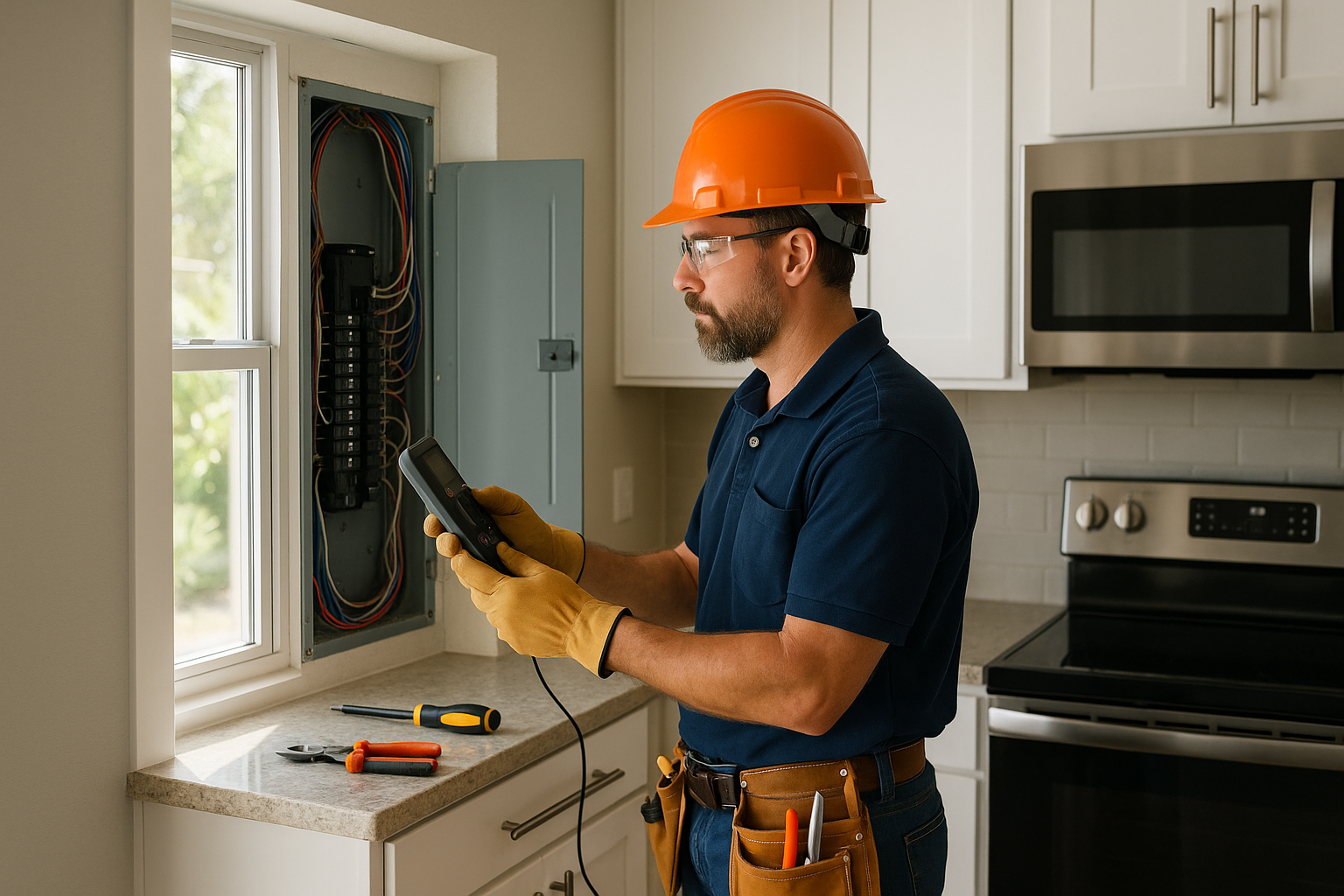
Moreover, experienced electricians quickly diagnose problems that stump homeowners. Thermal imaging cameras reveal hot spots invisible to the naked eye. Specialized testing equipment measures voltage, resistance, and current flow accurately. Consequently, professionals identify root causes rather than treating symptoms, preventing recurring problems.
Furthermore, professional installations meet current safety standards. Arc-fault circuit interrupters (AFCIs) protect against electrical fires. Ground-fault circuit interrupters (GFCIs) prevent shock hazards in wet locations. Surge protection devices guard expensive electronics against power spikes. These modern safety features require proper installation for effective operation.
Frequently Asked Questions About Bad Wiring and Home Damage
Can bad wiring cause my lights to flicker?
Yes, flickering lights often indicate loose connections, overloaded circuits, or damaged wiring. This symptom suggests voltage fluctuations that can damage electronics and appliances throughout your home.
How often should I have my electrical system inspected?
Homeowners should schedule professional electrical inspections every 3 to 5 years, or immediately when buying older homes. Properties over 40 years old require more frequent inspections due to aging infrastructure.
Can bad wiring cause high electric bills?
Absolutely, faulty wiring creates resistance that wastes electricity as heat. Loose connections and damaged insulation force electrical systems to work harder, significantly increasing energy consumption and monthly utility costs.
What should I do if I smell burning near outlets?
Turn off power to that circuit immediately at the breaker panel and call a licensed electrician. Burning smells indicate dangerous overheating that can cause fires without warning.
Does homeowner’s insurance cover rewiring costs?
Coverage depends on circumstances and policy details. Insurance typically covers sudden damage from specific events but excludes maintenance and gradual deterioration. However, addressing electrical problems prevents denied fire claims later.
Can I sell my house with bad wiring?
You can sell properties with electrical problems, but must disclose known issues to buyers. Expect reduced offers or buyer requests for repairs before closing. Addressing electrical problems before listing typically yields better sale prices.
How long does whole-house rewiring take?
Complete rewiring typically takes 3 to 7 days for average-sized homes, depending on complexity and access. Families can usually remain in homes during work, though power outages occur during specific phases.
Trust Caliber Electric for Safe, Reliable Electrical Solutions
Can bad wiring cause serious problems in your Southwest Florida home? Without question, yes. However, identifying and correcting these dangerous conditions protects your family and property from devastating consequences. Our family-owned electrical contracting company has served Port Charlotte, North Port, Punta Gorda, Venice, Englewood, and Sarasota for over 20 years. We bring the expertise, licensing, and commitment to safety that your home deserves. Whether you need emergency electrical repairs, complete rewiring, panel upgrades, or professional safety inspections, our experienced team delivers solutions you can trust. Don’t wait for warning signs to become emergencies. Contact Caliber Electric today for a comprehensive electrical safety evaluation and experience the peace of mind that comes from knowing your home’s electrical system meets the highest safety standards.