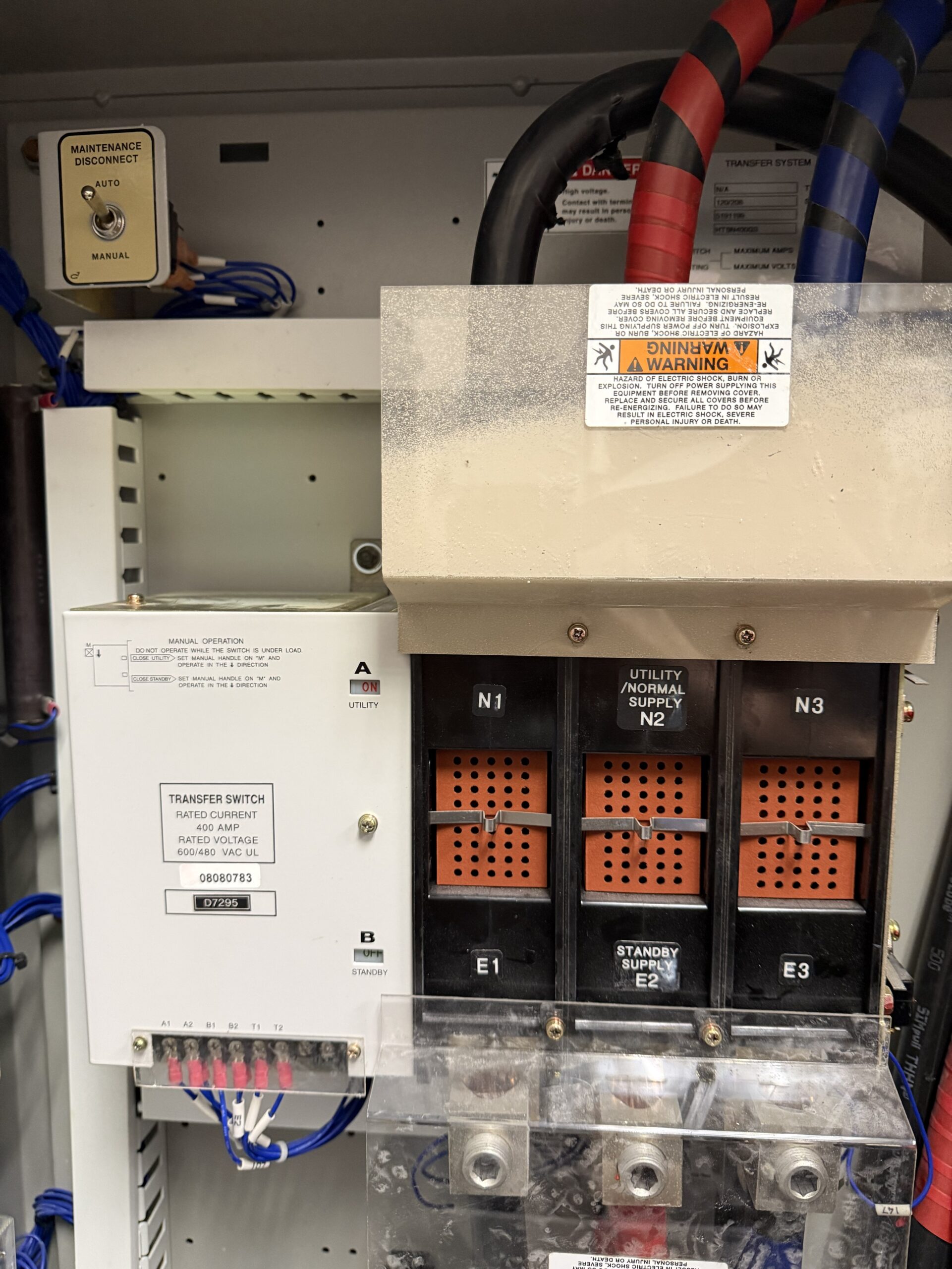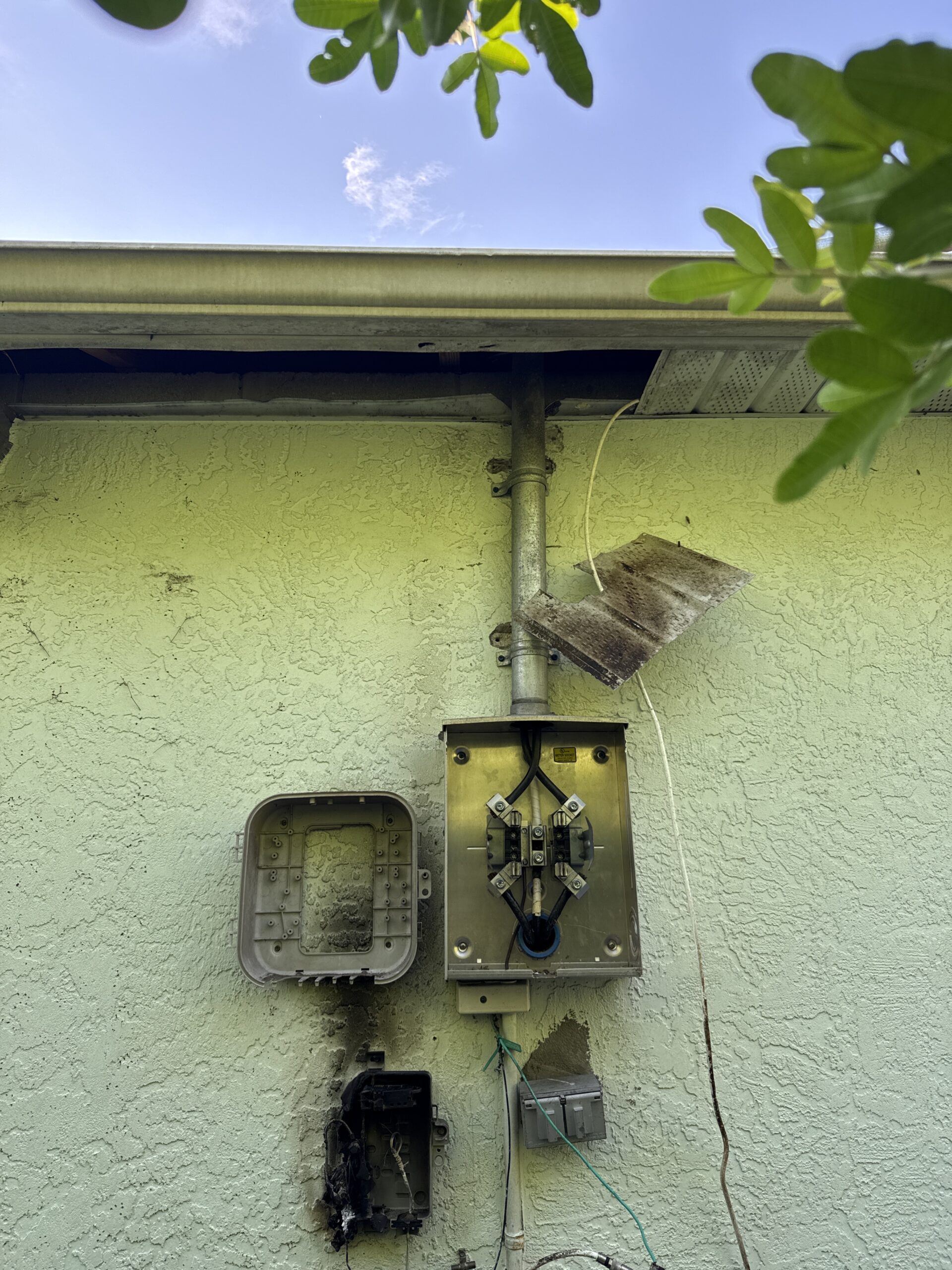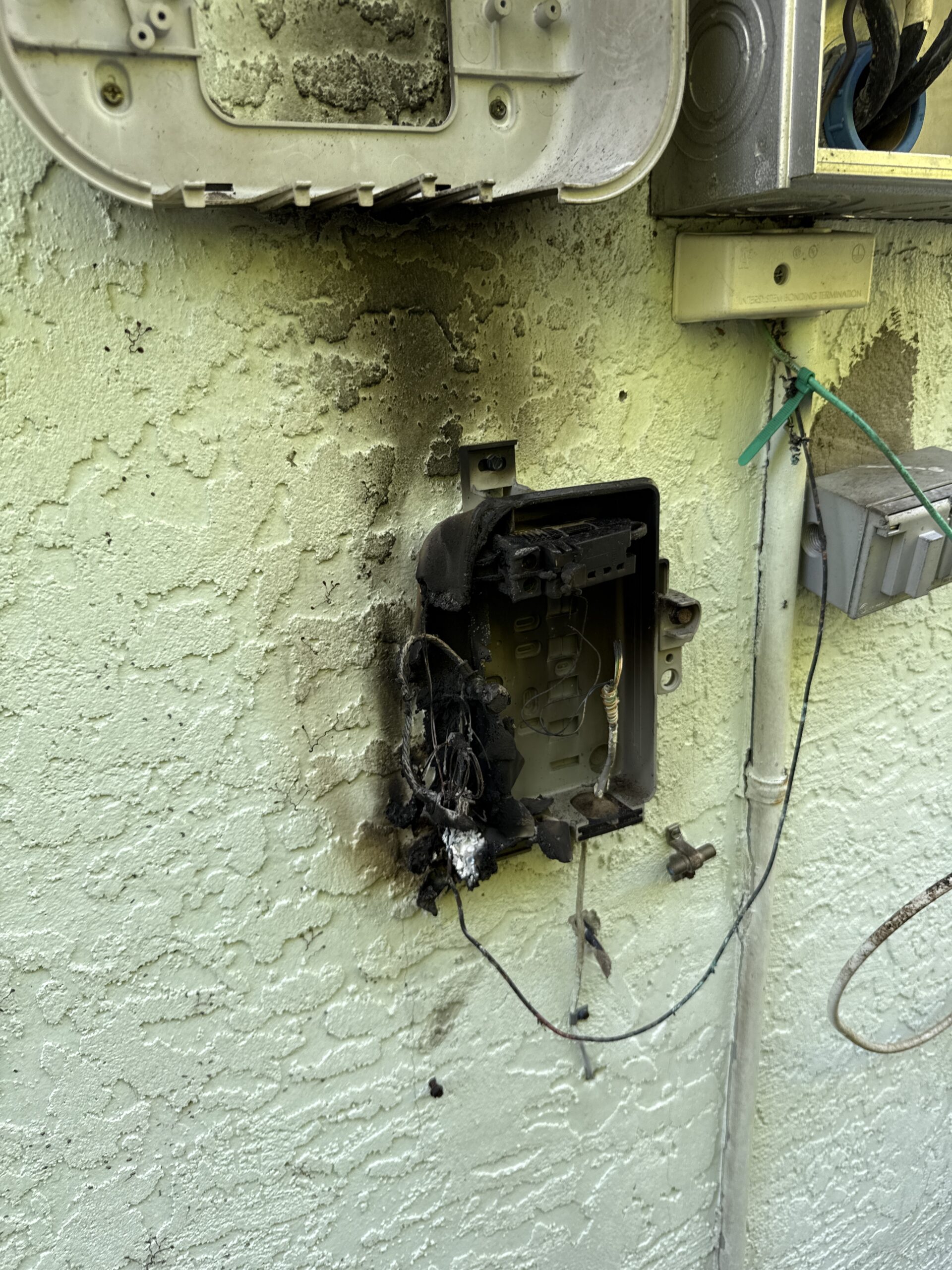


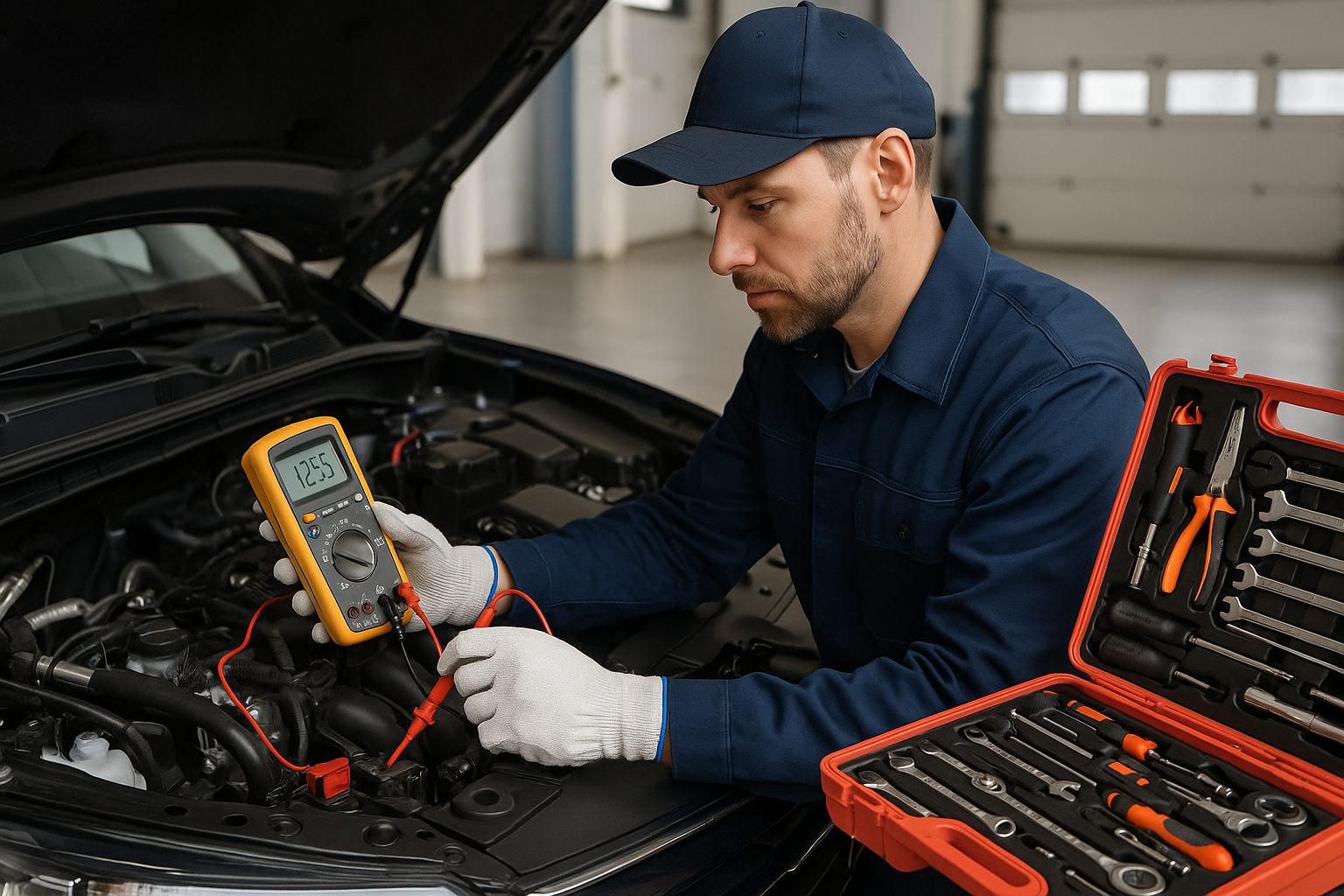
An auto electrician specializes in diagnosing and repairing the complex electrical systems found in modern vehicles, from battery issues to advanced computer diagnostics. However, many homeowners in Port Charlotte, North Port, and throughout Southwest Florida don’t realize that the same electrical expertise required for automotive work translates directly to residential and commercial electrical services. In fact, understanding automotive electrical principles can help you recognize quality electrical work in your home. Moreover, the diagnostic skills that auto electricians use mirror the troubleshooting approach professional residential electricians apply to your home’s electrical system.
What Makes Auto Electrician Skills Valuable for Homeowners
The electrical principles governing automotive systems are fundamentally the same as those in your home. Therefore, understanding how auto electricians approach vehicle electrical problems can help you appreciate the expertise needed for residential electrical work. Additionally, many of the tools and diagnostic techniques overlap between automotive and home electrical services.
Modern vehicles contain sophisticated electrical systems that control everything from engine management to entertainment systems. Similarly, today’s homes feature increasingly complex electrical networks managing HVAC, security, smart home devices, and electric vehicle charging stations. Consequently, the analytical thinking required to diagnose a car’s electrical fault translates directly to identifying problems in residential wiring.
Furthermore, auto electricians must stay current with rapidly evolving technology, just like residential electricians who install EV charger installation in Port Charlotte and North Port, FL. The systematic approach to electrical troubleshooting remains constant whether working on a vehicle or a home electrical panel. In fact, this cross-disciplinary knowledge enhances problem-solving abilities across all electrical applications.
10 Critical Signs You Need an Auto Electrician for Your Vehicle
Understanding when to call an auto electrician can save you time, money, and prevent dangerous electrical failures. These ten warning signs indicate your vehicle needs professional electrical diagnosis and repair.
1. Battery Drains Overnight Without Explanation
If your vehicle battery consistently dies after sitting overnight, you’re likely experiencing a parasitic drain. This occurs when electrical components continue drawing power even when the vehicle is off. However, identifying which component causes the drain requires specialized diagnostic equipment and systematic testing.
An auto electrician uses amp meters and circuit testers to isolate the problematic circuit. Meanwhile, attempting to diagnose this yourself often leads to blown fuses or damaged modules. Professional diagnosis typically takes 30 to 90 minutes and prevents the frustration of repeated battery replacements that don’t solve the underlying problem.
2. Dashboard Warning Lights Illuminate Randomly
Modern vehicles communicate problems through dashboard warning lights controlled by onboard computers. Therefore, when multiple warning lights illuminate without clear cause, the vehicle’s electrical system may have communication errors between modules. Additionally, corroded connections or failing sensors can trigger false warnings.
Auto electricians have factory-level diagnostic scanners that read trouble codes and live data streams. In contrast, basic code readers from auto parts stores only provide limited information. Moreover, clearing codes without addressing the root cause allows problems to worsen over time, potentially causing expensive damage.
3. Headlights Dim When Using Other Electrical Components
Dimming headlights when you activate turn signals, wipers, or the radio indicate inadequate electrical supply. This symptom suggests a failing alternator, poor ground connections, or corroded battery terminals. Furthermore, this condition poses serious safety risks during night driving in areas like Punta Gorda and Venice.
The charging system must provide consistent voltage regardless of electrical load. Consequently, when headlights dim, your vehicle isn’t generating sufficient power to meet demand. An auto electrician tests alternator output, voltage drop across connections, and battery condition to identify the exact failure point.
4. Windows or Power Locks Operate Intermittently
Power windows and locks depend on motors, switches, and control modules working in harmony. When these systems fail intermittently, the problem often involves wiring harness damage, failed switches, or computer module issues. However, simply replacing motors without diagnosing the electrical supply often wastes money.
Professional auto electricians test circuits systematically, checking power supply, ground connections, and switch operation. Additionally, they inspect wiring harnesses for damage from rodents, which is particularly common in Southwest Florida. In fact, one damaged wire can affect multiple systems simultaneously.
5. Your Vehicle Won’t Start Despite a Good Battery
A vehicle that won’t crank even with a fully charged battery points to starter circuit problems. The issue could involve the ignition switch, neutral safety switch, starter relay, or corroded connections. Moreover, security system malfunctions can prevent starting even when all mechanical components function properly.
According to the National Highway Traffic Safety Administration, electrical system failures account for a significant percentage of roadside breakdowns. Therefore, professional diagnosis prevents the common mistake of replacing a perfectly good starter when the actual problem exists elsewhere in the circuit. An auto electrician traces the starting circuit systematically to identify the exact failure point.
6. Burning Smell or Visible Smoke from Electrical Components
Any burning smell or smoke from your vehicle’s electrical system demands immediate attention. This indicates overheating wires, failing components, or dangerous short circuits. Furthermore, electrical fires can develop rapidly, causing total vehicle loss and potential injury.
Never ignore burning electrical smells in Englewood, Sarasota, or anywhere else. Instead, shut off the vehicle immediately and contact a professional. An auto electrician locates the overheating circuit, identifies why it’s drawing excessive current, and repairs the problem before fire occurs. Additionally, they inspect surrounding components for heat damage that might cause future failures.
7. Radio, Climate Control, or Infotainment System Malfunctions
Modern vehicle entertainment and climate systems rely on complex computer networks. When these systems freeze, reboot randomly, or fail completely, the problem often involves power supply issues, ground faults, or network communication errors. However, these symptoms can also indicate failing modules.
Auto electricians distinguish between component failure and electrical supply problems through systematic testing. Moreover, they access manufacturer technical service bulletins identifying known issues with specific models. In fact, many infotainment problems result from software glitches requiring specialized reprogramming rather than parts replacement.
8. Unusual Electrical Behavior After Accessory Installation
Aftermarket accessories like remote starters, alarm systems, or audio upgrades frequently cause electrical problems when installed improperly. Therefore, if electrical issues began after accessory installation, improper wiring likely caused the problem. Additionally, poorly installed accessories can damage vehicle computers and void warranties.
Professional auto electricians repair damage from improper installations and restore factory electrical function. They identify incorrect connections, inadequate wire gauges, and missing protective fuses. Furthermore, they ensure accessories integrate properly with vehicle networks without causing interference or excessive current draw.
9. Corrosion Around Battery Terminals or Fuse Boxes
Visible corrosion on battery terminals, fuse boxes, or wiring connectors indicates moisture intrusion and chemical reactions. This corrosion increases electrical resistance, causing voltage drops that affect system performance. Moreover, Southwest Florida’s humid climate accelerates corrosion in exposed electrical connections.
An auto electrician doesn’t simply clean visible corrosion. Instead, they trace the moisture source, repair damaged seals, and apply protective treatments preventing recurrence. Additionally, they test affected circuits for voltage drop confirming adequate electrical flow after cleaning.
10. Check Engine Light Accompanied by Performance Issues
A check engine light combined with rough running, stalling, or power loss often indicates sensor or ignition system problems. Modern engines depend on dozens of sensors providing real-time data to computer systems. Consequently, when sensors fail or receive inadequate power, engine performance suffers dramatically.
Auto electricians analyze sensor data, test circuit integrity, and verify proper computer operation. They distinguish between failed sensors and wiring problems causing sensor circuit malfunctions. In fact, replacing sensors without confirming proper circuit operation represents one of the most common diagnostic mistakes.
How Auto Electrician Expertise Applies to Home Electrical Systems
The diagnostic methodology auto electricians employ translates directly to residential electrical troubleshooting. Both disciplines require systematic testing, understanding of electrical theory, and interpreting diagnostic data. Therefore, the problem-solving approach remains consistent whether diagnosing a vehicle or identifying why circuit breakers trip repeatedly in your North Port home.
Professional electricians, like auto electricians, use specialized diagnostic equipment to measure voltage, current, and resistance throughout electrical systems. Additionally, both must interpret these readings to isolate problems without unnecessary parts replacement. Furthermore, understanding how electrical loads interact helps prevent overloaded circuits whether in vehicles or homes.
The attention to detail required in automotive electrical work directly parallels residential electrical safety standards. For example, proper wire sizing, overcurrent protection, and secure connections are critical in both applications. Moreover, both automotive and residential electricians must stay current with evolving technology and safety codes.
What to Expect When You Hire an Auto Electrician
Professional auto electrician services begin with comprehensive diagnostics using specialized equipment. Initially, the technician interviews you about symptoms, when problems occur, and any recent changes or repairs. This information guides the diagnostic process and prevents unnecessary testing.
Next, the auto electrician performs visual inspection looking for obvious problems like corroded connections, damaged wiring, or burnt components. However, most electrical faults aren’t visible, requiring systematic testing with multimeters, oscilloscopes, and diagnostic scanners. Therefore, proper diagnosis often takes one to three hours depending on problem complexity.
Once the problem is identified, the electrician provides a detailed repair estimate including parts and labor. Additionally, reputable professionals explain exactly what failed, why it failed, and how the repair prevents recurrence. Furthermore, they should offer warranty coverage on both parts and labor.
The actual repair timeline varies based on problem severity. Simple repairs like replacing corroded battery cables take 30 minutes, while complex computer module replacement might require several hours. Moreover, some repairs necessitate ordering specialized parts not typically stocked locally in Southwest Florida.
Cost Considerations for Auto Electrician Services
Auto electrician diagnostic fees typically range from $100 to $200 for comprehensive electrical system analysis. This fee often applies toward repair costs if you proceed with recommended work. However, diagnostic charges compensate professionals for their expertise and sophisticated equipment investment.
Common electrical repairs vary widely in cost. Battery cable replacement runs $50 to $150, while alternator replacement costs $400 to $800 depending on vehicle make and model. Additionally, computer module replacement can exceed $1,000 including programming and calibration.
Preventive maintenance saves money compared to emergency repairs. For example, annual electrical system inspection costs $75 to $150 but identifies developing problems before they cause breakdowns. Similarly, regular home electrical inspections prevent expensive emergency repairs and potential fire hazards.
When comparing estimates, consider that the lowest price rarely represents the best value. Experienced auto electricians charge appropriately for their expertise, proper diagnostic equipment, and quality replacement parts. Furthermore, reputable professionals stand behind their work with comprehensive warranties.
Choosing Between Auto Electrician and General Mechanic
Auto electricians specialize exclusively in vehicle electrical systems, providing deeper expertise than general mechanics. Therefore, for complex electrical problems, specialists typically diagnose issues faster and more accurately. However, general mechanics handle simple electrical repairs adequately, such as battery or alternator replacement.
Complex problems involving computer networks, intermittent faults, or multiple simultaneous issues require auto electrician expertise. Additionally, modern hybrid and electric vehicles demand specialized electrical knowledge beyond general mechanic training. Consequently, attempting electrical repairs without proper expertise often causes additional damage.
Similarly, homeowners should recognize when electrical problems exceed DIY capabilities. Just as vehicle owners shouldn’t attempt complex electrical repairs, homeowners shouldn’t tackle panel upgrades, whole-home generator installations, or extensive rewiring projects. Instead, these situations demand licensed professional electricians with specialized training and equipment.
The relationship between automotive and residential electrical work highlights the importance of specialized expertise. While basic electrical principles remain constant, application-specific knowledge prevents costly mistakes and safety hazards. Therefore, matching the problem to the appropriate specialist ensures efficient, safe, and lasting repairs.
Trust Caliber Electric for Your Home’s Electrical Needs
While auto electrician skills prove invaluable for vehicle electrical problems, Caliber Electric brings that same diagnostic expertise and attention to detail to your home’s electrical system. Our family-owned company has served Port Charlotte, North Port, Punta Gorda, Venice, Englewood, and Sarasota for over 20 years with fully licensed, professional electrical services. Whether you need panel upgrades, EV charger installation, whole-home generator setup, emergency electrical repairs, or comprehensive electrical inspections, our experienced team approaches every project with the systematic problem-solving methodology that makes great electricians successful in any application. Contact Caliber Electric today at (941) 627-4222 for reliable, professional electrical services backed by two decades of experience and our commitment to Southwest Florida families.