

Many homeowners across Southwest Florida wonder: can old wiring cause serious problems in their homes? The short answer is yes. After more than 20 years serving families in Port Charlotte, North Port, Punta Gorda, Venice, Englewood, and Sarasota, our team at Caliber Electric has seen firsthand how outdated electrical systems create dangerous conditions that threaten both property and lives.
Quick Answer: Can old wiring cause problems? Yes, old wiring can cause numerous serious issues including electrical fires, frequent circuit breaker trips, power surges that damage electronics, flickering lights, and shock hazards. Homes built before 1980 often contain outdated wiring systems like knob-and-tube or aluminum wiring that fail to meet modern electrical demands and safety standards.
What Problems Can Old Wiring Cause in Your Home?
Old wiring can cause a wide range of problems that extend far beyond minor inconveniences. As electrical systems age, insulation deteriorates, connections loosen, and materials that were once considered safe are now recognized as fire hazards. Additionally, older systems were never designed to handle the electrical load demanded by modern appliances, computers, smart home devices, and climate control systems that Florida homeowners rely on daily.
The most serious issue is fire risk. According to the National Fire Protection Association, electrical failures or malfunctions cause an estimated 13% of all home structure fires annually. Moreover, homes with wiring over 40 years old face significantly increased risk because materials degrade over time and safety standards have evolved considerably since installation.
Furthermore, old wiring systems lack modern safety features like ground fault circuit interrupters (GFCIs) and arc fault circuit interrupters (AFCIs) that prevent electrical shocks and arc faults. These protective devices are now required by code in Florida, but homes built decades ago don’t have them unless specifically upgraded.
8 Dangerous Issues Can Old Wiring Cause
1. Electrical Fires From Deteriorated Insulation
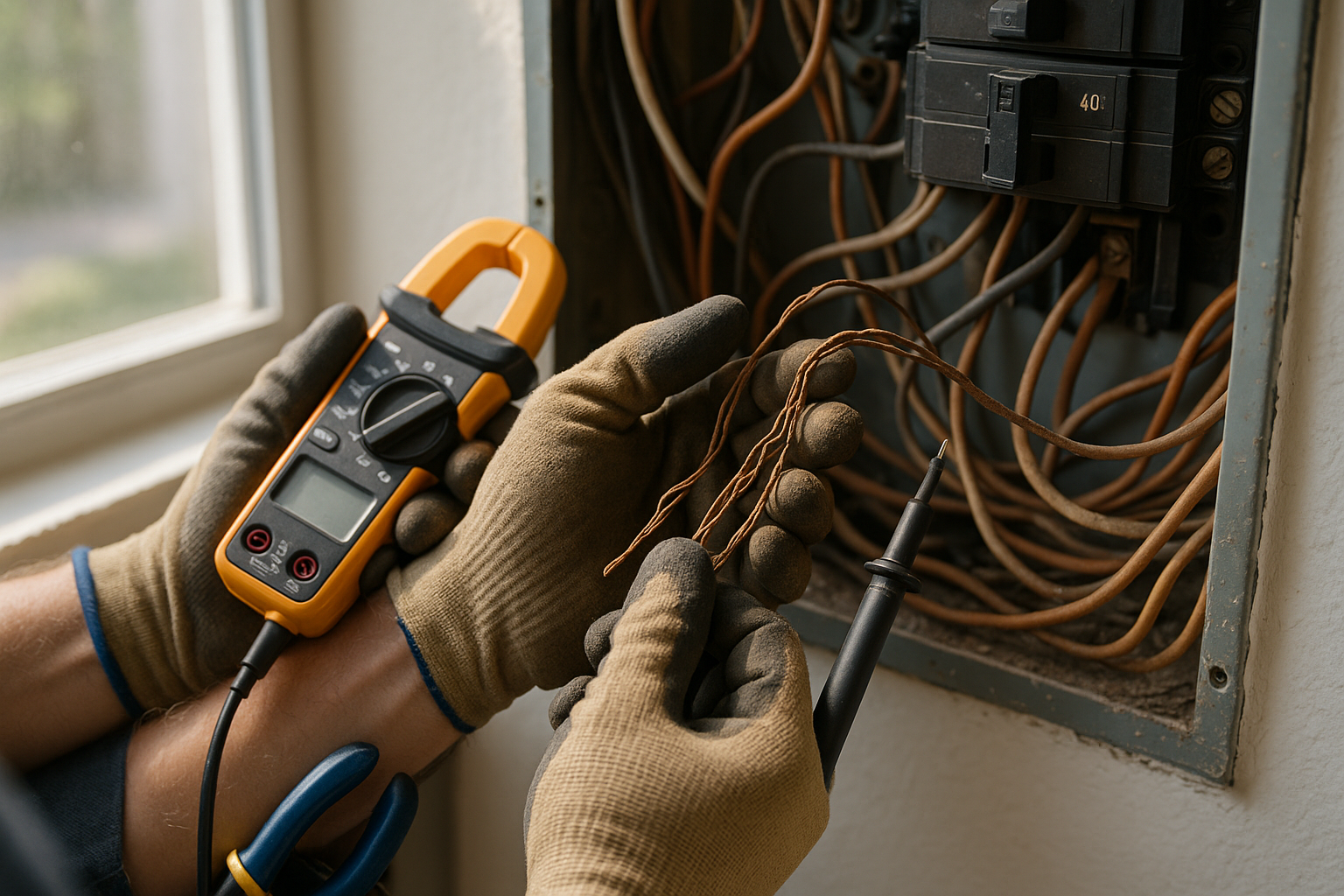
Can old wiring cause fires? Absolutely, and this represents the most serious threat. Over time, the rubber or fabric insulation that covers old electrical wires becomes brittle, cracks, and eventually falls away completely. When bare wires touch wooden framing, other wires, or combustible materials, sparks ignite fires inside your walls where they can spread undetected.
In Florida’s hot, humid climate, this deterioration accelerates. The combination of heat, moisture, and age creates perfect conditions for insulation breakdown. Consequently, many older homes in Sarasota and Venice contain wiring that looks intact from the outside but is dangerously exposed behind walls.
2. Frequent Circuit Breaker Trips and Power Interruptions
Homes built in the 1950s through 1970s typically have 60 to 100-amp electrical panels designed for minimal electrical loads. Today’s homes often require 200-amp service to handle air conditioning, refrigerators, washers, dryers, computers, televisions, and charging stations simultaneously. Therefore, old wiring systems become overwhelmed, causing breakers to trip repeatedly as they struggle to deliver adequate power.
This isn’t just inconvenient. Frequent tripping indicates your system operates at or beyond capacity, which generates excessive heat in wires and connections. This heat accelerates insulation damage and increases fire risk significantly.
3. Dangerous Power Surges That Destroy Electronics
Can old wiring cause power surges? Indeed, aging connections and deteriorating wires create resistance fluctuations that send irregular voltage throughout your home. These surges happen without warning and can instantly damage sensitive electronics like computers, smart TVs, gaming systems, and home automation equipment worth thousands of dollars.
Unlike lightning strikes that trigger obvious surge events, these internal surges occur silently and repeatedly. Many Port Charlotte homeowners don’t realize their old wiring is destroying expensive equipment until multiple devices fail prematurely. Proper surge protection starts with updating outdated electrical systems.
4. Shock Hazards From Ungrounded Systems
Most homes built before 1960 contain two-prong outlets without grounding wires. Grounding provides a safe path for electrical current in case of faults, preventing shocks when you touch appliances. Without this protection, even minor wiring problems can energize metal surfaces on refrigerators, washing machines, or light fixtures.
This creates particularly dangerous conditions in Florida homes where humidity increases electrical conductivity. Touching an ungrounded appliance with wet hands or while standing on damp surfaces can result in serious or even fatal shocks. Furthermore, modern appliances with three-prong plugs cannot be properly protected when plugged into ungrounded outlets, even with adapters.
5. Flickering Lights and Voltage Fluctuations
Can old wiring cause lights to flicker? Yes, and this common symptom indicates serious underlying problems. Flickering typically results from loose connections, corroded terminals, or undersized wiring that cannot deliver consistent voltage. While homeowners often dismiss this as a minor annoyance, it signals deteriorating connections that generate heat and create fire hazards.
In addition, voltage fluctuations harm LED bulbs, dimmer switches, and other modern lighting technology. These components require stable power to function properly. Consequently, homeowners with old wiring in Punta Gorda often replace bulbs and fixtures repeatedly without addressing the root cause.
6. Aluminum Wiring Corrosion and Connection Failures
During the 1960s and 1970s, builders installed aluminum wiring in millions of homes as a cost-effective copper alternative. However, aluminum expands and contracts more than copper with temperature changes, causing connections to loosen over time. Additionally, aluminum oxidizes when exposed to air, creating resistance at connection points.
These characteristics make aluminum wiring 55 times more likely to reach fire hazard conditions than copper wiring. The U.S. Consumer Product Safety Commission has identified aluminum wiring as a serious hazard requiring professional evaluation and remediation. Many homes throughout North Port still contain this dangerous material.
7. Inadequate Power for Modern Appliances and EV Chargers
Can old wiring cause problems with new appliances? Absolutely. Modern homeowners want to add electric vehicle chargers, hot tubs, pool equipment, and high-efficiency HVAC systems, but old wiring cannot support these loads safely. Attempting to add these features to outdated systems creates dangerous overload conditions.
For example, a Level 2 EV charger requires a dedicated 40 to 50-amp circuit. Homes with old wiring typically lack both the panel capacity and proper wiring to support this demand. Similarly, modern heat pump systems, increasingly popular in Englewood, require electrical service that older homes simply cannot provide without comprehensive upgrades.
8. Insurance Coverage Limitations and Disclosure Issues
Many insurance companies now limit coverage or charge higher premiums for homes with knob-and-tube wiring, aluminum wiring, or Federal Pacific electrical panels. Some insurers refuse coverage entirely until these systems are replaced. Therefore, old wiring can cause significant financial consequences beyond the direct safety risks.
Additionally, when selling your home, you must disclose known electrical problems. Buyers routinely request electrical inspections, and outdated wiring often becomes a major negotiating point or deal breaker. Consequently, addressing wiring problems proactively protects both your family’s safety and your property value.
How Can You Identify If Old Wiring Is Causing Problems?
Recognizing warning signs early allows you to address problems before they escalate into emergencies. Start by determining your home’s age. Homes built before 1980 likely contain wiring systems that don’t meet current safety standards. However, even newer homes can develop problems if previous owners made poor DIY repairs or if the original installation was substandard.
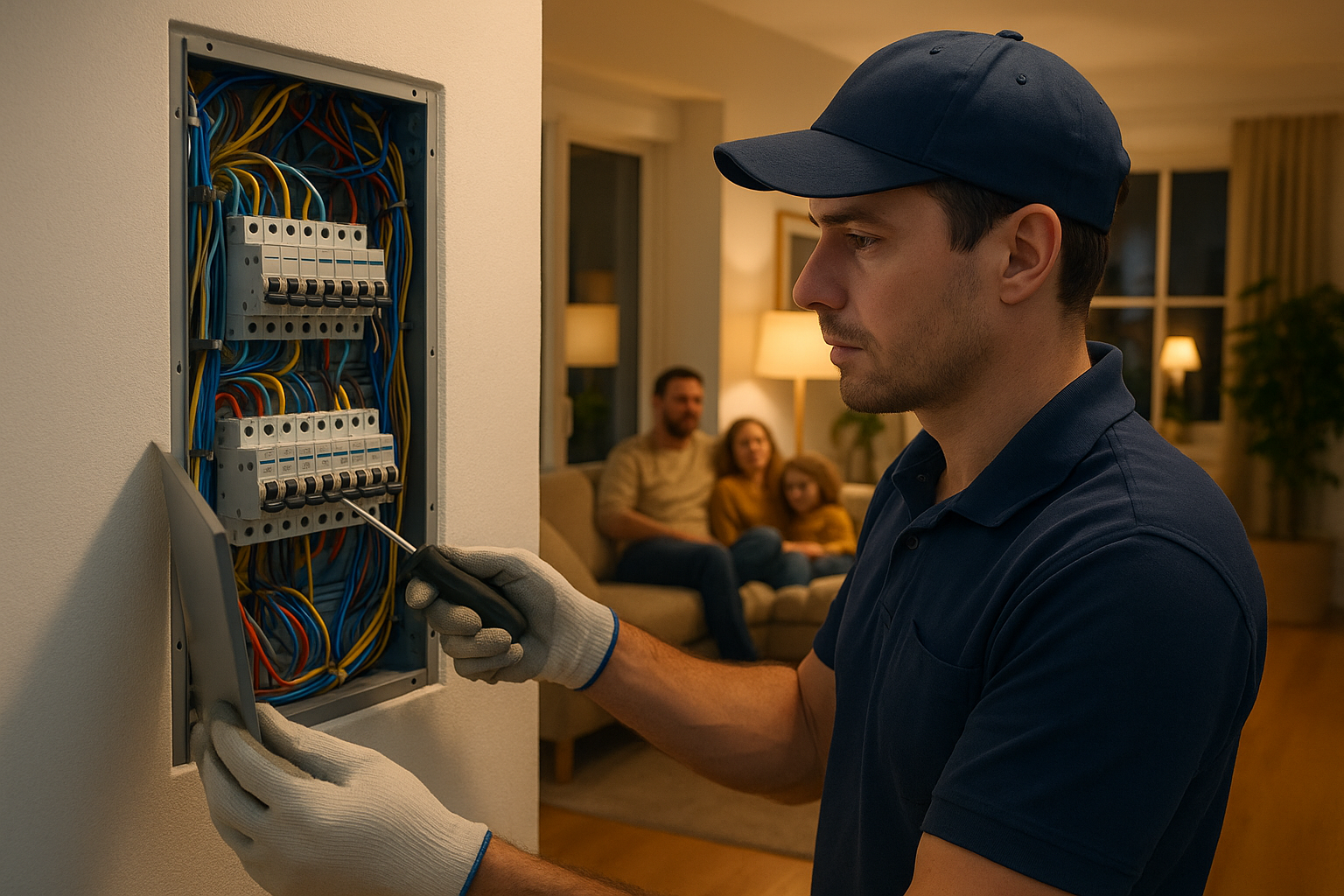
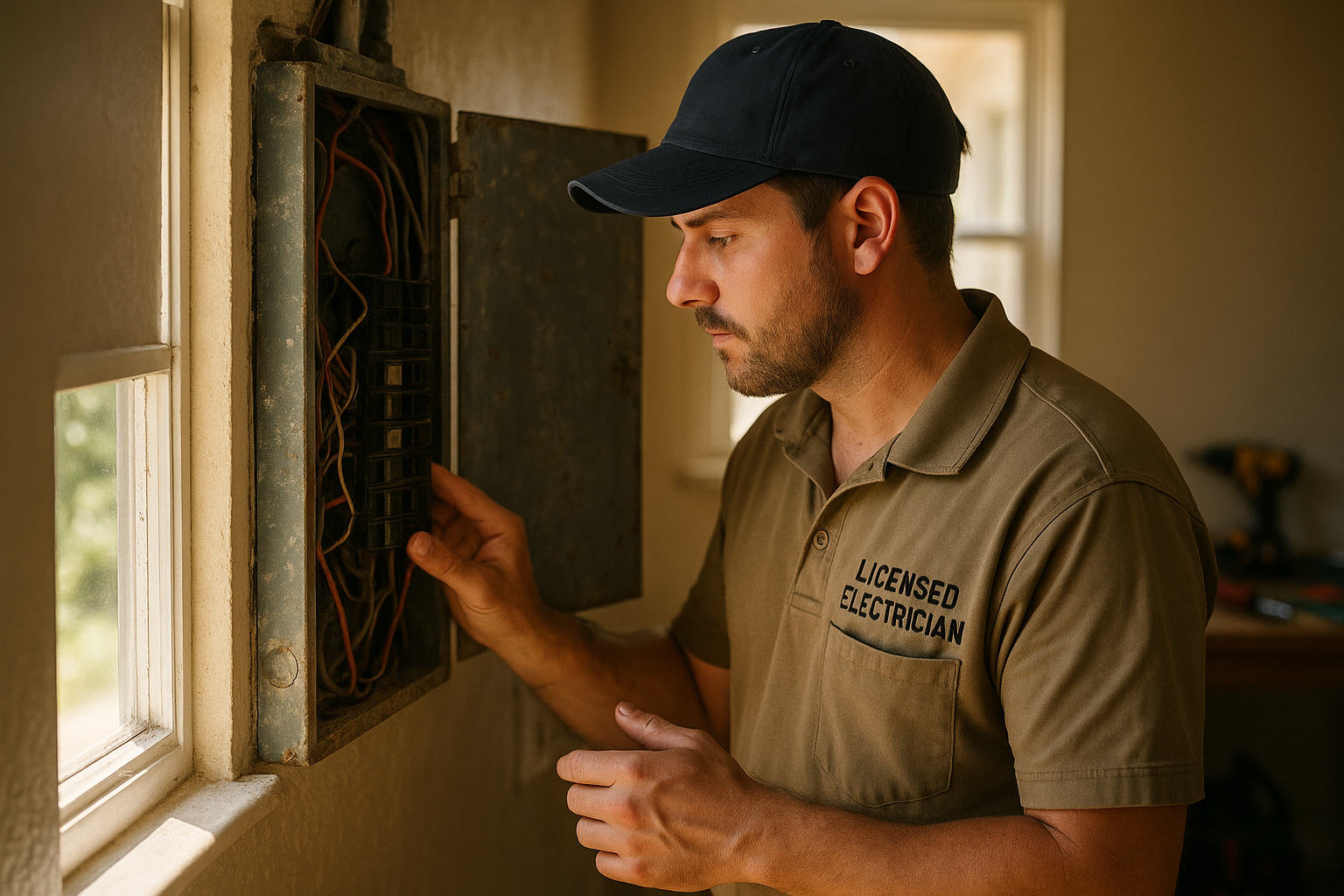
Next, inspect your electrical panel. Look for rust, corrosion, a burning smell, or warm spots on the panel cover. Check whether your panel uses fuses instead of circuit breakers, which indicates a system that desperately needs replacement. Count the available circuits and compare that number to your home’s electrical demands. If you run multiple extension cords or power strips because outlets are scarce, your system is inadequate.
Examine outlets throughout your home. Two-prong outlets indicate ungrounded circuits. Discolored or warm outlet covers suggest overheating. Outlets that spark, buzz, or fail to hold plugs securely need immediate professional attention. Similarly, light switches that feel warm, make crackling sounds, or don’t work consistently point to dangerous wiring problems.
Finally, trust your electric bill. If consumption increases without corresponding changes in usage patterns, can old wiring cause higher bills? Yes, because deteriorated connections create resistance that wastes electricity as heat. This inefficiency costs money while simultaneously increasing fire risk.
What Should Homeowners Expect From Professional Wiring Evaluation?
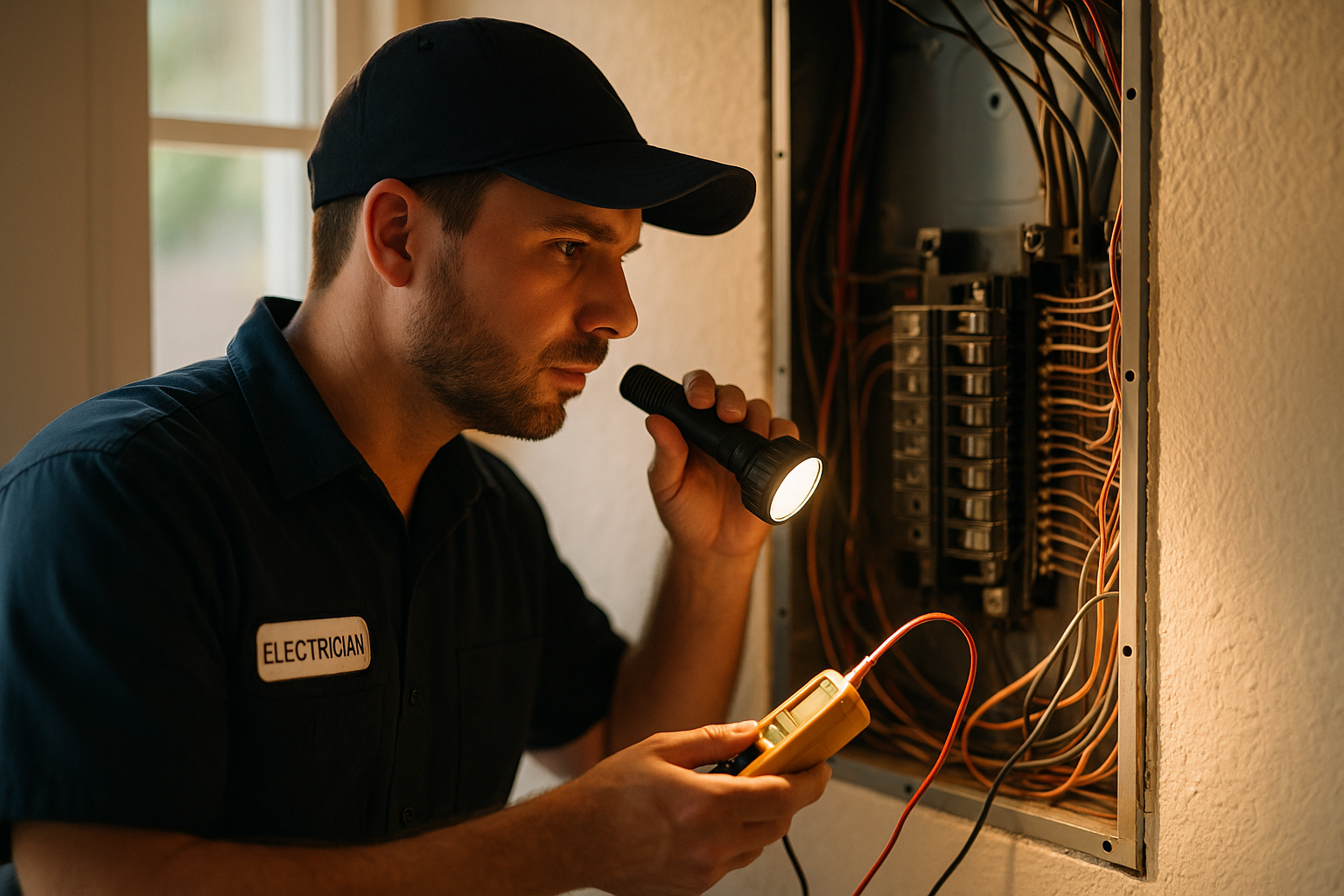
Professional electrical inspections provide comprehensive assessments that identify both immediate hazards and long-term concerns. During an inspection, licensed electricians examine your entire electrical system from the service entrance to individual outlets, testing connections, measuring voltage, and evaluating overall system capacity.
The inspection process begins at your main electrical panel where technicians verify proper sizing, confirm adequate circuit protection, and check for recalled or dangerous panel brands. They test GFCI and AFCI protection throughout your home, verifying these critical safety devices function correctly. Furthermore, inspectors use thermal imaging cameras to detect hot spots invisible to the naked eye that indicate dangerous resistance in connections.
Inside your home, electricians test outlet grounding, verify proper wiring throughout switches and fixtures, and assess whether your system meets current electrical code requirements. They calculate your home’s total electrical load and compare it to your service capacity, identifying whether upgrades are necessary to support your lifestyle safely.
After the inspection, you receive a detailed report documenting all findings with photographs, explanations of identified problems, and prioritized recommendations for repairs or upgrades. This report proves invaluable when discussing options with family members, planning budgets, or satisfying insurance company requirements.
How Much Does Old Wiring Replacement Cost in Southwest Florida?
Costs for addressing old wiring problems vary considerably depending on your home’s size, the extent of deterioration, accessibility challenges, and the scope of work required. However, understanding typical price ranges helps homeowners budget appropriately and avoid unpleasant surprises.
Partial rewiring of specific circuits or rooms typically ranges from $2,000 to $4,500. This option works when problems are isolated to certain areas while the rest of your home’s wiring remains serviceable. For example, updating wiring in a kitchen or adding circuits for new appliances falls into this category.
Whole-house rewiring for an average 1,500 to 2,000 square foot home generally costs between $8,000 and $15,000. This comprehensive approach replaces all old wiring, updates your electrical panel, brings your system to current code standards, and provides adequate capacity for modern electrical demands. The price includes materials, labor, necessary permits, and inspection fees.
Electrical panel upgrades from 100-amp to 200-amp service typically cost $2,500 to $4,500 when performed as a standalone project. However, panel upgrades often accompany rewiring projects since old wiring and inadequate panels frequently coexist. Moreover, combining projects can reduce overall costs compared to addressing issues separately over time.
Additional factors affecting costs include your home’s construction type. Homes with basements or accessible crawl spaces cost less to rewire than homes built on concrete slabs where running new wiring requires more extensive work. Similarly, two-story homes cost more than single-story homes due to increased complexity.
While these costs may seem substantial, consider them investments in safety, insurance eligibility, property value, and peace of mind. Furthermore, many homeowners find that improved electrical efficiency actually reduces monthly utility costs, partially offsetting the upgrade investment over time.
When Should You Call a Professional Electrician About Old Wiring?
Never hesitate to call licensed electricians when you notice warning signs or suspect problems with old wiring. Electrical issues never improve on their own and always worsen over time. Therefore, early intervention prevents more extensive and expensive problems while protecting your family from serious hazards.
Call immediately if you experience frequently tripping breakers, smell burning odors near outlets or switches, see sparks from outlets or the electrical panel, feel warm outlets or switch plates, or notice flickering lights throughout multiple rooms. These symptoms indicate active problems requiring urgent professional attention.
Additionally, schedule inspections before buying or selling a home, after significant weather events like hurricanes, when planning major renovations or additions, before adding large appliances or EV chargers, and if your home is over 40 years old and has never had electrical updates.
Remember that electrical work requires specialized knowledge, proper tools, and licensing for good reasons. DIY electrical repairs create dangerous conditions that endanger lives and void insurance coverage. Always rely on licensed, experienced professionals for any electrical work beyond replacing light bulbs or resetting circuit breakers.
Frequently Asked Questions About Problems Old Wiring Can Cause
Can old wiring cause high electric bills?
Yes, old wiring can cause increased electricity costs. Deteriorated connections create resistance that converts electricity into wasted heat rather than useful power. This inefficiency appears as higher consumption on your utility bill even when usage patterns remain constant.
How long does electrical wiring last in Florida homes?
Modern copper wiring can last 50 to 70 years when properly installed and maintained. However, Florida’s heat and humidity accelerate deterioration. Older wiring types like knob-and-tube or aluminum wiring should be evaluated and likely replaced regardless of age due to safety concerns.
Can old wiring cause GFCI outlets to trip frequently?
Yes, old wiring frequently causes GFCI outlets to trip because deteriorated insulation allows small current leaks that GFCIs detect. While frustrating, these trips actually demonstrate the GFCI is protecting you from potentially dangerous ground faults in aging wiring systems.
What is the most dangerous type of old wiring?
Knob-and-tube wiring and aluminum wiring represent the most dangerous old wiring types. Knob-and-tube lacks grounding and uses deteriorating insulation, while aluminum wiring creates fire hazards at connection points. Both require professional evaluation and typically full replacement.
Can old wiring cause appliances to malfunction?
Absolutely, old wiring causes appliance problems through inconsistent voltage delivery and inadequate current supply. Appliances may run inefficiently, fail prematurely, or not function at all when powered by deteriorated wiring that cannot meet their electrical requirements.
Do all old homes need complete rewiring?
Not all old homes require complete rewiring, but all need professional evaluation. Some homes have had partial updates or contain wiring that remains serviceable. However, only licensed electricians can determine whether your specific home is safe or requires upgrades.
How often should old wiring be inspected?
Homes with wiring over 40 years old should have professional electrical inspections every three to five years. Additionally, schedule inspections before purchasing, after storms, when noticing warning signs, or before adding significant electrical loads like EV chargers.
Protect Your Home With Caliber Electric’s Expert Wiring Services
Can old wiring cause devastating problems in your Southwest Florida home? Absolutely, but you don’t have to face these dangers alone. For over 20 years, Caliber Electric has helped families throughout Port Charlotte, North Port, Punta Gorda, Venice, Englewood, and Sarasota protect their homes with comprehensive electrical upgrades and rewiring services. As a fully licensed, family-owned company, we understand the unique challenges Florida homeowners face and provide honest assessments, transparent pricing, and workmanship that stands the test of time. Don’t wait for warning signs to become emergencies. Contact Caliber Electric today at (941) 629-2287 for a professional electrical evaluation and discover how we can make your home safer, more efficient, and ready for modern living.