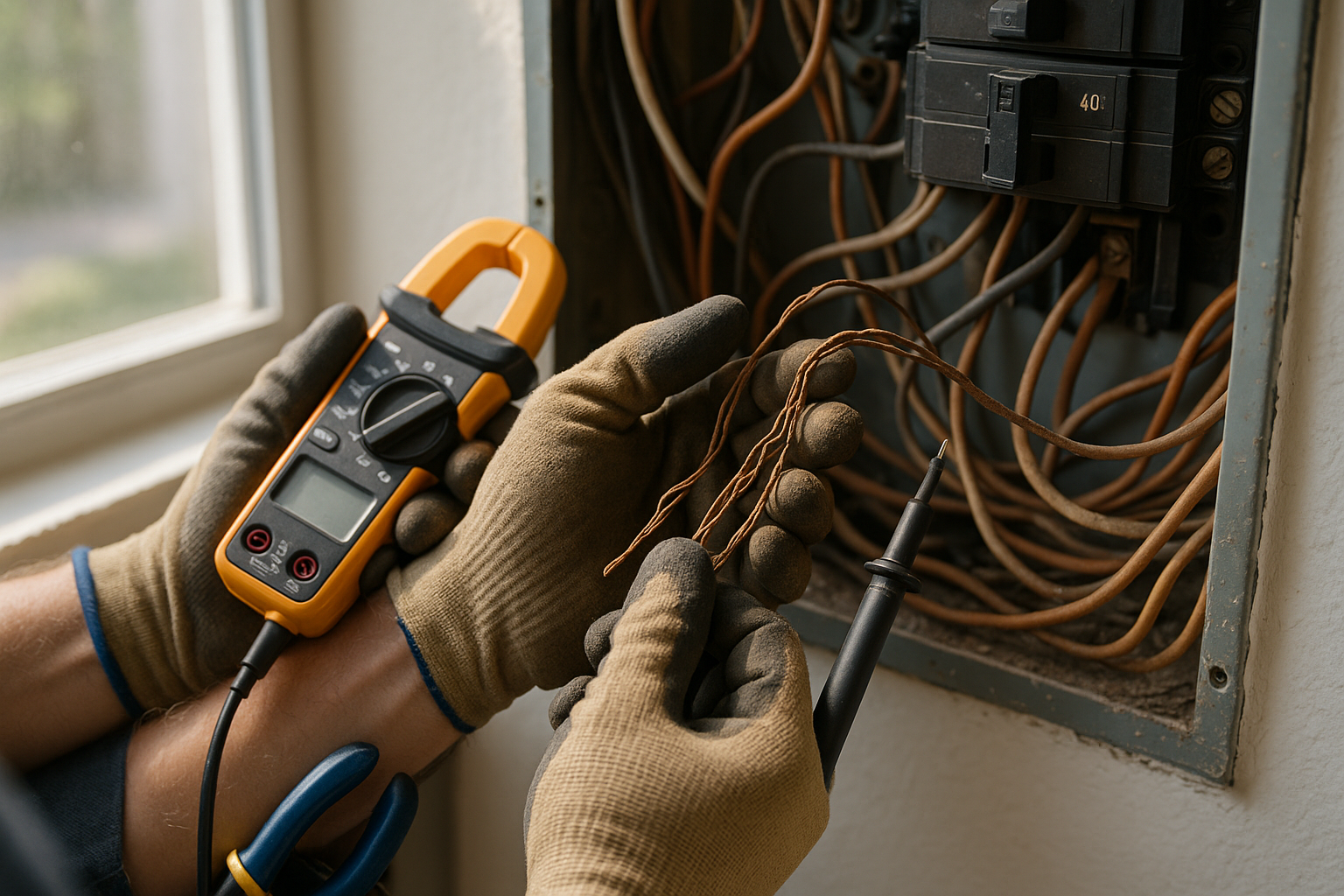


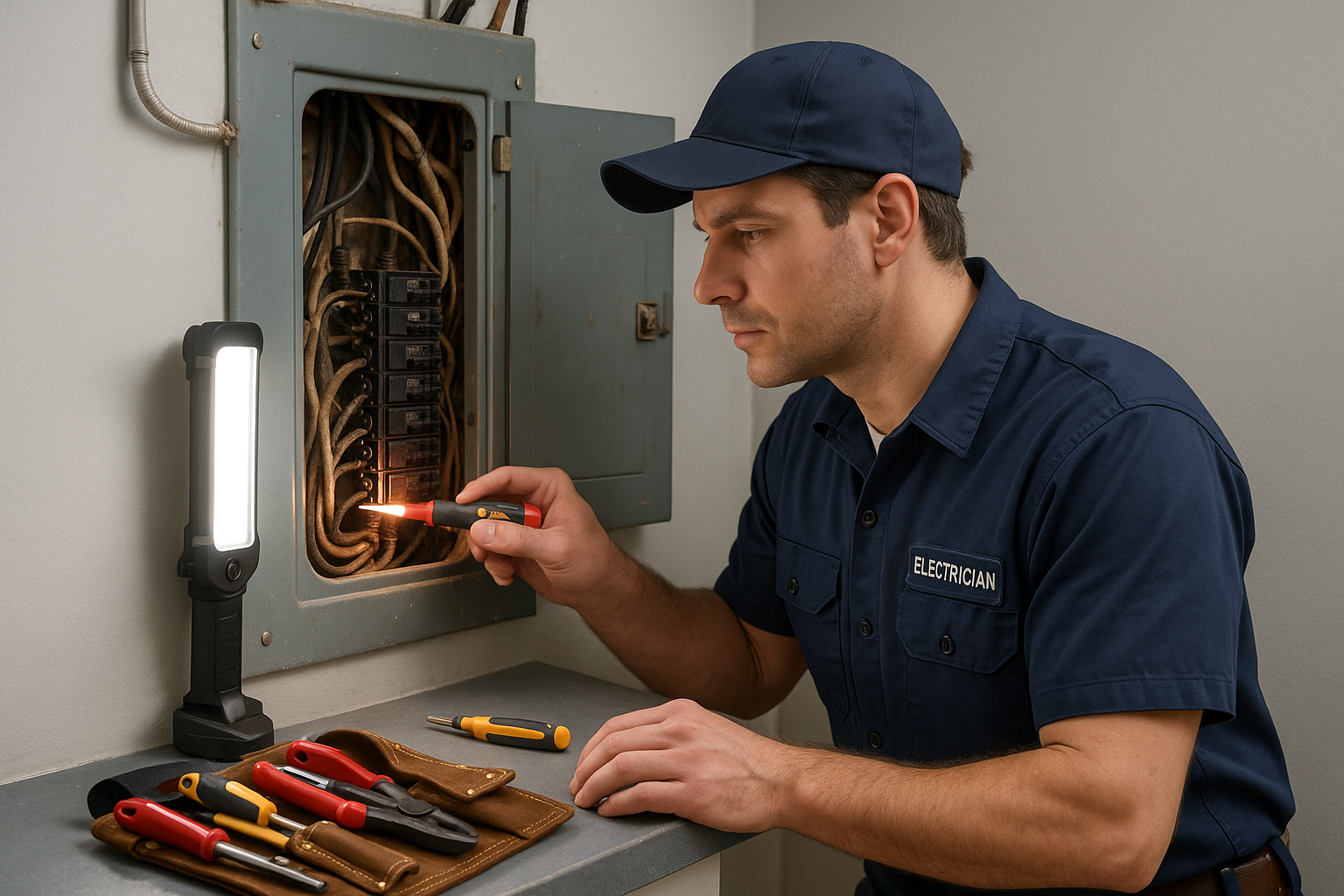
Homeowners across Southwest Florida frequently ask us: can old wiring cause serious problems in my home? After more than 20 years serving families in Port Charlotte, Punta Gorda, North Port, Venice, Englewood, and Sarasota, we’ve seen firsthand how outdated electrical systems create safety hazards, efficiency issues, and costly damage. Understanding what your aging wiring might be doing behind your walls is essential for protecting your family and property.
Quick Answer: Old wiring can cause numerous serious problems including electrical fires, frequent circuit breaker trips, power surges that damage electronics, flickering lights, shock hazards, and reduced energy efficiency. Homes built before 1970 often contain outdated wiring types like knob-and-tube or aluminum wiring that pose significant safety risks and typically require professional replacement to meet modern electrical codes and safety standards.
What Problems Can Old Wiring Cause in Your Home?
Old wiring creates a cascade of problems that extend far beyond simple inconvenience. Understanding these issues helps homeowners recognize when professional intervention becomes necessary rather than optional.
Electrical fires represent the most serious risk. According to the National Fire Protection Association, electrical failures or malfunctions cause an estimated 13% of home fires annually, with aging wiring contributing significantly to these statistics. Deteriorated insulation, corroded connections, and wiring materials not designed for modern electrical loads create dangerous conditions that can ignite surrounding materials.
Furthermore, old wiring systems weren’t designed to handle today’s electrical demands. When a home built in 1960 had only a few outlets per room and minimal appliances, the wiring was adequate. However, that same system now struggles with computers, charging stations, smart home devices, entertainment centers, and modern kitchen appliances. This overload stresses the system beyond its safe capacity.
In addition, property value and insurance issues arise from outdated electrical systems. Many insurance companies increase premiums or refuse coverage for homes with knob-and-tube or aluminum wiring. Moreover, potential buyers often demand electrical upgrades or negotiate significantly lower prices when inspections reveal aging wiring.
8 Warning Signs That Old Wiring Can Cause Damage in Your Home
Recognizing the symptoms of failing electrical systems allows homeowners to address problems before they escalate into emergencies or catastrophes.
1. Frequent Circuit Breaker Trips or Blown Fuses
When your breaker panel constantly trips, it’s signaling that circuits are overloaded or damaged. Old wiring often lacks sufficient capacity for modern electrical demands, forcing the system to shut down repeatedly as a safety measure. Therefore, if you’re resetting breakers weekly or even monthly, your electrical system is telling you it can’t safely handle your household’s needs.
2. Burning Smell or Discolored Outlets
A burning odor near outlets, switches, or your electrical panel indicates serious danger. This smell often comes from overheating wires whose insulation is melting or burning. Similarly, discolored or warm outlet covers signal excessive heat generation. In fact, these symptoms require immediate professional attention, as they often precede electrical fires.
3. Flickering or Dimming Lights
Occasional flickering when large appliances start is normal. However, persistent dimming or flickering indicates poor connections, inadequate wiring gauge, or voltage fluctuations. Old wiring develops loose connections over decades of thermal expansion and contraction. Consequently, these failing connections create resistance that manifests as inconsistent lighting.
4. Two-Prong Outlets Throughout Your Home
Two-prong outlets indicate your home lacks modern grounding protection. Homes built before the 1960s typically have ungrounded electrical systems that can’t safely handle modern electronics. Additionally, these outlets make it impossible to use three-prong plugs without adapters, which homeowners often use incorrectly, creating additional hazards.
5. Aluminum Wiring or Knob-and-Tube Systems
Aluminum wiring, common in homes built between 1965 and 1973, expands and contracts differently than copper, creating loose connections over time. Meanwhile, knob-and-tube wiring, found in homes built before 1950, lacks any grounding and uses deteriorating insulation. Both systems are considered significant fire hazards by modern standards. Breaker panel replacement often becomes necessary when addressing these outdated wiring types.
6. Buzzing Sounds from Outlets or Switches
Electrical systems should operate silently. Buzzing, sizzling, or crackling sounds indicate arcing electricity, loose connections, or damaged wiring. These sounds represent electricity jumping across gaps rather than flowing smoothly through conductors. As a result, this arcing generates tremendous heat and can ignite nearby materials.
7. Shocks or Tingles When Touching Appliances
Experiencing mild shocks when touching appliances, light switches, or plumbing fixtures indicates dangerous grounding problems. Old wiring systems often lack proper grounding or have deteriorated ground connections. On the other hand, modern electrical systems channel fault currents safely to ground, preventing these dangerous situations.
8. Visible Wire Damage or Exposed Connections
During renovations or in accessible areas like basements and attics, you might observe cracked or crumbling wire insulation, exposed conductors, or amateur splice jobs. These visible problems typically represent only a fraction of the deterioration happening throughout your walls. Indeed, what you can see usually indicates widespread hidden damage.
Can Old Wiring Cause Increased Electricity Bills?
Many homeowners don’t realize that aging electrical systems directly impact their monthly utility costs. Old wiring causes energy waste through several mechanisms that silently drain your budget.
Deteriorated connections create resistance in your electrical system. When electricity encounters resistance, it generates heat rather than powering your devices efficiently. This resistance forces your electrical system to draw more current to deliver the same power, increasing your consumption measurably. In contrast, modern wiring with tight connections and proper sizing minimizes these losses.
Voltage drops represent another efficiency problem. Old wiring with inadequate gauge or poor connections causes voltage to drop between your electrical panel and your outlets. Consequently, motors in refrigerators, air conditioners, and other appliances must run harder and longer to perform the same work. This extended runtime translates directly into higher electricity bills.
Moreover, old electrical systems often lack dedicated circuits for major appliances. When high-draw appliances share circuits with other devices, voltage instability stresses all connected equipment. This stress reduces appliance efficiency and shortens equipment lifespan, creating both immediate and long-term costs.
Additionally, homes with old wiring typically can’t support modern energy-saving technologies. Smart thermostats, efficient LED lighting systems, and Energy Star appliances often require proper grounding and stable power that aged electrical systems can’t reliably provide. Therefore, homeowners miss opportunities for significant energy savings.
What Types of Old Wiring Can Cause the Most Serious Problems?
Not all old wiring presents equal risk. Understanding which types create the most significant hazards helps homeowners prioritize electrical upgrades appropriately.
Knob-and-tube wiring, used from the 1880s through the 1940s, consists of individual wires running through ceramic insulators. The cloth or rubber insulation deteriorates over decades, leaving bare conductors exposed inside walls. Furthermore, this system lacks any equipment grounding conductor, making it incompatible with modern safety standards. Most insurance companies either refuse coverage or charge substantial premiums for homes with active knob-and-tube wiring.
Aluminum wiring, installed in approximately 1.5 million American homes between 1965 and 1973, poses unique fire risks. Aluminum expands and contracts at different rates than the copper terminals in outlets and switches. Over time, these connections loosen, creating high-resistance points that generate dangerous heat. Additionally, aluminum oxidizes when exposed to air, further increasing resistance. Homes with aluminum wiring are 55 times more likely to have connections reach fire hazard conditions than homes with copper wiring.
Early plastic-insulated wiring from the 1950s and 1960s sometimes used insulation materials that become brittle with age. This deterioration leaves wires vulnerable to damage from rodents, moisture, and simple mechanical stress. When insulation cracks or falls away, bare conductors can contact grounded surfaces or each other, creating shock hazards or short circuits.
Cloth-covered wiring, common through the 1960s, presents fire risks as the fabric insulation dries out and becomes combustible itself. In attics and other hot spaces, this insulation deteriorates particularly quickly. The wiring often remains functional electrically while becoming a serious fire hazard structurally.
How Much Does It Cost to Replace Old Wiring in Southwest Florida?
Understanding the investment required for electrical upgrades helps homeowners plan appropriately and recognize the value of professional work. Several factors influence the total cost of rewiring projects in the Port Charlotte, Punta Gorda, and Sarasota areas.
Partial rewiring projects that address specific problem areas or single circuits typically range from $1,500 to $4,000, depending on accessibility and scope. For example, replacing the wiring for a kitchen or adding dedicated circuits for window air conditioning units falls into this category. These targeted upgrades solve immediate safety concerns while spreading the investment over time.
Whole-house rewiring for an average-sized Southwest Florida home typically costs between $8,000 and $15,000. This range varies significantly based on home size, accessibility, whether walls need to be opened, and the complexity of your electrical needs. Homes requiring panel upgrades in addition to new wiring will be at the higher end of this spectrum.
Panel upgrades alone, which often accompany rewiring projects, range from $2,000 to $4,500 depending on the amperage increase and whether the service entrance equipment also needs replacement. Many homes in Venice and Englewood built in the 1960s and 1970s have 100-amp panels that need upgrading to 200-amp service to support modern electrical demands safely.
Meanwhile, the cost of not addressing old wiring problems can far exceed these upgrade investments. Electrical fires cause an average of $70,000 in property damage per incident. Furthermore, homeowners insurance may deny claims if fires result from known electrical deficiencies that weren’t addressed. Therefore, viewing electrical upgrades as essential safety investments rather than optional expenses makes financial sense.
Additionally, electrical upgrades often provide immediate returns through reduced insurance premiums, improved home sale value, and decreased electricity bills. Many homeowners in North Port who’ve completed whole-house rewiring report insurance savings of $300 to $800 annually, recovering a portion of their investment each year.
Frequently Asked Questions About Old Wiring Problems
Can old wiring cause my appliances to malfunction or break?
Yes, old wiring frequently causes appliance problems and premature failure. Voltage fluctuations, inadequate grounding, and insufficient circuit capacity stress appliances, causing motors to overheat, electronic controls to malfunction, and components to fail prematurely. Sensitive electronics like computers and televisions are particularly vulnerable to the power quality issues that old wiring creates.
How can I tell if my home has old wiring that can cause problems?
Check your home’s age and look for warning signs like two-prong outlets, frequent breaker trips, flickering lights, or buzzing sounds from electrical components. Additionally, examine visible wiring in your basement, attic, or garage for cloth insulation, deteriorating covering, or knob-and-tube systems. A professional electrical inspection provides definitive answers about your wiring condition and safety.
Can old wiring cause problems even if it still works?
Absolutely. Wiring can function electrically while presenting serious safety hazards. Deteriorated insulation, improper connections, and inadequate capacity create fire risks and shock hazards regardless of whether lights turn on and outlets provide power. In fact, the gradual nature of wiring deterioration means systems often work right up until they cause fires or serious failures.
What are the biggest dangers that can old wiring cause for my family?
The primary dangers include electrical fires, shock and electrocution hazards, carbon monoxide risks from malfunctioning heating equipment, and damage to expensive electronics and appliances. Electrical fires can start inside walls where they spread undetected before breaking through into living spaces. Moreover, inadequate grounding in old systems means fault currents may energize metal appliance housings, creating dangerous shock situations.
Can old wiring cause breakers to trip repeatedly?
Yes, old wiring commonly causes frequent breaker trips through several mechanisms. Deteriorated insulation allows current leakage that triggers ground fault protection. Loose connections create heat and resistance that overload circuits. Furthermore, wiring sized for historical electrical loads can’t handle modern demands without exceeding safe capacity. Repeated tripping indicates your electrical system is protecting you from dangerous conditions.
How long does it take to replace old wiring in a typical home?
Whole-house rewiring typically takes three to seven days depending on home size, accessibility, and whether walls need to be opened. Partial rewiring projects addressing specific circuits or rooms may be completed in one to two days. The timeline also depends on whether you’re combining the rewiring with panel upgrades, which adds additional time for utility coordination and inspection processes.
Can old wiring cause low voltage throughout my house?
Yes, old wiring frequently creates voltage drop problems due to undersized conductors, deteriorated connections, and inadequate service entrance equipment. When voltage drops below optimal levels, lights dim, motors struggle, and electronics malfunction. Professional voltage testing at various points throughout your electrical system identifies whether your wiring is causing these problems.
Trust Caliber Electric for Old Wiring Safety Inspections and Upgrades
If you’re concerned about what problems can old wiring cause in your Port Charlotte, Punta Gorda, North Port, Venice, Englewood, or Sarasota home, Caliber Electric provides the expertise you need. As a family-owned electrical contractor with more than 20 years serving Southwest Florida families, we’ve helped thousands of homeowners upgrade dangerous electrical systems to modern safety standards. Our fully licensed electricians provide comprehensive electrical inspections that identify exactly what risks your wiring presents, followed by clear explanations of your options and transparent pricing. We handle everything from targeted circuit replacements to whole-house rewiring and panel upgrades, always prioritizing your family’s safety and your home’s long-term value. Don’t wait for flickering lights to become electrical fires. Contact Caliber Electric today at (941) 621-4353 for a professional electrical safety inspection and discover how affordable peace of mind can be.